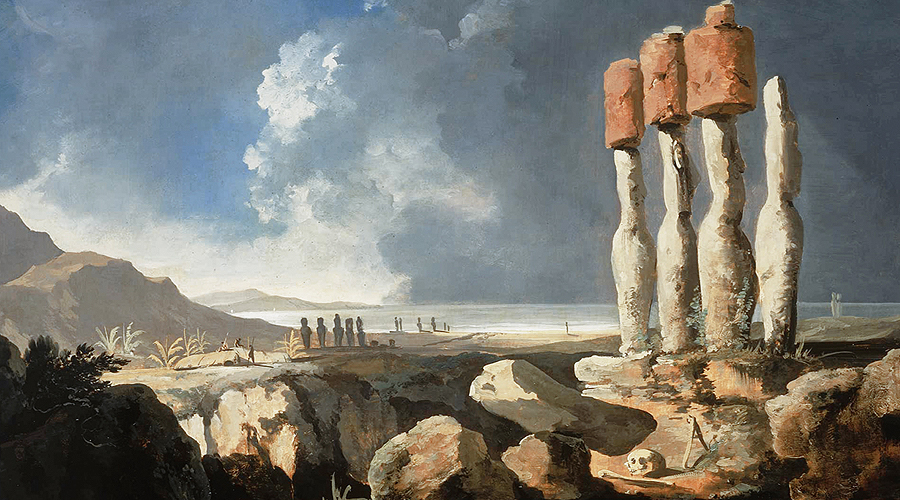
In December of 1862 eight ships approached a solitary volcanic island located in the far reaches of the Pacific Ocean. This was the year that the fate of the island’s beleagured population was sealed; a population that had evolved in cultural isolation to produce works of art that have become one of the wonders of the world. This film shows who really built these statues, and why. It attempts to explain how the island’s history left little of its culture intact apart from its art.
Easter Island - The Statues and Rock Art of Rapa Nui
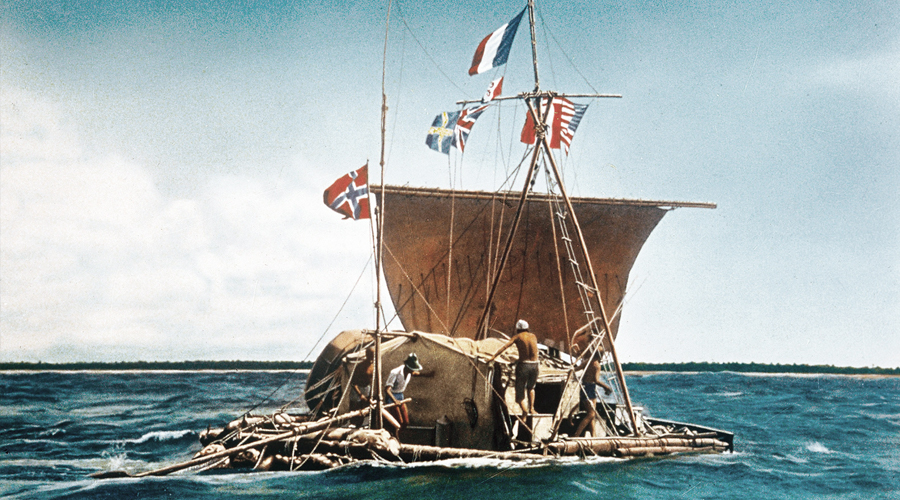
Today, with the wisdom of hindsight, Rapa Nui, or Easter Island as it was to become known, presents us with a model of the human spirit. The initial endeavour of migration and protohistoric ocean voyaging is remarkable in itself.
The urge to explore and colonise has taken a small group of people, whose ancestors once originated in Africa, to one of the remotest parts of the world, but one which they came to refer to as the ‘navel of the world’. The model demonstrates the ability to establish a religious framework which binded the society. But any society is not static, and the artistic endeavours on Easter Island throw light on the changing socio-economic conditions and on the changing balance of power.
However, this same model reveals another facet of the human spirit greed, for a consumer society to be blinded by a given situation, and to practice rituals at the expense of its resources. And greed also when different cultures interact, one at the expense of the other. The sequence of events on Easter Island occurred over centuries, but there appears to be a critical period of 27 years - between 1837 when the Moai statues were standing, and 1864 when they had all been pulled down. As to why this happened, we can only speculate, but clearly there are lessons to be learnt. We are fortunate that Easter Island has survived its turbulent history, leaving us with a small but healthy culture which is home to some of the world’s most original and intriguing art.
1995 Bradshaw Foundation Easter Island Expedition
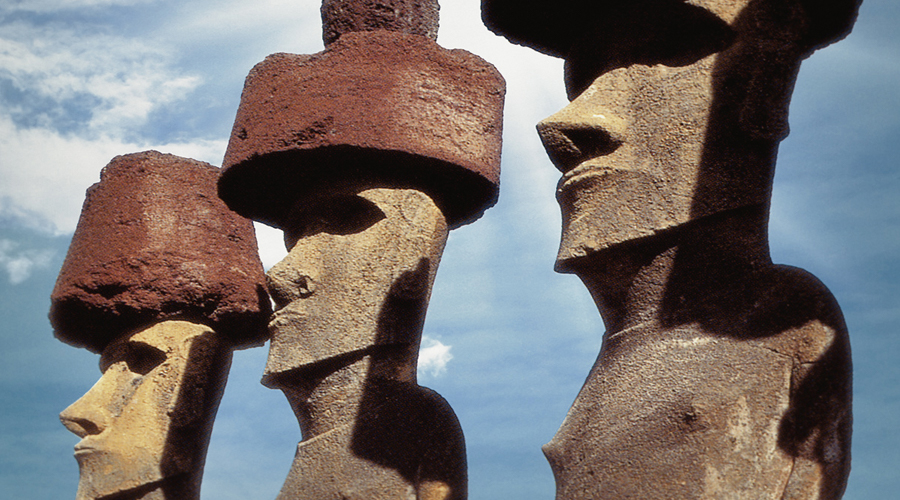
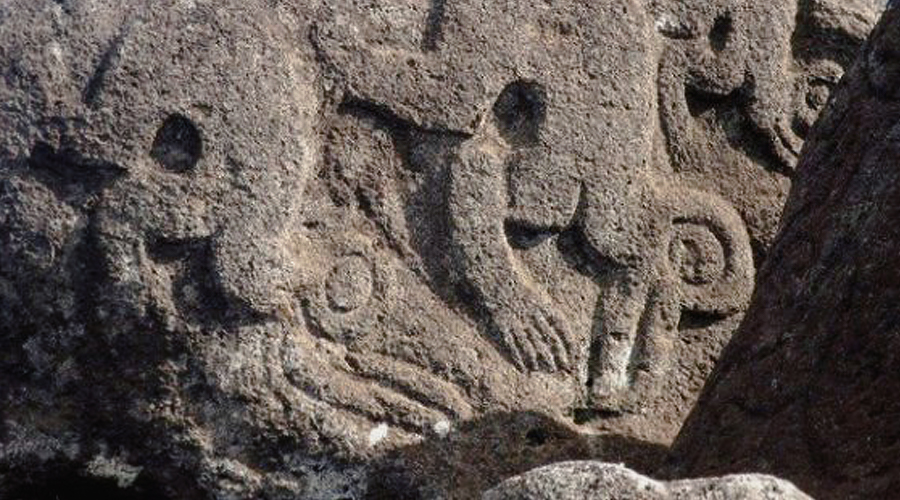
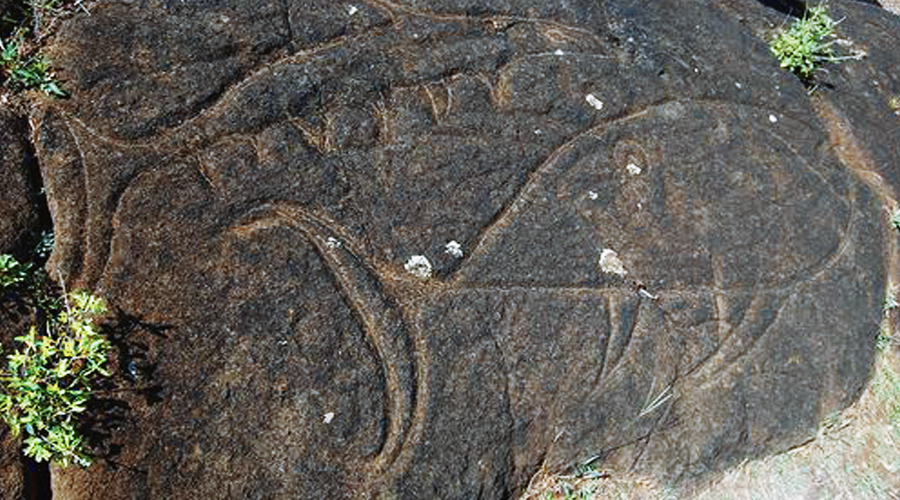
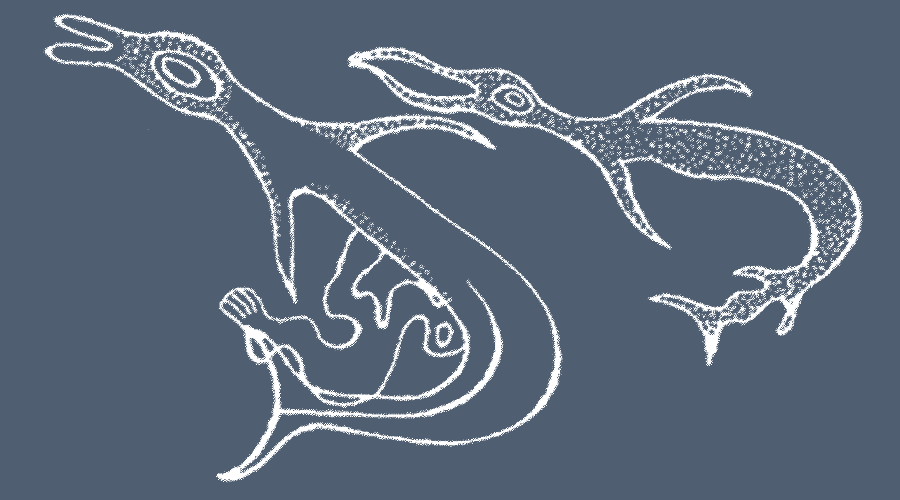
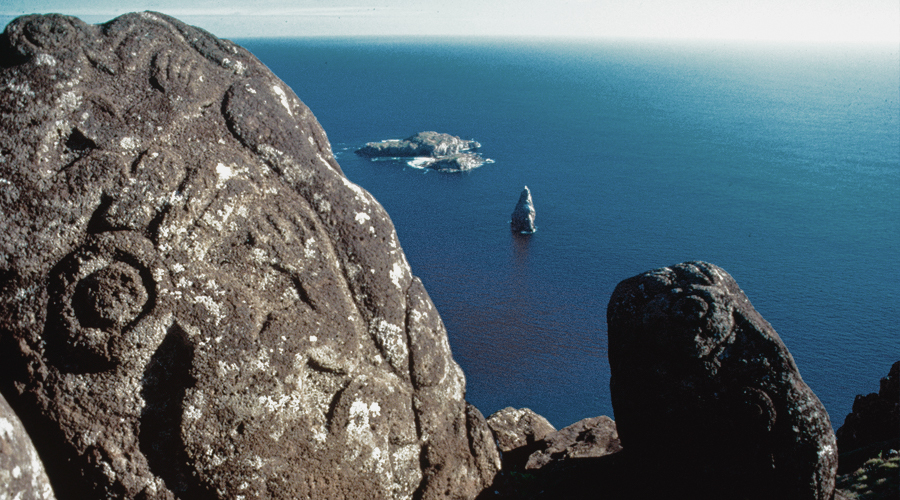
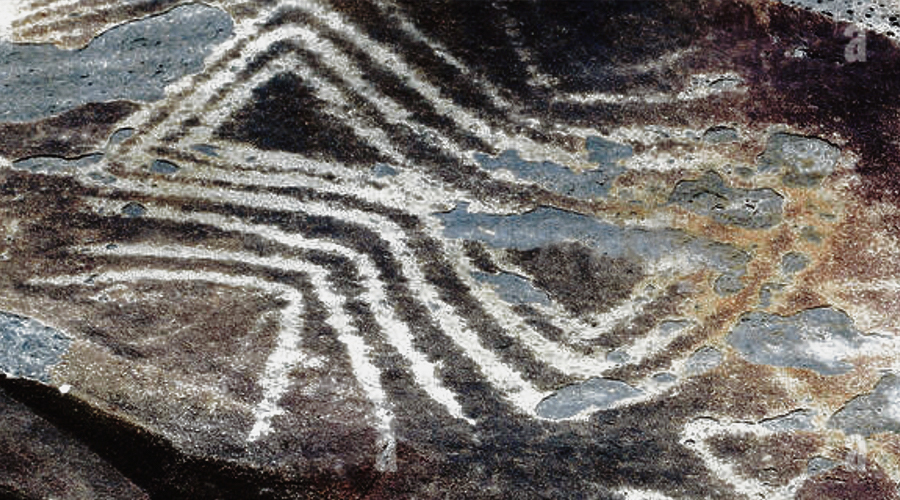
Easter Island, or Rapa Nui, its original name, is the Polynesian island found in the south east Pacific Ocean. Although famous for the large monumental Moai statues which adorn the island (often called the "Easter Island heads" - they are in fact complete torsos, kneeling on bent knees with hands over the stomach), Rapa Nui is also home to highly sophisticated rock art carvings and paintings with unique
motifs.
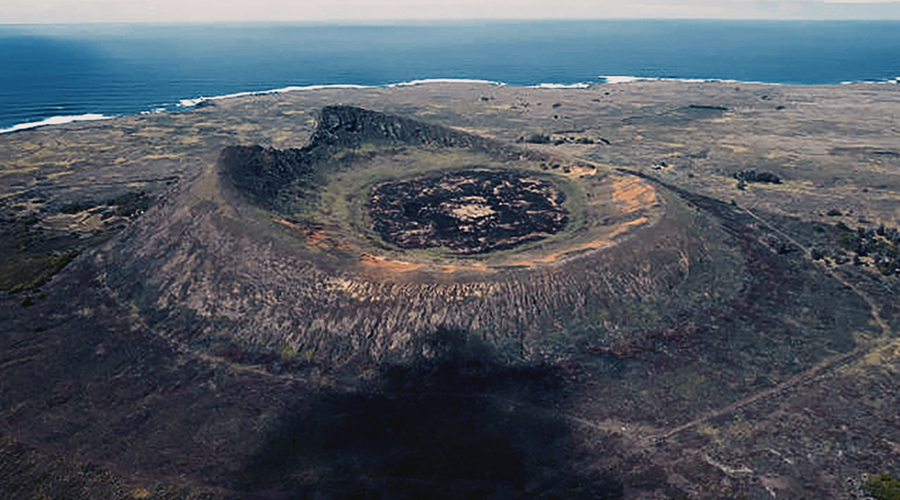
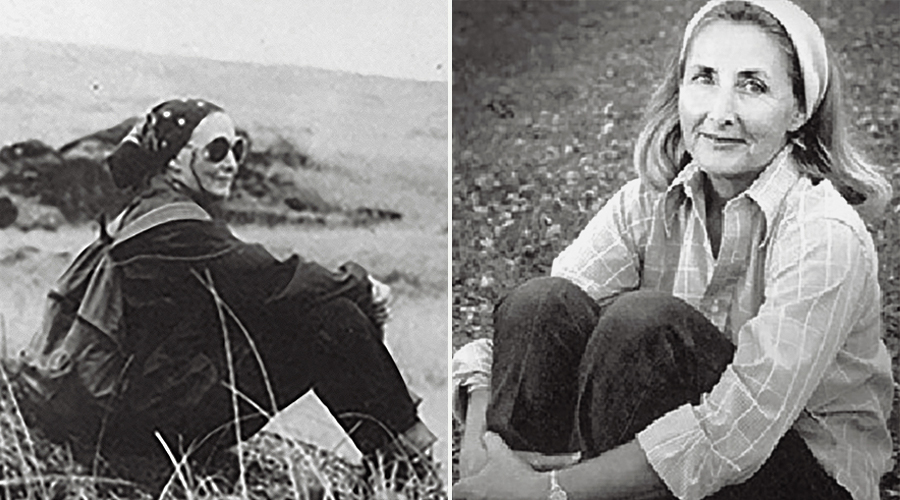
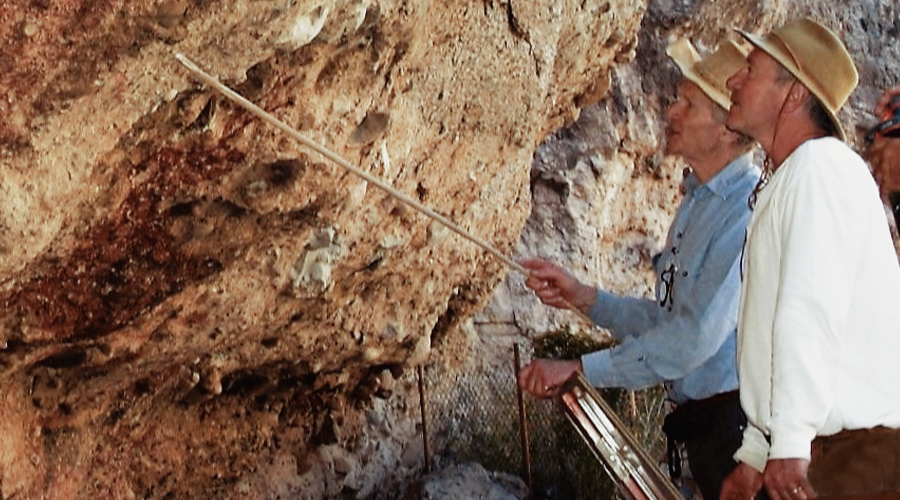
In 1995 the Chairman of the Bradshaw Foundation, Damon de Laszlo, and John Robinson, joined Doctor Georgia Lee on Easter Island, the island of Rapa Nui. During the first week of February of each year the natives of Easter Island hold their Annual Festival, so we chose this time to visit hoping to gain a sense of what remained of the Easter Island's Culture. We were not to be disappointed. In the evenings groups of young men and women in grass skirts competed against each other performing traditional dances. On one day the men took part in a Decathlon of swimming, reed rafting, and a running race around and across the crater lake of the extinct volcano Rano Raraku, home of the Giant Statues.
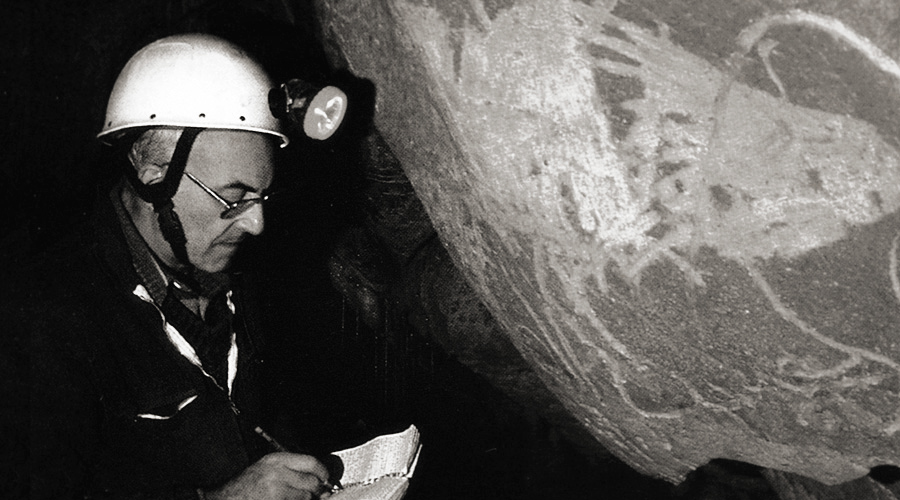
Between watching these fascinating scenes, Georgia Lee guided us around the wonders of the Easter island's Lost Civilisation. Her life times study of the island's Petroglyths has given her a unique knowledge about this collection of Polynesian rock art, by far the greatest in the whole of the Pacific Ocean.
Pictured left: Decathlon of Easter Island
The Bradshaw Foundation would like to thank DoctorGeorgia Lee for guiding members of the Bradshaw Foundation around Easter Island, and for her help in putting together this section of the website.
More information about Easter Island is available on our iLecture Documentary Film which is available for download from the Bradshaw Foundation iShop. The film is also included as part of the 'Ancient Rock Art of the World' DVD.