bradshaw foundation chauvet cave chauvet cave chauvet cave chauvet cave chauvet chauvet jean clottes chauvet cave chauvet chauvet cave bradshaw foundation iShop bradshaw foundation bradshaw foundation bradshaw foundation chauvet chauvet


chauvet cave paintings


The Niaux Cave | Film Download

Less well known than other European caves such as Chauvet and Lascaux, Niaux houses some of the world's most spectacular rock art.
Download the Niaux Cave Film


chauvet cave paintings

The Chauvet Cave

The Paleolithic Cave Paintings of Prehistoric France


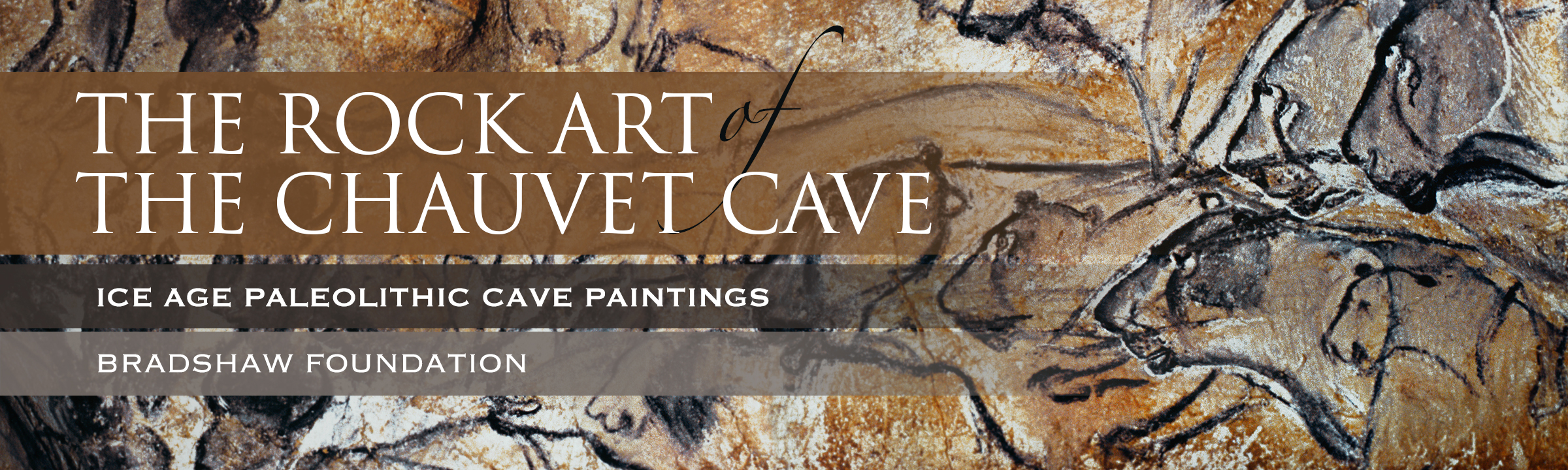
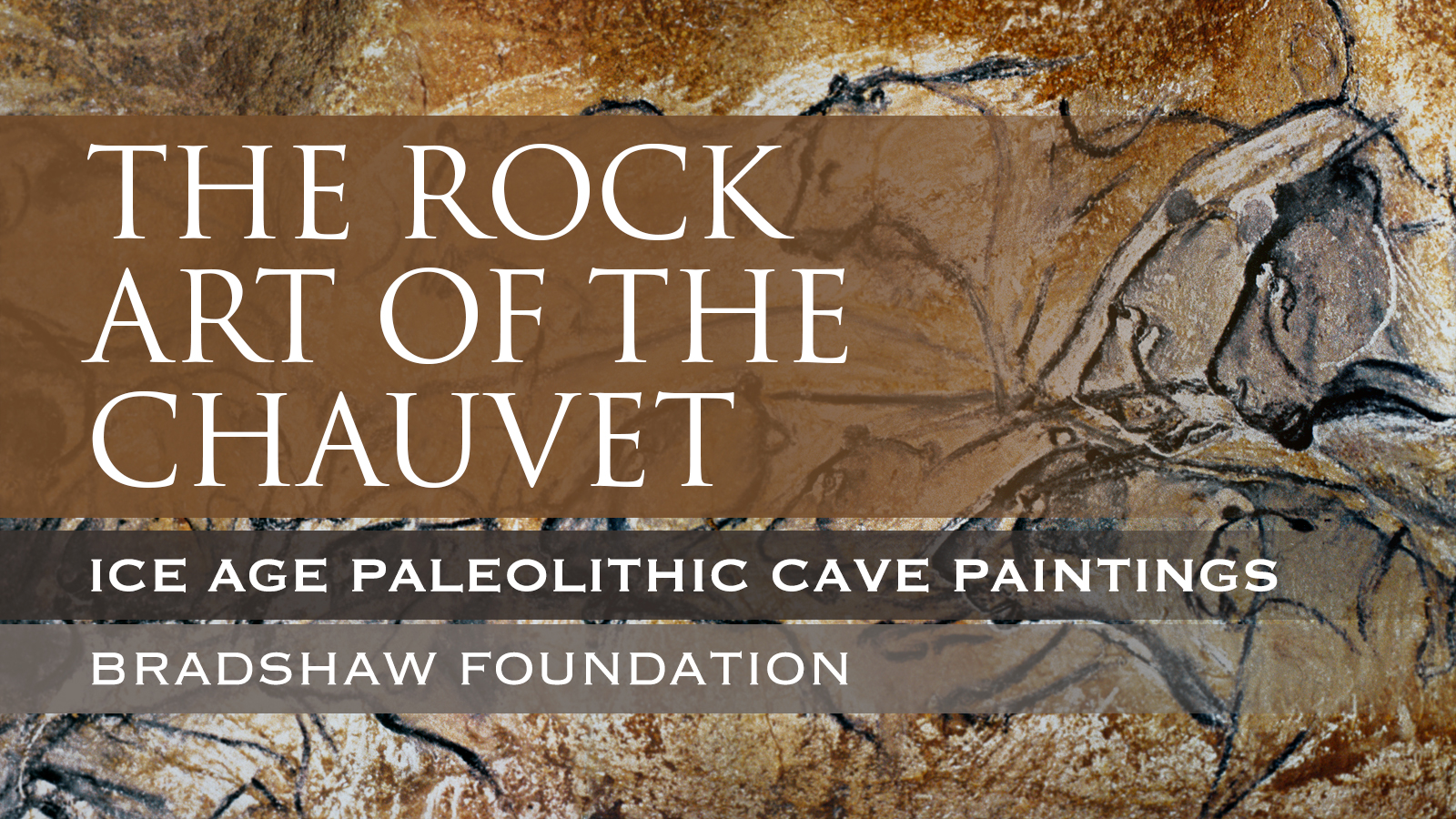
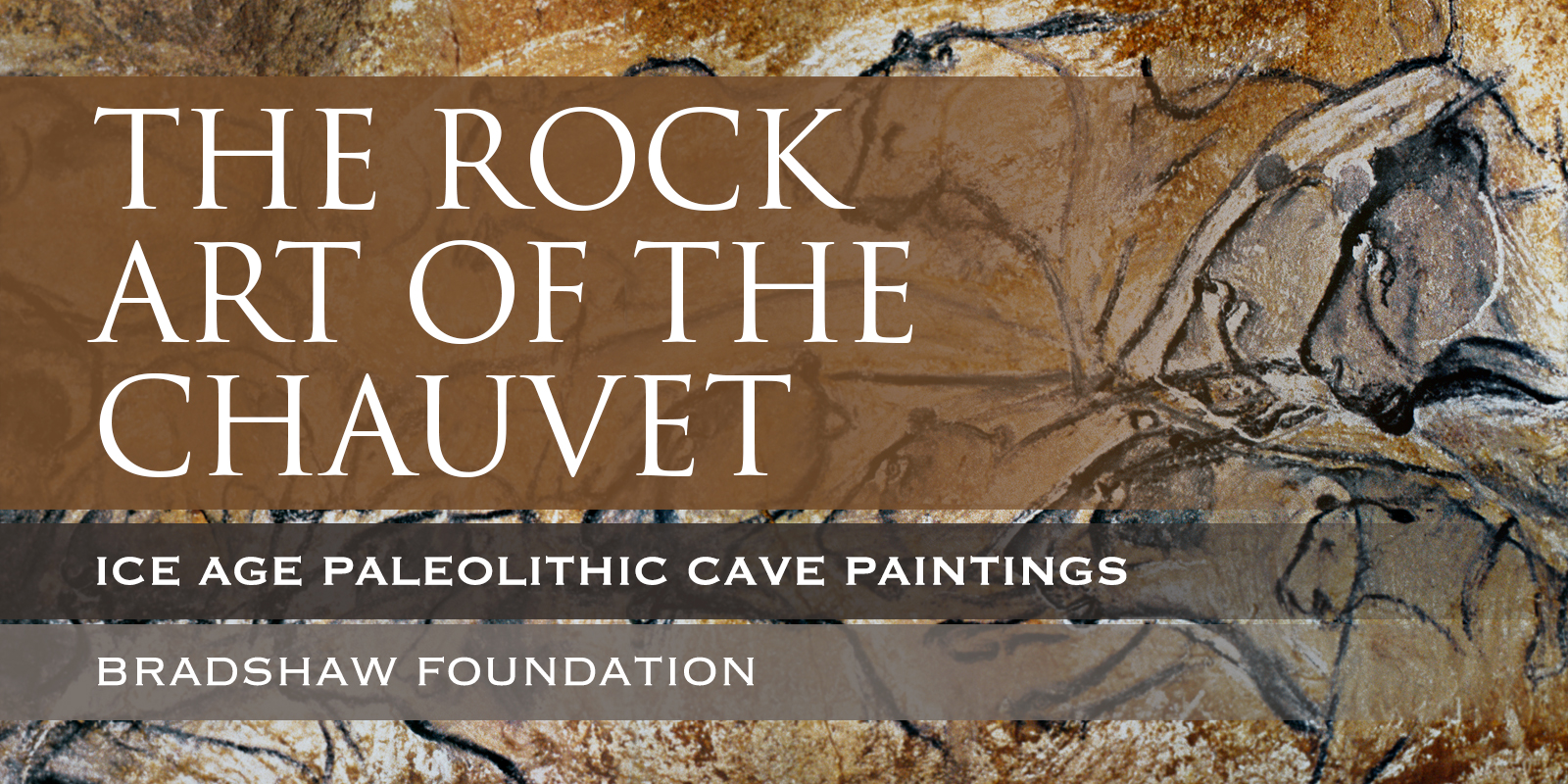
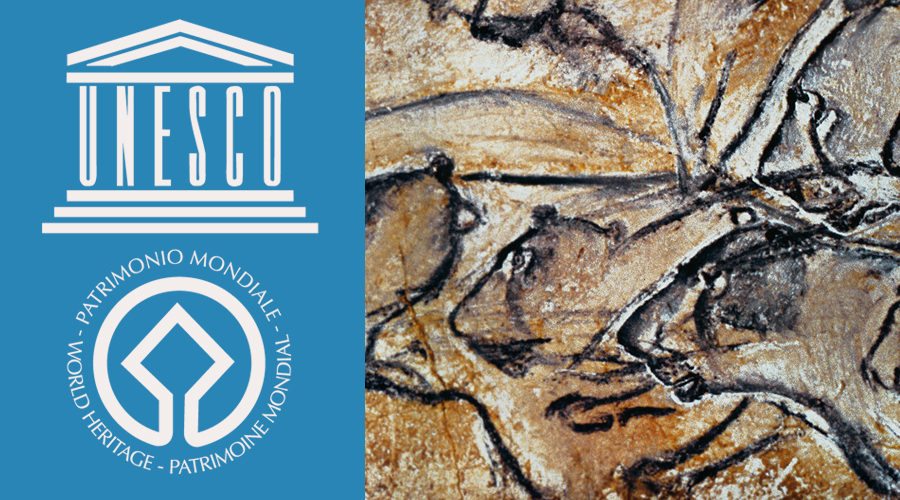
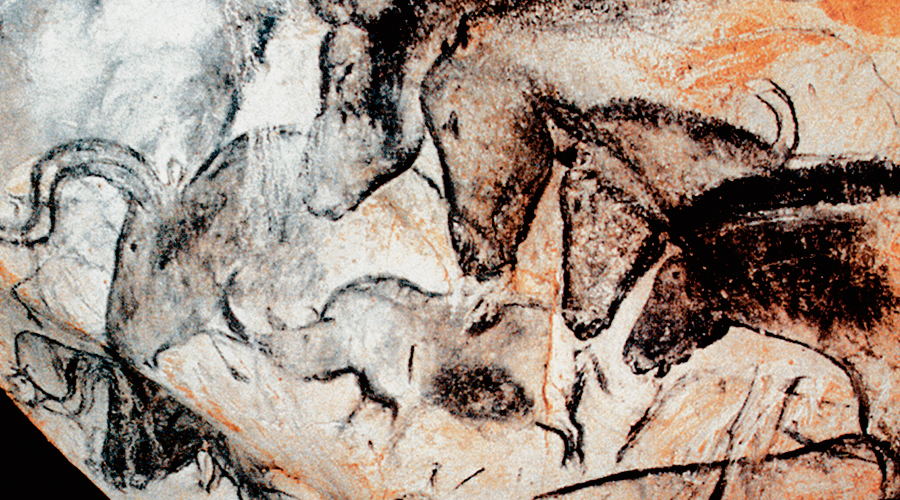
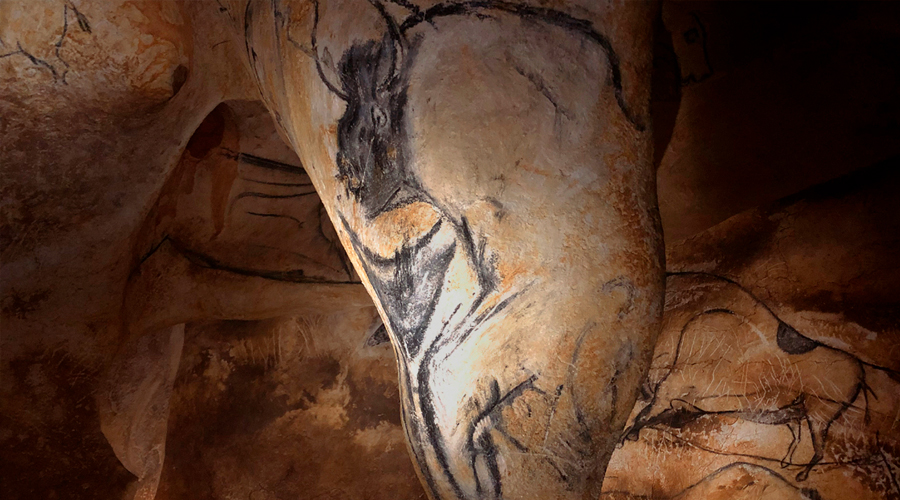
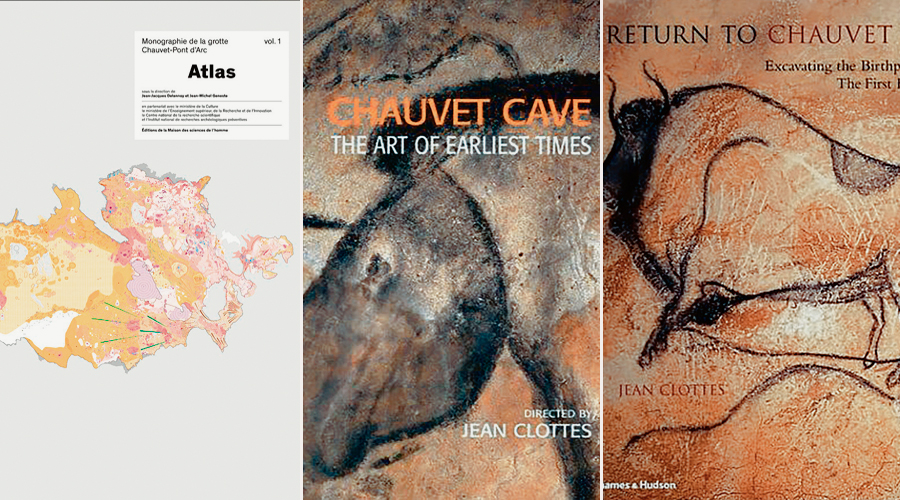
Chauvet Cave is exceptional – despite being recently discovered in 1994, it contains the world’s oldest rock art ever found. The Chauvet Cave is located near Vallon-Pont-d'Arc in the Ardèche region of southern France, its chance discovery by a trio of speleologists revealed not only the fossilized remains of many animals, including some that are now extinct, but one of the most extensive Palaeolithic rock art galleries ever recorded.


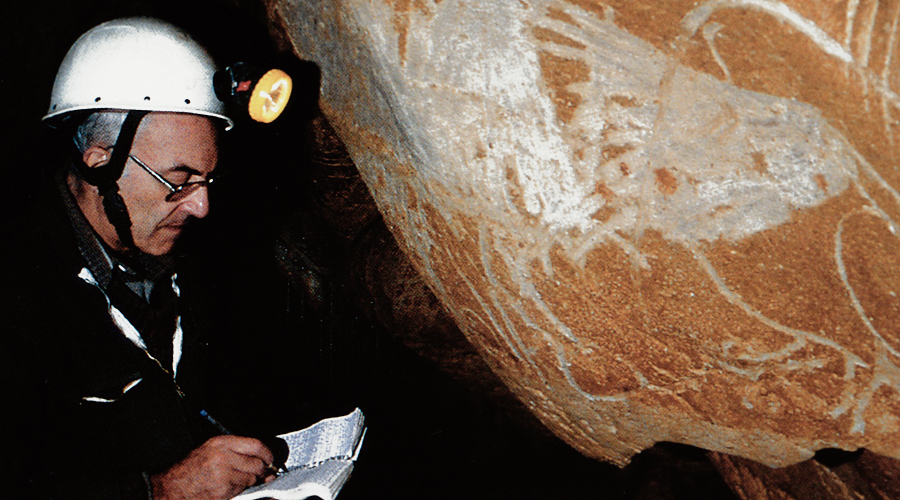
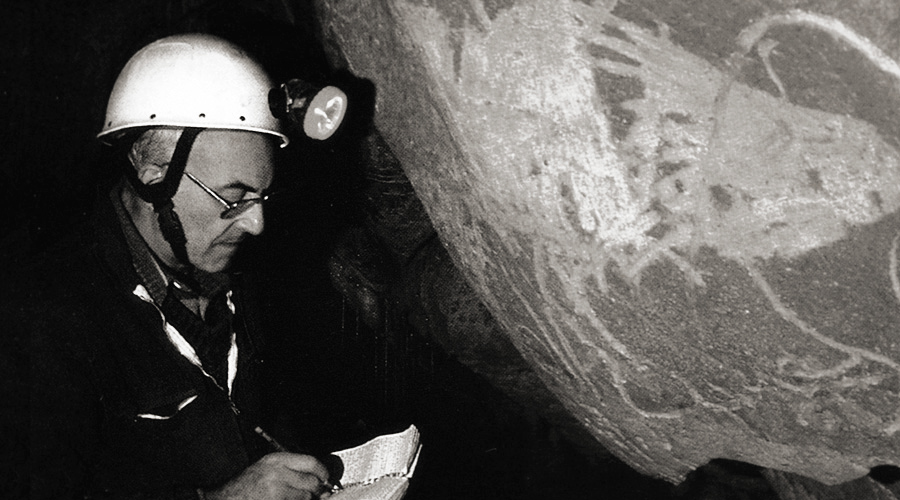
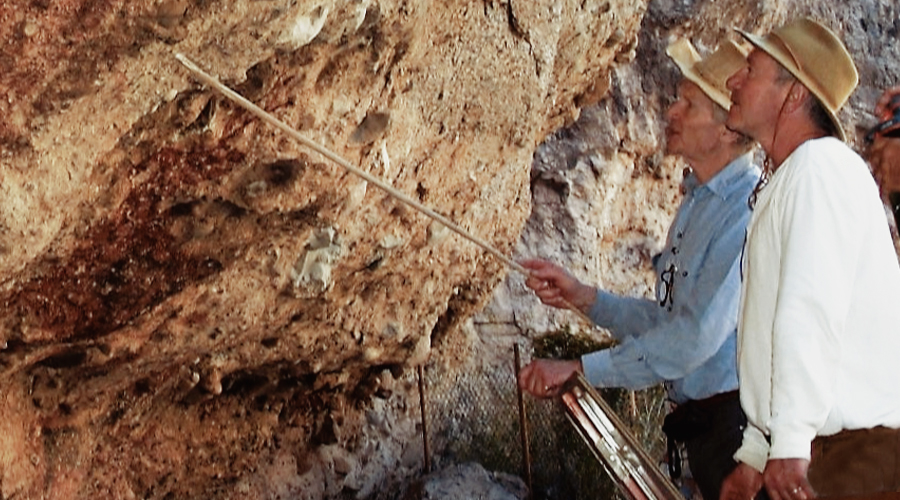
On inspecting Chauvet's rock art on behalf of the Ministry of Culture, Dr Jean Clottes realised instantly that the cave was of grave importance.

chauvet cave paintings

Megaceros
Extinct genus of deer

jean clottes chauvet

Dr Jean Clottes

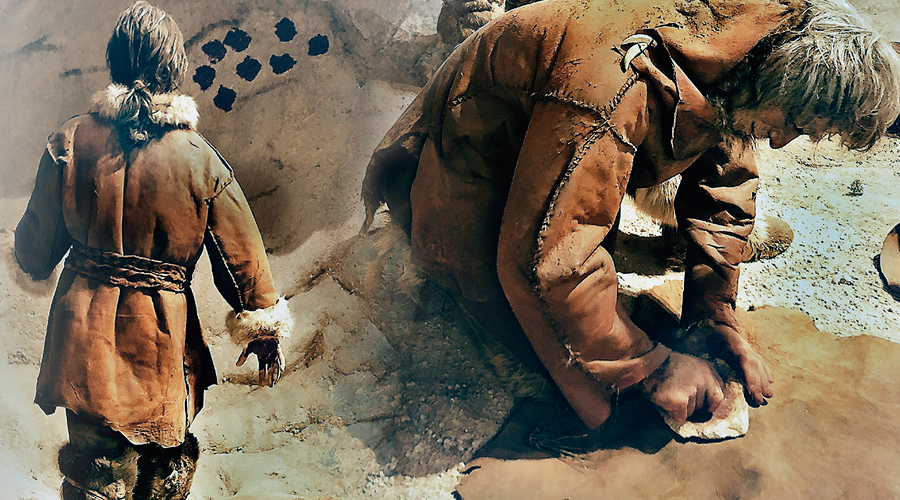
"When you examine a painted line under the magnifying glass, you notice that what appears as a continuous, unbroken line is in fact full of tiny gaps caused by erosion."

Not only was the art likely to prove extremely old, it was very extensive, highly varied, and very skillfully executed. But perhaps most importantly, the cave and its contents were more or less perfectly preserved – untouched for many thousands of years. For this reason, whilst the investigation of the cave took place and the age of the rock art was verified, the cave was locked down. Since 1994, more people have been to the top of Everest than into the Chauvet Cave.


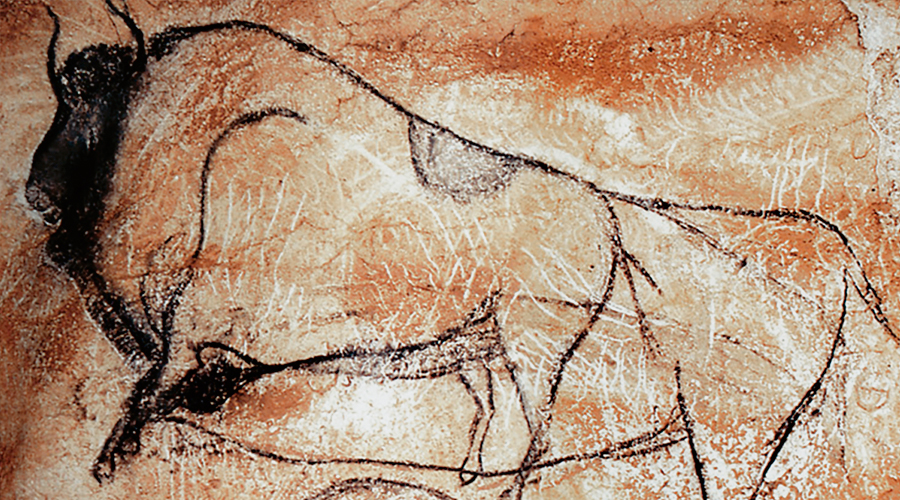
Six months later, carbon 14 dating analyses showed that one buffalo and two rhinoceros were approximately 31,000 years old. The datings "have revolutionised hitherto accepted concepts on the appearance of art and its development, and prove that homo sapiens learnt to draw at a very early stage".


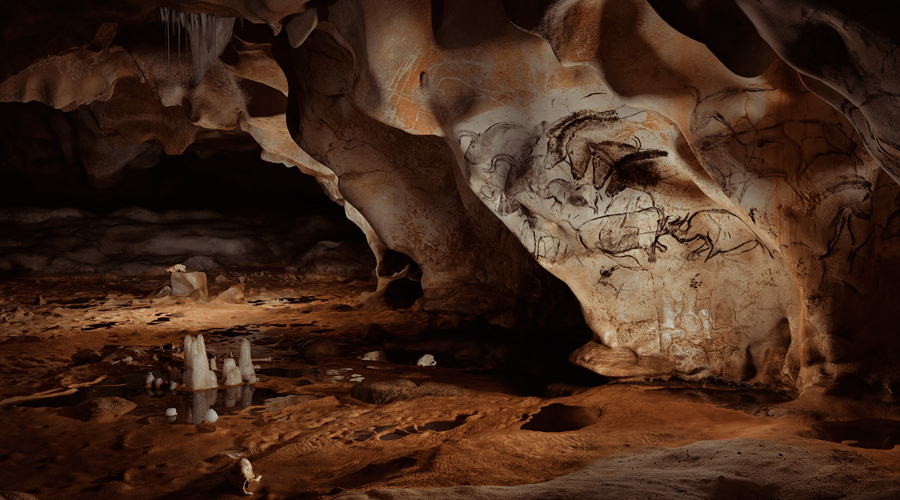
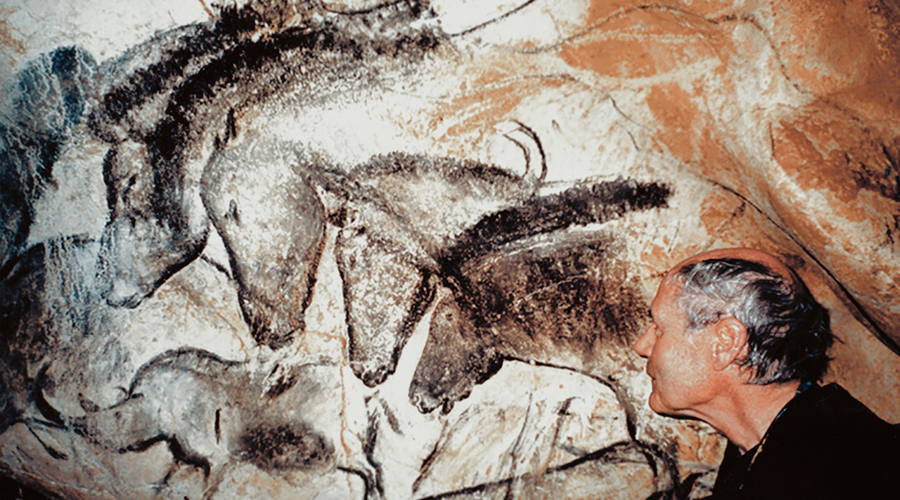
Hundreds of animal paintings have been recorded, depicting at least 13 different species, including those which have rarely or never been found in other Ice age paintings. Rather than the more usual animals of the hunt that predominate in Paleolithic cave art, such as horses, cattle and reindeer, the walls of the Chauvet Cave are covered with predatory animals - lions, panthers, bears, owls, rhinos and hyenas. As one would expect, there are no human figures, except at the very end of the gallery where there appears to be a Venus figure - the legs and genitals of a woman – attracting the attention of the figure now known as the ‘Sorcerer’ - the lower body of a man with the upper body of a bison. The scene would suggest a ritual, shamanic or magical aspect to these paintings.
chauvet cave paintings

Chauvet Cave Paintings


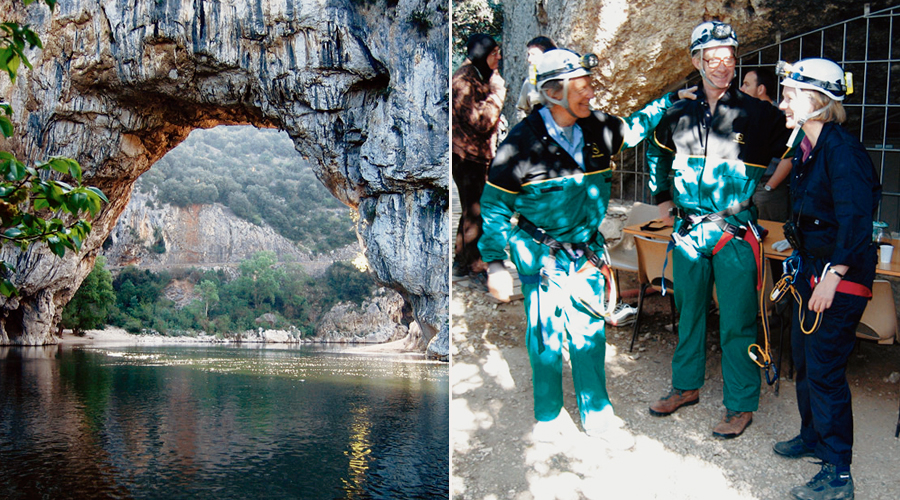
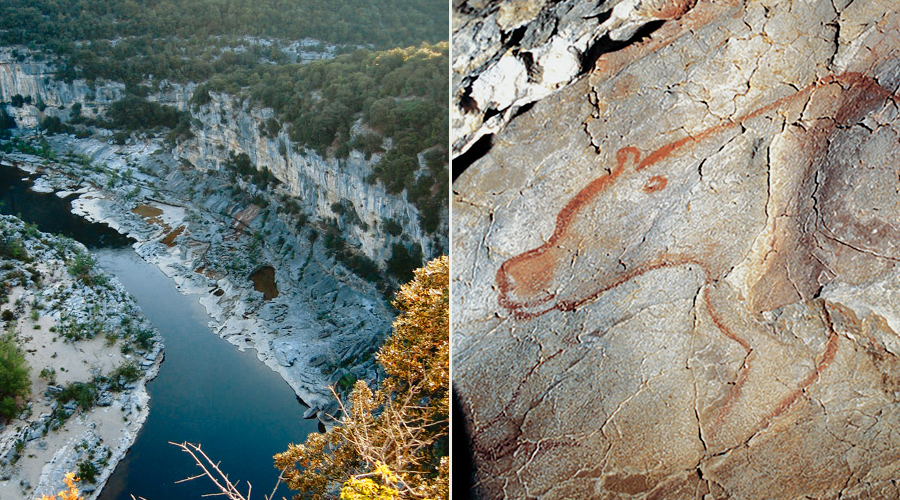
The gorges of the Ardèche region of France are home to numerous caves. Is Chauvet unique, or are there more marvels to discover?


The John Robinson visited the cave paintings of Chauvet in 1999 and returned to the Chauvet Cave in 2001. This was followed by a further field trip to the Chauvet Cave in 2005 by the Bradshaw Foundation. Reports of these visits can be found in this section.


rock art cave paintings dvd

rock art cave paintings T-Shirts


| Chauvet Intoduction | 2005 Expedition | 2001 Expedition | 1999 Expedition | Venus and Sorcerer |
| Paintings Gallery | Publications | Paleolithic Art in France | Other French Caves |

If you have enjoyed visiting the Cave Paintings of Chauvet section of this website
please consider adding a link to www.bradshawfoundation.com/chauvet


| Bradshaw Foundation Site Map | Friends of the Foundation |