15 July - 15 October 2014
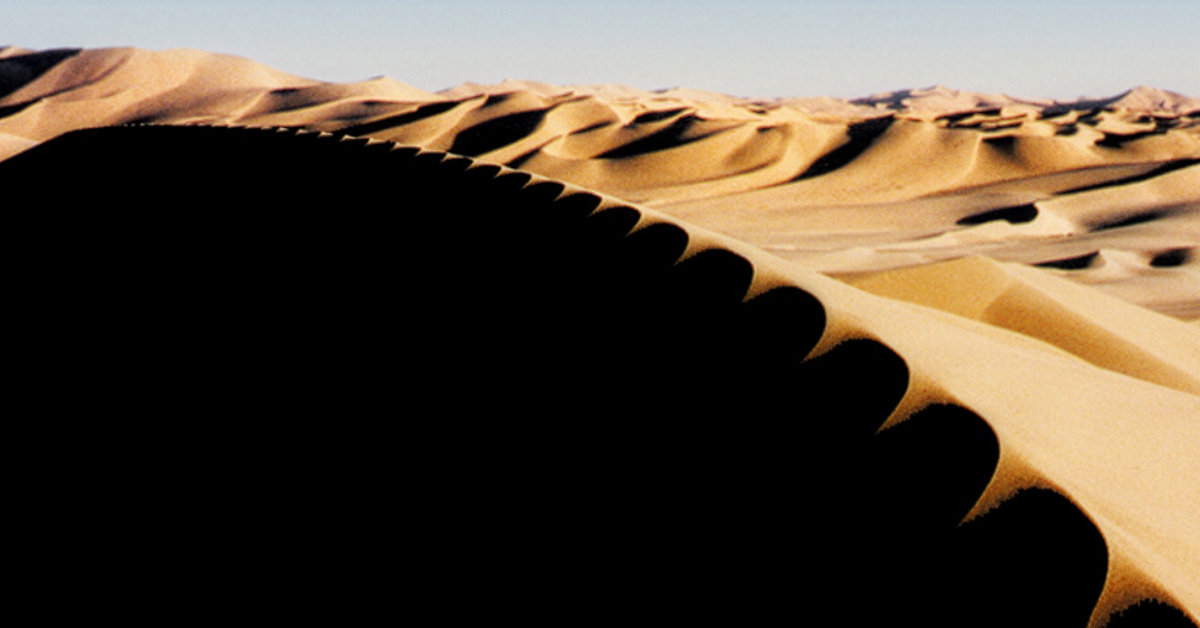
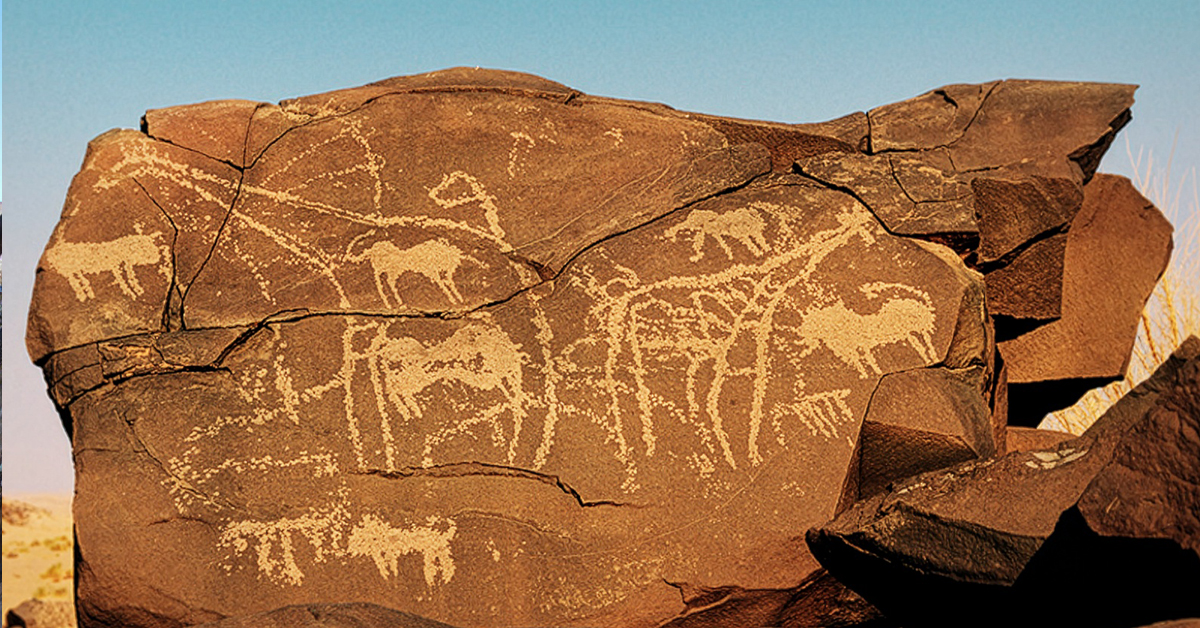
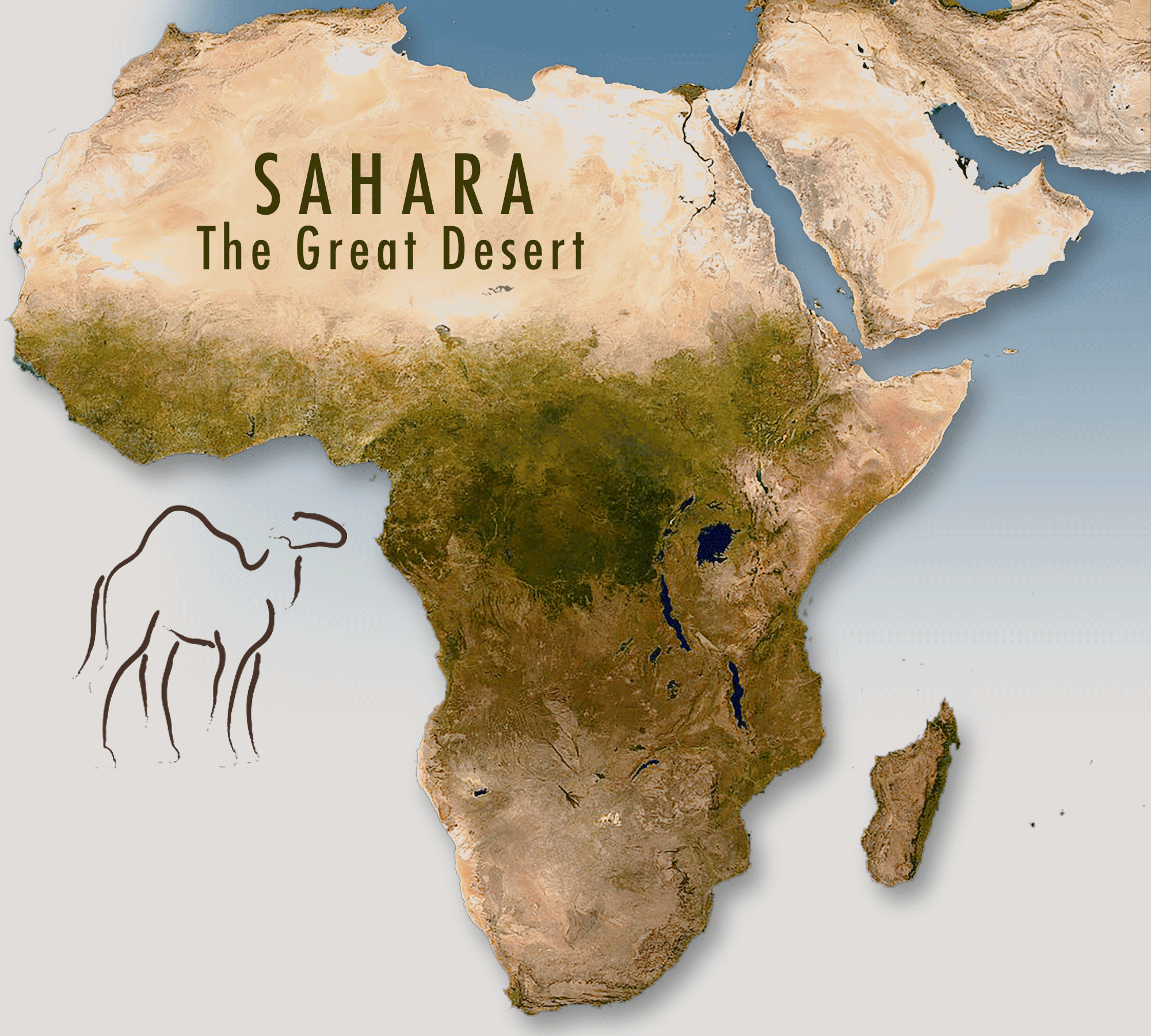
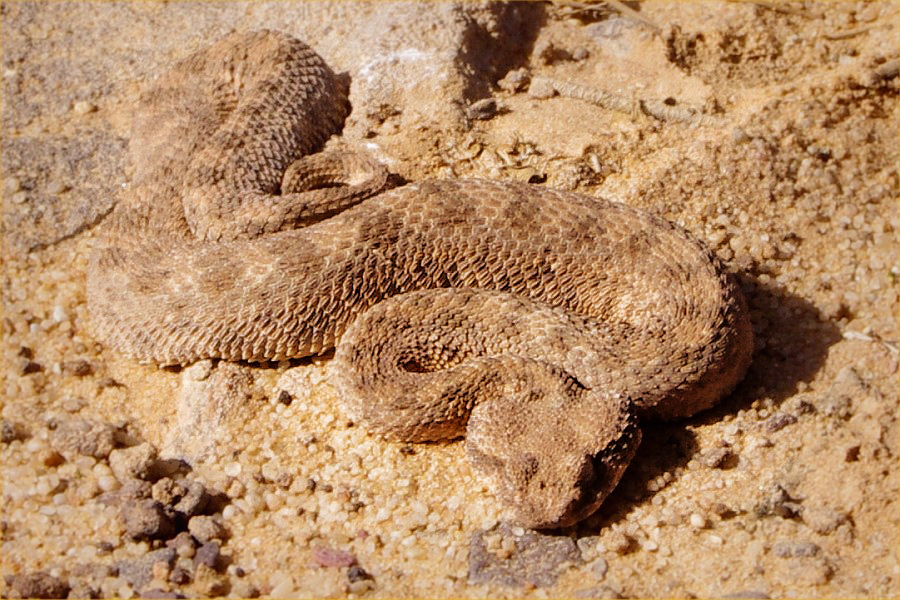
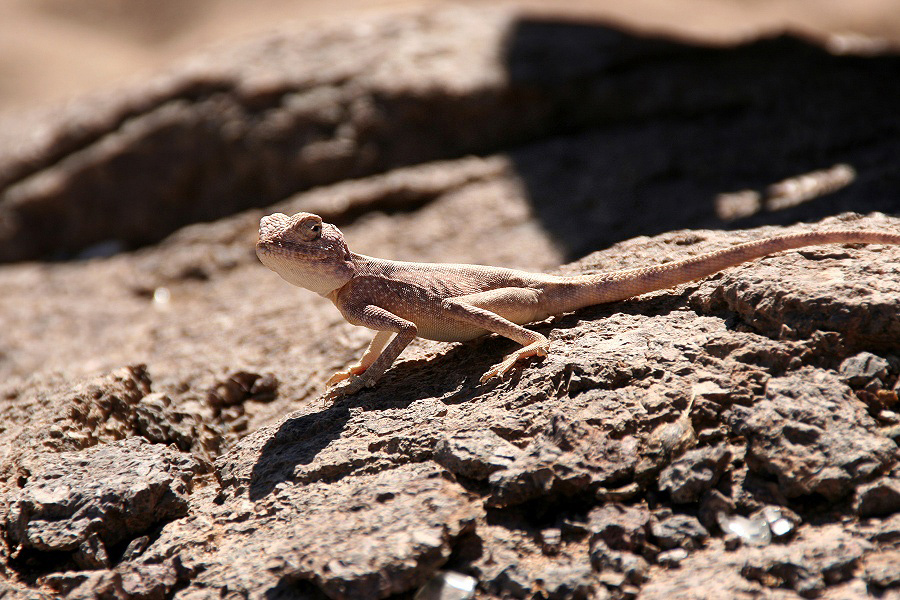
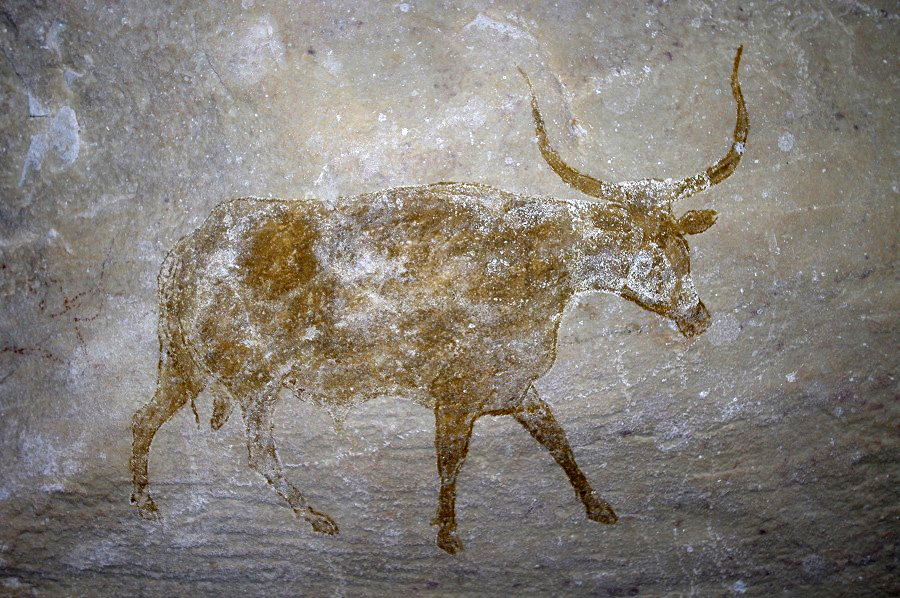
Exploring the vast Sahara desert through the lens of its archaeological past, this exciting new exhibition is bringing the various cultural facets of time and space to life. The largest desert in the world, the Sahara resides over 9 million square kilometres; take a journey from the origins of the desert to the cultures still living in the Sahara today. Exhibition curator Scott Mallen states that "we can do all sorts of things to try and control the elements, but the Sahara has never been tamed." And yet despite this, cultures have left indelible marks - works of art, painted and carved, representing beliefs and values of cultures past and present, including the world's largest animal petroglyph, the Dabous giraffe carvings of Niger.
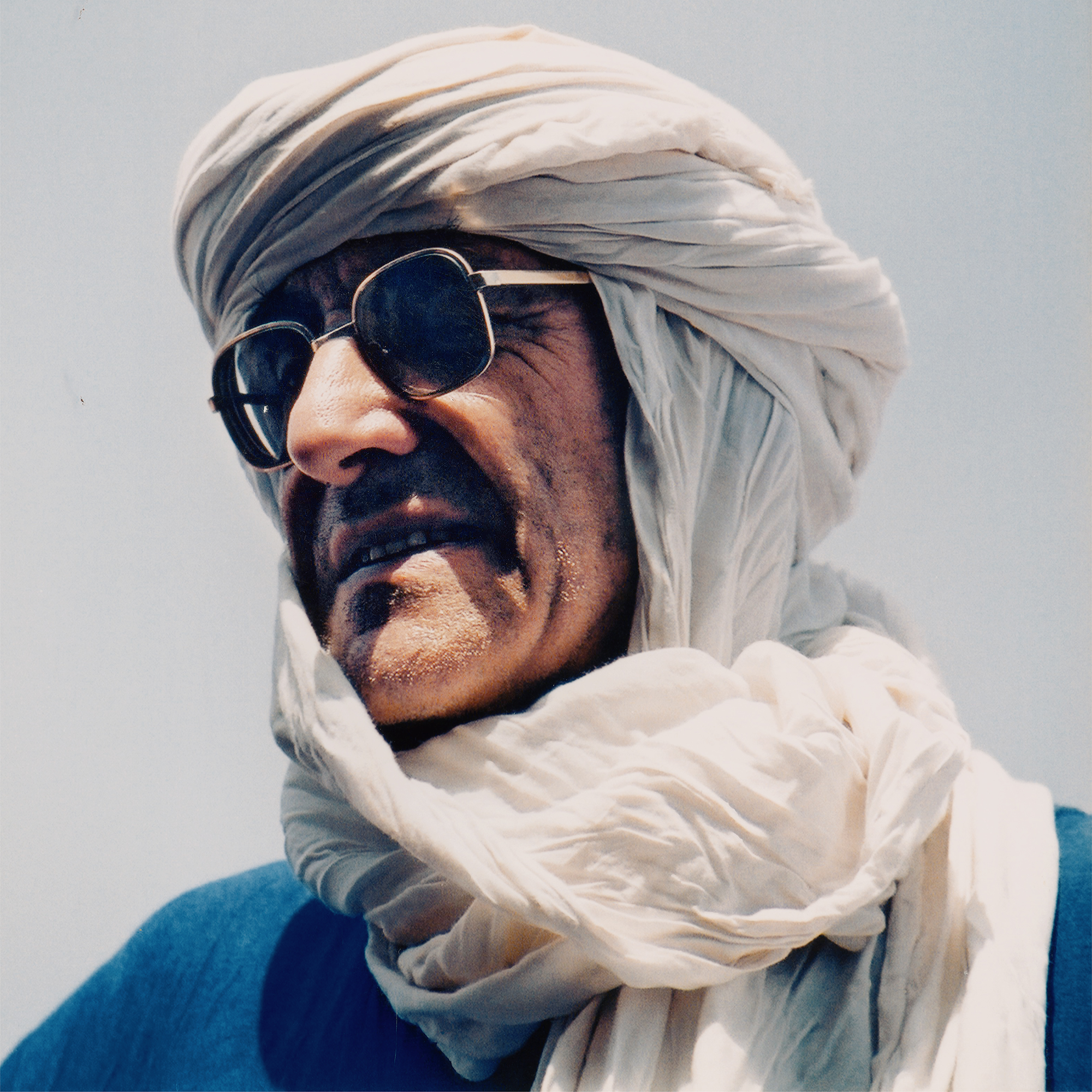
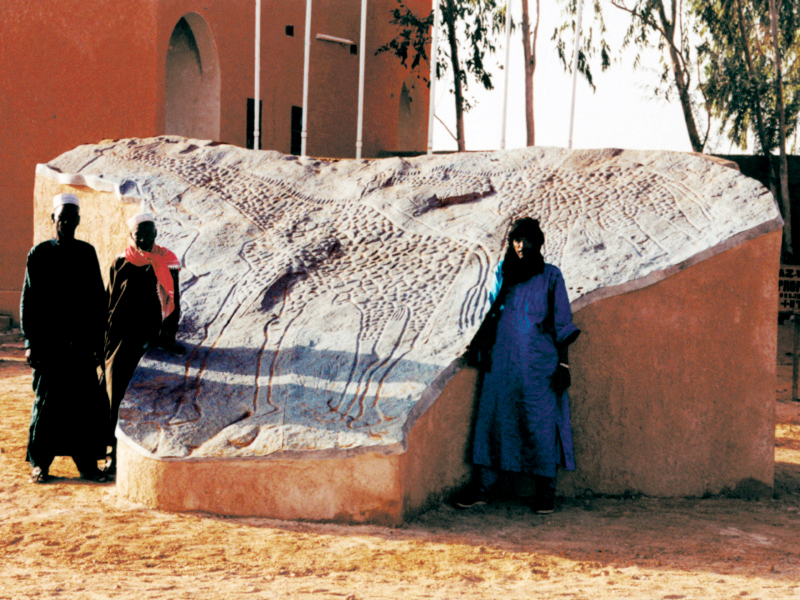
The two life size giraffe carved at Dabous in Niger are one of the finest examples of ancient rock art in the world. Because of their artistic significance and placement within a palaeo-African context of a greener Sahara, the Bradshaw Foundation carried out a project of preservation, under the auspices of UNESCO, to ensure the carvings would be protected for future generations.
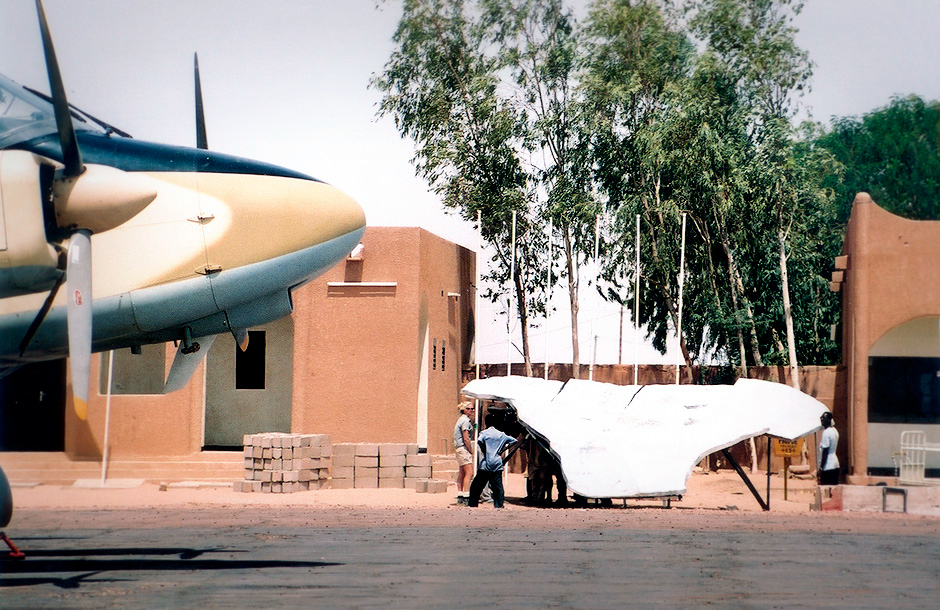
An aluminium cast of the Dabous Giraffe was donated to Niger subsequently, and placed in Agadez, the small desert town nearest to the Dabous site, in the hope of encouraging the preservation of rock art sites as well as generating an eco-tourism for the region. The preservation project allowed the Bradshaw team to further explore this part of the Sahara, the Tenere Desert, with the eminent French prehistorian Dr. Jean Clottes, where numerous examples of rock art and archaeological artefacts were discovered.
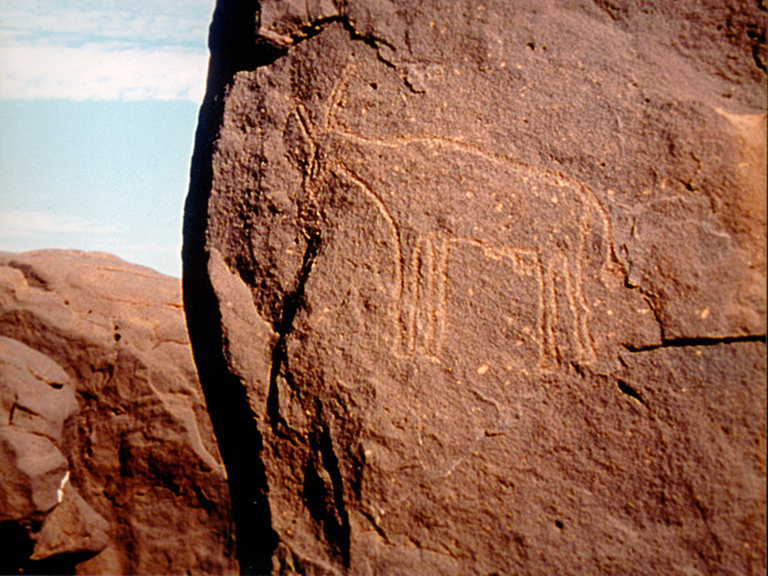
After the moulding of the big giraffes had been successfully carried out in 1999, Jean Clottes suggested a complete the recording of the engravings in the Dabous ensemble, because they provided their context. In 1999, he had completed the map of the Dabous sandstone outcrop, with the help of his wife Renee. Working in two teams (David Coulson and Alec Campbell on one hand, Renee and Jean on the other) they also recordeded 430 engravings and filled as many descriptive forms. It is reckoned - 1999 - that the Dabous could number about 600 petroglyphs in all.










- The Rock Art of Africa
- Tassili n'Ajjer
- The Dabous Giraffe Petroglyph, Niger
- The Rock Art of Niger
- The Rock Art of Namibia
- The Rock Art of South Africa
- Hunter-gatherer rock art sites in Africa
- Gilf Kebir - Cave of Swimmers
- Animals in Rock Art
- Rock Art of Western Central Africa
- Where is the Oldest Rock Art?
- Africa's World Heritage Sites (Film)