Ancient Egyptian deities were a fundamental part of ancient Egyptian religion and were worshiped for millennia, they formed one of the largest and most complex pantheons of gods of any civilization in the ancient world. Egyptian deities ruled over natural and social phenomena, as well as abstract concepts. These gods and goddesses appear in virtually every aspect of ancient Egyptian civilization, and more than 1,500 of them are known by name.
Many Egyptian texts mention deities' names without indicating their character or role, while other texts refer to specific deities without even stating their name, so a complete list of them is difficult to assemble. Most had a principle association (for example, with the sun or the underworld) and form. But these could change over time as gods rose and fell in importance and evolved in ways that corresponded to developments in Egyptian society.
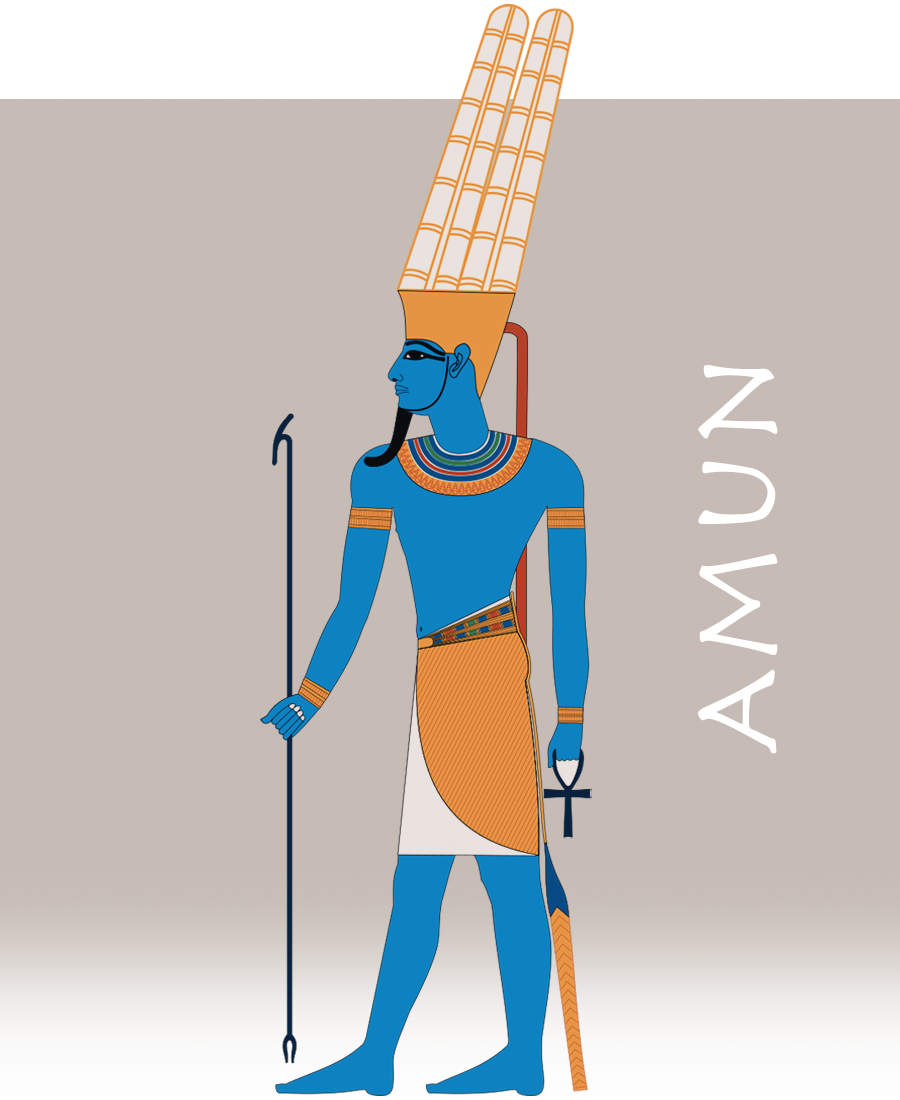
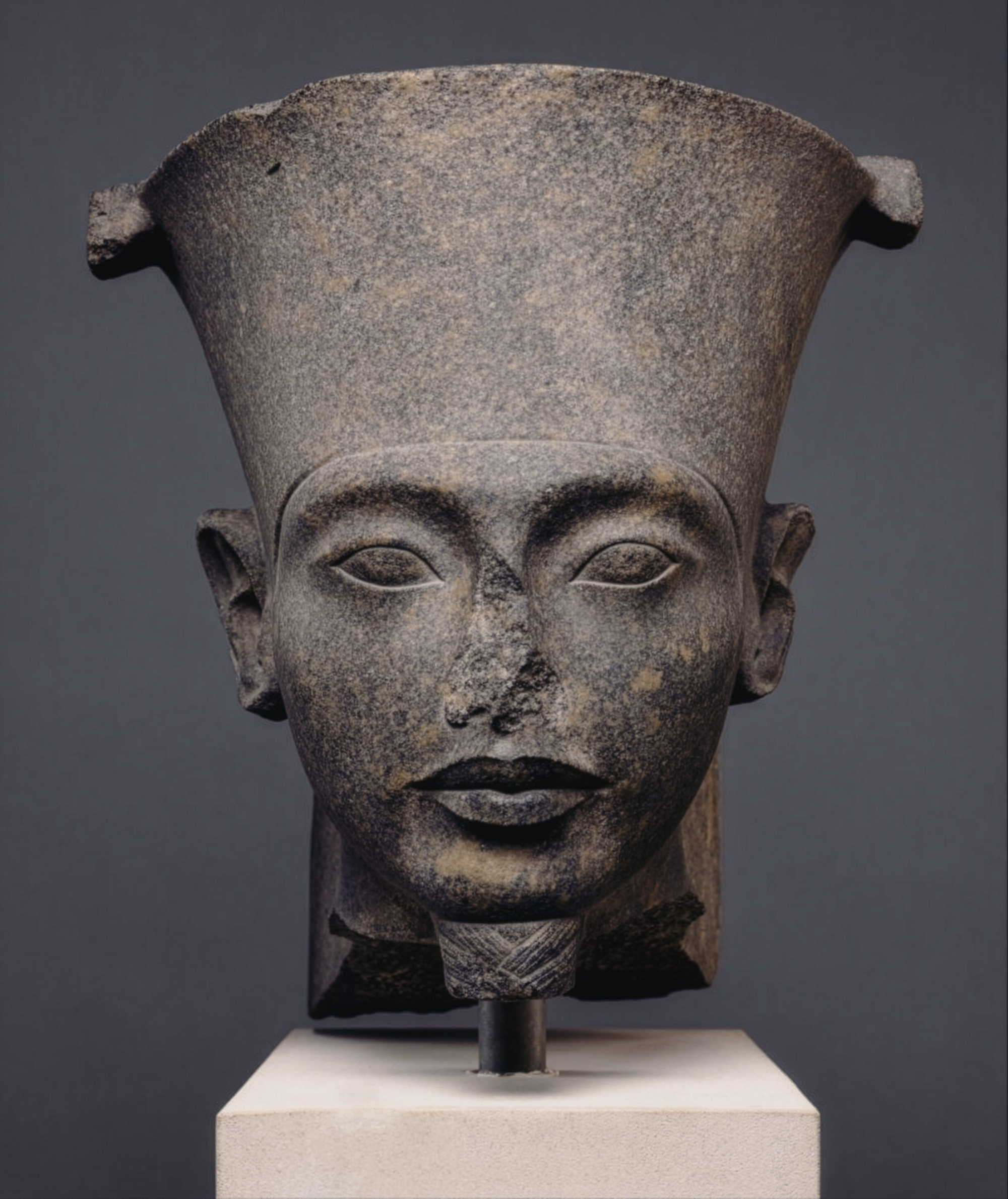
Amun is often depicted as a man wearing a tall double-plumed crown, sometimes as a ram or a ram-headed man (symbol of fertility and strength). In combined form Amun-Ra often appears with solar imagery.
Major centers of worship for Amun include Karnak Temple Complex in Thebes/Luxor, the primary cult center with vast temples built by many pharaohs. As well as Thebes, Siwa Oasis was home of the famous Oracle of Amun, visited even by Alexander the Great.
In his role in Egyptian beliefs, Amun represented:
- Creation - a self-created deity whose hidden nature suggests creation from the unseen.
- Kingship - pharaohs often called themselves “the son of Amun.”
- Wind and air - invisible yet powerful.
- Protection & fertility - invoked for both political and personal prosperity.
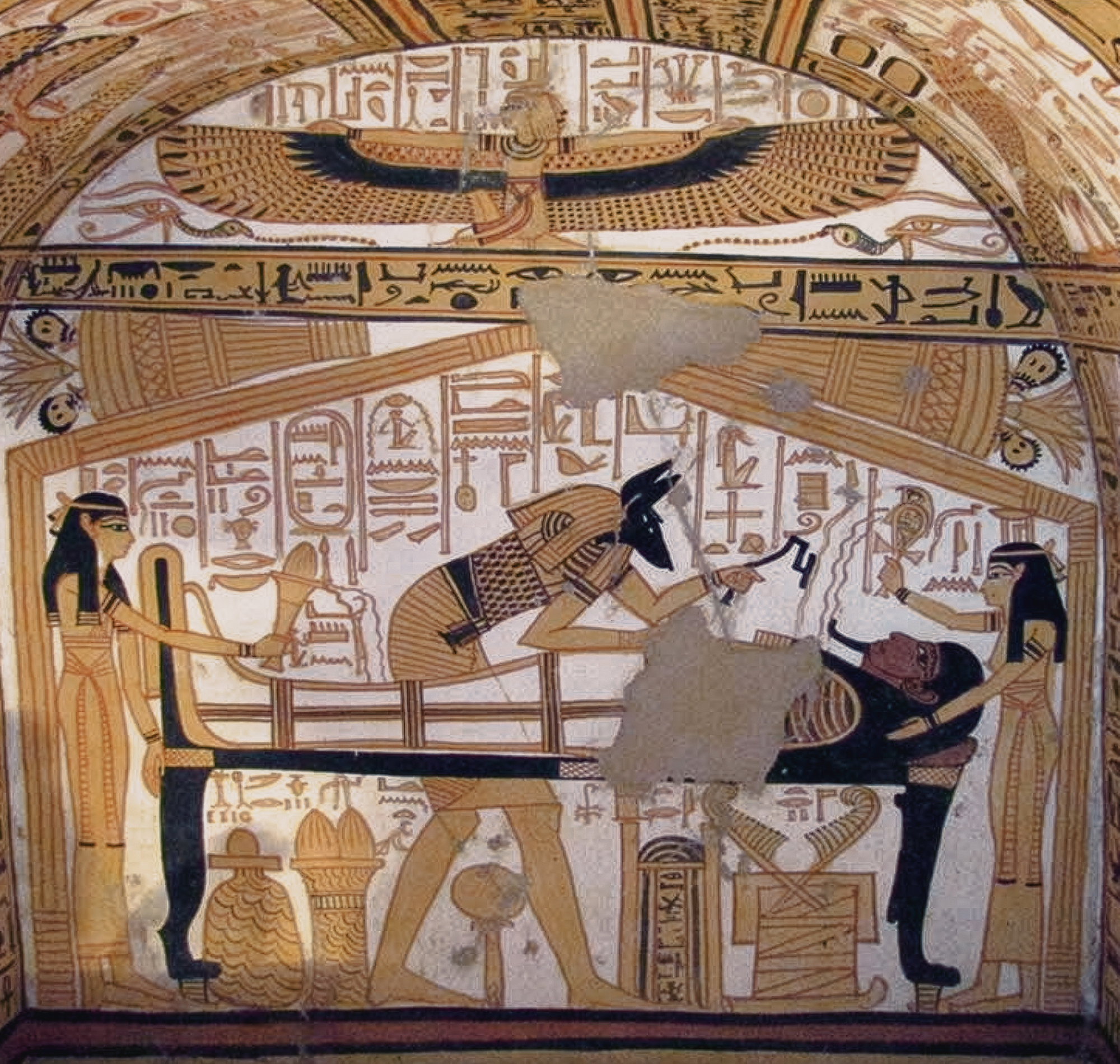
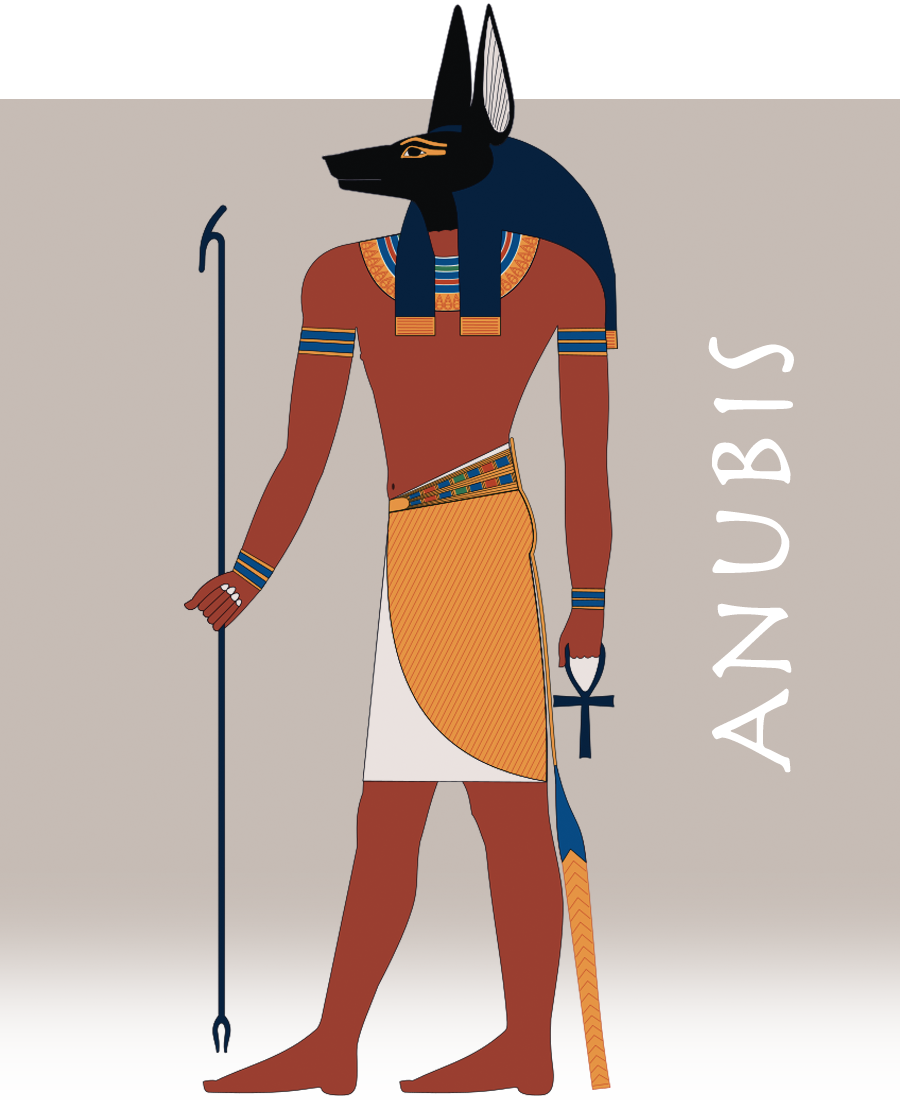
Anubis conducted the “Weighing of the Heart” ceremony in which the heart is weighed against the feather of Ma’at (truth) to determine whether a soul is worthy of entering the afterlife. Anubis is Venerated throughout Egypt, especially in areas with necropolises (cemeteries) and a major cult center was Cynopolis ("City of the Dog:).
While Anubis had a role in the judgment of souls, Osiris was the god of the afterlife and resurrection. Some myths suggest that Anubis was originally the son of Osiris, though other traditions mention that Anubis was the son of Nephthys and Set. In the most common story, Anubis was adopted by Osiris and played a significant role in embalming Osiris after his death.
In his role in Egyptian beliefs, Anubis represented:
- Protection
- Purification
- Transition from life to death
- Justice and truth
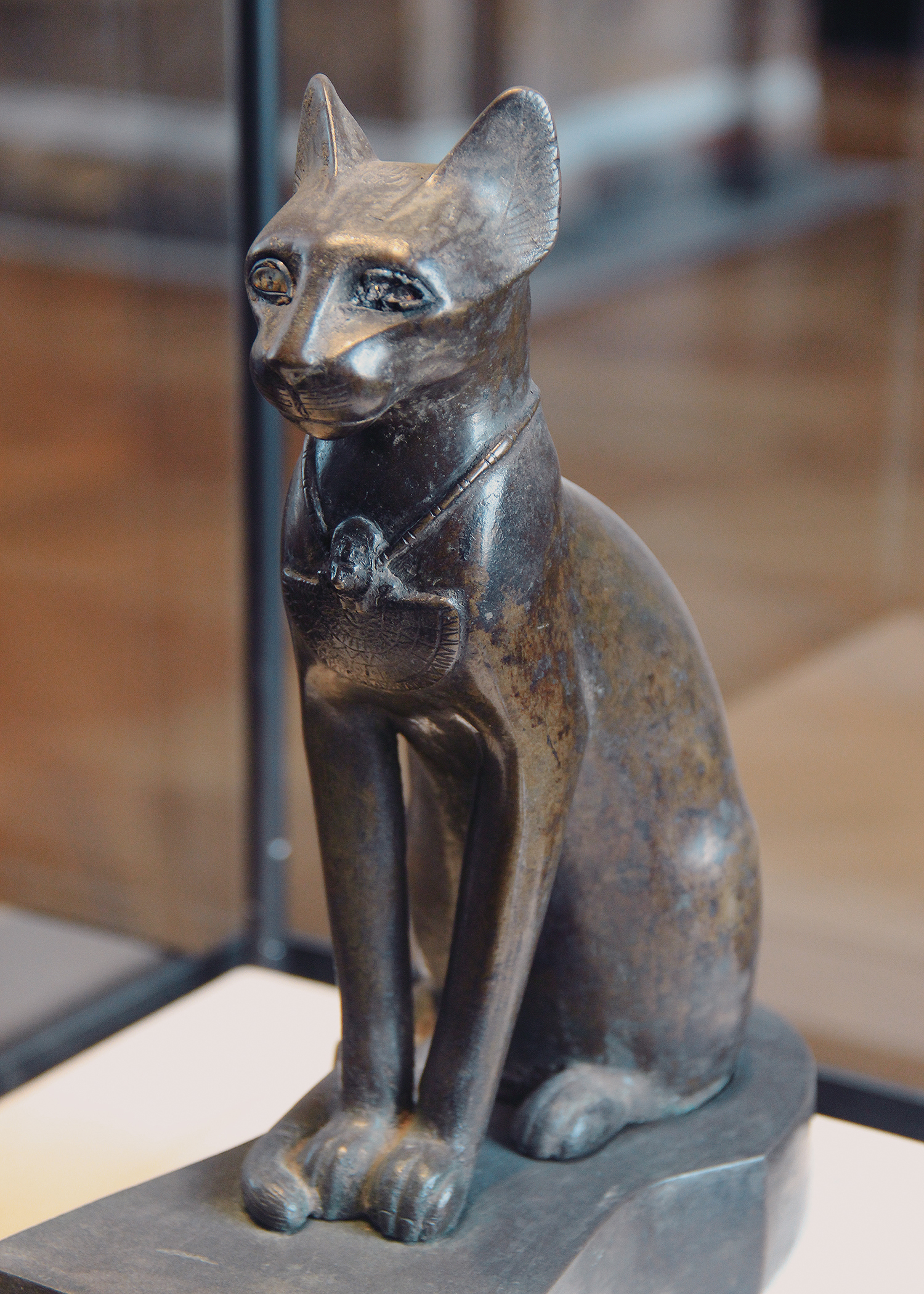
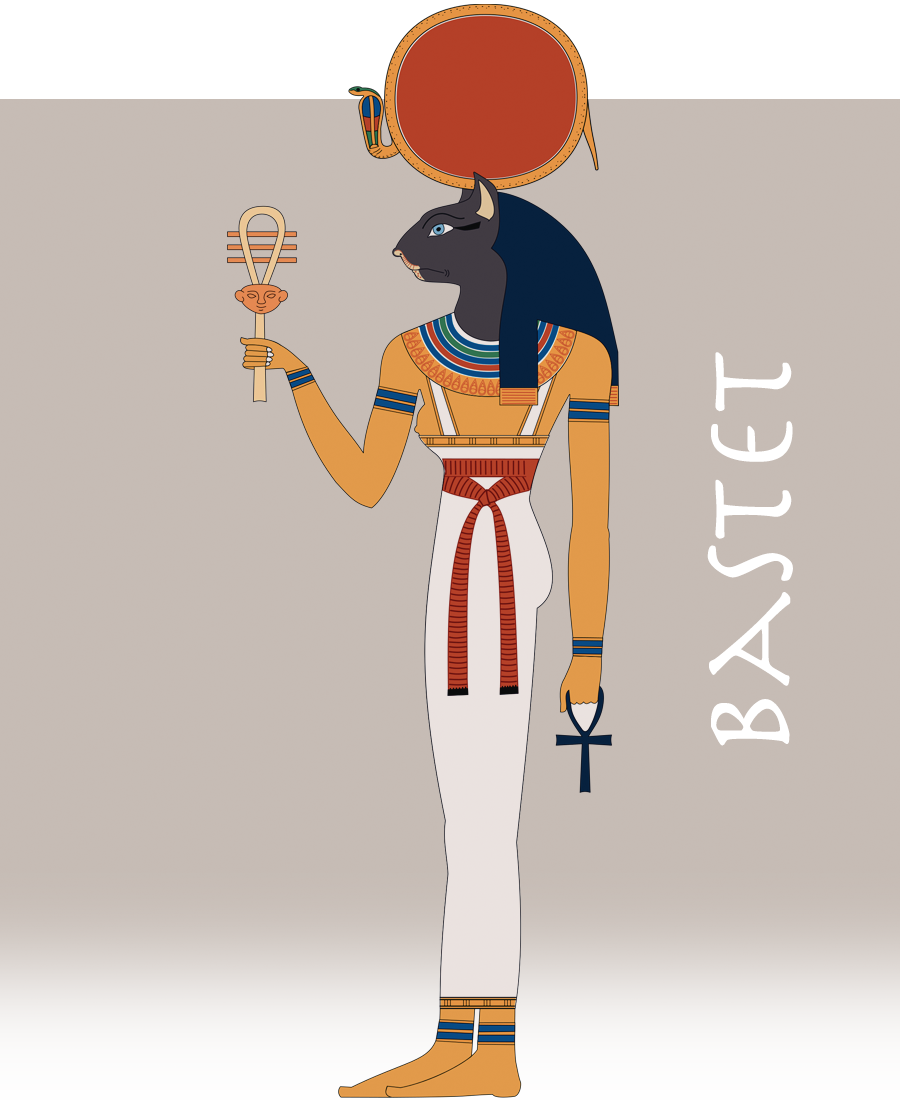
Often depicted as a lioness-headed woman in early periods she is later, and more commonly shown as a woman with the head of a domestic cat, or sometimes as a full cat.
Bastet, is regarded as a protector of homes and families, Goddess of music, dance, pleasure, and celebration. She is a defender against evil spirits, diseases and a gardian against snakes and misfortune. Bastet is also associated with motherhood and fertility.
Her main enter of worship of Bastet was Bubastis (Tell Basta) in the Nile Delta, annual festivals for Bastet were some of the largest and most joyful in Egypt.
In her role in Egyptian beliefs, Bastet represented:
- Protectress of the Home
- Fertility and Women’s Secrets
- Warrior and Lioness
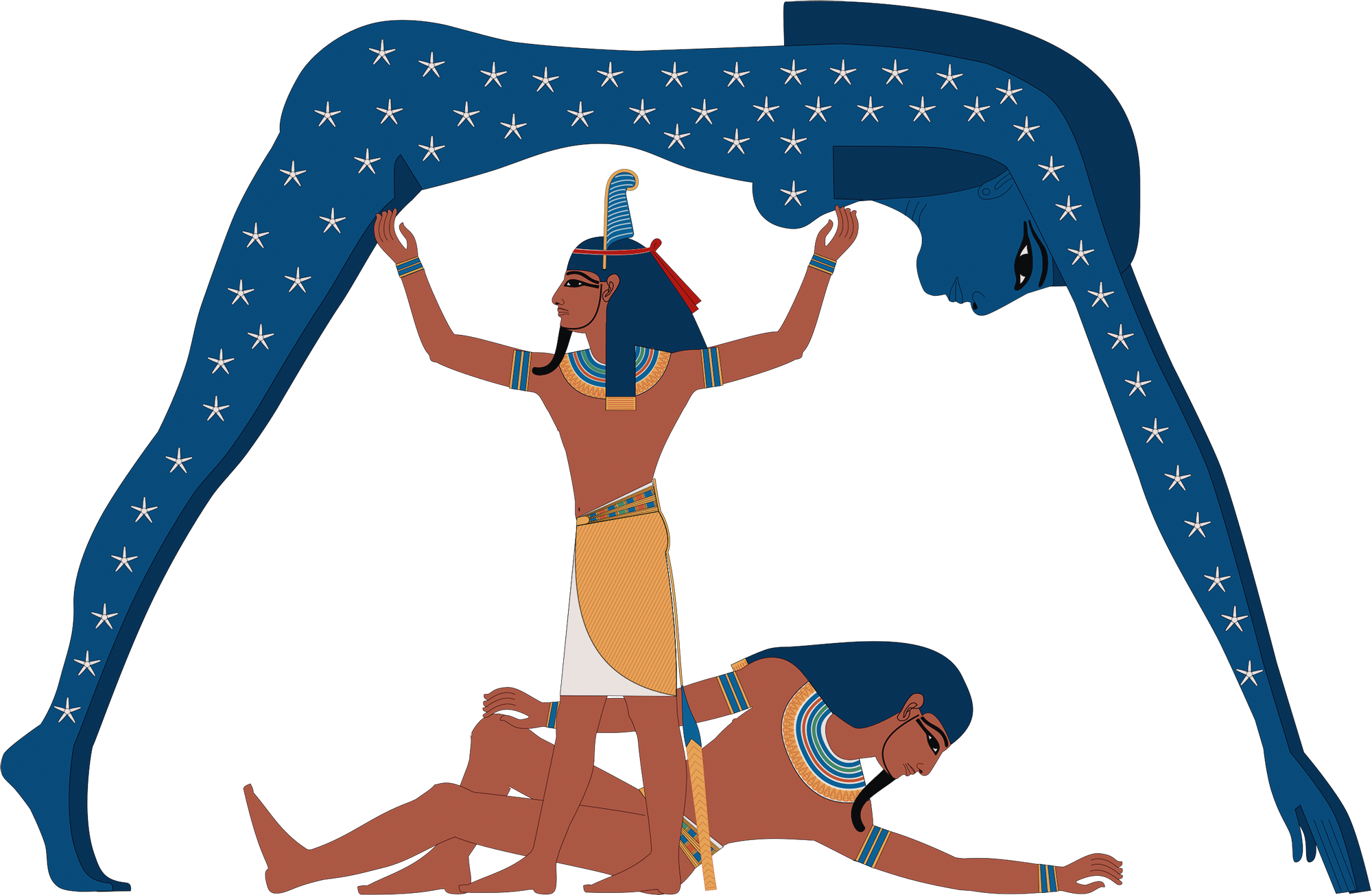
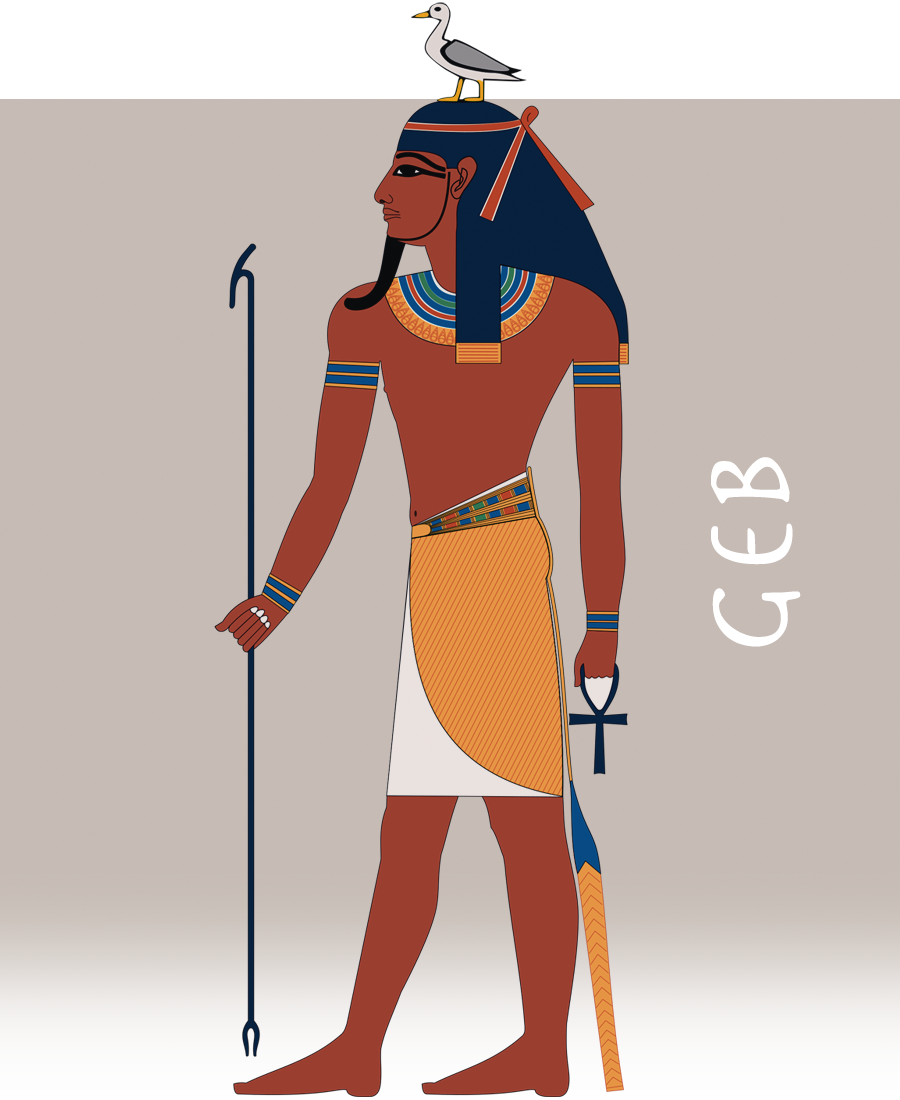
Geb was also considered the ruler of the earth’s creatures, including animals, and played a significant role in the cosmic order. He was sometimes shown as a judge in the afterlife, with his decisions affecting the souls of the dead. In some depictions, Geb is shown with a goose's head, and that’s where the word "Geb" might even come from, since "goose" is pronounced "Geb" in Egyptian.
It was believed in ancient Egypt that Geb's laughter created earthquakes and that he allowed crops to grow.
One interesting myth about Geb is his rivalry with his brother Osiris. Geb was said to be part of the creation of the world but also involved in struggles that shaped the roles of other gods, particularly the later god Osiris, who would become king of the dead.
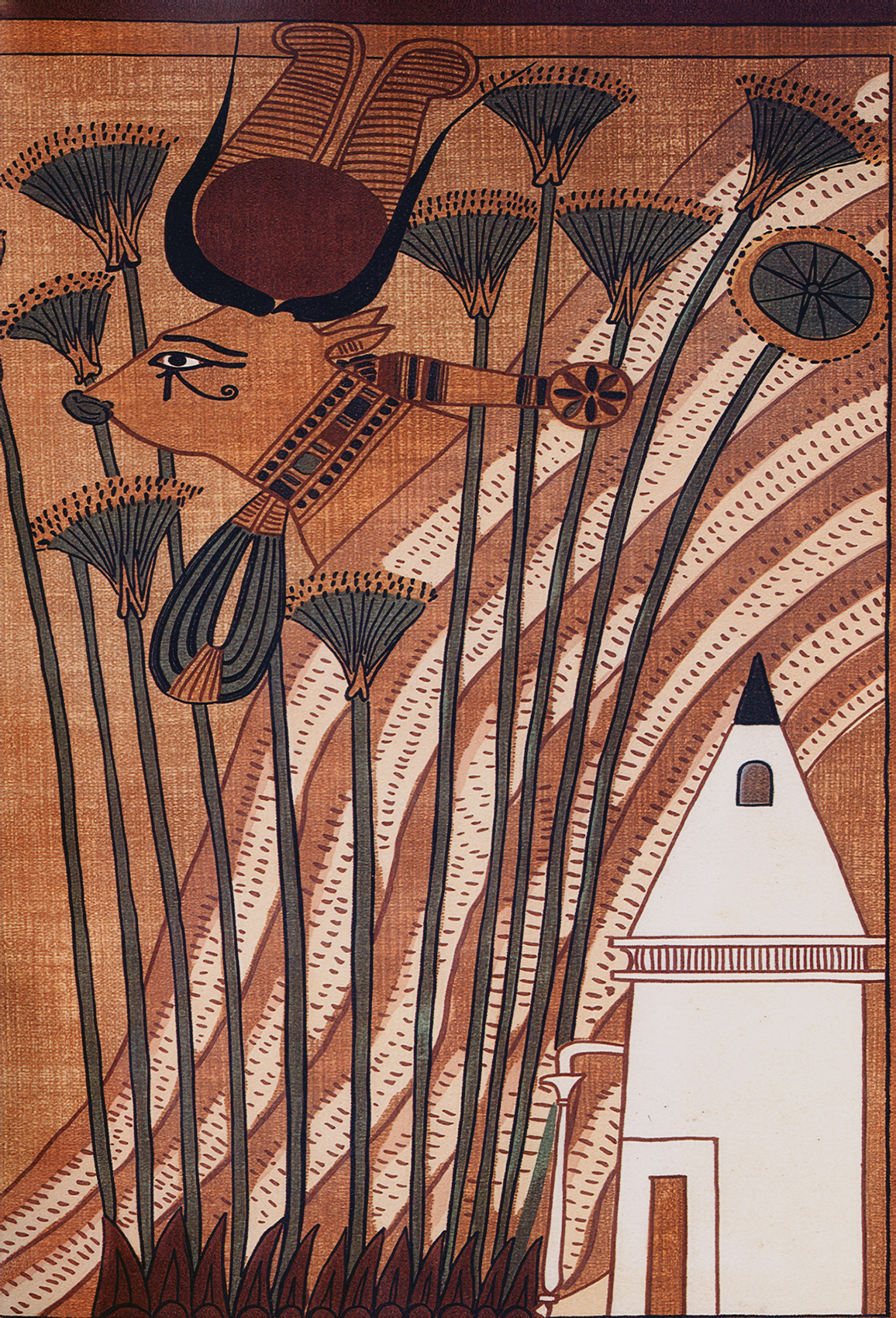
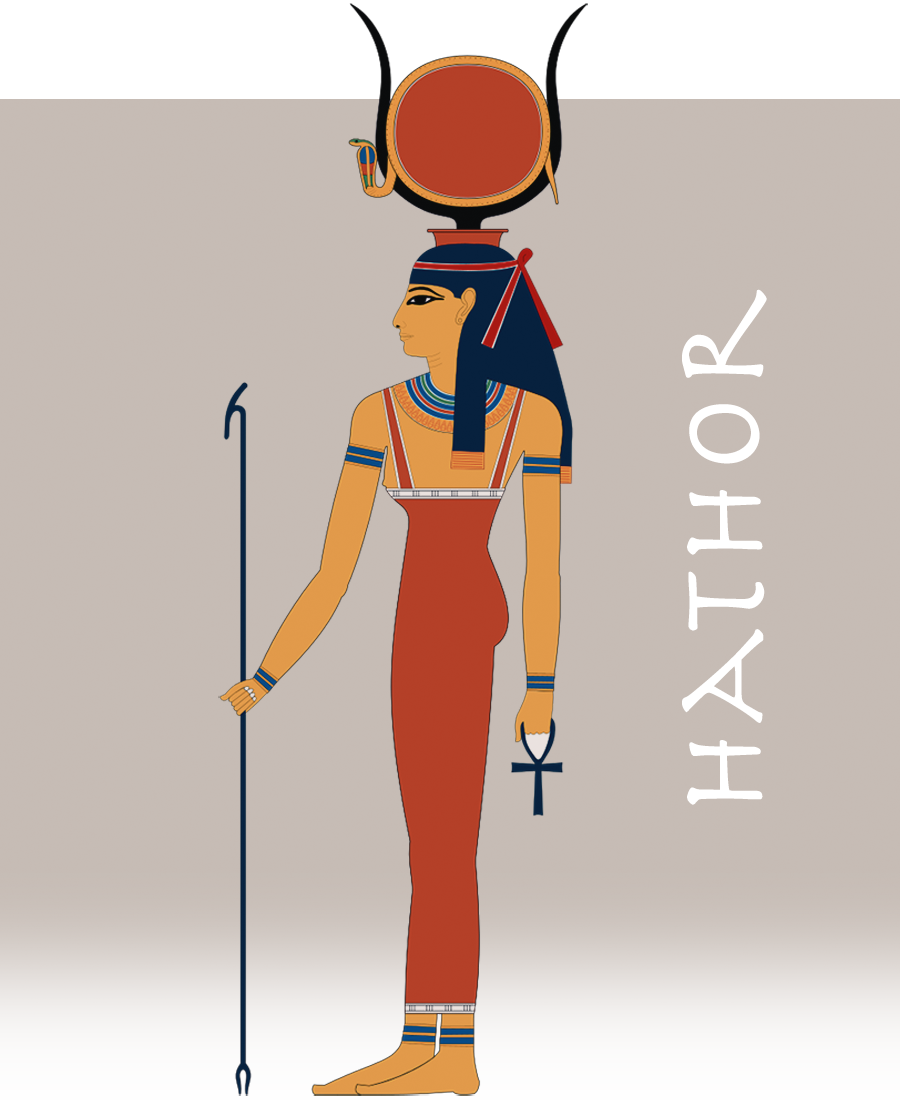
Hathor was also considered a goddess of joy and celebration, often linked to both the afterlife and the nurturing aspects of life. In many depictions, Hathor was shown playing the sistrum (a musical instrument) and was regarded as a goddess who could bring about harmony and joy.
Cattle goddesses similar to Hathor were portrayed in Egyptian art in the fourth millennium BC, but she may not have appeared until the Old Kingdom (c. 2686–2181 BC). With the patronage of Old Kingdom rulers, she became one of Egypt's most important deities. More temples were dedicated to her than to any other goddess; her most prominent temple was Dendera in Upper Egypt. She was also worshipped in the temples of her male consorts. The Egyptians connected her with foreign lands, such as Nubia and Canaan, and their valuable goods, such as incense and semiprecious stones, and some of the peoples in those lands adopted her worship. In Egypt, she was one of the deities commonly invoked in private prayers and votive offerings, particularly by women desiring children.
There were cults of Hathor in many towns in Egypt and also abroad, for she was the patroness of foreign parts and of many minerals won from the desert. In the Sinai turquoise mines, for example, she was called “Lady of Turquoise.” At Dayr al-Baḥrī, in the necropolis of Thebes, she became “Lady of the West” and patroness of the region of the dead. In the Late Period (1st millennium BCE), women aspired to be assimilated with Hathor in the next world, as men aspired to become Osiris. The Greeks identified Hathor with their Aphrodite.
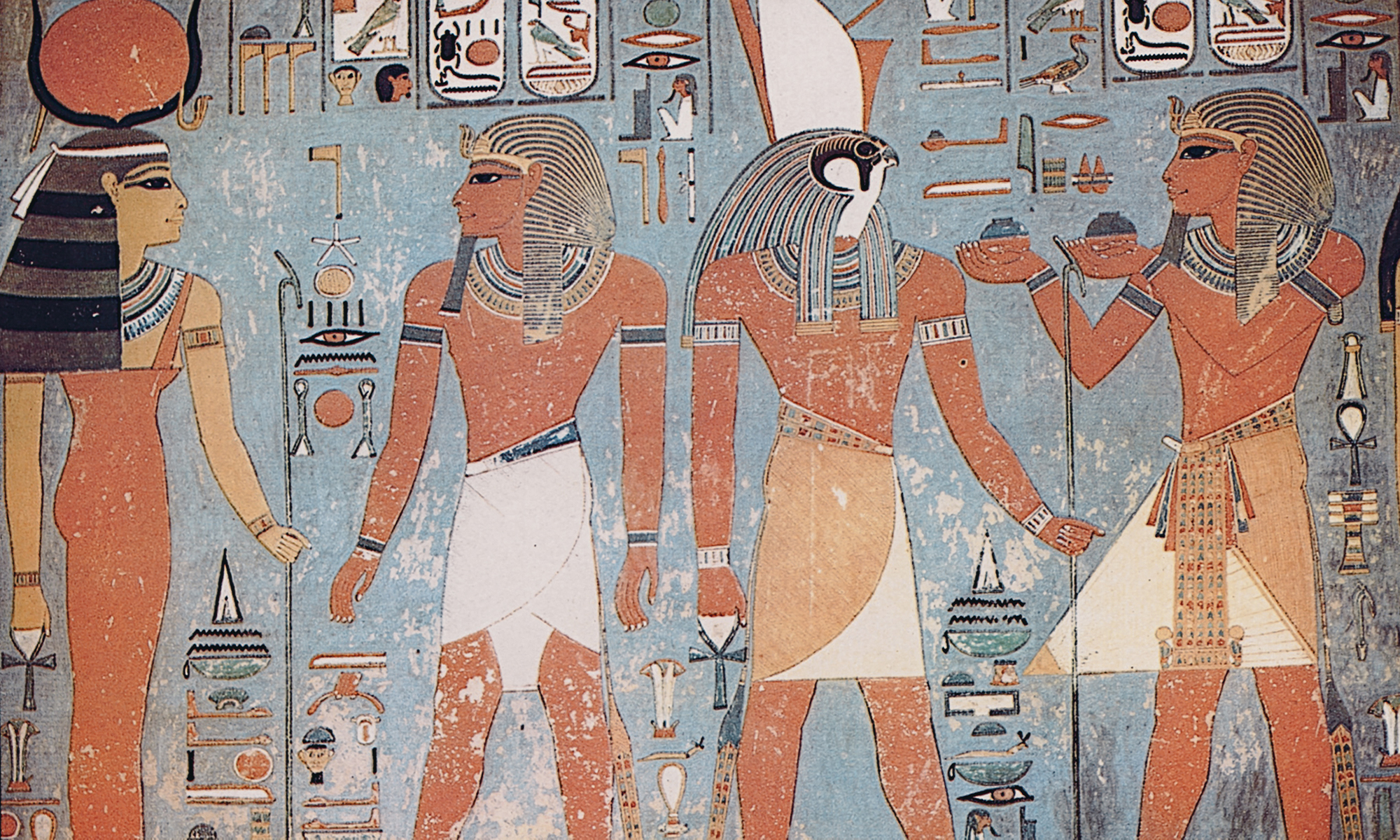
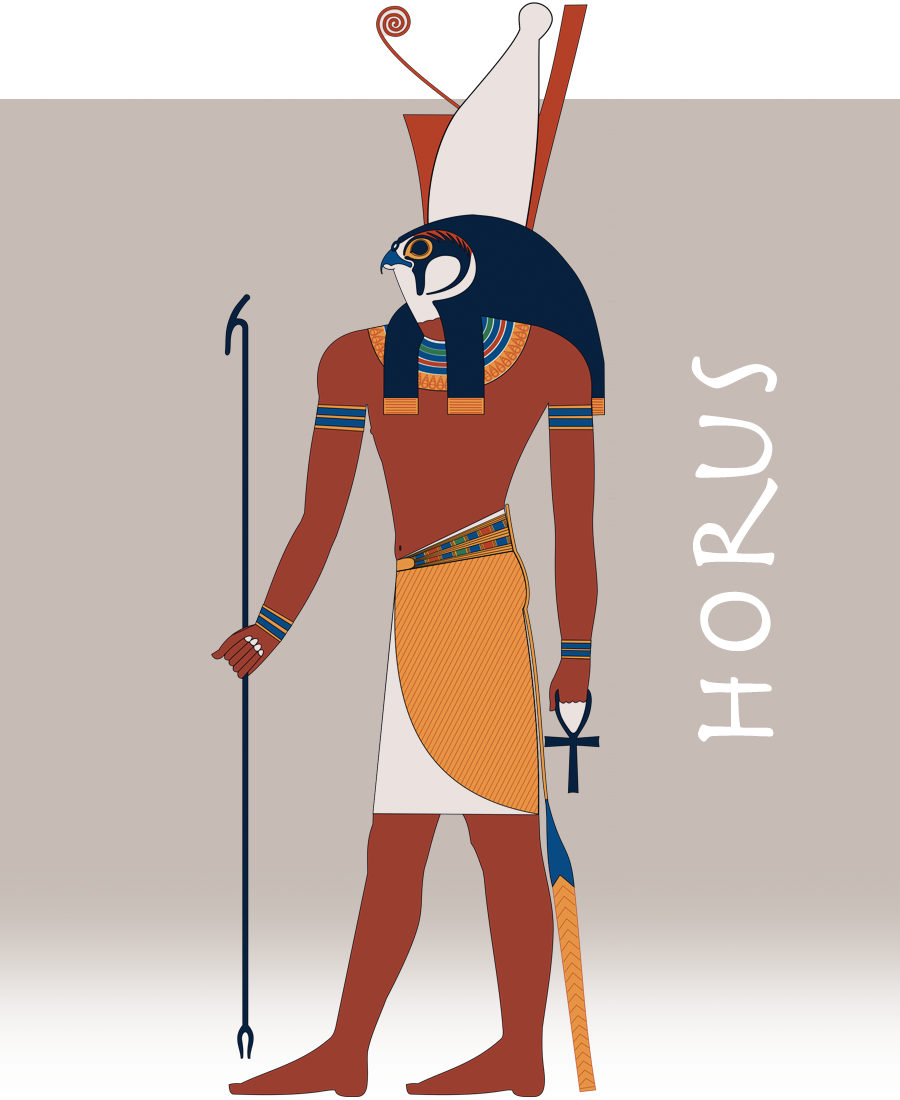
There are two major forms of Horus in Egyptian mythology: Horus the Younger (or Horus of the Horizon) and Horus the Elder.
Horus the Younger: He's perhaps the most well-known Horus, the son of Isis and Osiris. After his father Osiris was killed by Set, Horus sought to avenge him, leading to a famous battle between Horus and Set for control of Egypt. Horus eventually triumphs, symbolizing the restoration of order (maat) over chaos (isfet).
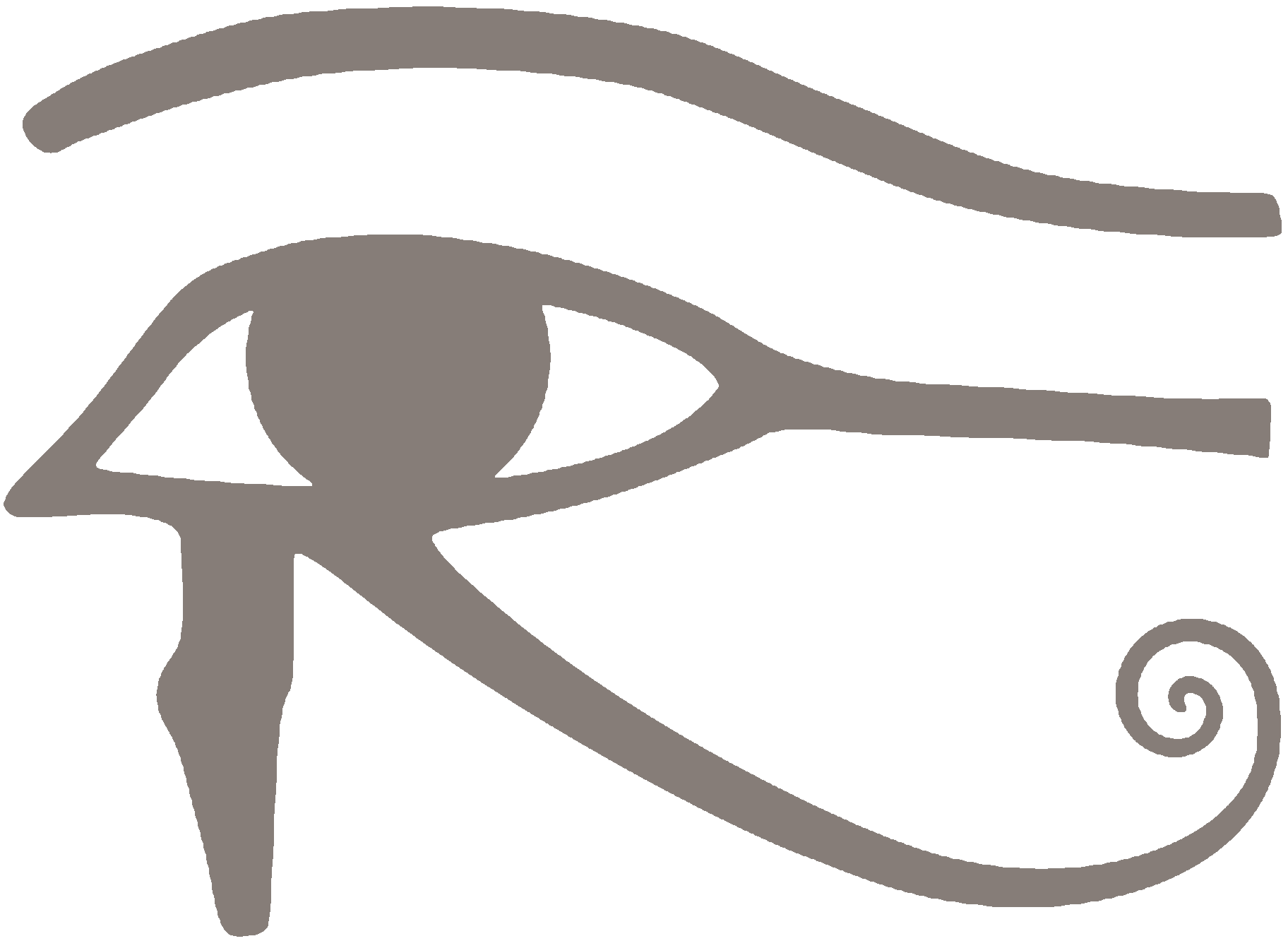
Horus was also the god of the pharaohs. The pharaoh was believed to be the living Horus on earth, a direct connection between the divine and the mortal realm. His protection was invoked for the well-being of the king and the nation.
In his role in Egyptian beliefs, Horus represented:
- The Sky
- The Sun
- Kingship
- Healing
- Protection
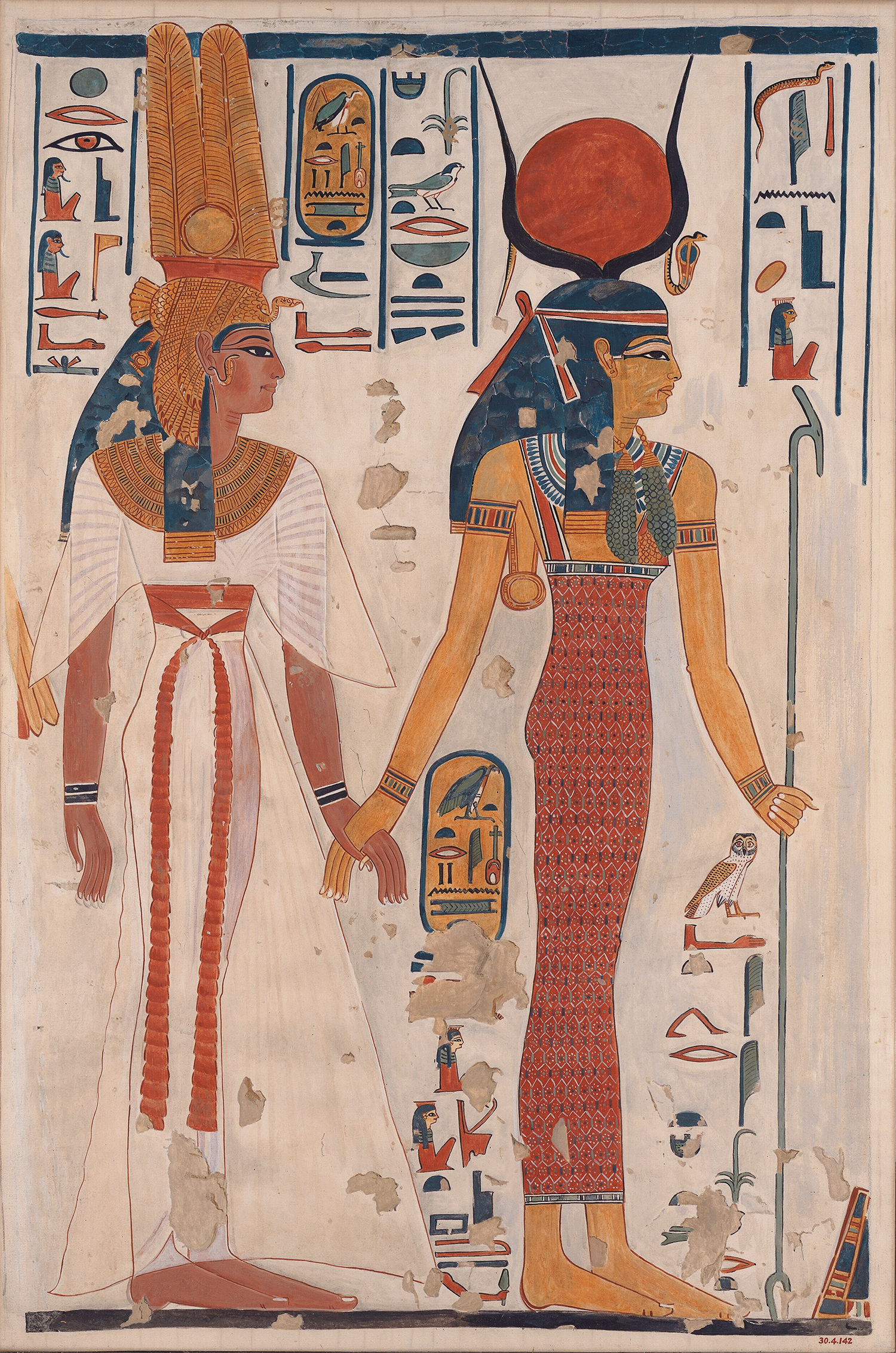
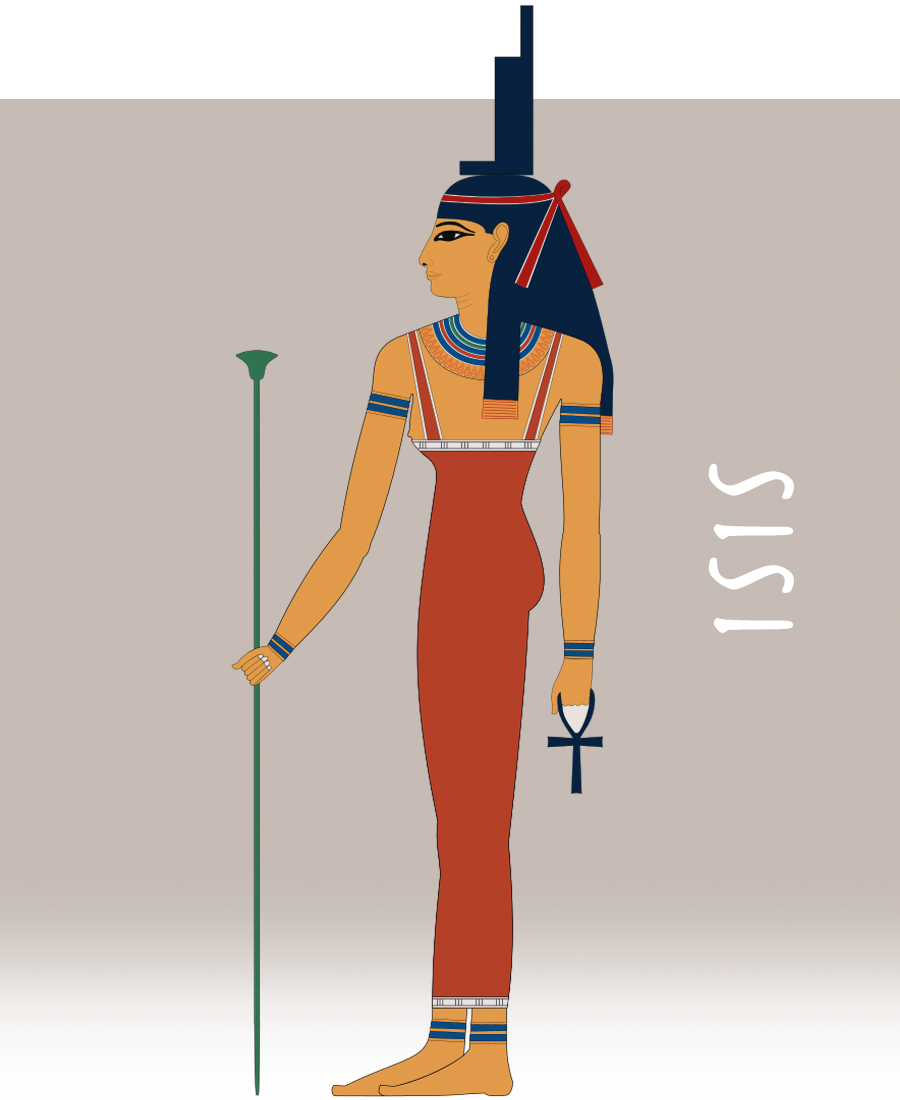
Isis is noted for her magical powers, she was thought to possess the ability to heal and protect. In Egyptian mythology, Isis is a master of magic and spells, using her knowledge to protect and heal her family and the people of Egypt.
One of the central myths involving Isis is the story of her brother-husband Osiris. According to Egyptian mythology, Osiris was murdered by his brother Set, who dismembered his body and scattered the pieces across Egypt. Isis, with the help of her sister Nephthys and others, searched for the pieces of Osiris's body. She eventually reassembled him, and through her magical powers, was able to conceive Horus, thus bringing Osiris back to life in a spiritual form.
Isis was highly revered not only in Egypt but also in other parts of the ancient world, especially the Mediterranean. Her cult spread through the Roman Empire, and she was often seen as a protector and mother figure. In some places, she was worshipped alongside other gods as part of a larger religious system.
The most famous and largest temple dedicated to Isis was the Temple of Isis at Philae in southern Egypt, which became a major center of her worship.
In her role in Egyptian beliefs, Isis represented:
- The Moon
- Concept of wisdom and learning
- Healing
- Protection
- Magical power of the Gods
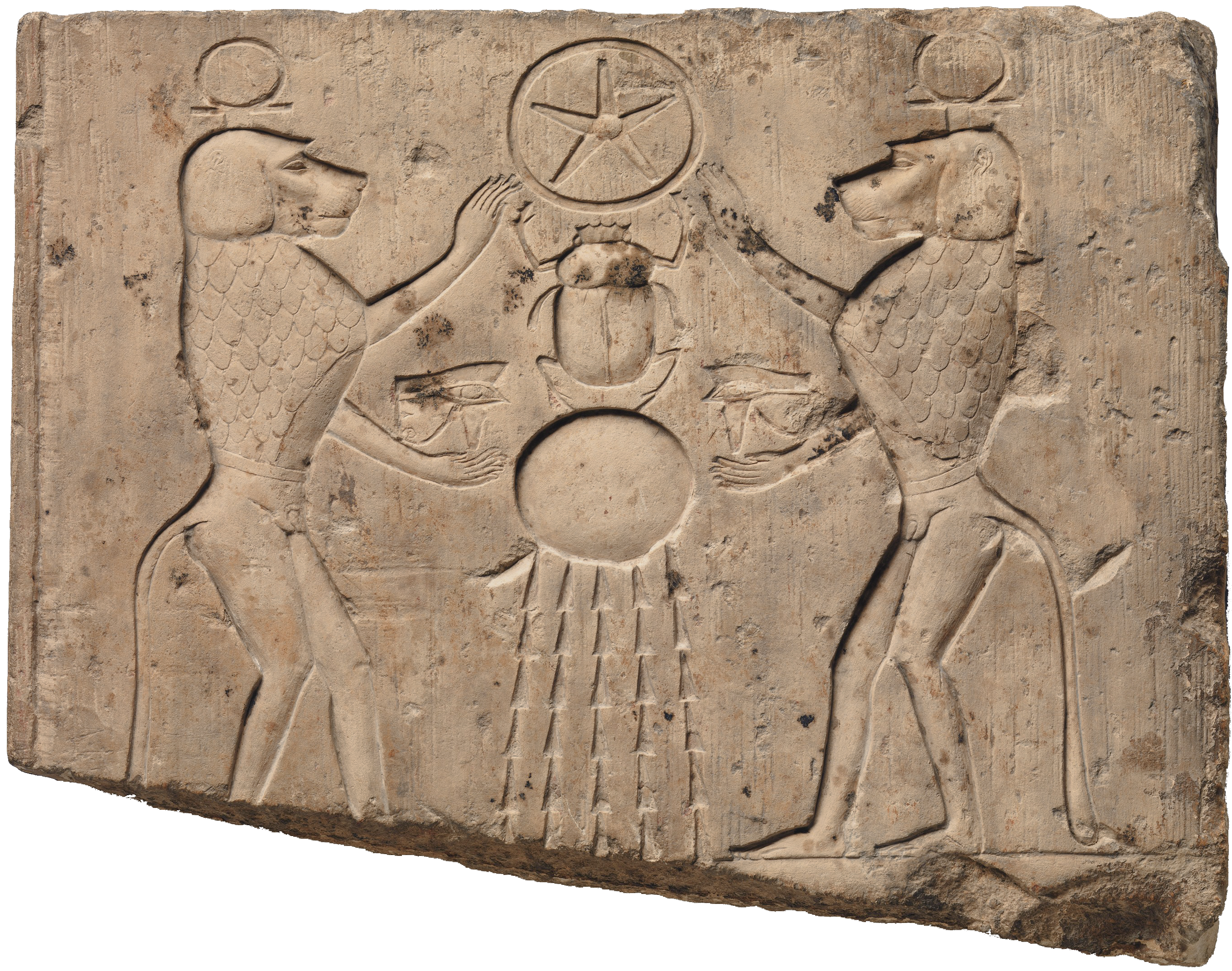
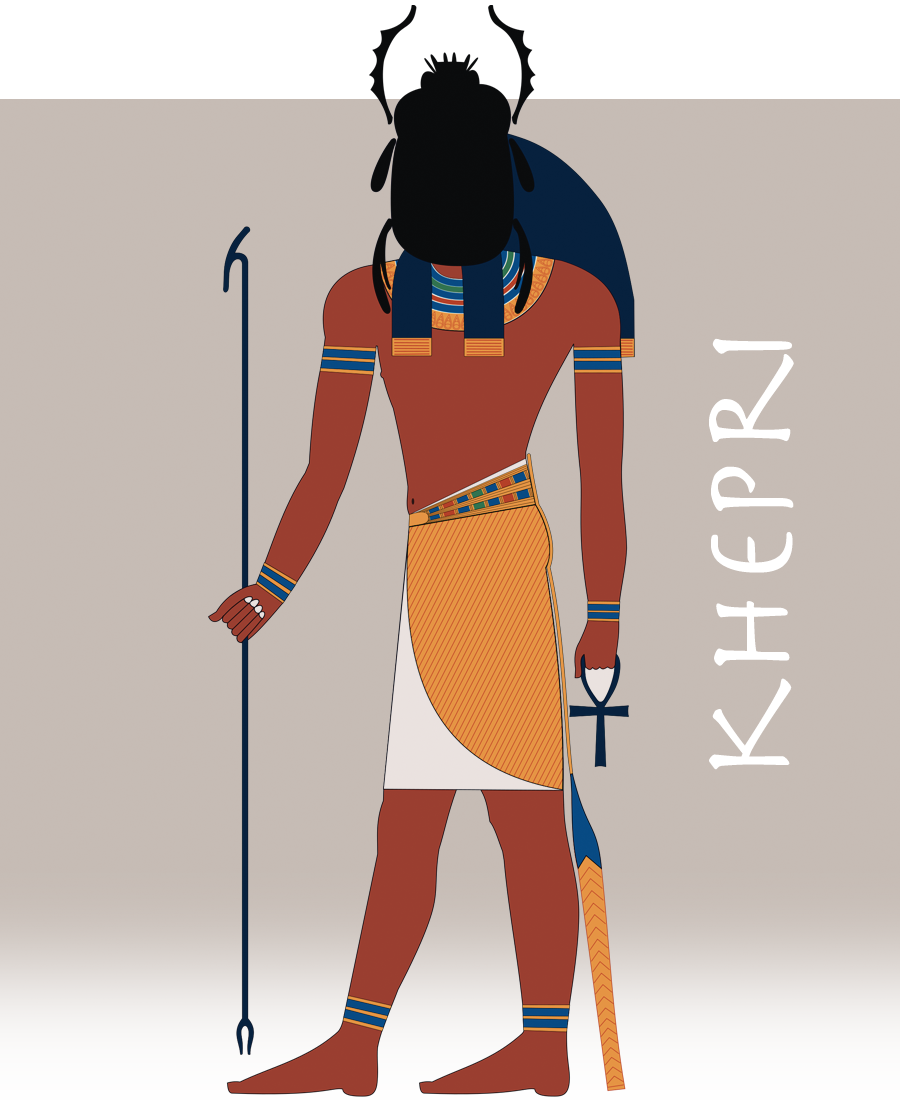
In Egyptian mythology, Khepri was often connected to the god Ra (the Sun God), and in some beliefs, Khepri was considered an aspect of Ra during the morning hours. His role symbolizes the new day and renewal, as he was thought to push the sun across the sky, much like the beetle pushes its dung ball. His representation as a scarab beetle also ties him to themes of regeneration and transformation, as dung beetles were seen to create new life from the waste they rolled, which was a potent metaphor for rebirth.
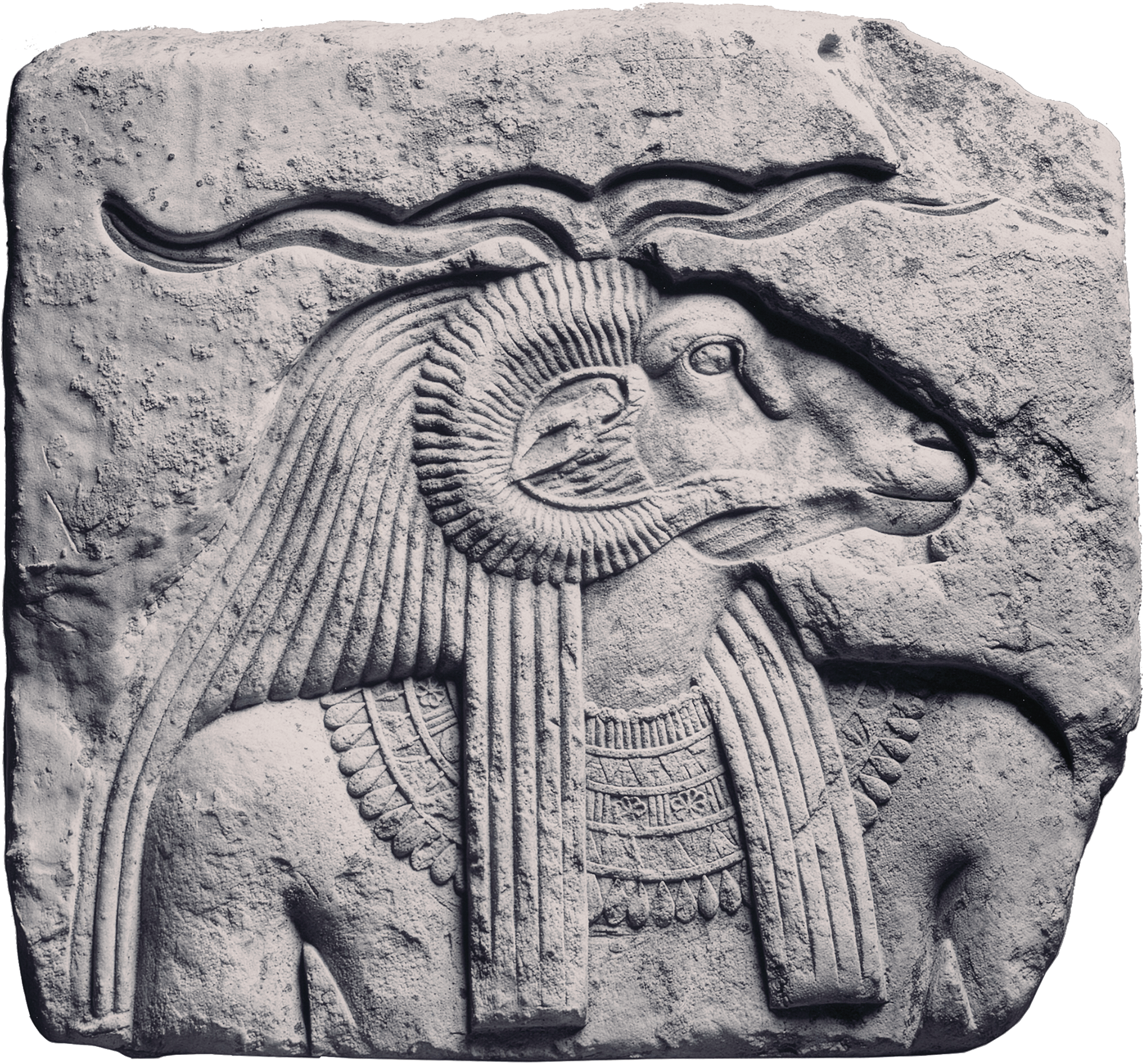
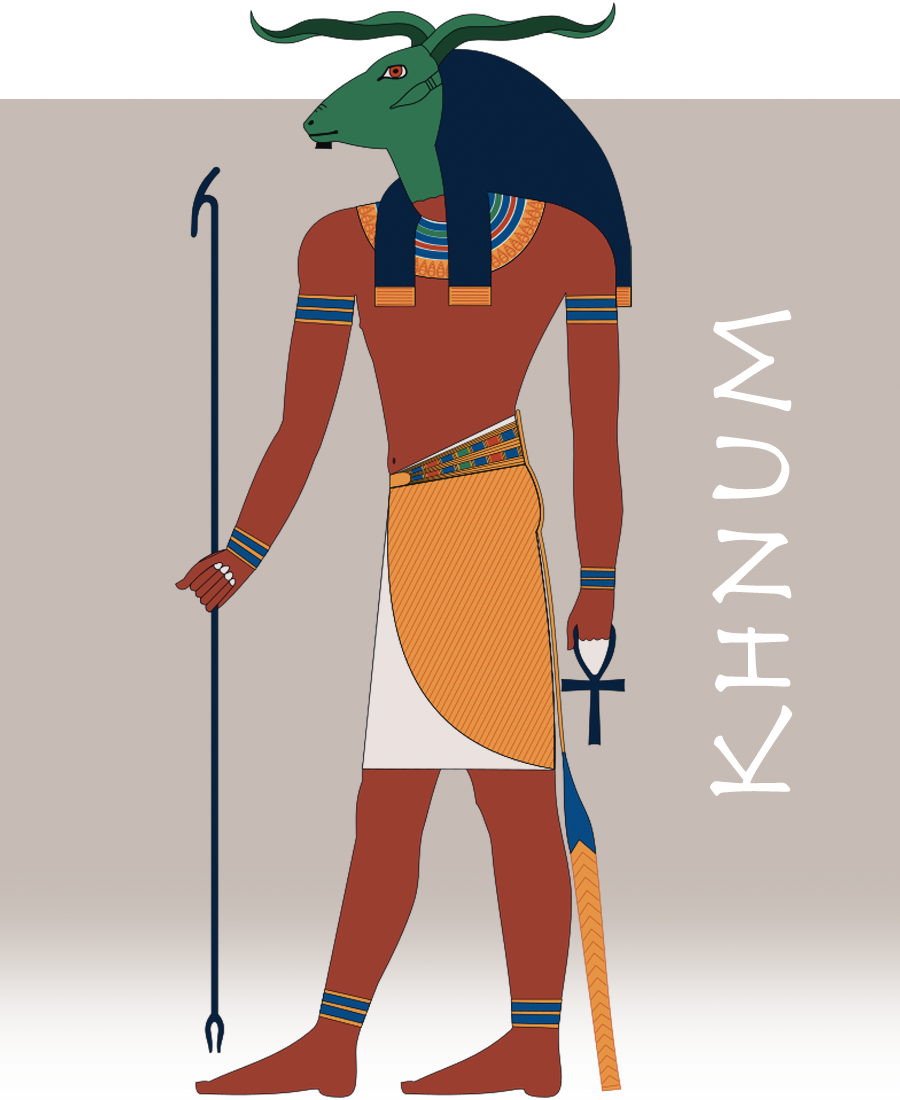
In Egyptian mythology, Khnum's power extended beyond mere creation. He was also considered a protector of fertility and the guardian of the sources of the Nile, he was sometimes called the "guardian of the source of the Nile." In Egyptian cosmology, the waters of the Nile were thought to have come from the primeval waters of Nun, and Khnum played a central role in controlling these waters.
His temples were often located near the Nile, especially at places like Elephantine Island, where he had a major cult center.
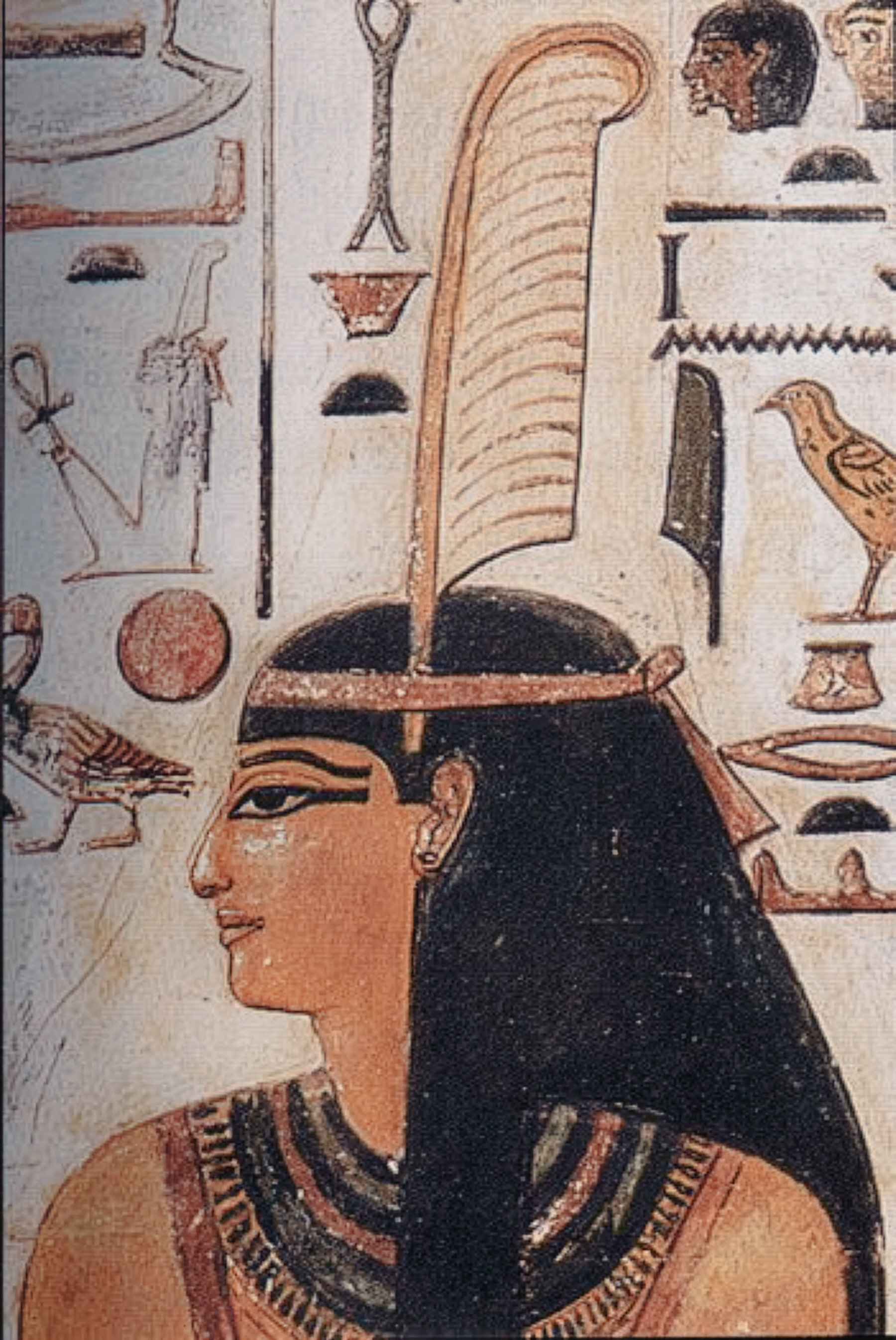
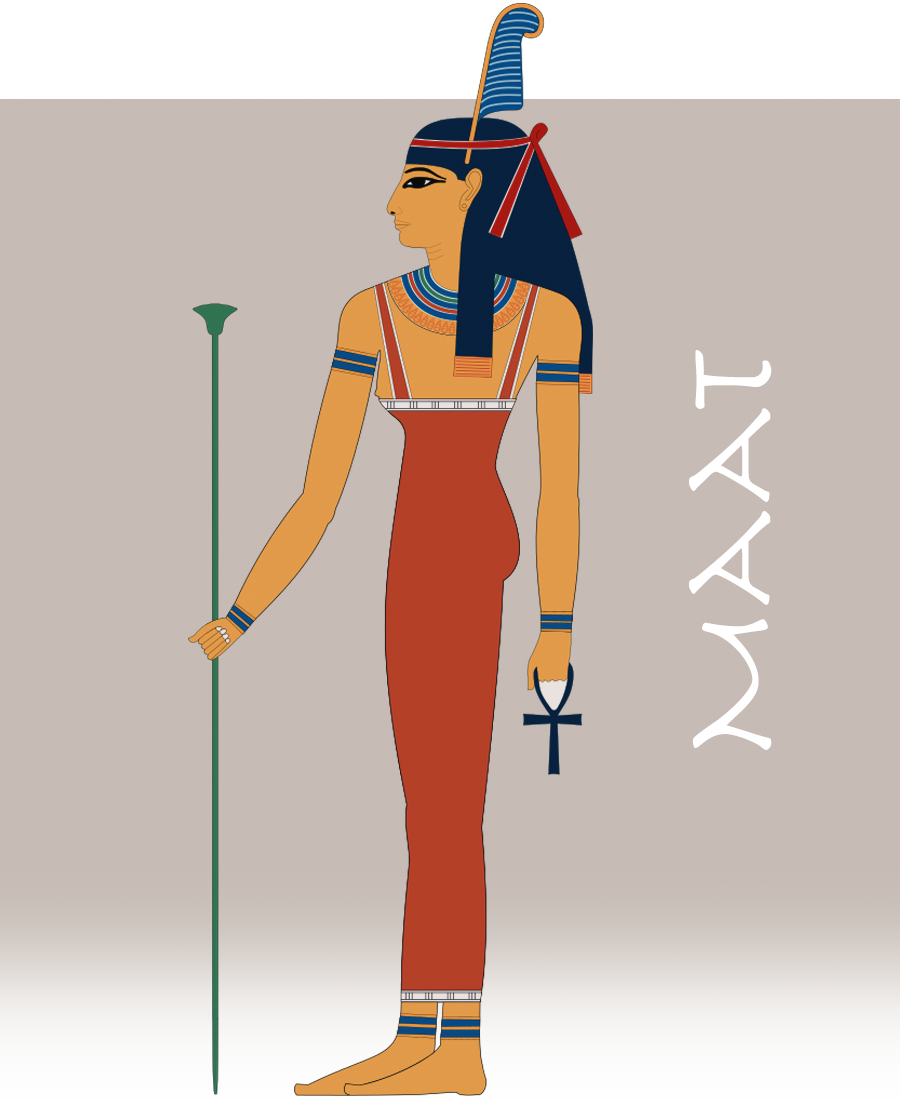
Maat was considered the daughter of the sun god Ra and sometimes associated with Thoth, the god of wisdom. She maintained the order of the cosmos and society, ensuring that chaos (known as Isfet) did not take over.
In Egyptian mythology and symbolism, Maat played a role in the judgment of the dead. In the afterlife, the heart of the deceased was weighed against Maat’s feather on the Scale of Justice. A heart lighter than the feather meant the person was righteous, while a heavier heart indicated wrongdoing. Egyptians were expected to live according to the principles of Maat, which involved honesty, fairness, and moral integrity. The concept was central to law, governance, and personal behaviour.
In her role in Egyptian beliefs, Maat represented:
- Truth
- Justice
- Balance
- Order
- Law
- Morality
- Cosmic harmony
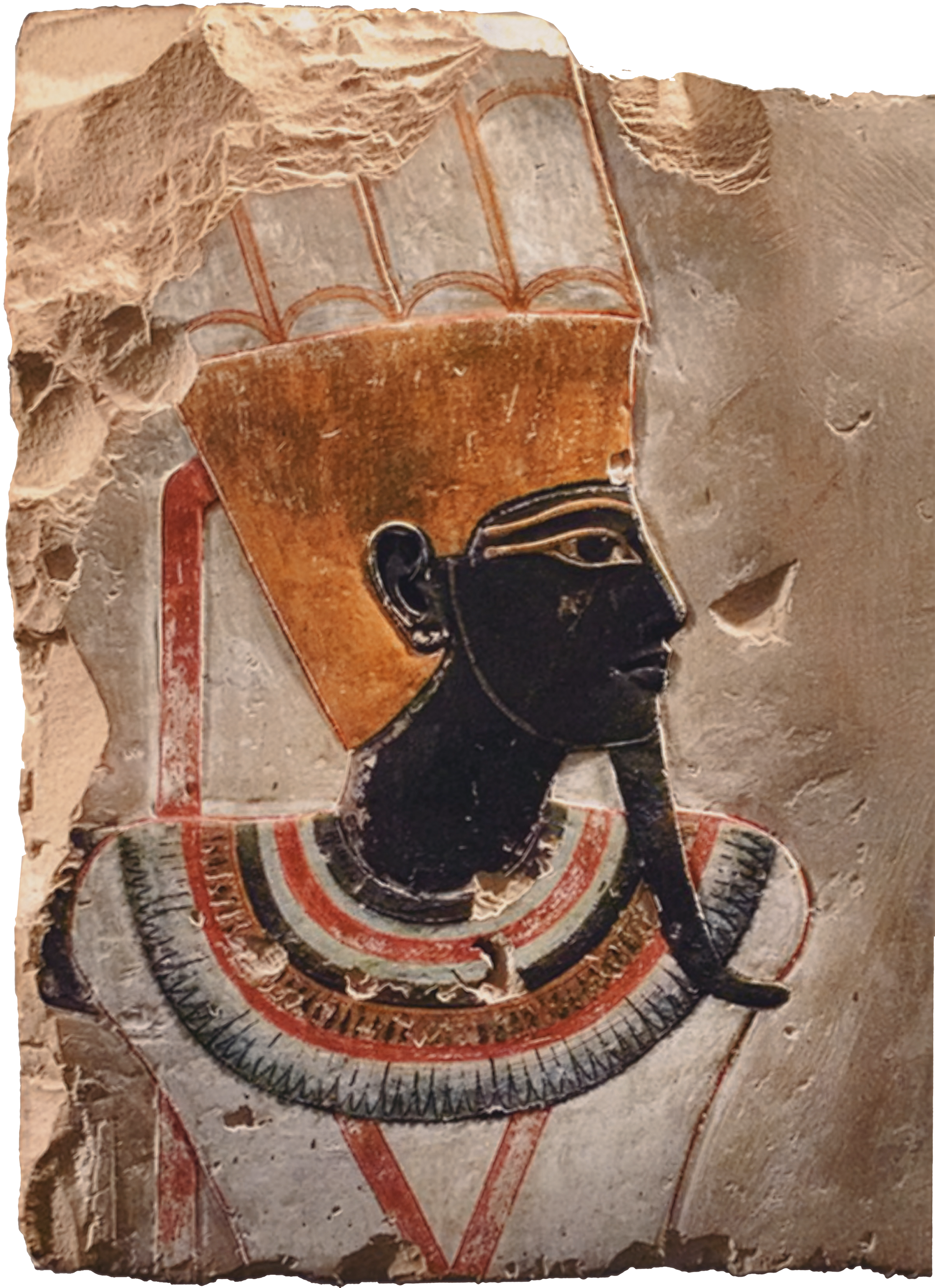
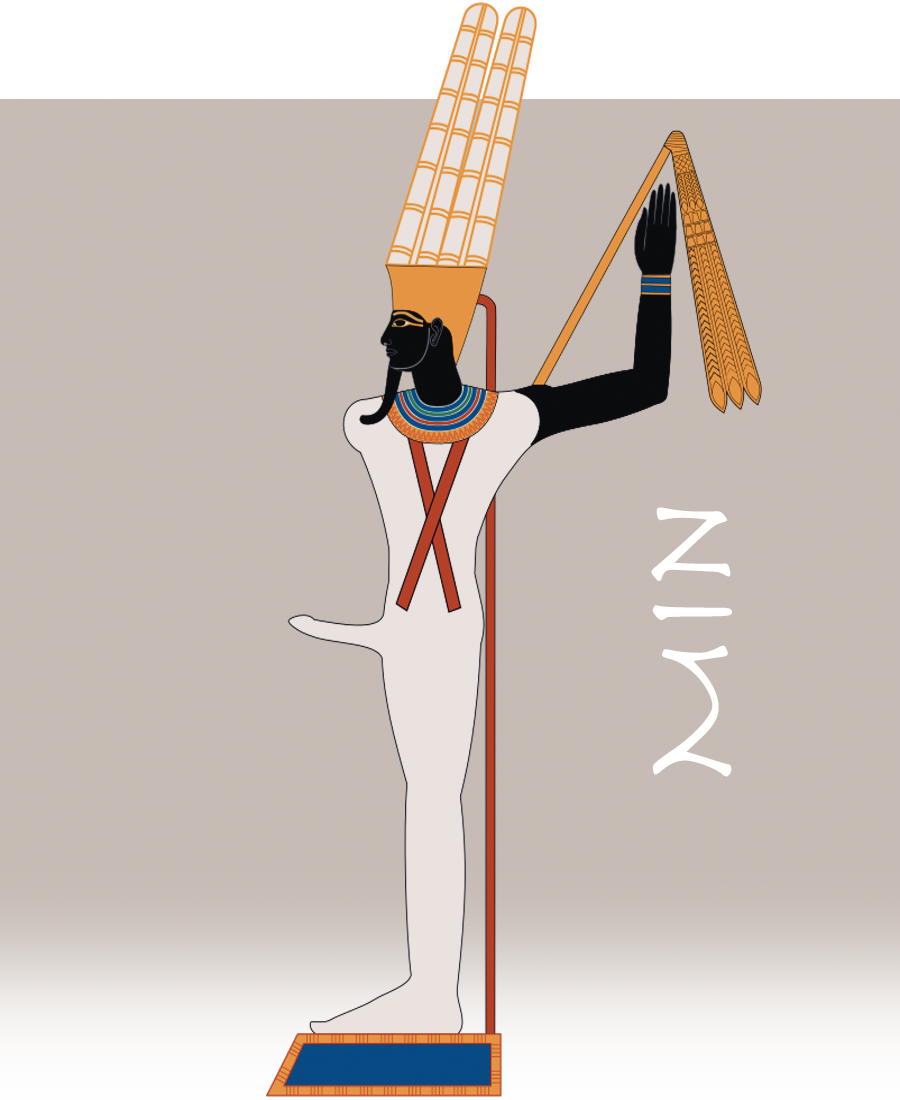
His main symbols include the flail (referring to his authority, or rather that of the pharaohs), crops, and sometimes lotus flowers representing regeneration. Min wears a red ribbon that trails to the ground, claimed by some to represent sexual energy.
The legs are bandaged because of his chthonic force, in the same manner as Ptah and Osiris. His skin was usually painted black, which symbolized the fertile soil of the Nile. He was sometimes linked with the sky god Horus, the sun god Ra, and even Osiris in certain fertility contexts.
Min was worshiped primarily in Coptos (modern Qift) and Akhmim. Festivals in his honor often involved processions and rituals promoting fertility and abundant harvests. Min was one of the earliest deities in Egyptian religion and had a long history of cult worship dating back to the Predynastic period.
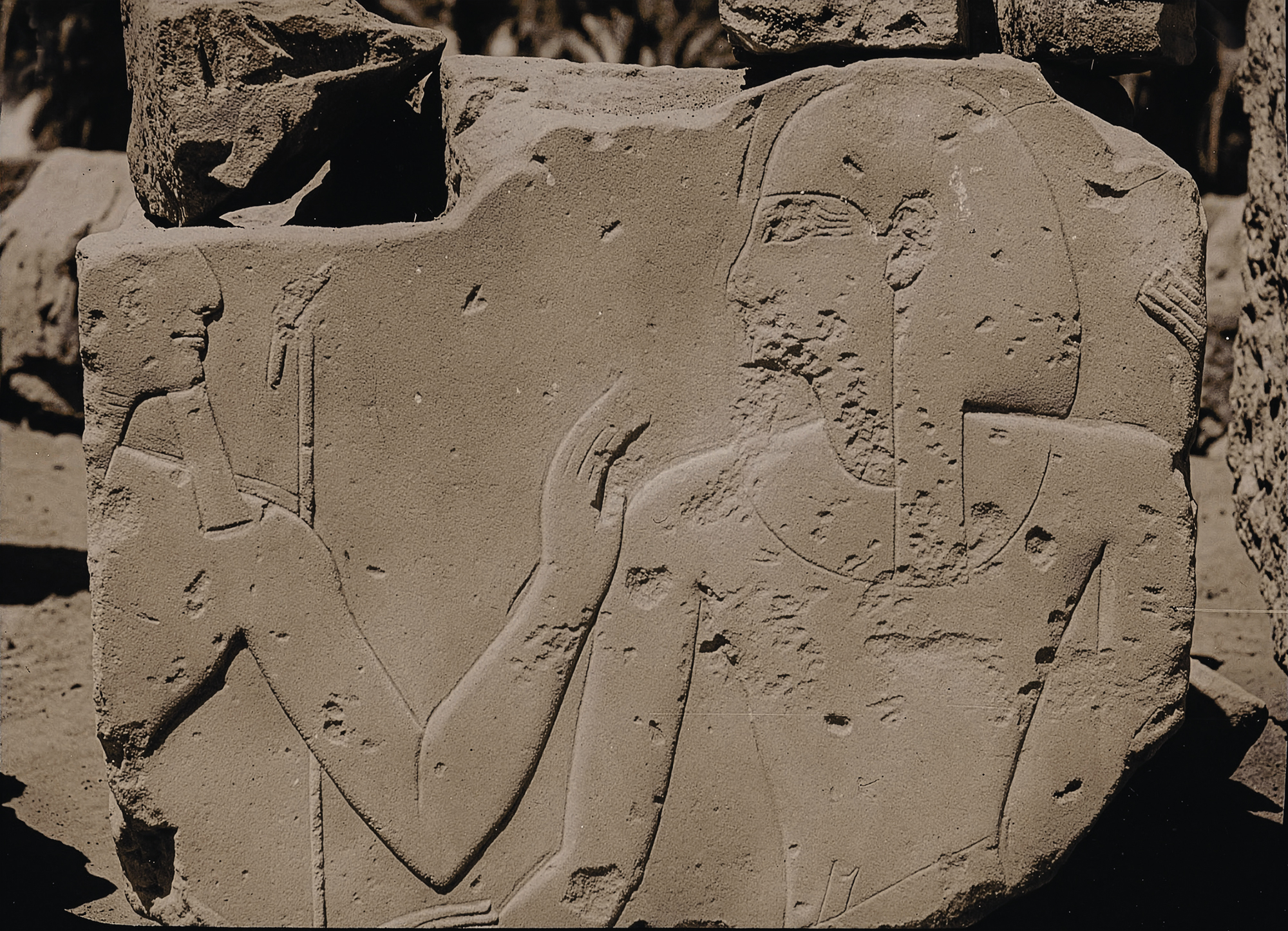
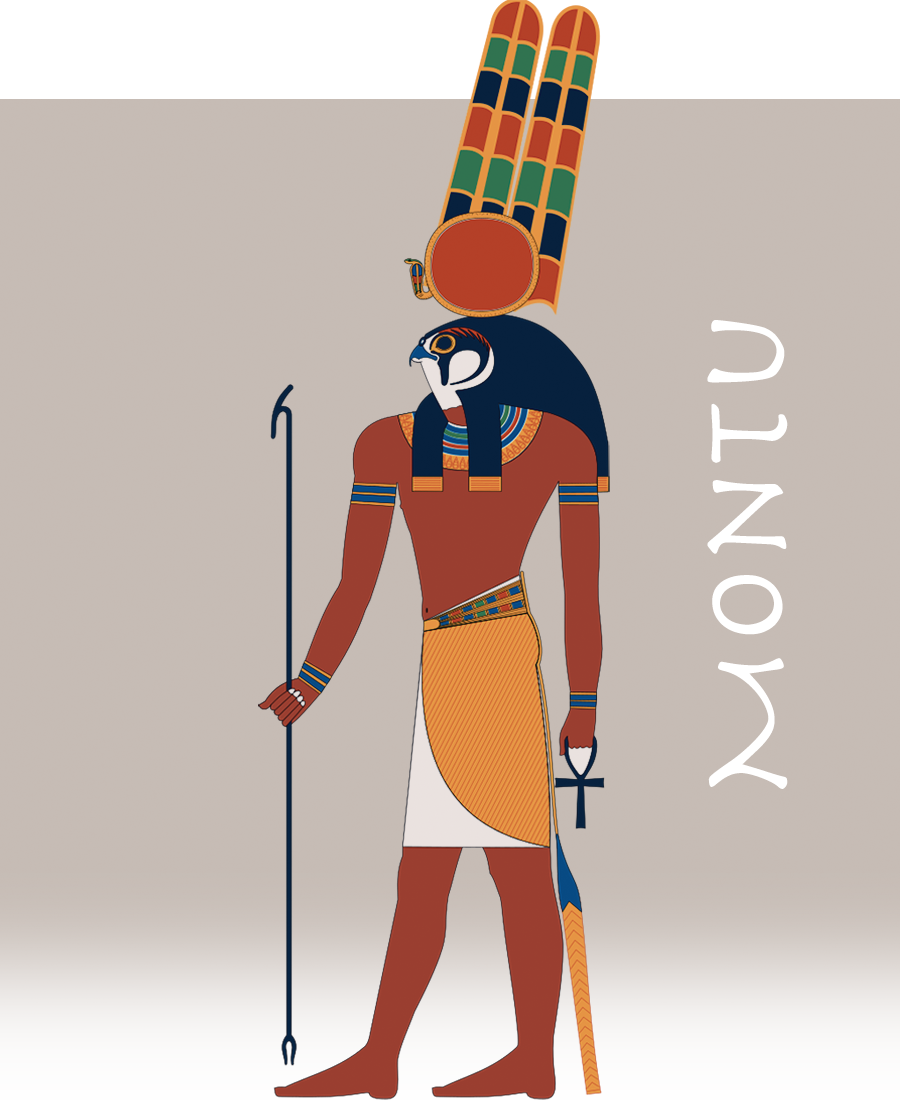
His symbols included the bull, the sun disk, and weapons like a spear or sword. The bull symbolizes ferocity and power, with Pharaohs often invoked him for military success. haraohs often took on the title “Mighty Bull of Montu” to emphasize their military prowess.
Montu was primarily worshiped in Thebes (modern Luxor) and in Medamud and Karnak.
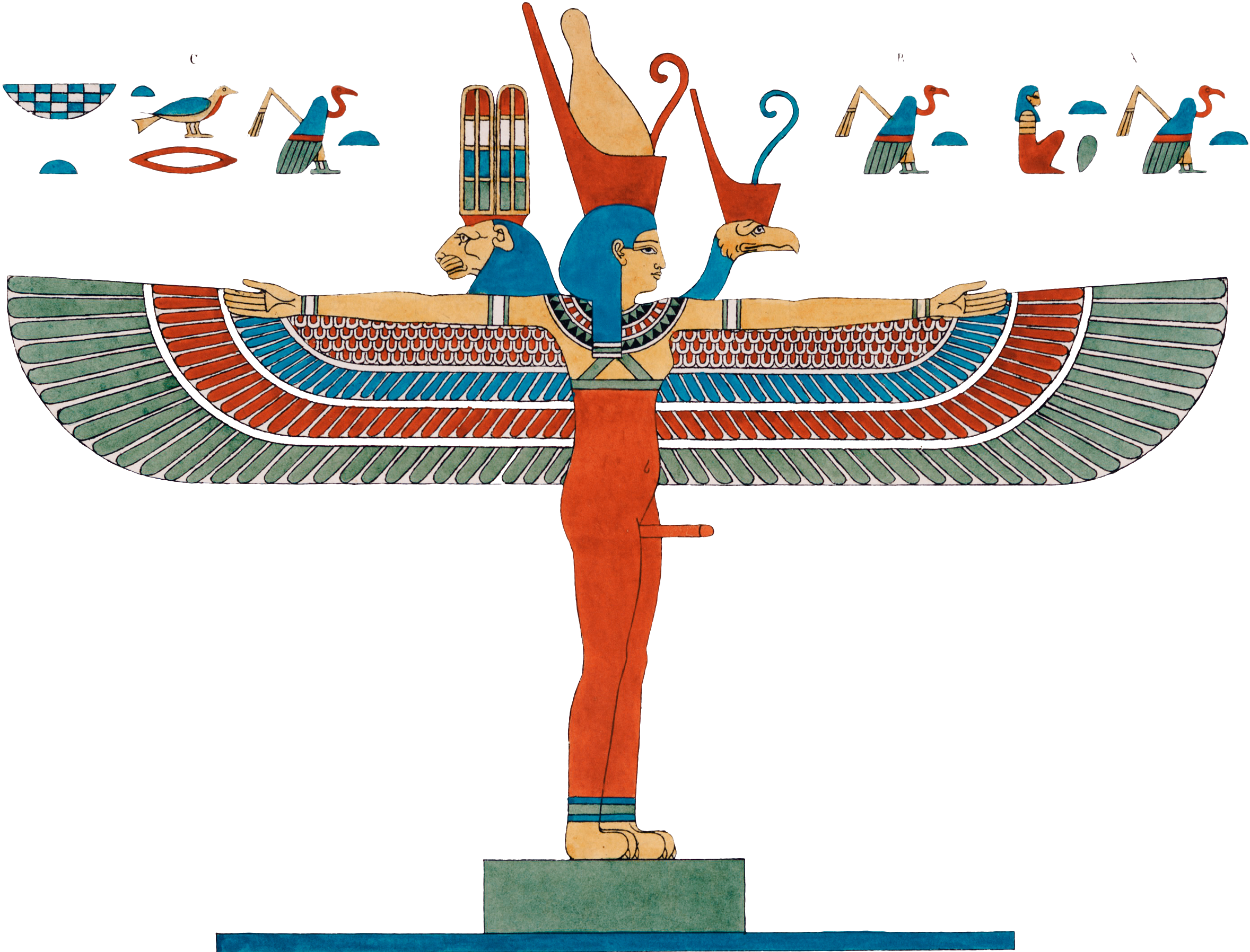
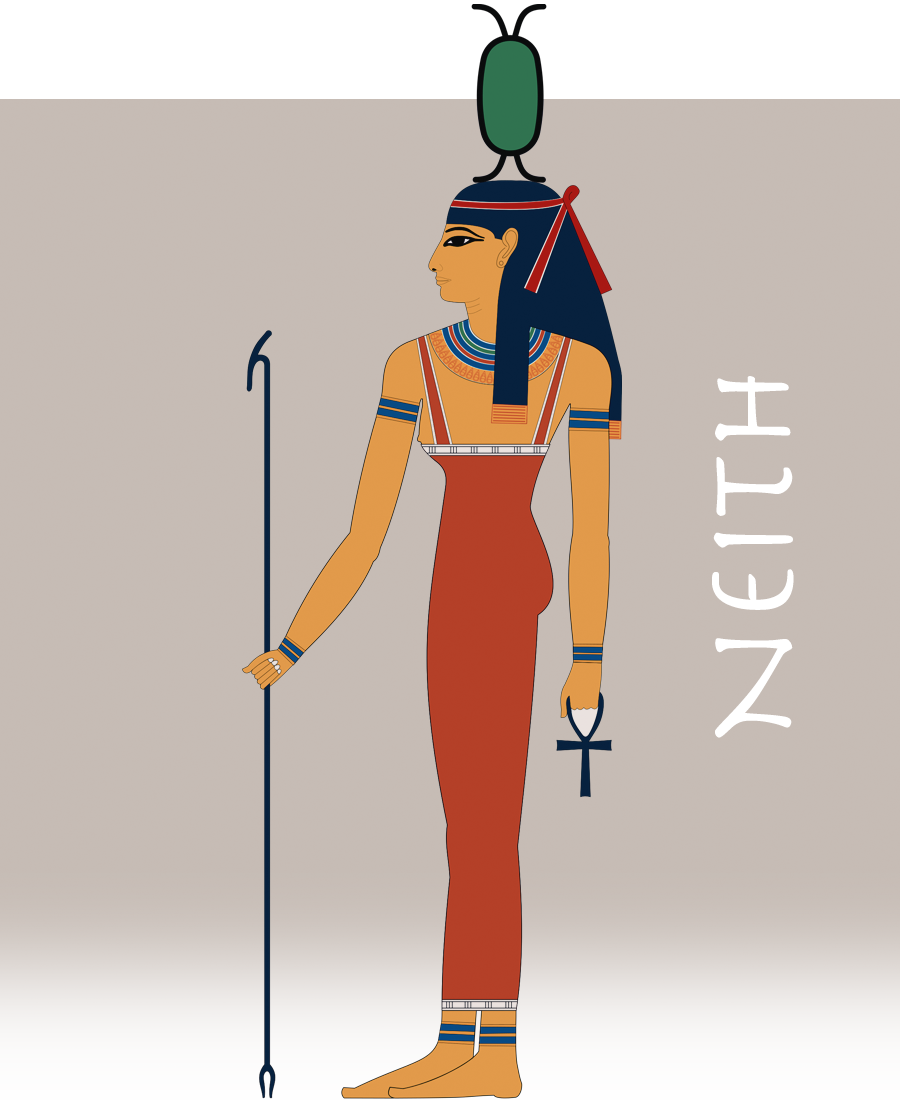
Neith was often depicted as a warrior goddess, associated with both hunting and combat. n some myths, Neith is considered a primordial goddess who played a role in creation. She was sometimes regarded as the mother of the sun god Ra or even as the creator of the world itself. Neith was said to have fashioned the world with her words and actions, and some texts describe her as the "mother of the gods."
Neith was also connected to wisdom and weaving, a skill that symbolized the creation of the universe. The ancient Egyptians believed she was the inventor of weaving, which was associated with the weaving of fate and life itself.
One of the interesting aspects of Neith is her ambiguity and her association with both creation and destruction, which is a common theme in many ancient mythologies. The balance between these aspects made her a powerful figure in Egyptian thought. In her role as a goddess of both war and death, Neith was sometimes invoked to protect the dead in the afterlife. She was considered a guardian of the underworld, alongside other gods like Osiris.
While Neith was most prominently worshipped in the city of Sais, her influence spread throughout Egypt, especially during the time of the Old Kingdom. She was even associated with the famous "Book of the Dead," where her name appears in various hymns and invocations for protection in the afterlife.
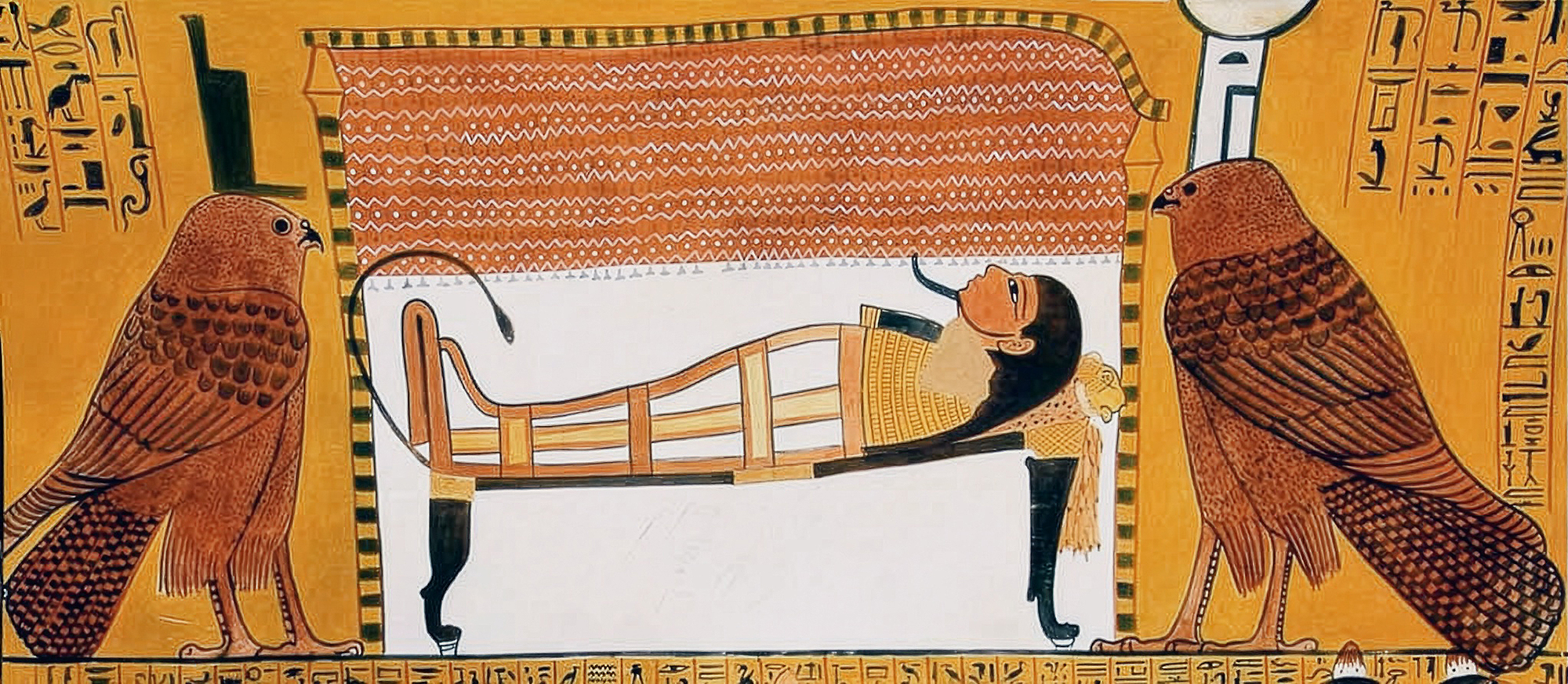
Although she is sometimes depicted as a more passive figure in mythology, Nephthys is essential to the rituals surrounding death and the protection of the deceased. She often accompanies her sister Isis in funerary scenes, helping to protect and guide the soul in the journey through the afterlife.
Nephthys is married to Set (the god of chaos and disorder), but their relationship is often depicted as troubled. Despite being married to Set, she is closely associated with Osiris (her brother-in-law), with whom she has a son, Anubis, the god of embalming and the protector of graves. In some versions of the myth, she is seen as a supportive figure during the resurrection of Osiris, showing her importance in the narrative of death and rebirth.
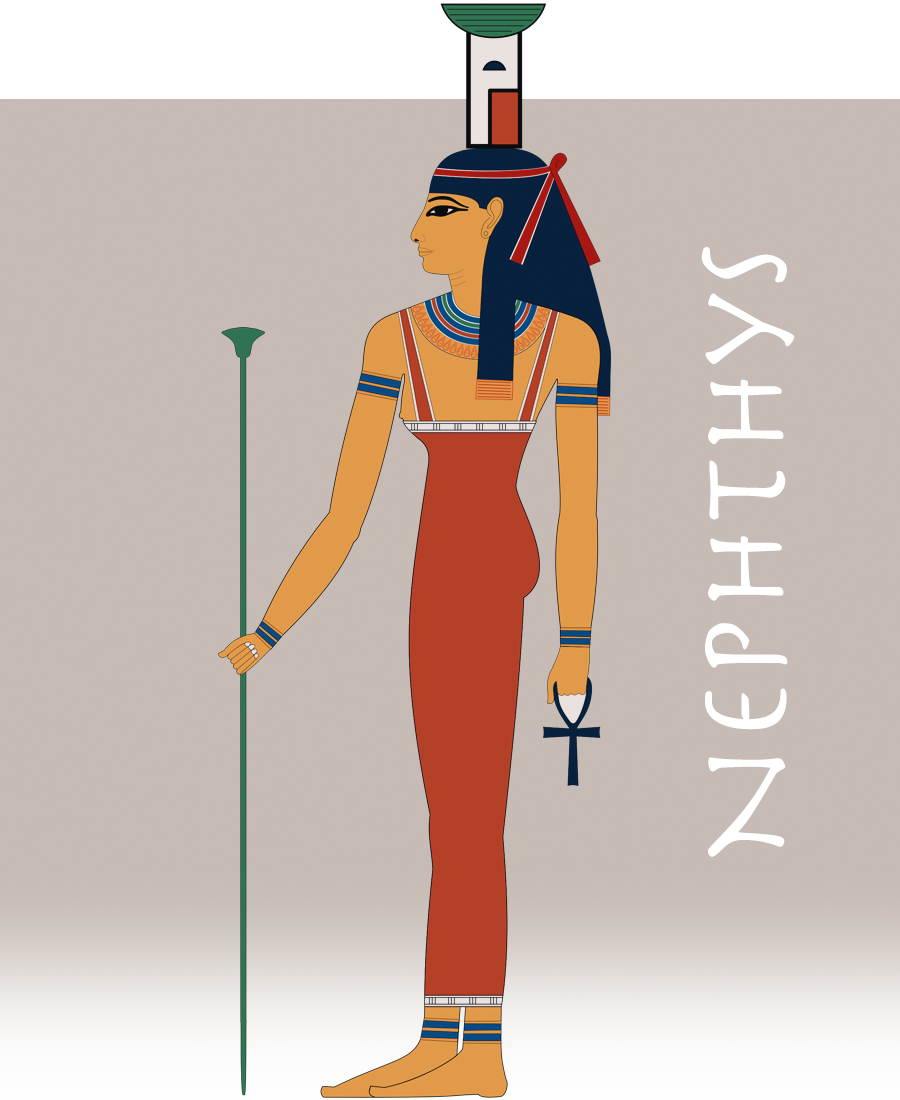
Nephthys was normally portrayed as a young woman, wearing a headdress in the shape of a house and basket.
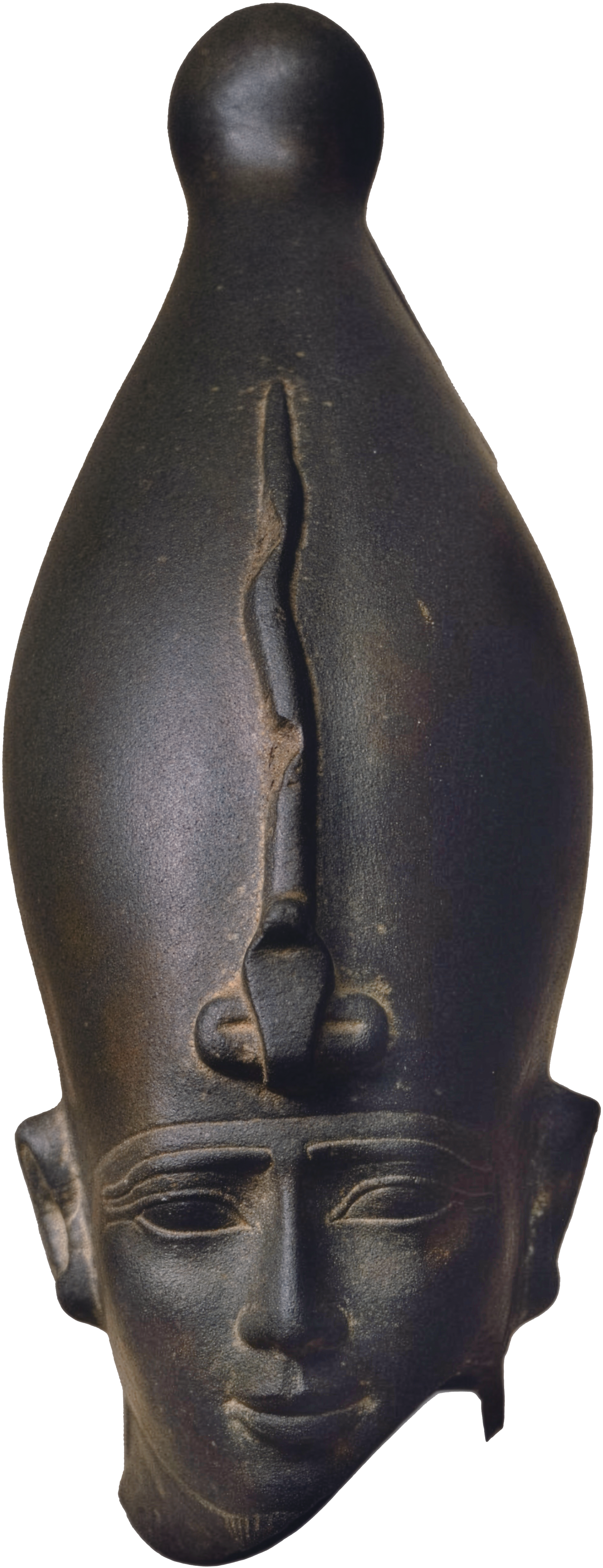
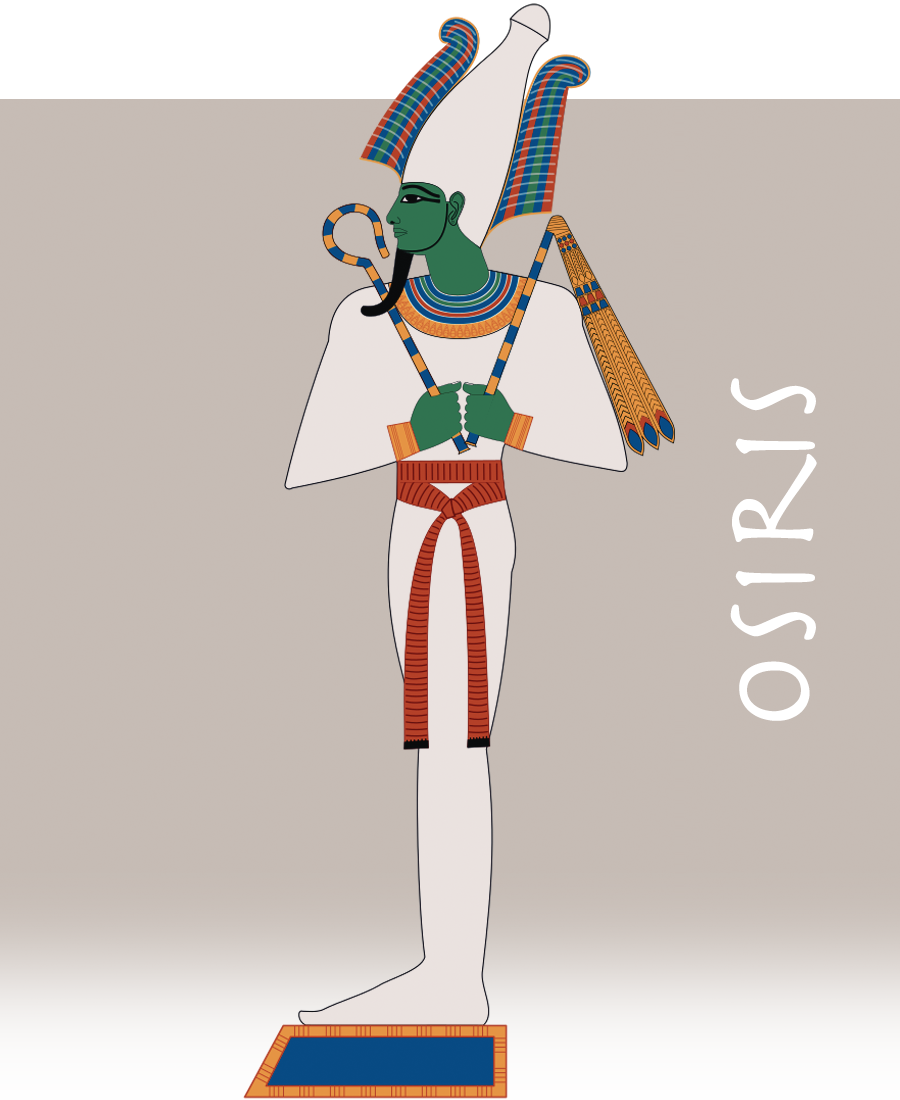
Osiris is depicted with a white crown of Upper Egypt flanked by ostrich feathers, and a crook and flail acting as symbols of kingship and authority. His green skin represent rebirth and fertility. Osiris is connected to the pharaohs and Egyptian kings were often seen as his living representatives on Earth.
The most famous story about Osiris involves his death and resurrection. Seth, jealous of Osiris, tricks him into a coffin and kills him and then scatters Osiris’s body parts across Egypt. The Goddess Isis collects Osiris’s body and uses her magic to bring him back to life, where he subsequently becomes the ruler of the underworld, while his son Horus avenges him and rules the living world. Osiris’s myth emphasized moral order, the triumph of life over death, and the hope for eternal life.
The “Weighing of the Heart” ceremony in the afterlife, recorded in the Book of the Dead, is linked to his role as judge of souls.
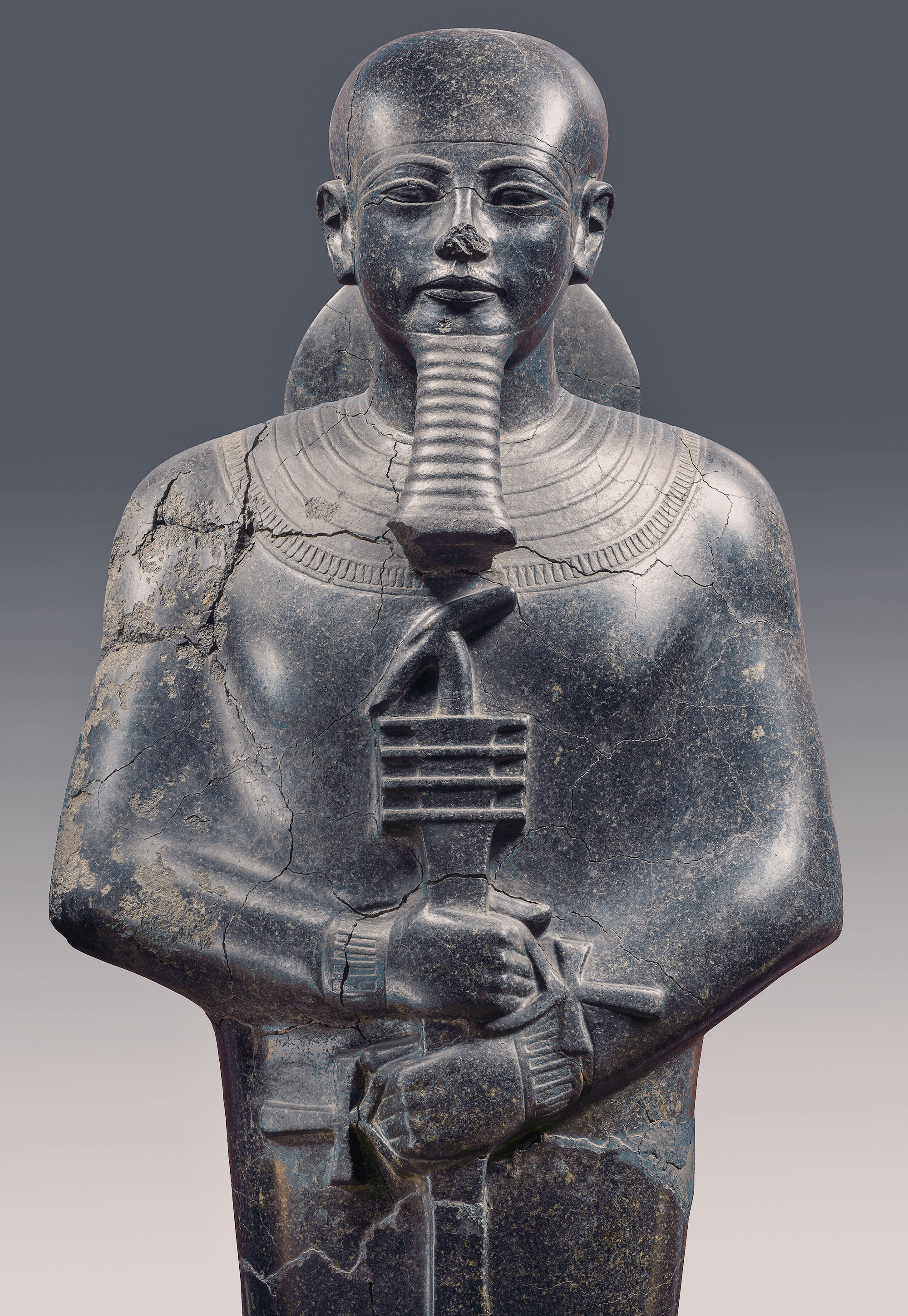
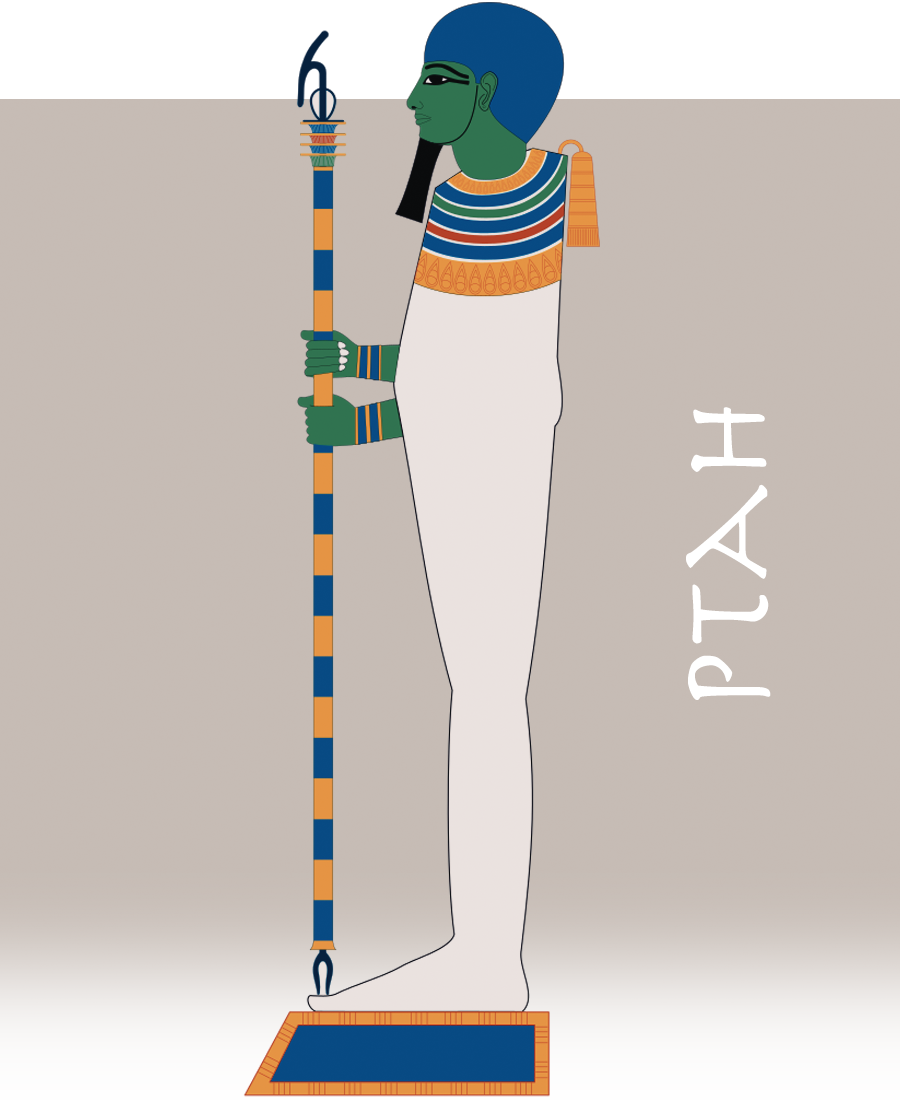
He is typically shown as a mummified man with a tight-fitting skullcap. Ptah is depicted holding a scepter combining three symbols: Ankh (life), Djed (stability), Was (power). These symbols collectively represent life, stability, and dominion core aspects of creation and order.
He was considered the patron of artisans, sculptors, and architects, and craftsmen who often invoked him before beginning their work. Ptah’s main cult center was in Memphis, Egypt’s ancient capital. The cult of the god Ptah quickly spread throughout Egypt. With the major royal projects of the Old Kingdom, the high priests of Ptah were particularly sought after and worked in concert with the vizier (The vizier was the highest official in ancient Egypt to serve the pharaoh (king) during the Old, Middle, and New Kingdoms.), filling the role of chief architects and master craftsmen, responsible for the decoration of the royal funerary complexes.
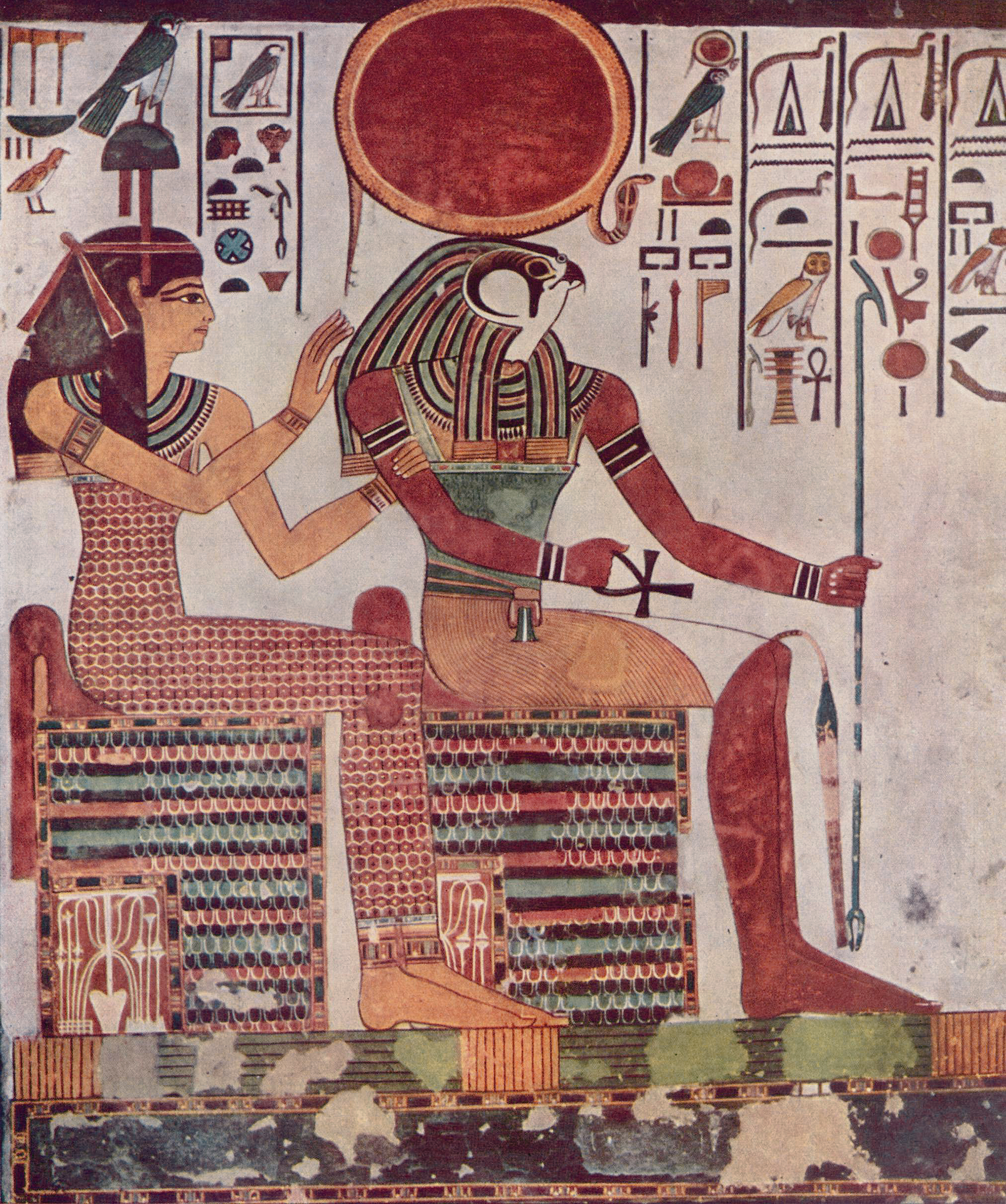
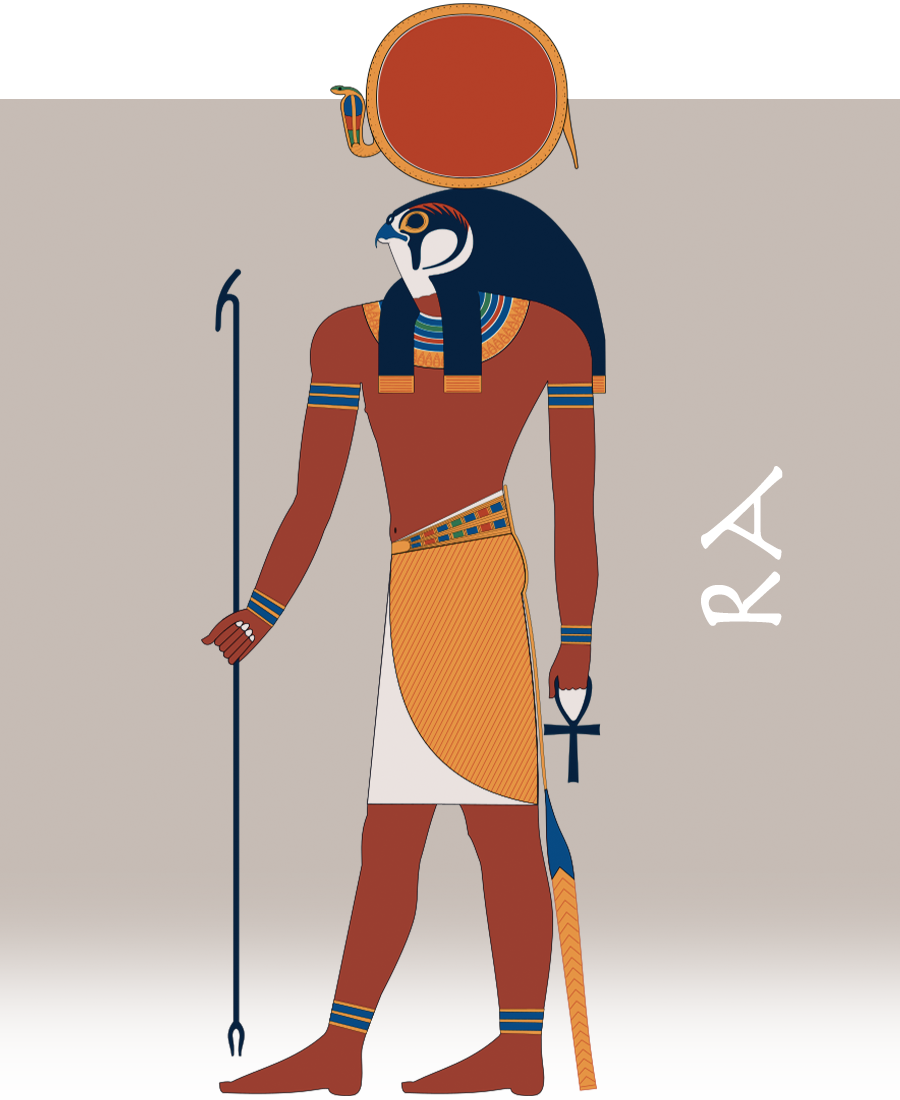
Ra is commonly shown as a man with a falcon head, wearing a sun disk encircled by a cobra (the uraeus). Sometimes purely as a sun disk or a scarab beetle (Khepri), especially at dawn.
The Egyptians imagined the sun’s motion as Ra’s eternal voyage: Dawn (Khepri), Ra is reborn as a scarab beetle pushing the sun into the sky. At midday he shines at full strength as the sun god. At sunset (Atum) he ages into the form of Atum, descending into the underworld. Throughout the night, Ra travels through the underworld, battling the serpent Apophis (Apep) to ensure the sun rises again.
The important centers of Ra worship include: Heliopolis (Iunu)"the Place of Pillars", later known to the Ptolemaic Kingdom as Heliopolis ("Sun City") and today located in the suburbs of Cairo. He was identified with the local sun god Atum. As Atum or Atum-Ra, he was reckoned the first being and the originator of the Ennead ("The Nine"), consisting of Shu and Tefnut, Geb and Nut, Osiris, Set, Isis and Nephthys. Priests developed elaborate theology surrounding Ra. Obelisks and pyramids were associated with his solar symbolism. Pharaohs claimed to be “sons of Ra” to legitimize their rule.
In his role in Egyptian beliefs, Ra represented:
- Creation
- Kingship
- Order (ma’at)
- Renewal and resurrection
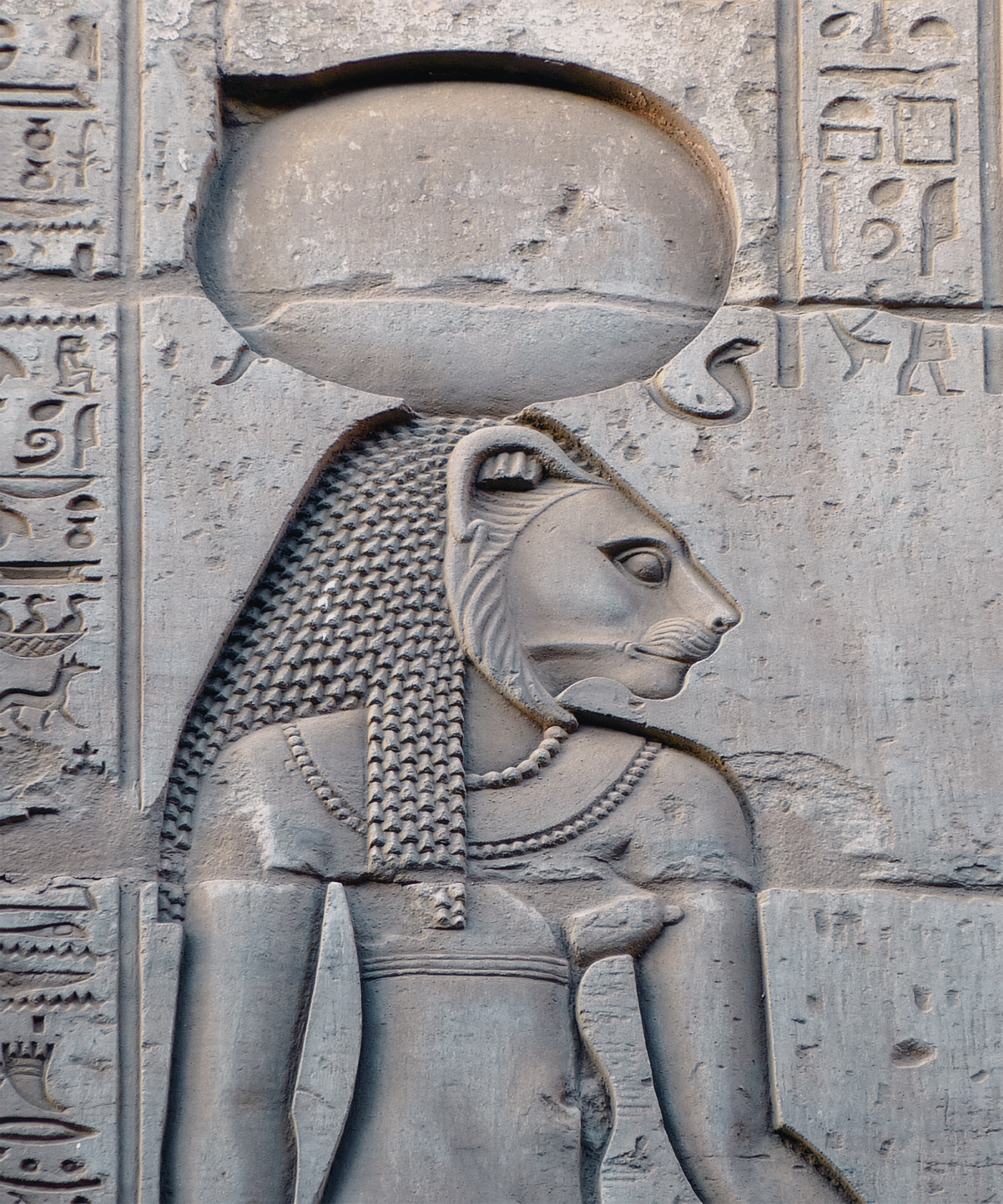
Temple of Kom Ombo
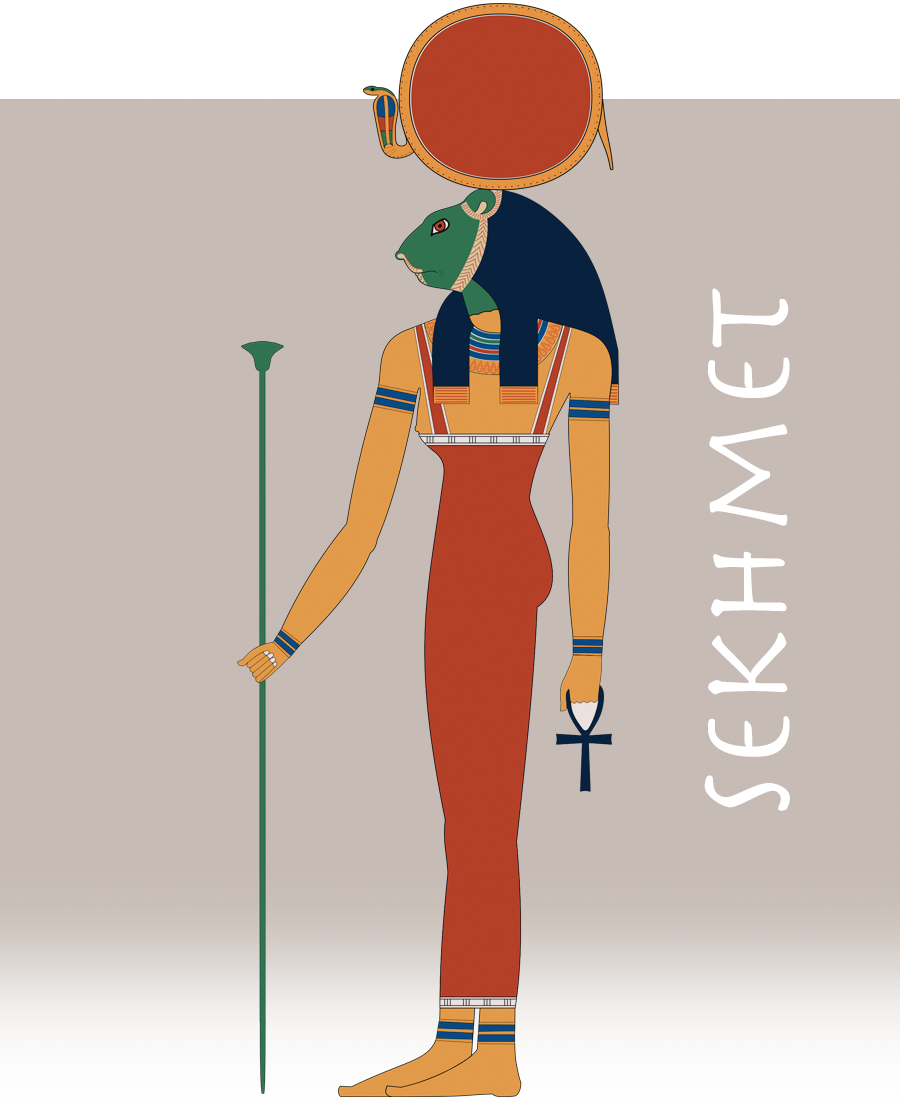
She was considered the goddess of war, the protector of the pharaoh, and the one who helped defeat Egypt's enemies. However, Sekhmet also had the ability to heal, and many believed she could cure diseases and diseases of the body, making her a goddess of both destruction and restoration.
One of the most famous myths surrounding Sekhmet is the story of her almost destroying humanity. The sun god Ra, in some versions of the myth, sent Sekhmet to punish humankind for their disrespect. Her violent rampage threatened to annihilate all of humanity, but Ra, realizing the danger of her wrath, tricked her by creating a pool of red beer, which she mistook for blood. Sekhmet drank it, became intoxicated, and stopped her destruction, restoring balance.
Her symbolism of both destruction and healing reflects the ancient Egyptians' understanding of life as a balance of opposites, chaos and order, life and death, war and peace.
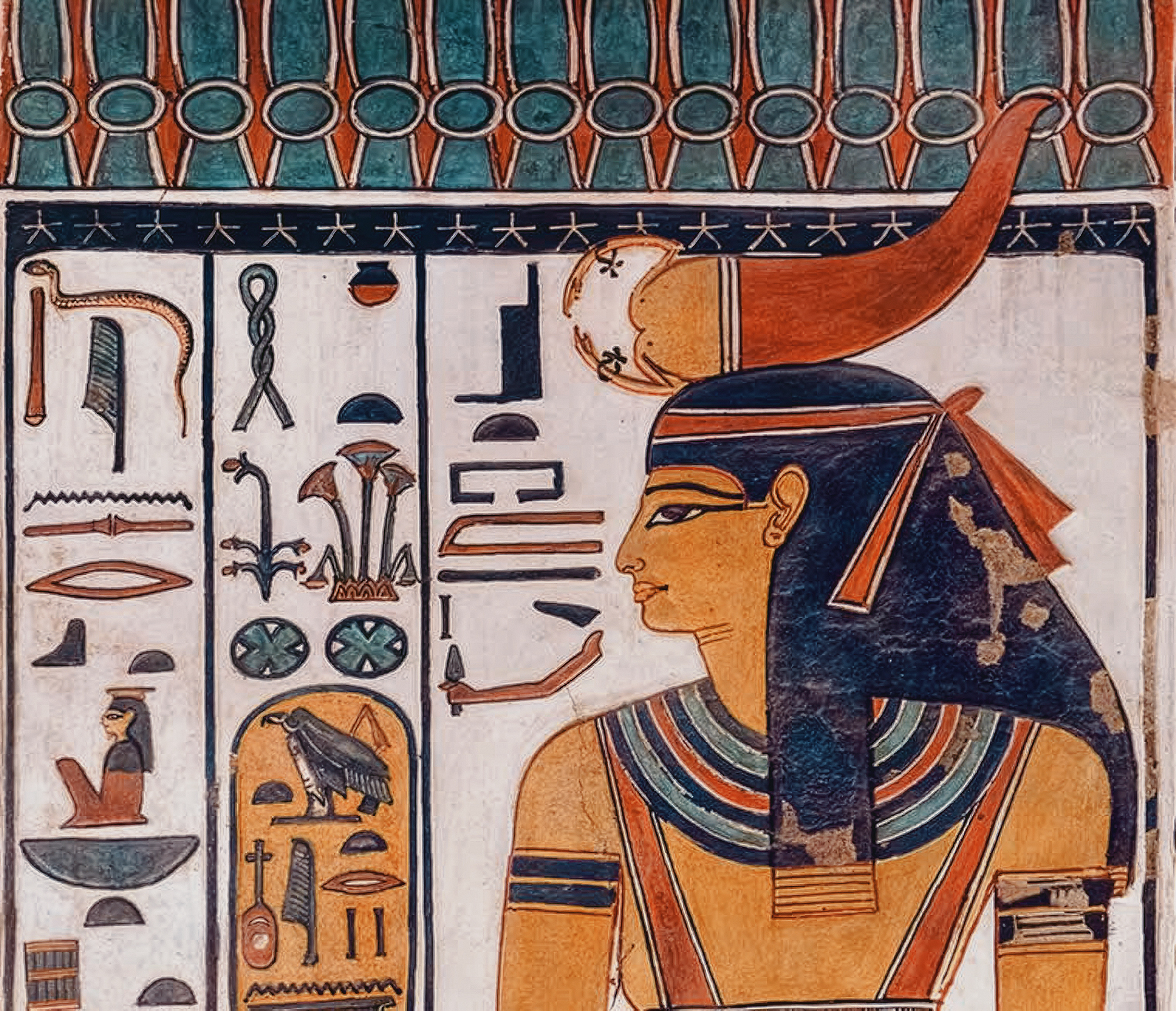
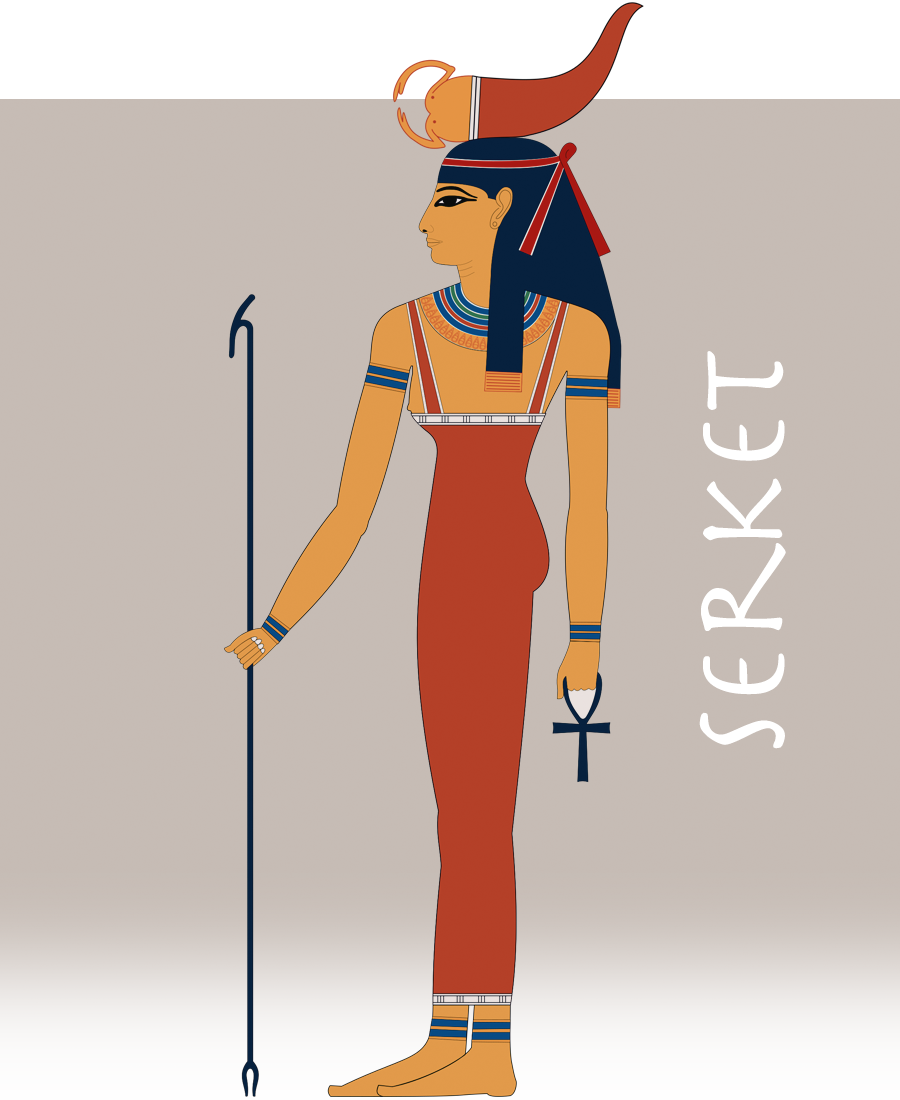
In Egyptian mythology, she was one of the four protective goddesses who guarded the body of the deceased and were associated with the embalming process. The other three were Nephthys, Isis, and Neith. Serqet's specific responsibility was to protect the body from venomous creatures and from the dangers of the underworld.
She was also considered a goddess of healing, specifically related to snake and scorpion stings. In some accounts, she played a role in the protection of Ra, the sun god, from the serpent Apep, who was a symbol of chaos.
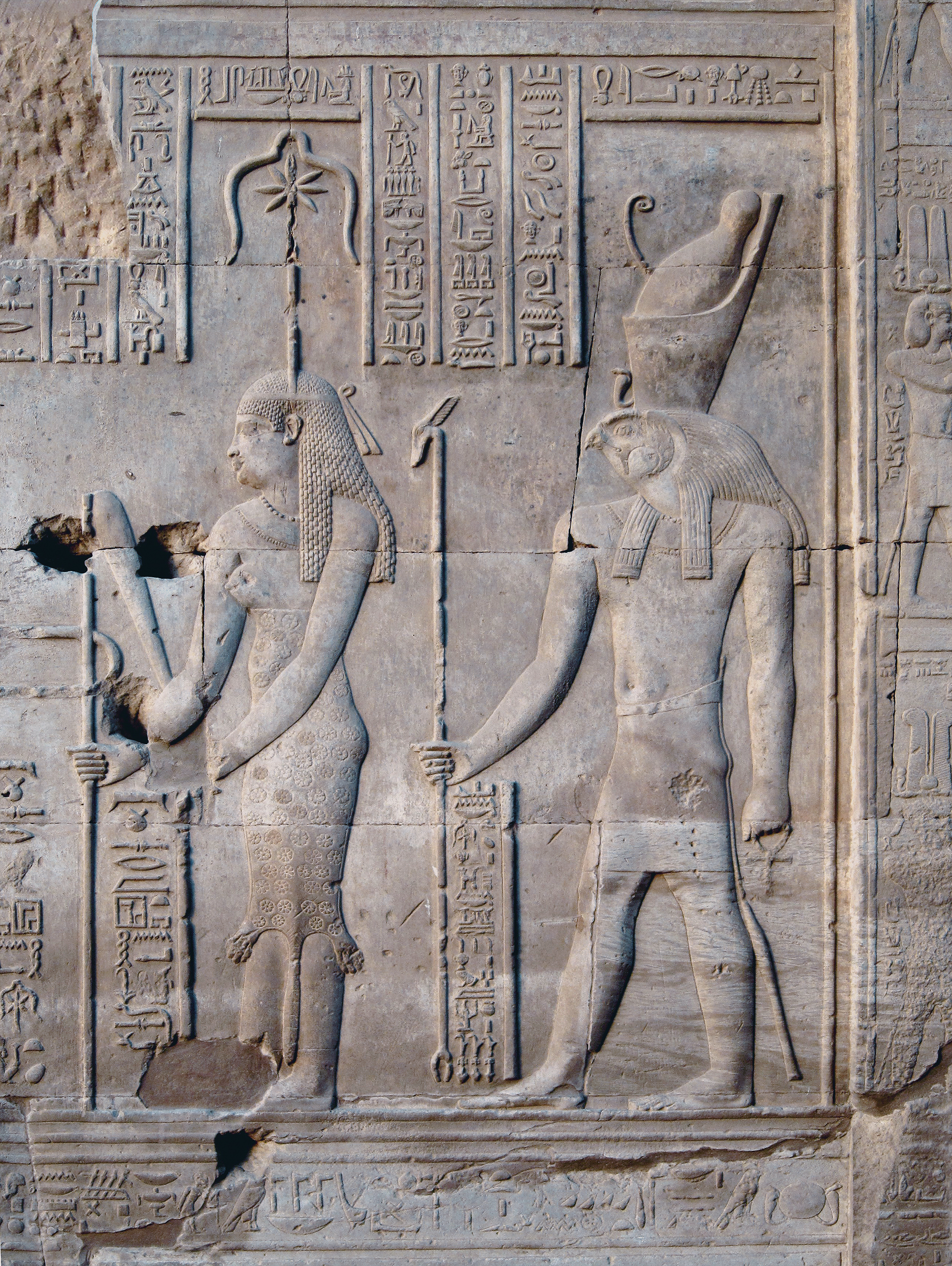
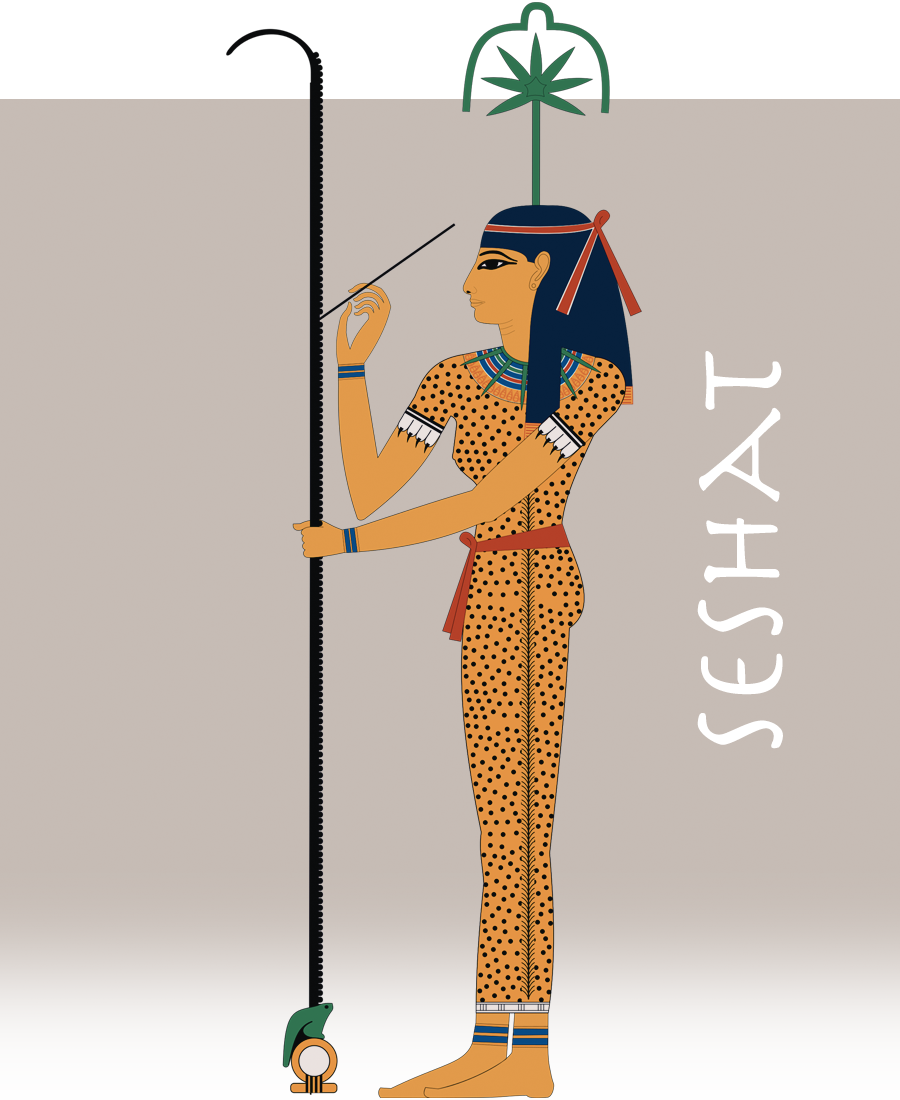
Seshat was considered the goddess of writing, measurement, and architecture, playing a key role in the intellectual and scientific life of ancient Egypt. She is sometimes regarded as the female counterpart or consort to Thoth, the god of wisdom and writing. While Thoth was often linked to the moon, Seshat was more connected to the stars, and she was also known as the "Mistress of the House of Books," where records and knowledge were kept.
Seshat was believed to assist in the recording of important events and the measurement of time, including royal decrees and the construction of temples and other monumental structures. In addition to her role in writing, she also had a symbolic role in determining the fate of kings and ensuring the legitimacy of rulers.
Seshat held titles related to construction, including "Lady of Builders", as she was involved in planning the building and expansion of sacred sites, such as temples.
The "stretching the cord" ritual, or pedj-sesh(r) ceremony, is one such example. This ritual related to laying out the foundations of temples and other important structures. It would have helped plan dimensions and align structures to astronomic or geographic features, while fixing the ground plan and determining its corners. It involved the use of rope/cord, poles/stakes, and clubs/mallets. Depictions of the ritual typically showed Seshat and the king, across from another, holding these tools and "stretching" the cord between them. The god Horus is sometimes depicted alongside them.
Text from the Palermo Stone indicates that this festival was performed at least as early as the First Dynasty, where it involved her priests. The oldest iconographic depiction dates from the Second Dynasty, where Seshat and Khasekhemwy carry out the ritual.
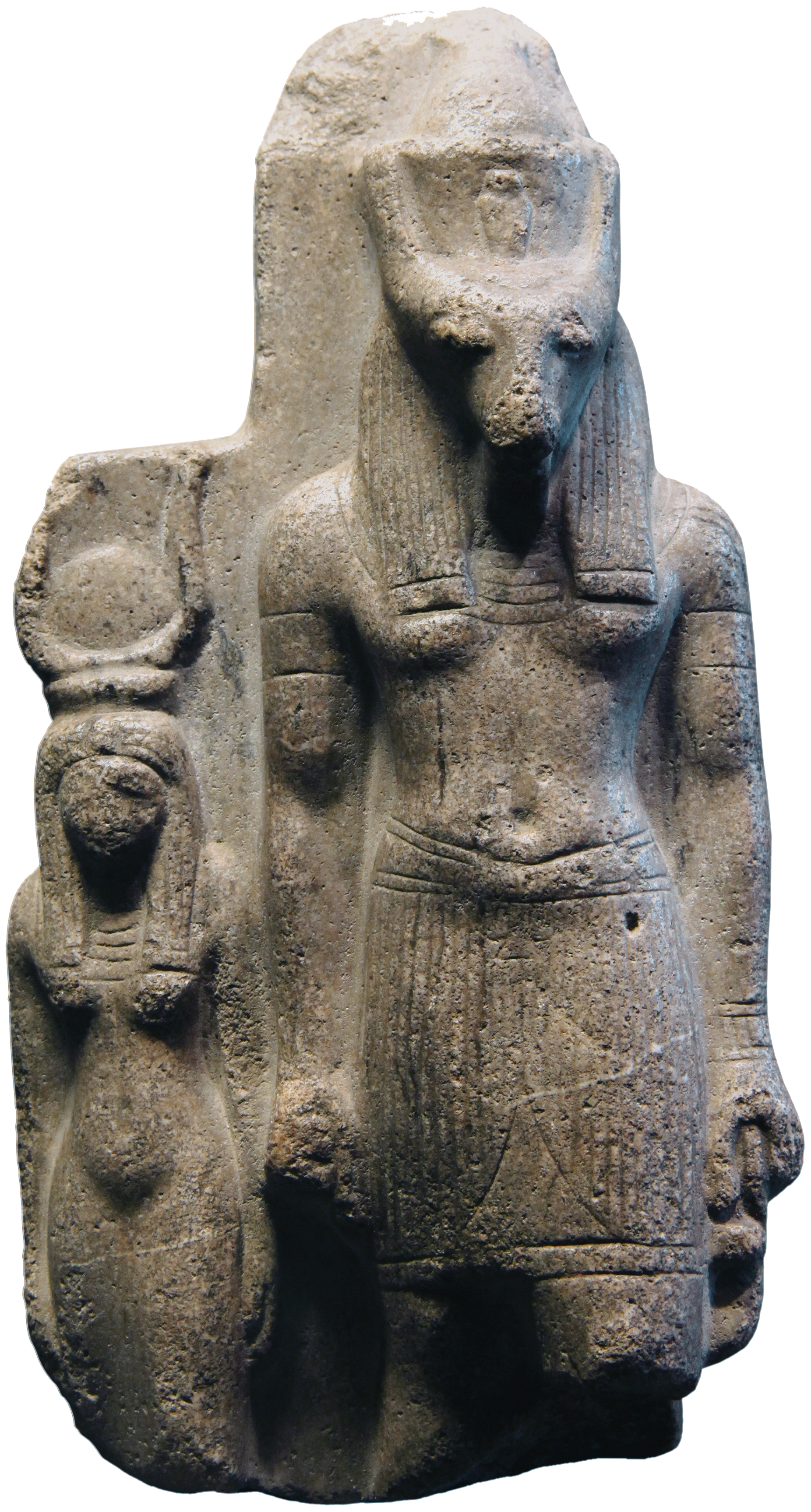
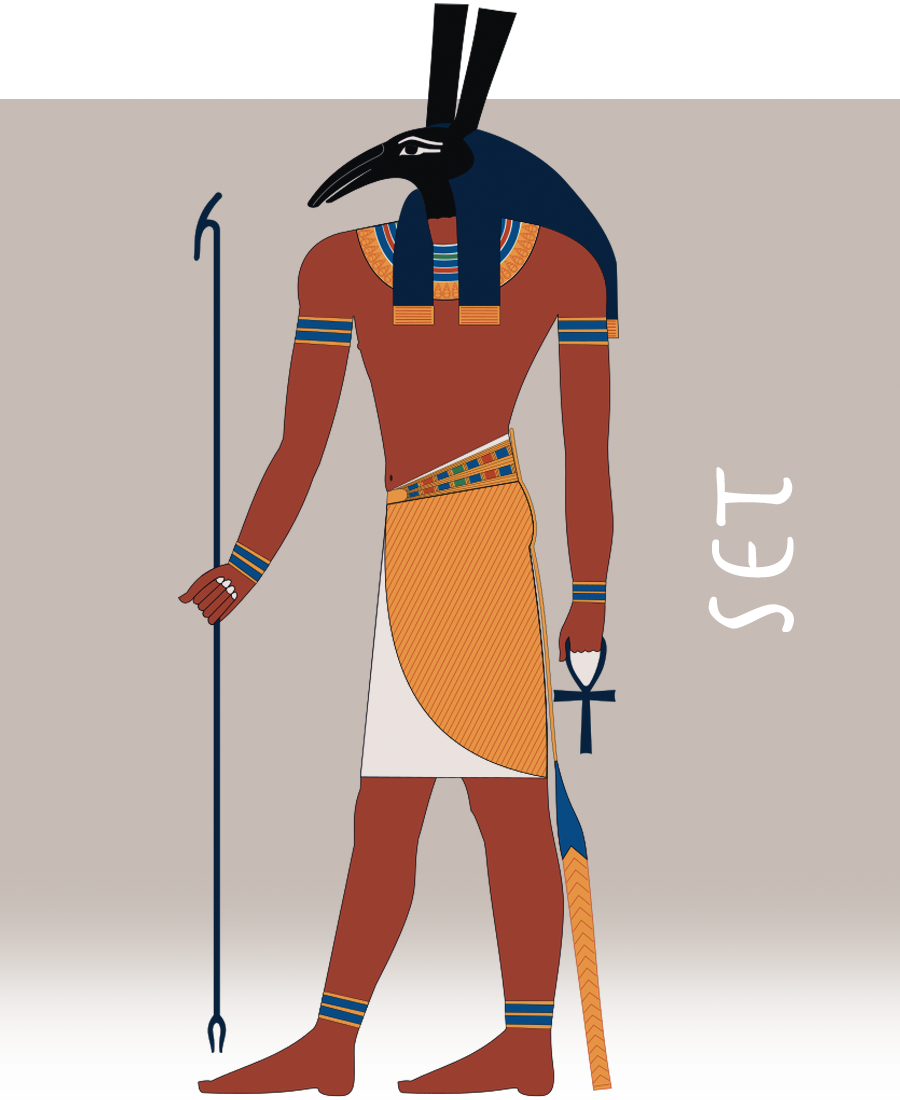
Often shown as a man with the head of the Set-animal, a mysterious, unidentifiable creature with a long, curved snout and square ears. His scepter, was a symbol of power.
In the notable Osiris myth, the most important Egyptian myth, Set is portrayed as the usurper who murdered and mutilated his own brother, Osiris. Osiris's sister-wife, Isis, reassembled his corpse and resurrected her dead brother-husband with the help of the goddess Nephthys. The resurrection lasted long enough to conceive his son and heir, Horus. Horus sought revenge upon Set, and many of the ancient Egyptian myths describe their conflicts.
His centers of worship was Ombos (Naqada region), later associated with Tanis.
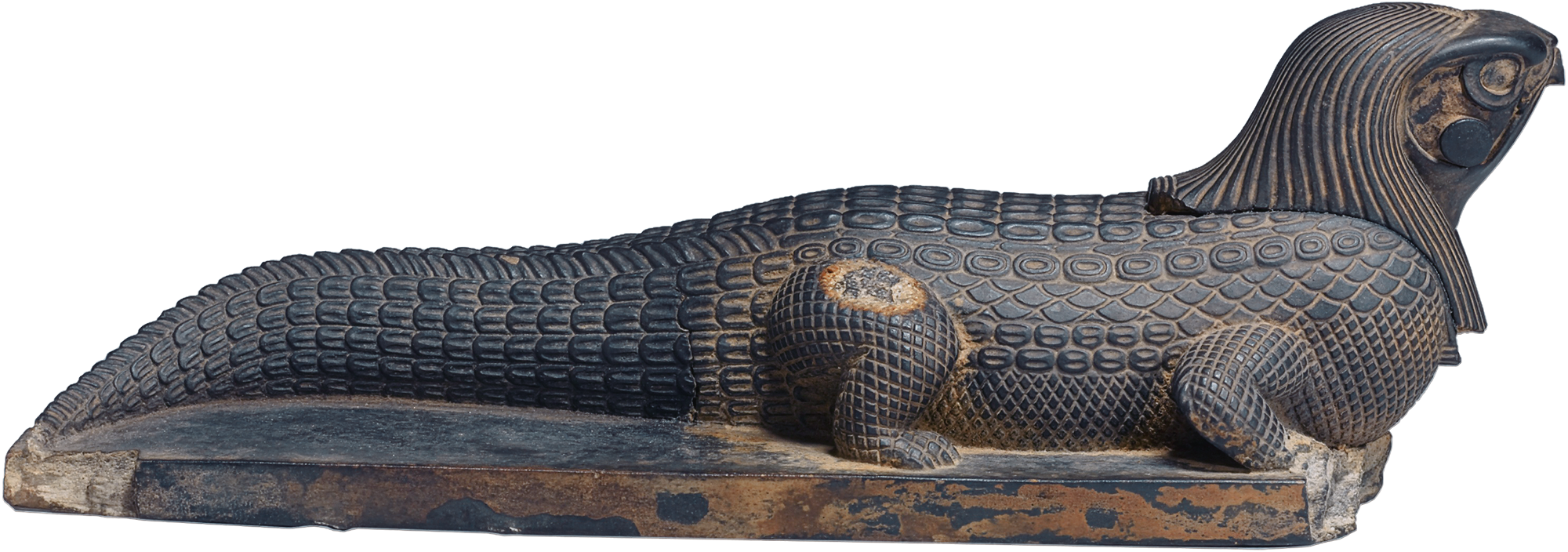
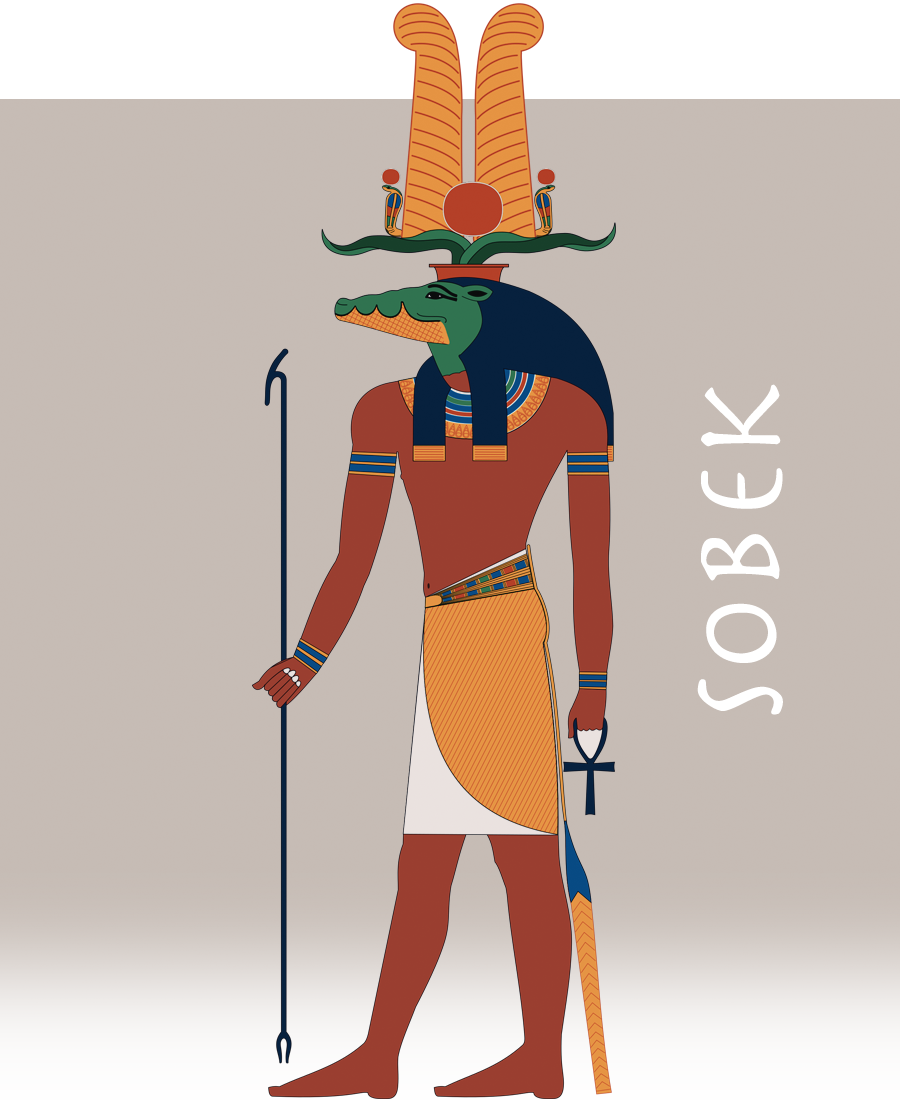
Sobek was seen as a god of strength, and he had a dual nature. On one hand, he was linked to the life-giving qualities of the Nile and its fertile banks, making him a deity of agriculture and fertility. On the other hand, he was feared for his fierce, predatory nature as a crocodile. This duality made him a powerful figure in Egyptian religion.
Sobek’s worship was widespread, and he had temples dedicated to him, most notably the temple at Kom Ombo, which still stands today in Egypt. He was also thought to have had protective qualities, guarding people from dangers, particularly in the Nile.
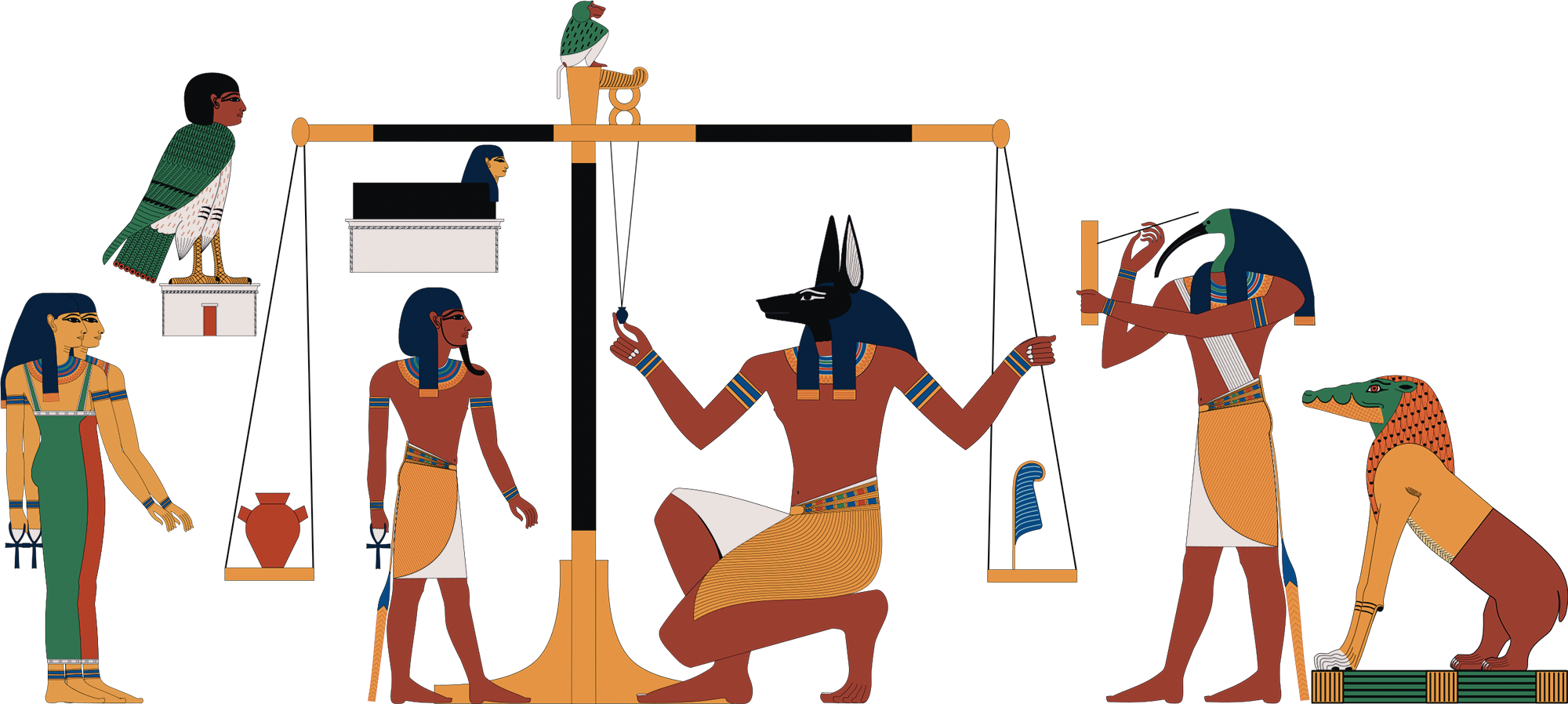
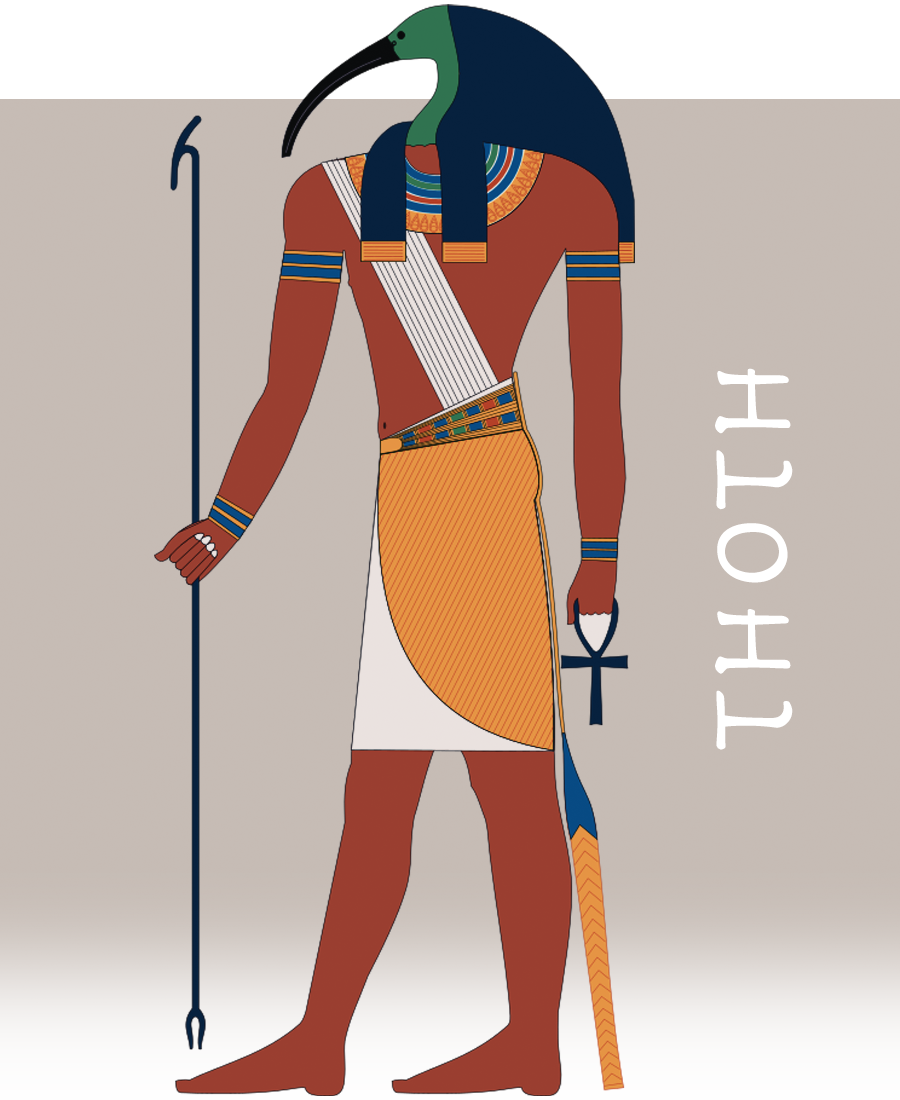
He is sometimes described as self-created, emerging from the primal chaos (Nun) to bring order. As God of Time and the Moon, Thoth is sometimes associated with the moon and considered a regulator of time, particularly through his connection to calendars and astronomical calculations. He often took on the role of divine mediator in disputes and assisted in the judgment of the dead in the underworld, recording the outcomes of the “Weighing of the Heart” ceremony. He often carries a scribe’s palette and stylus, representing writing, or an ankh and scepter, signifying life and authority.
Thoth played a crucial role in many myths, including the Osiris myth, where he helps resurrect Osiris and assists Isis with magical knowledge.
Ancient Egyptians relied heavily on Thoth as the divine source of wisdom, mathematics, astronomy, medicine, and magical practices. His reputation as a scribe and recorder made him essential in both religious and governmental functions.
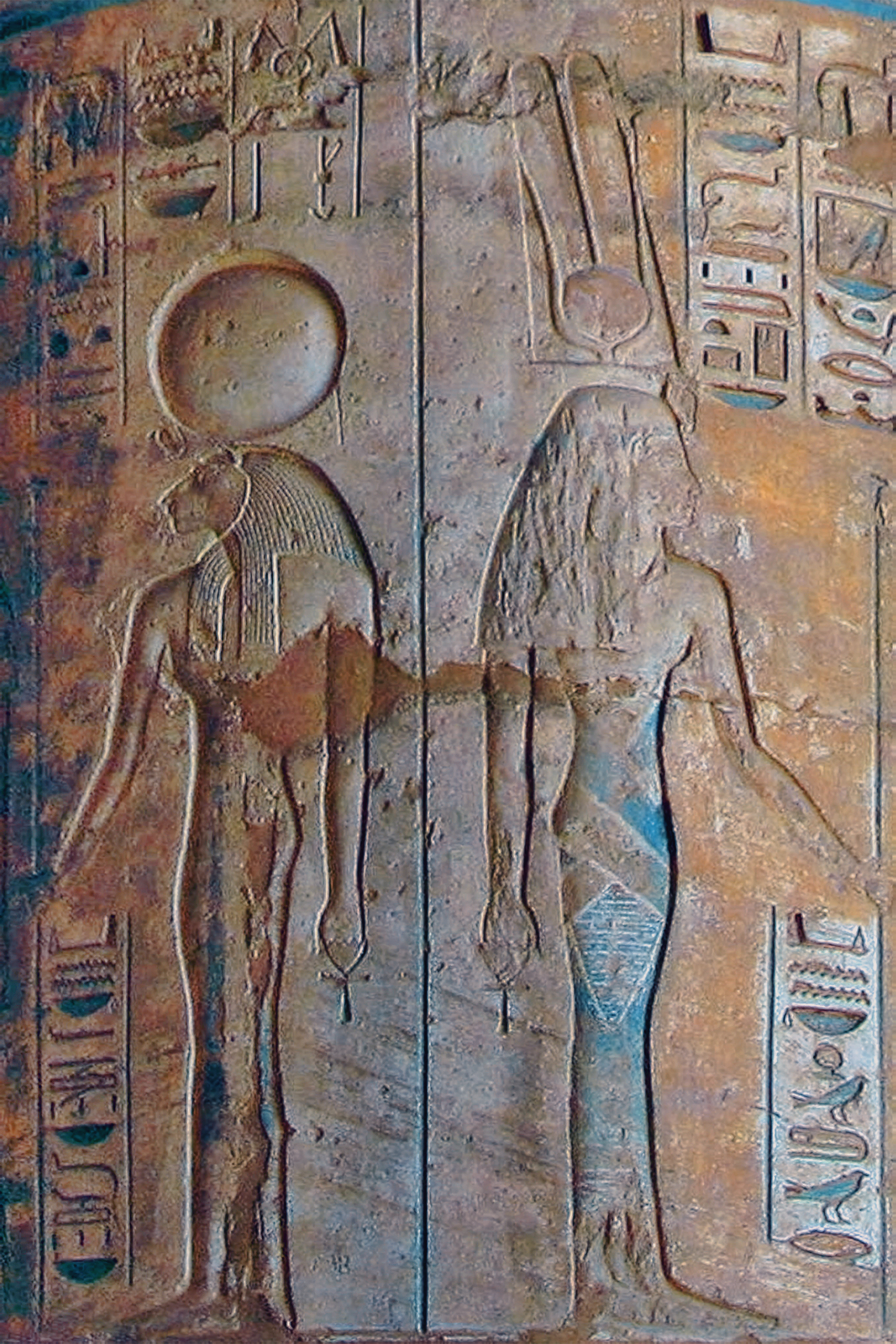
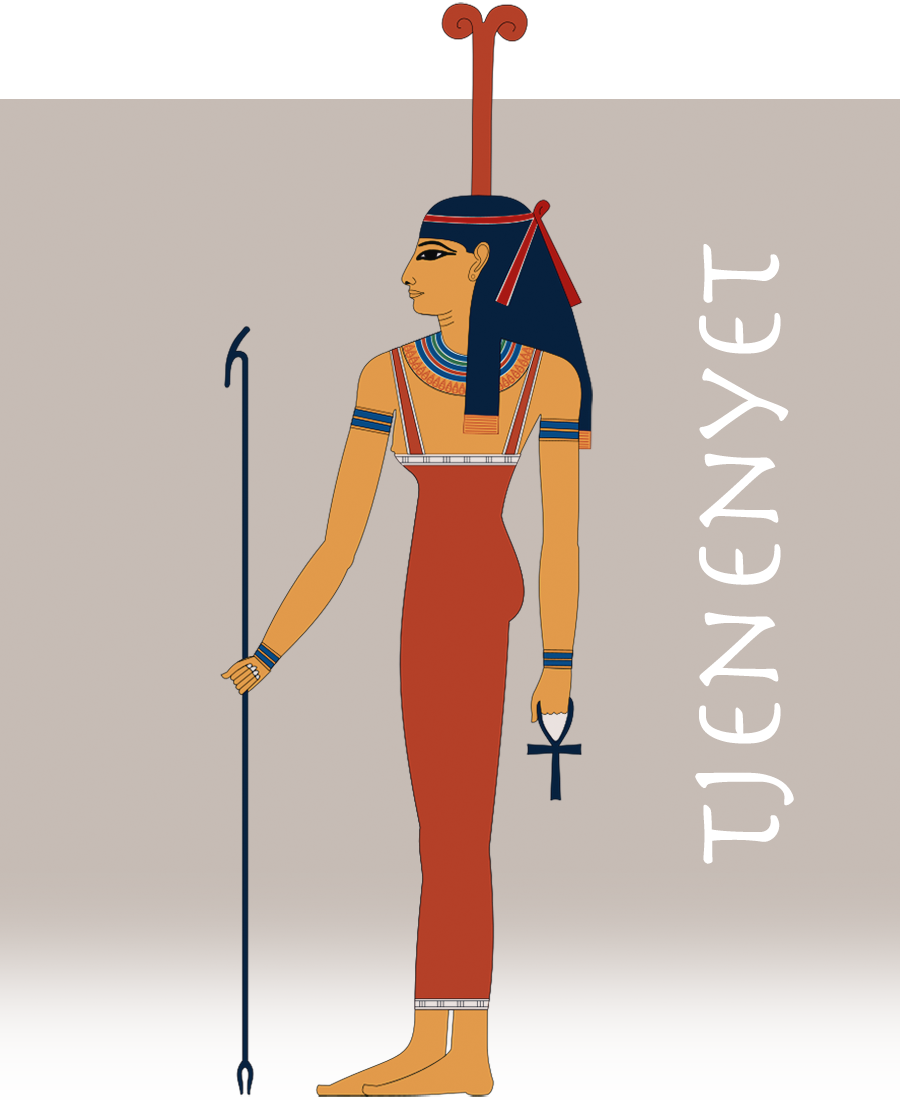
Tjenenyet was regarded as a fertility goddess, providing protection for women during pregnancy and childbirth. She was often invoked in rituals for the safe delivery of children and the general wellbeing of the mother. She was considered a protector of women’s health, particularly when it came to childbirth. Offerings were often made to her to ensure that the process of giving birth was safe for both the child and mother.
She is sometimes shown with a sphinx-shaped head or wearing a headdress that might represent a womb or nurturing aspect. In other representations, she may wear a reed or plant crown, symbolizing her connection to fertility and growth.
Tjenenyet was also associated with brewing and beer production, both of which were vital parts of daily life in ancient Egypt. This connection might represent her nurturing role, as beer was often seen as a life-sustaining drink in ancient Egypt, particularly for children and the elderly.