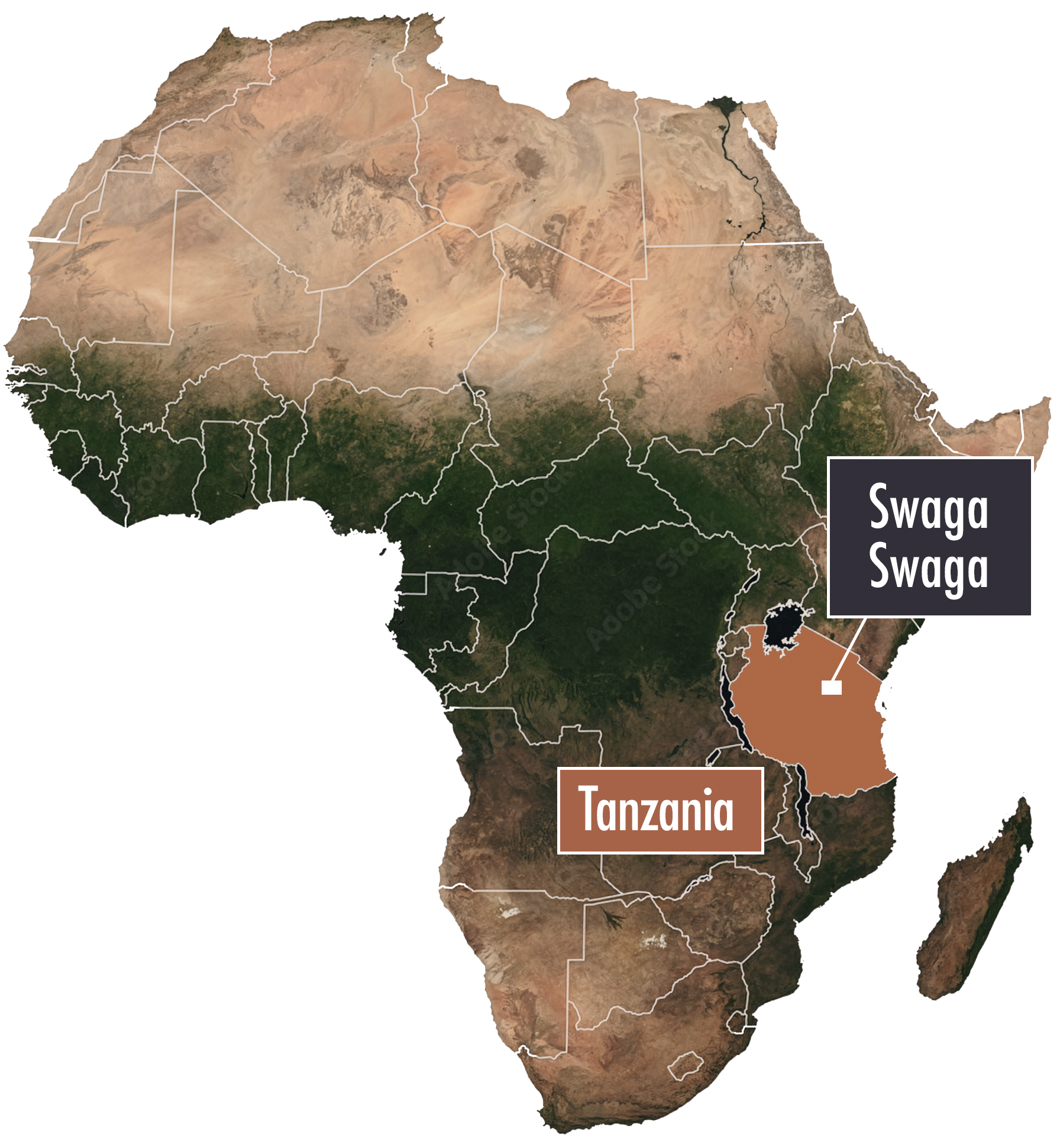
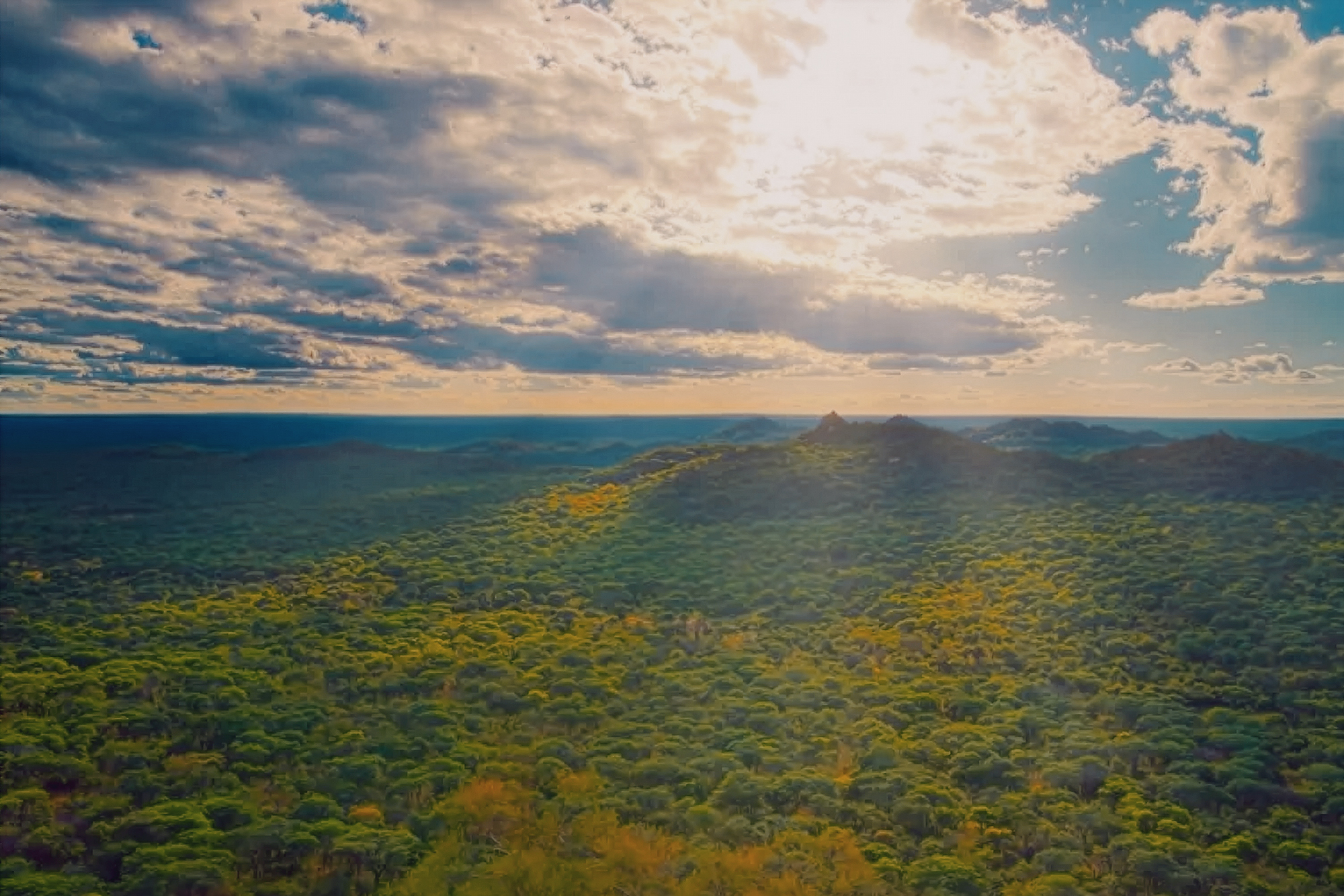
Swaga Swaga Game Reserve is located in the Chemba and Kondoa districts in the Dodoma region and a small piece of its land falls in Singida district in Singida region. In the North, the reserve borders Hanang district of Manyara region. The reserve gives refuge to elephants and other vulnerable animals.
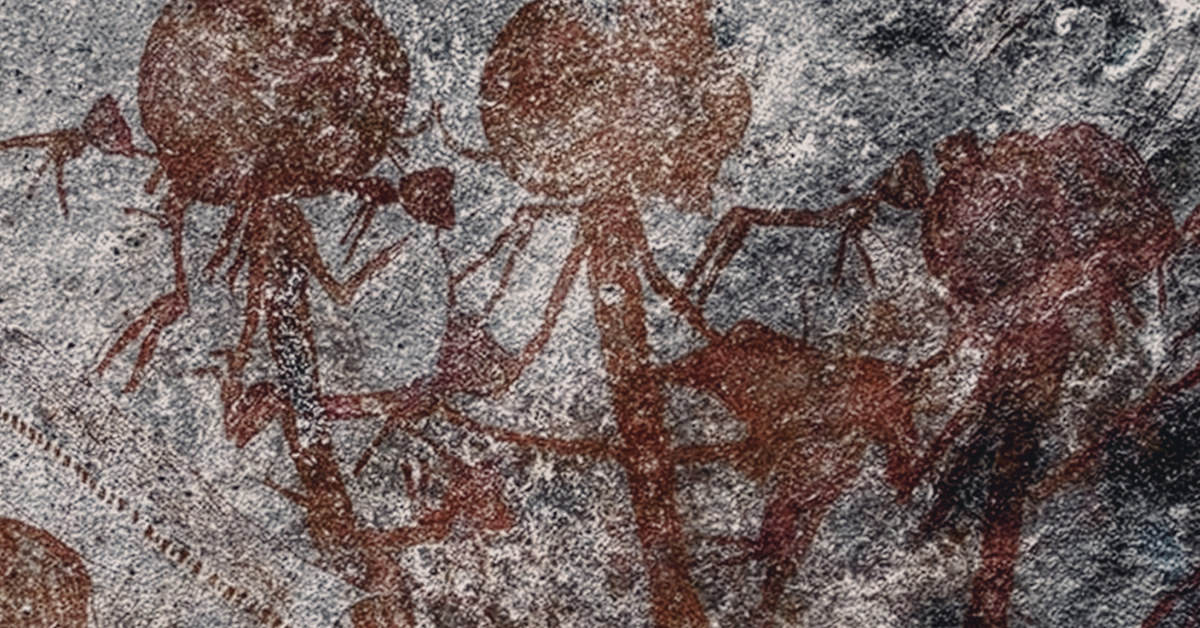
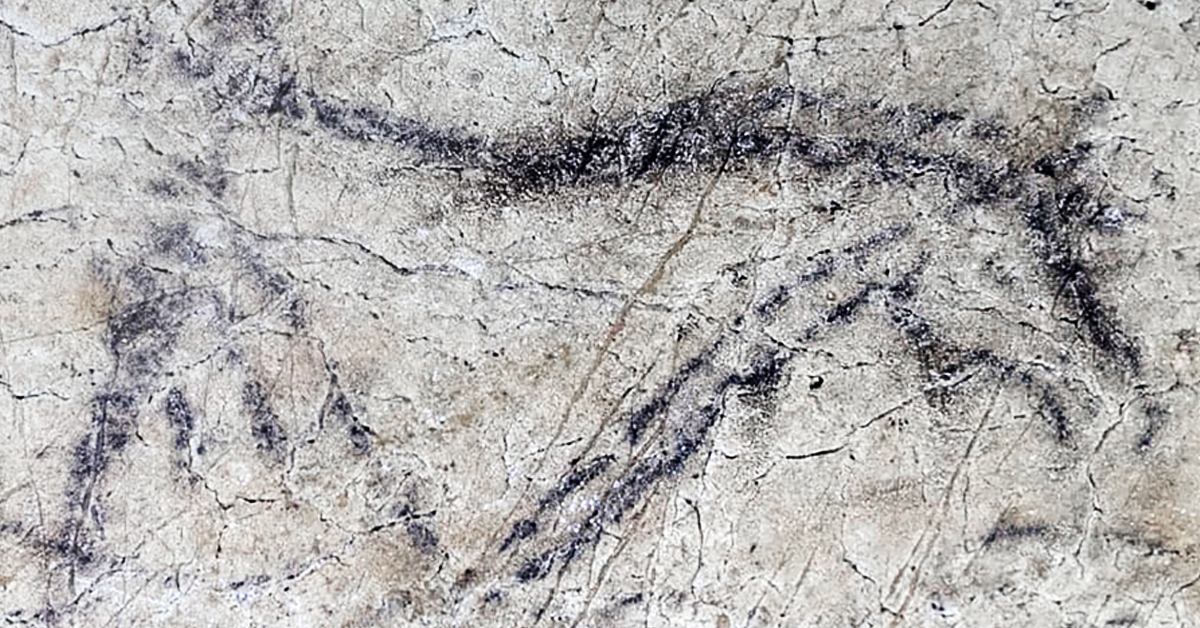
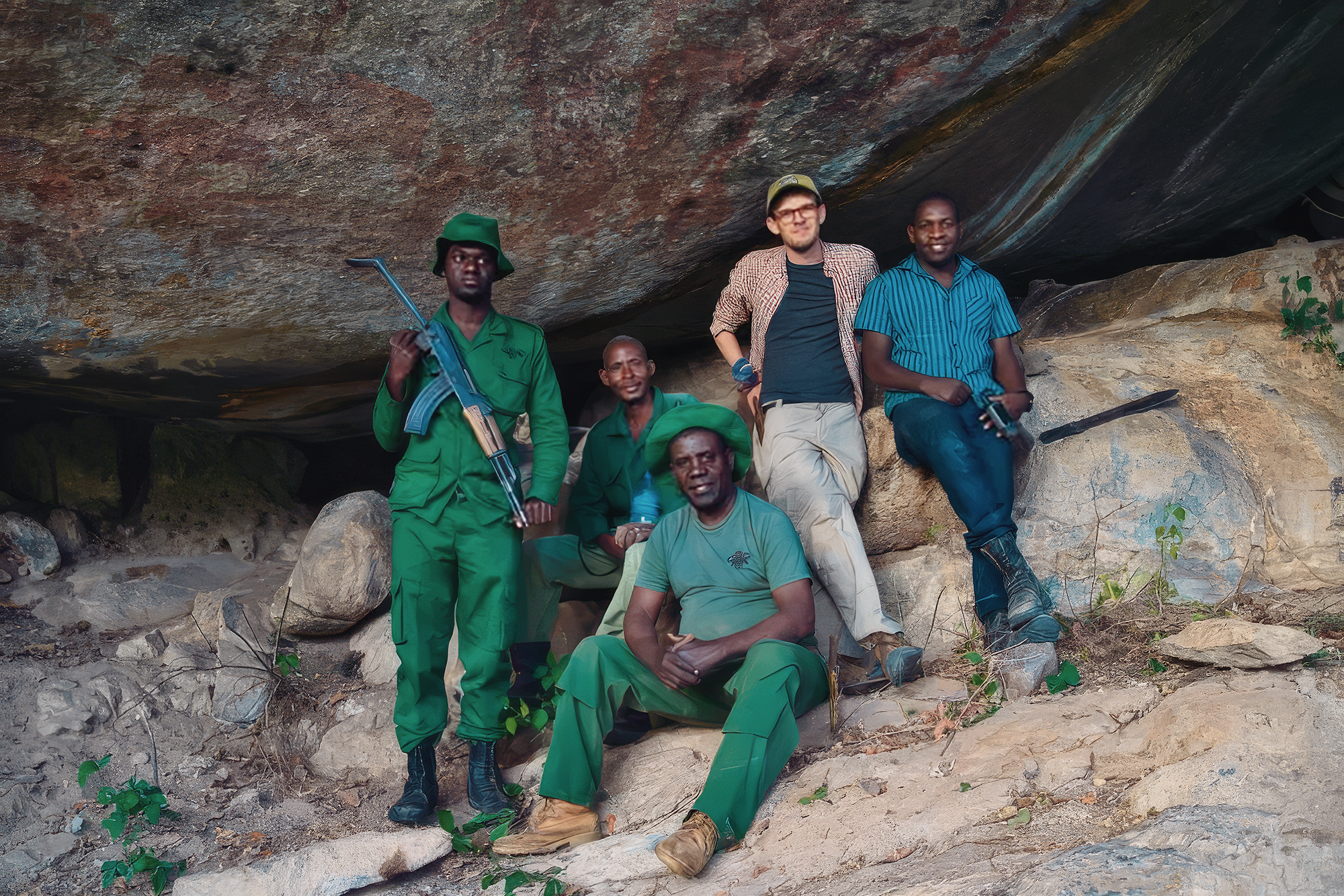
Maciej Grzelczyk, a researcher at the university’s Institute for the Study of Religions, explains that "Most are in good condition, mainly due to a rock overhang that protects them from flowing water and exposure to excessive sunlight. The red paintings are particularly varied: in addition to the images of animals, there are also (what appear to be) meteors or comets. This is rare not only in African archaeology. Perhaps we are dealing with images related to mythology - according to the local beliefs, baobabs played an important role in the creation of mankind."
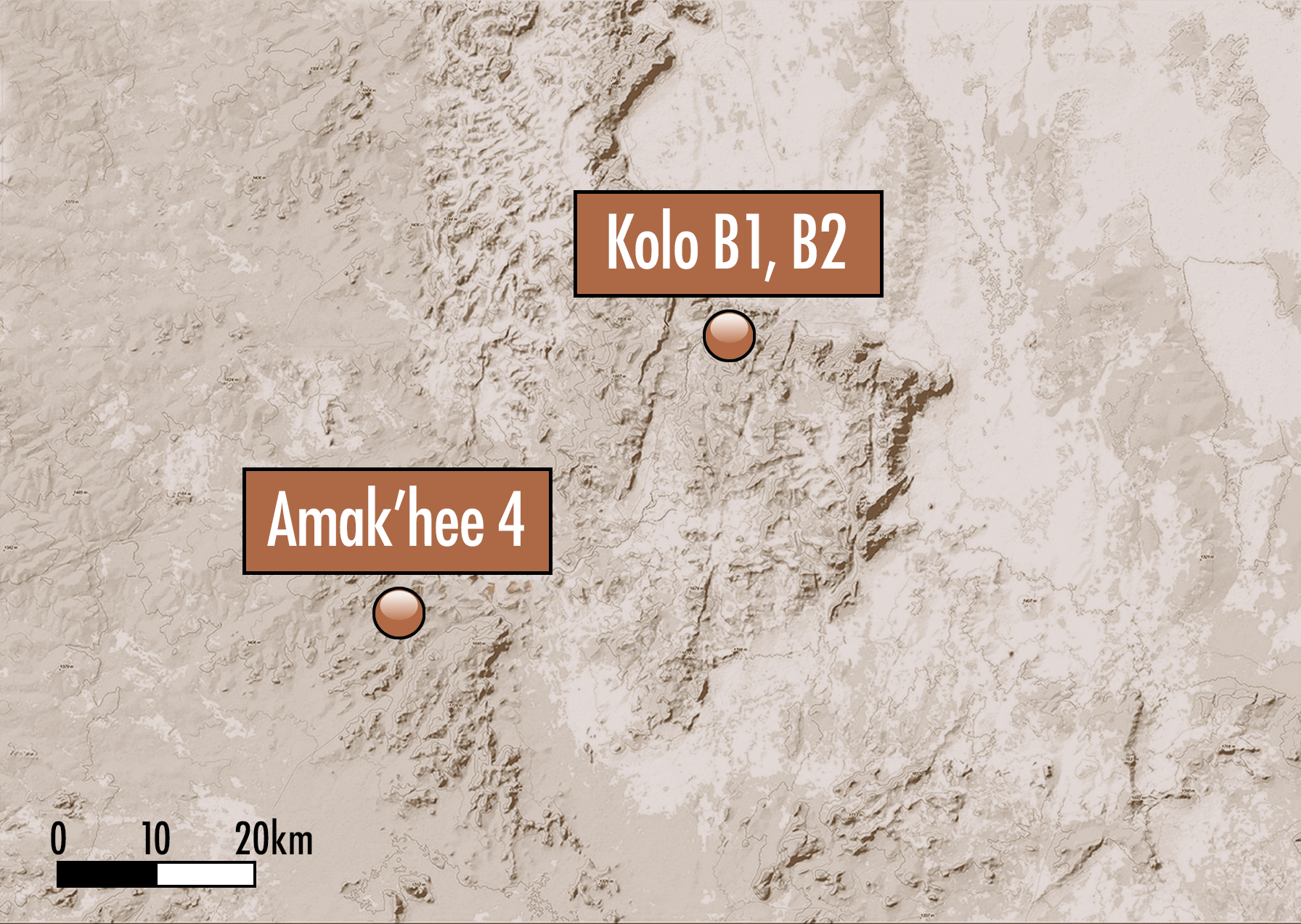
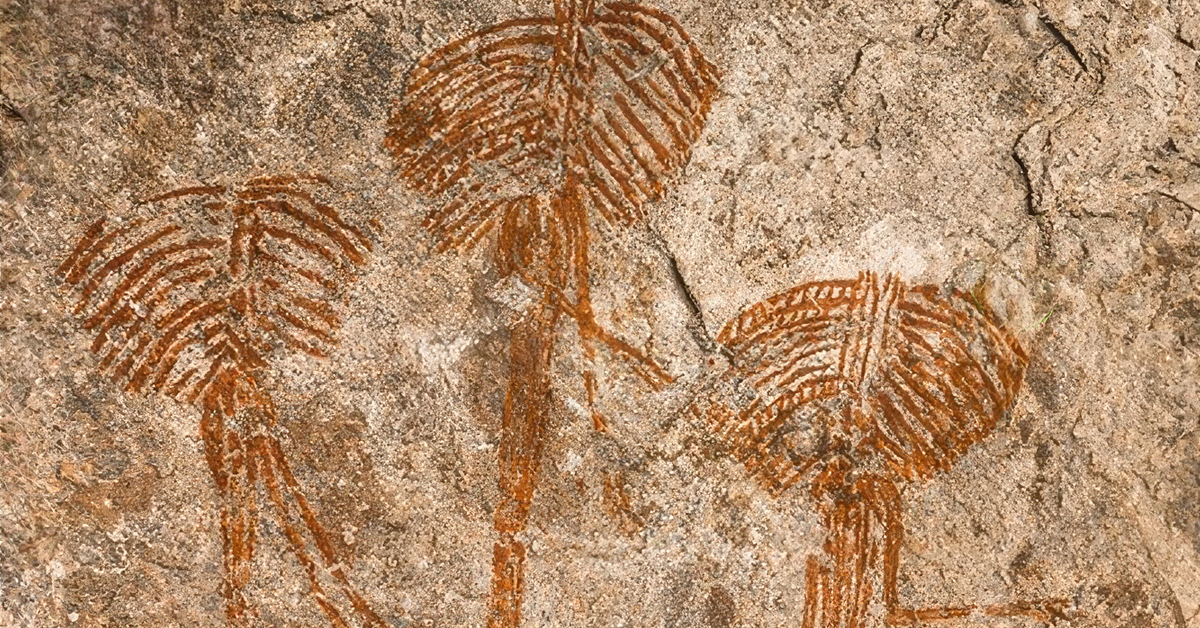
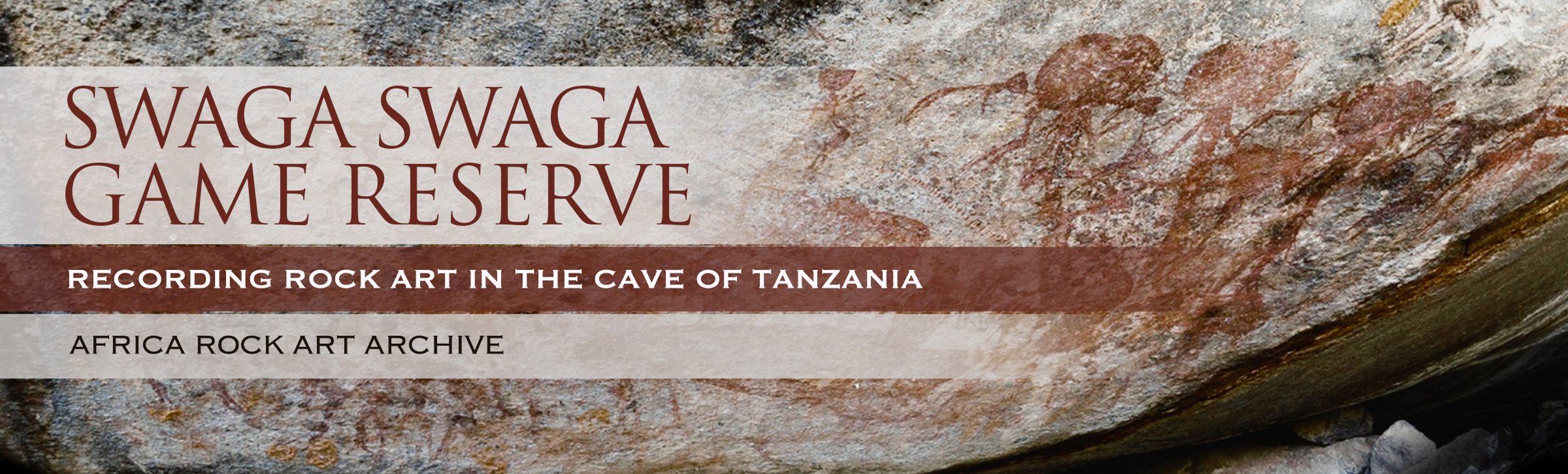
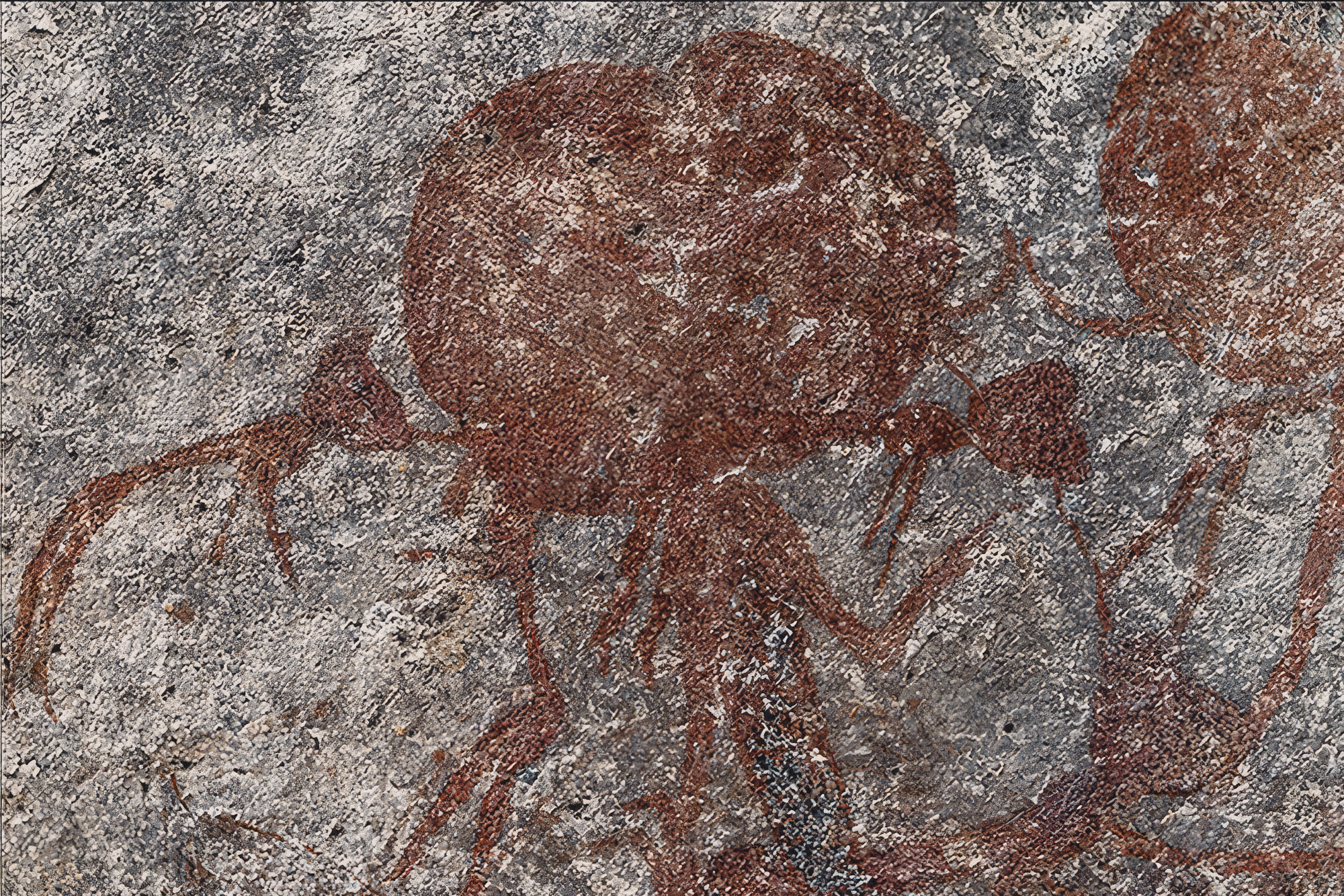
"Particularly noteworthy among the Amak'hee 4 paintings is a scene that centres around three images. In this trio, the figures seem to feature stylised buffalo heads. These shapes recall the central dip in the profile of the buffalo head from where the two horns rise and then curve outward away from the head, as well as the downturned ears. Even though in the present religion of the Sandawe people - who are descendants of those who created the paintings - we find no elements of anthropomorphisation of buffaloes, nor belief in the possibility of transformation of people into these animals, there are some ritual aspects that offer parallels.""
About 50 metres from Amak'hee 4 site there is another shelter that has white paintings, known as Amak'hee 3. Grzelczyk found that this functioned as a family residence around 30 to 40 years ago, before the area was made into a game reserve. Along with the white paintings, Amak'hee 3 also contains modern drawings. The researcher will now continue documenting unpublished rock art in the region as, although the sites are known locally, they remain undocumented and unknown to the world at large.
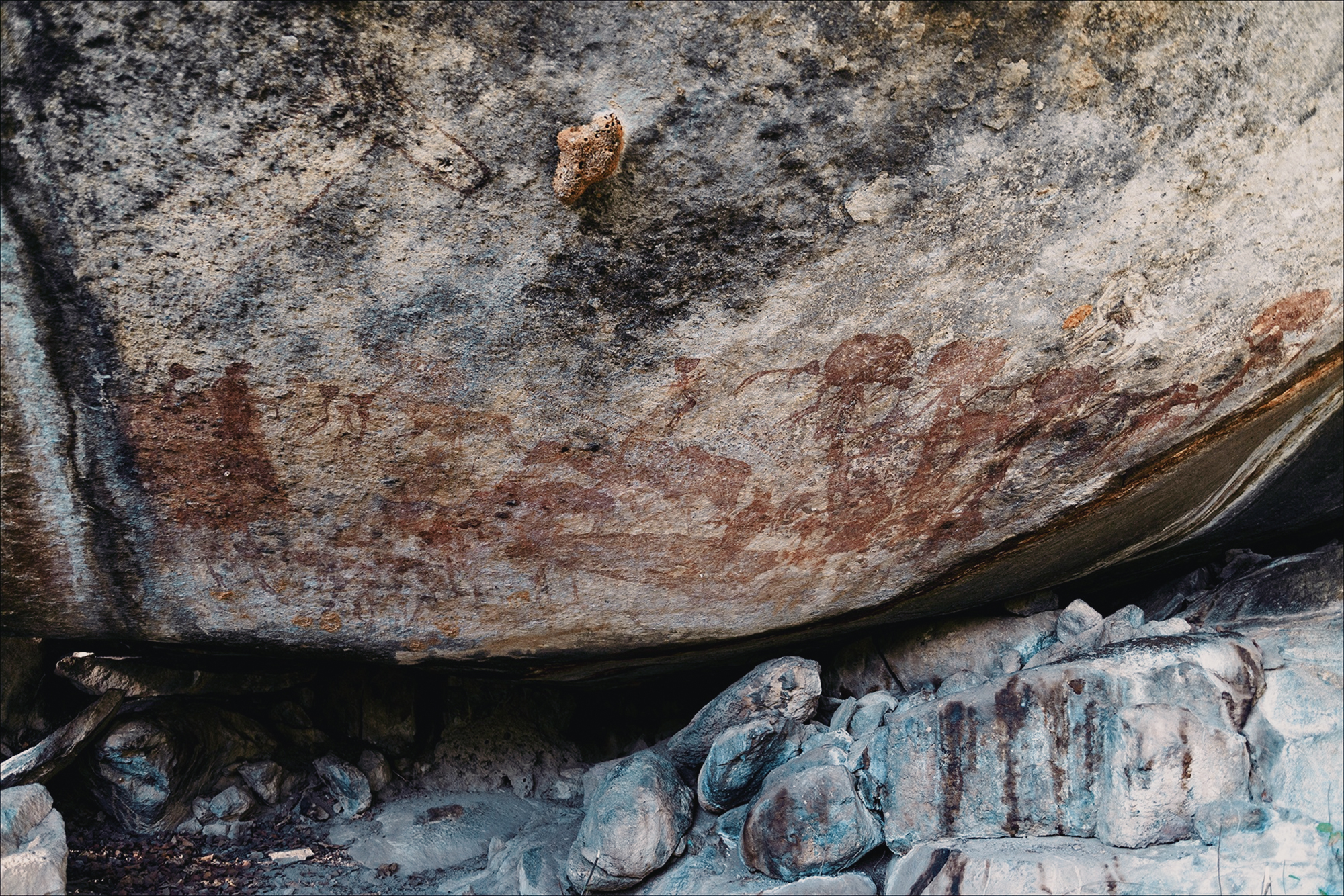
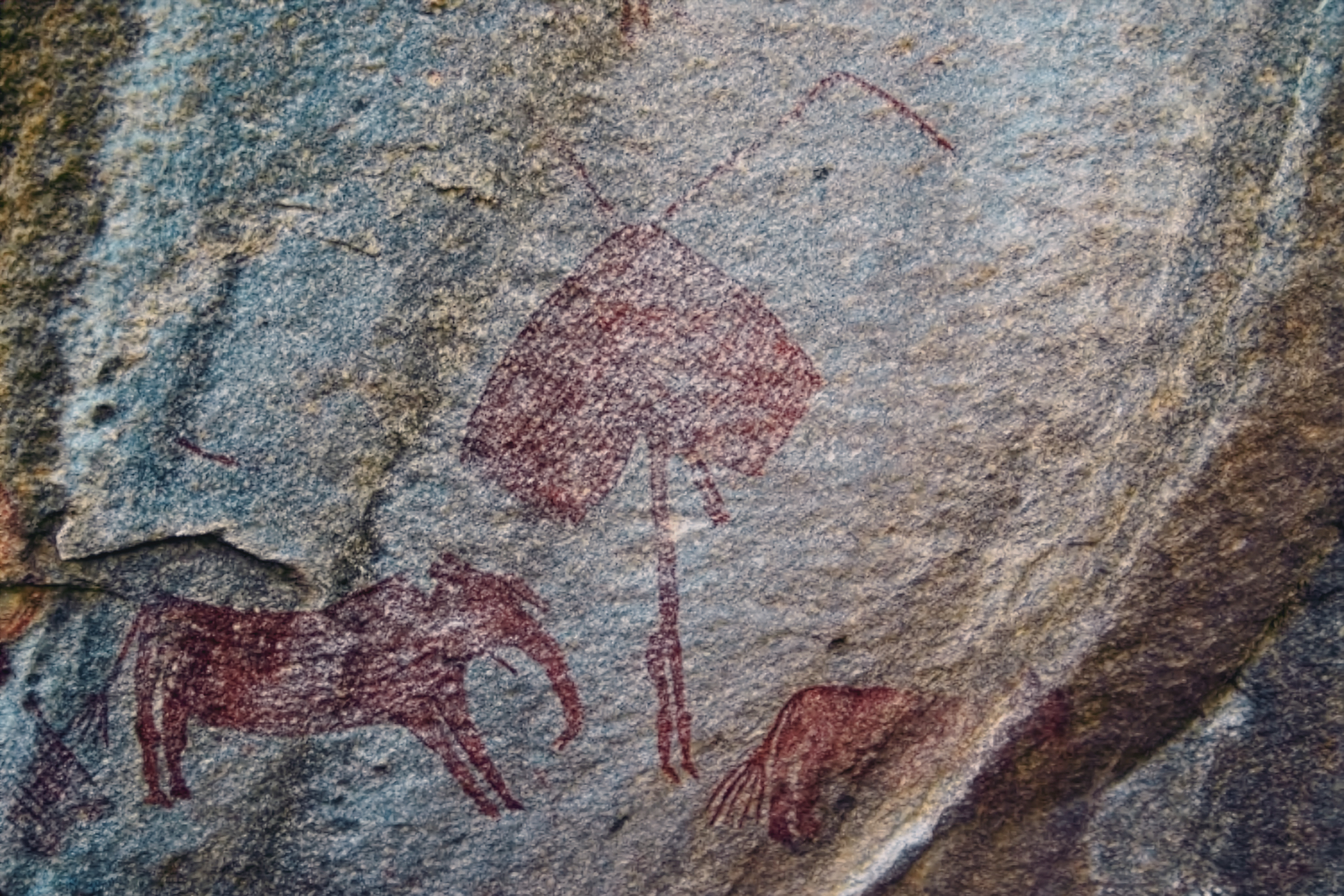
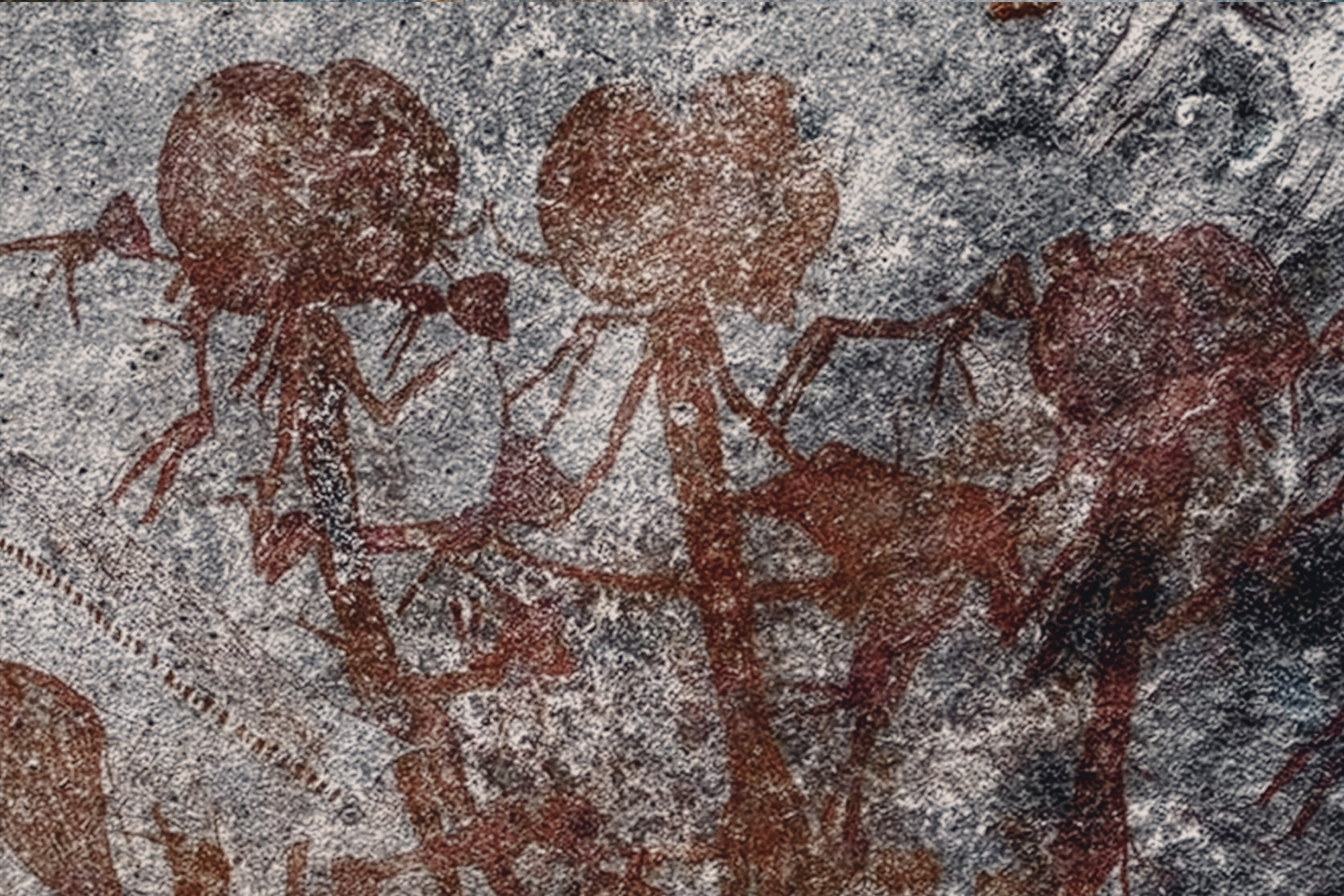

The main site is a large commanding shelter, Kolo 1 is home to numerous red fine-line paintings, some of which are now faded. Kolo 2 can be found south of Kolo 1, and contains depictions of human and animal figures. While finally Kolo 3 located north of Kolo 1 again features human and animal art alongside geometric figures.
The motif of a trio of images is characteristic of regional paintings, and is observed in many depictions from the UNESCO Kondoa-Irangi sites. The closest parallels for Amak'hee 4, are images at the sites of Kolo B2 and B1, which were documented and described by Mary Leakey. Paintings from Kolo B2 and B1 also have scenes that centre around three figures as the leading motif. The similarities between the scene from Amak'hee 4 and Kolo B1 & B2 do not derive from the drawing styles, but can be found in the arrangement of the figures’ hands, the positions of their bodies and the characteristic composition of the image with the figures in a line.
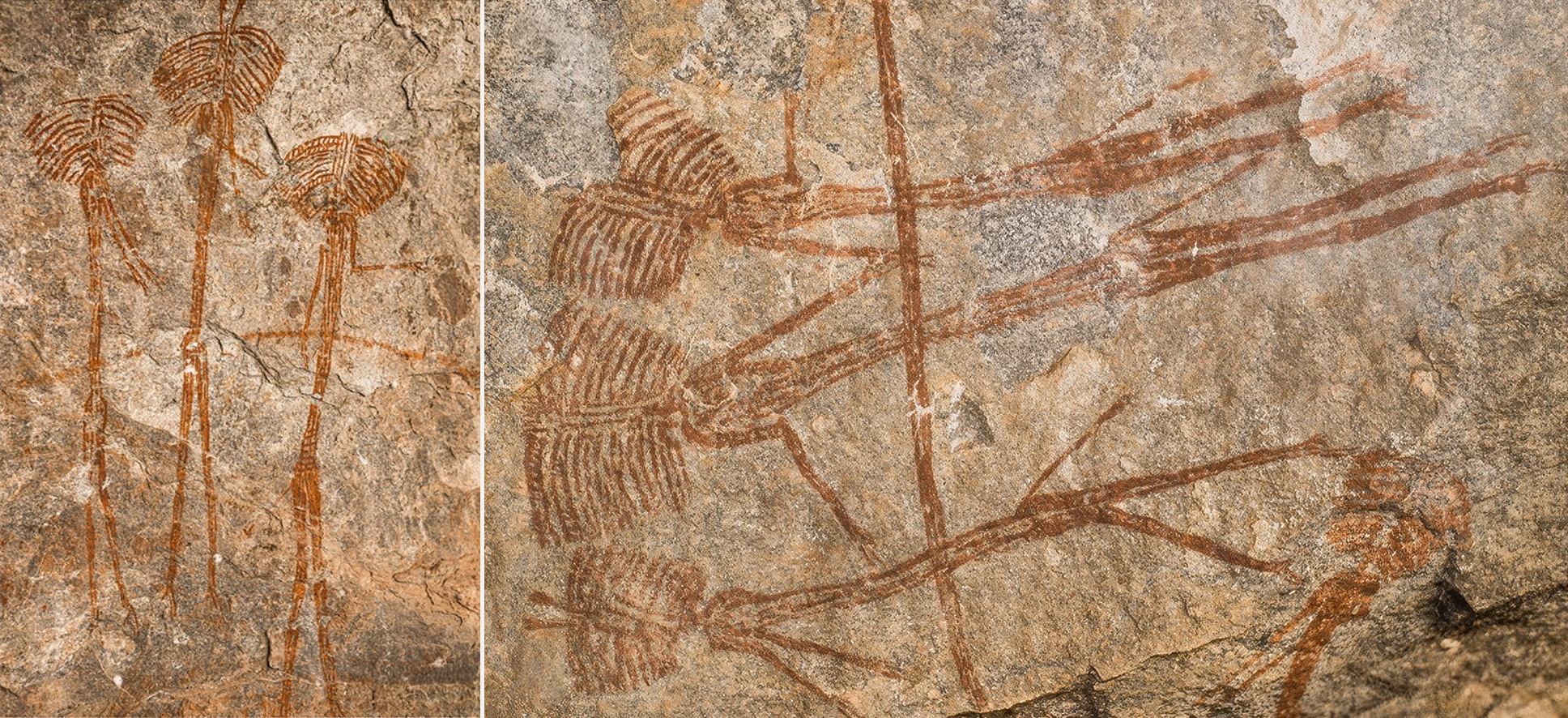
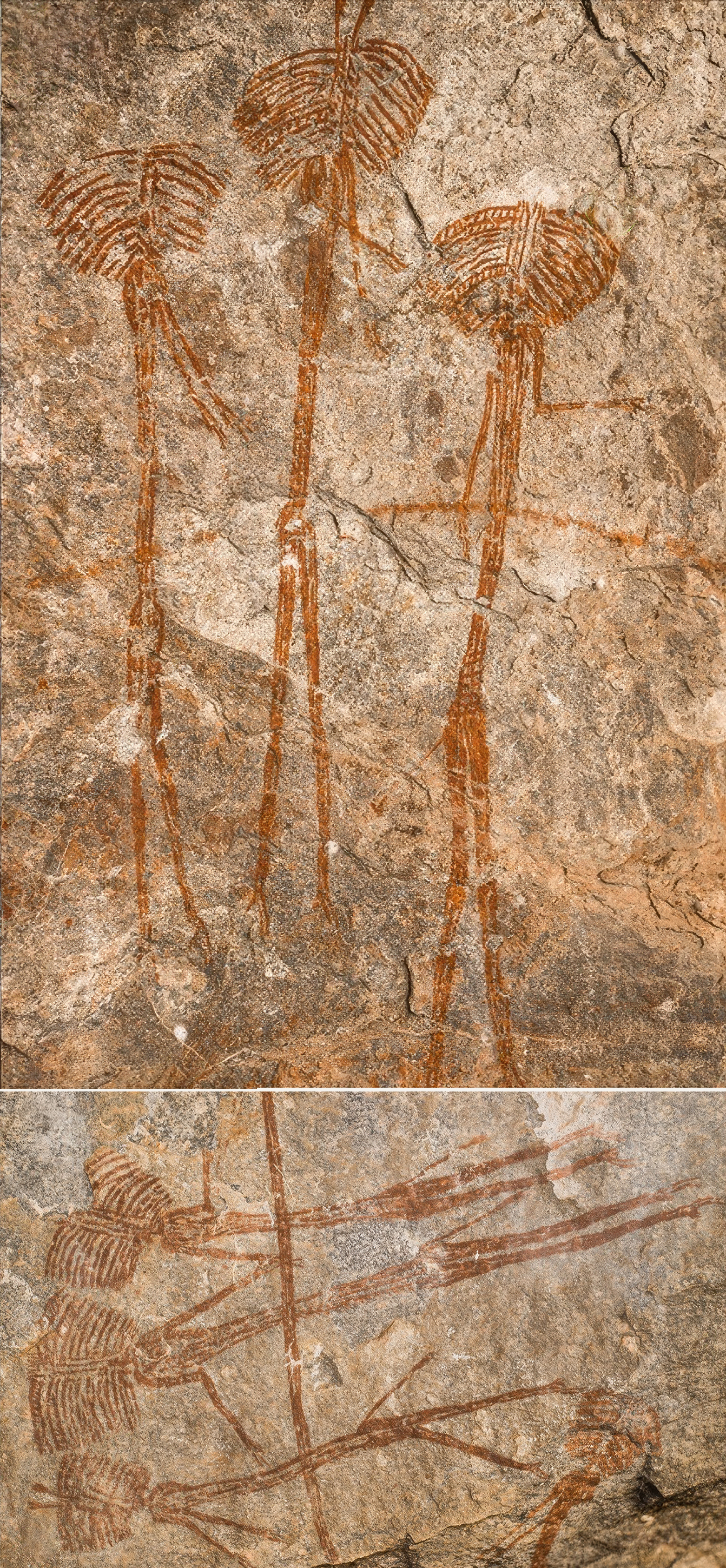
While the paintings from Kolo B2 are presented in the vertical position, in a similar motif found at Kolo B1, the figures are depicted horizontally. Mary Leakey's interpretion this to mean that the Kolo B1 trio must have been either captured or killed by enemies. It is of note that some of the paintings from Amak'hee 4 are also painted horizontally and appear to be falling to the ground. This ‘falling’ depiction can be seen at many rock art sites in Tanzania.
The English-born archaeologist and paleoanthropologist, Mary Douglas Leakey a member of the distinguished Leakey family of scholars and researchers, documented many of the paintings at Kolo in the 1950's. Later in the 1980's she predicted that if measures were not taken to protect the rock art, the paintings would be destroyed through lack of preservation and conservation. It has been observed that the rock art are being damaged by dust from the ground and in some instances rainwater causing deterioration.
I have often wished over the years that the Tanzania rock paintings might be better known and more widely appreciated. They are so beautiful and disappearing so fast. (Mary D. Leakey).
Tanzania has a rich history of rock art and is home to some of the densest concentrations of rock art in East Africa. The rock art exhibits many different styles from a variety of periods, the earliest of which may date back as far as 10,000 years ago. The rock art is predominantly paintings with the Kondoa region and Lake Eyasi basin being the principal locations of art so far discovered. The rock art at Kondoa was inscribed to the UNESCO World Heritage list in 2006. World Heritage Sites are landmarks and areas with legal protection under an international treaty administered by UNESCO for having cultural, historical, or scientific significance. The sites are judged to contain "cultural and natural heritage around the world considered to be of outstanding value to humanity".
- The Rock Art of Africa
- Tassili n'Ajjer
- The Dabous Giraffe Petroglyph, Niger
- The Rock Art of Niger
- The Rock Art of Namibia
- The Rock Art of South Africa
- Hunter-gatherer rock art sites in Africa
- Gilf Kebir - Cave of Swimmers
- Animals in Rock Art
- Rock Art of Western Central Africa
- Where is the Oldest Rock Art?
- Africa's World Heritage Sites (Film)