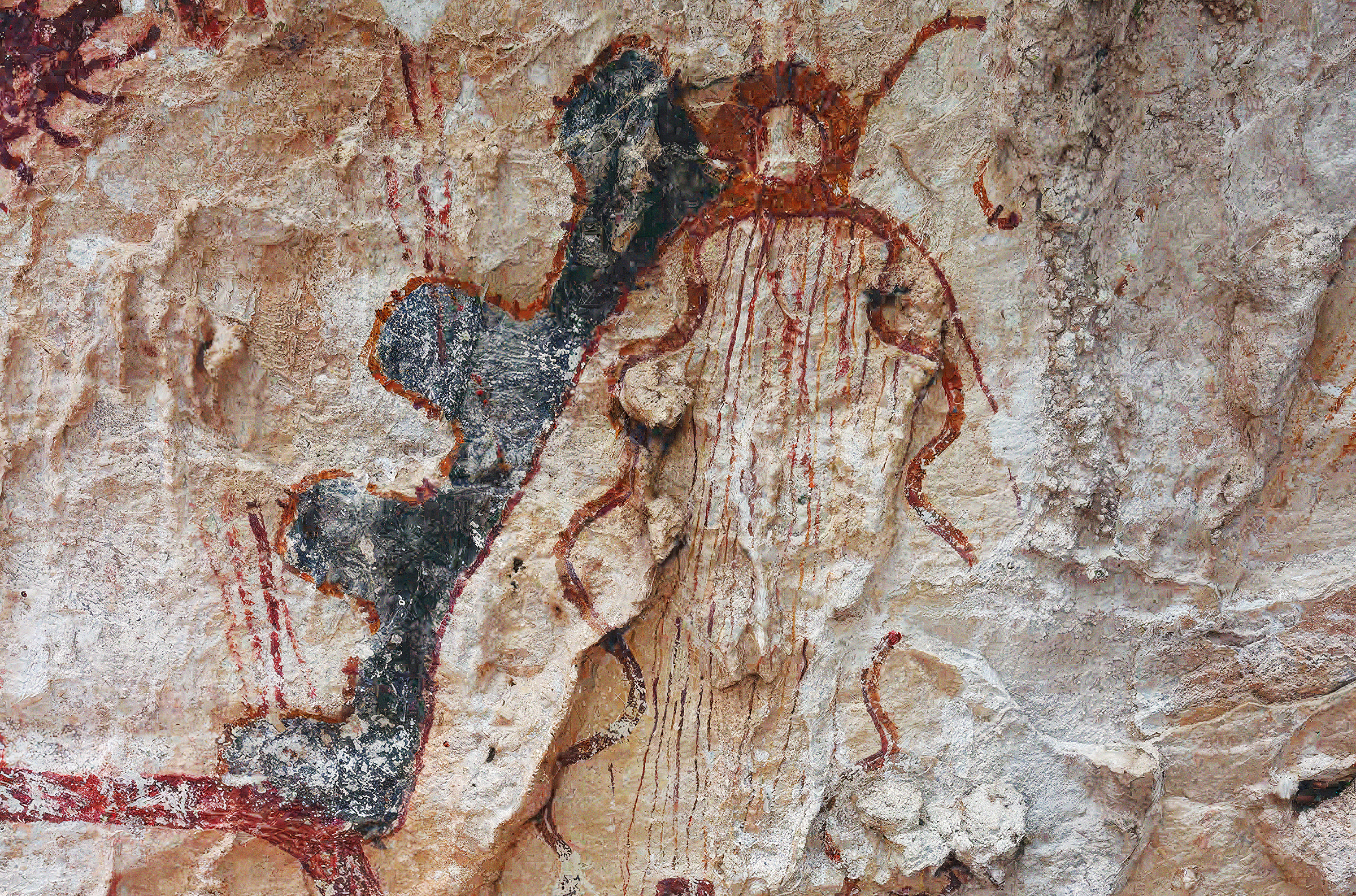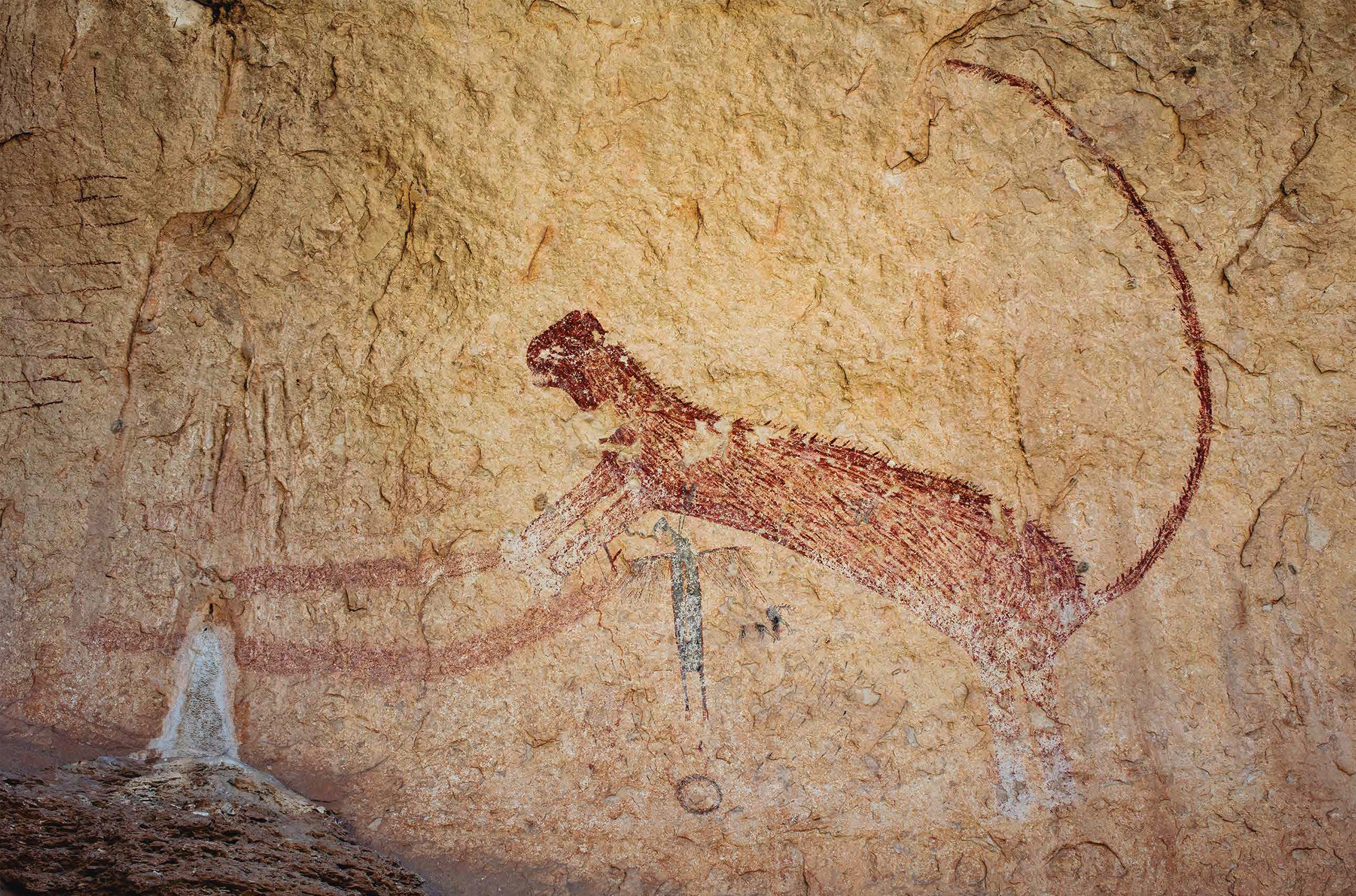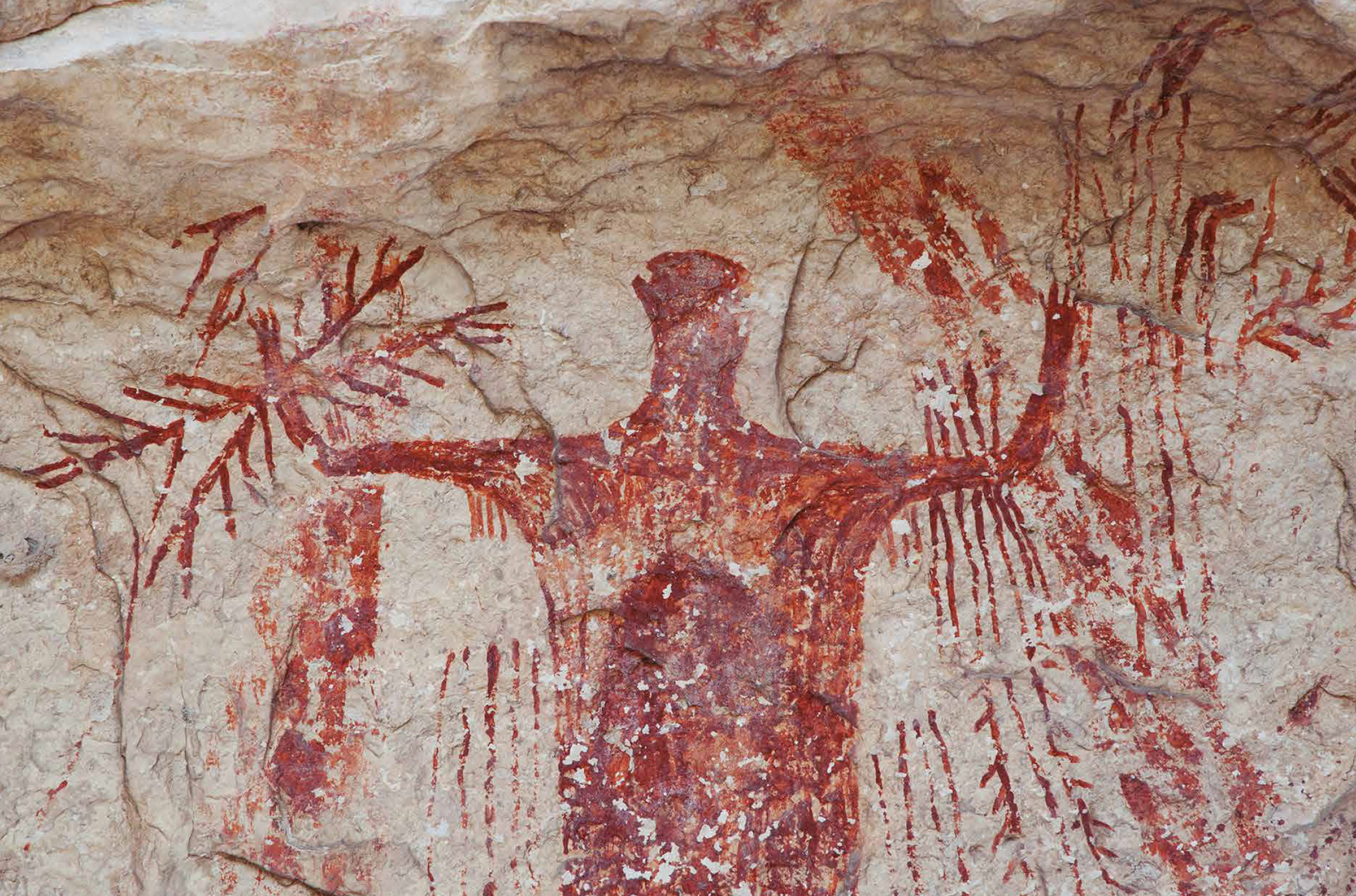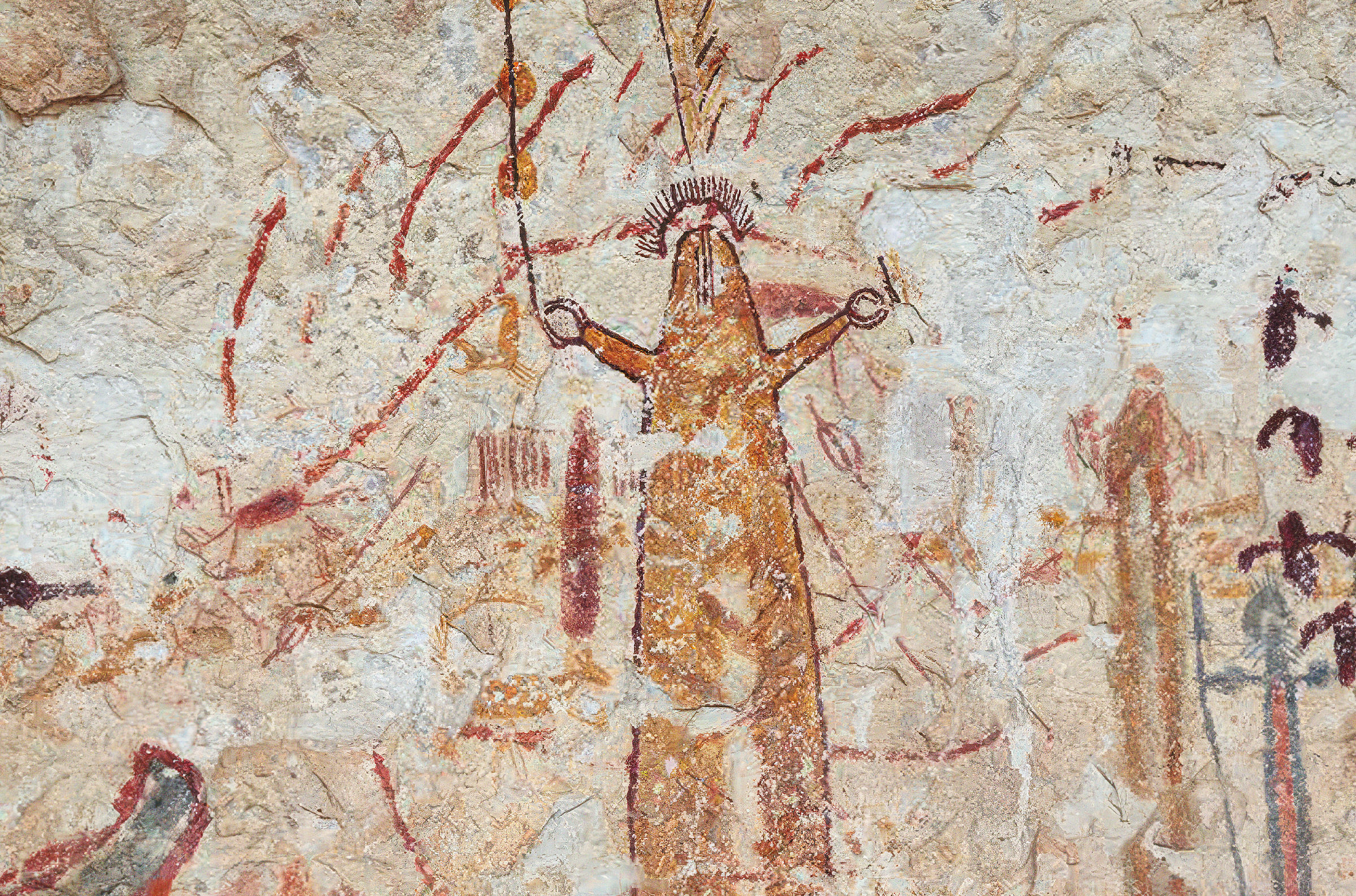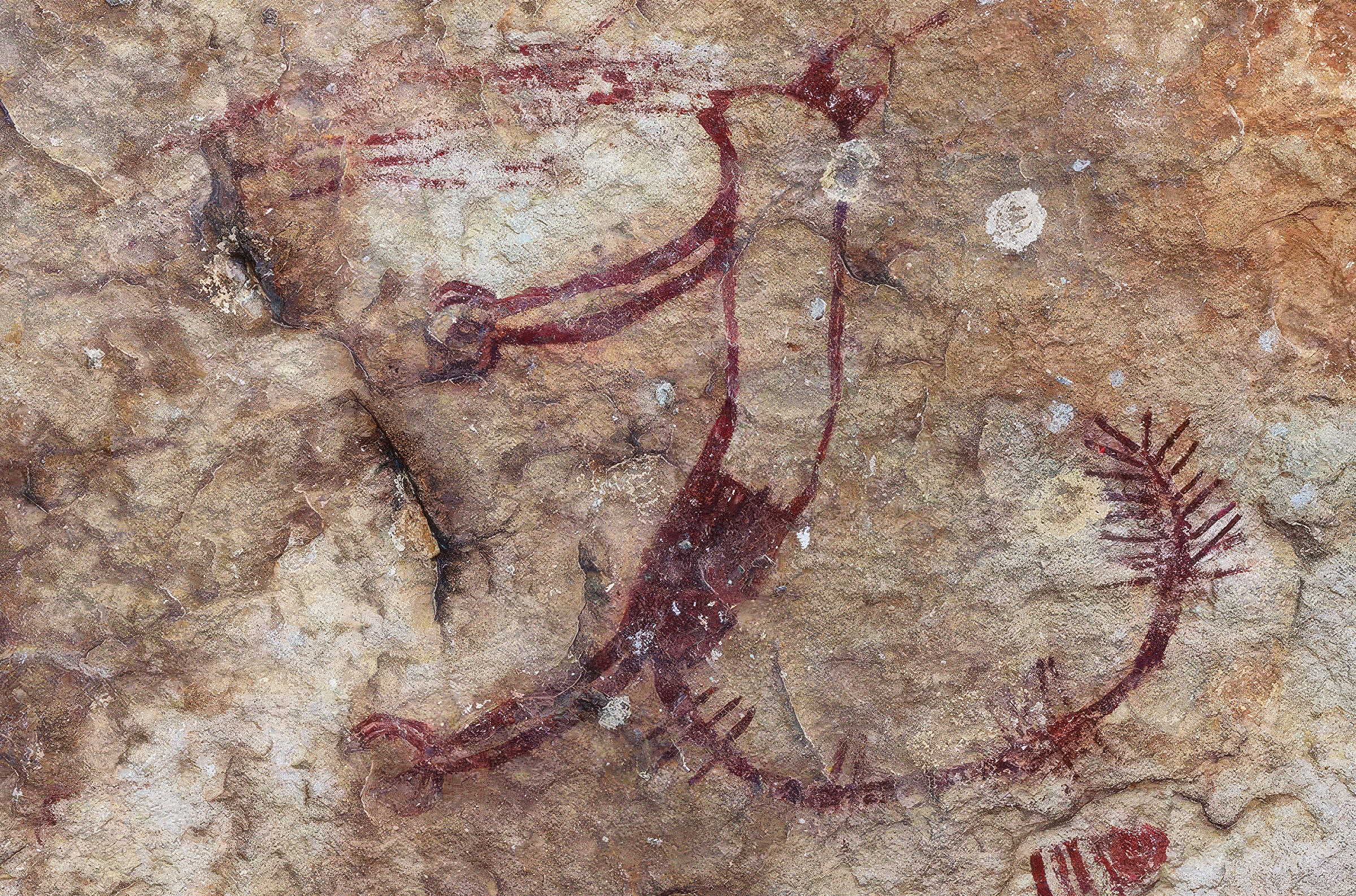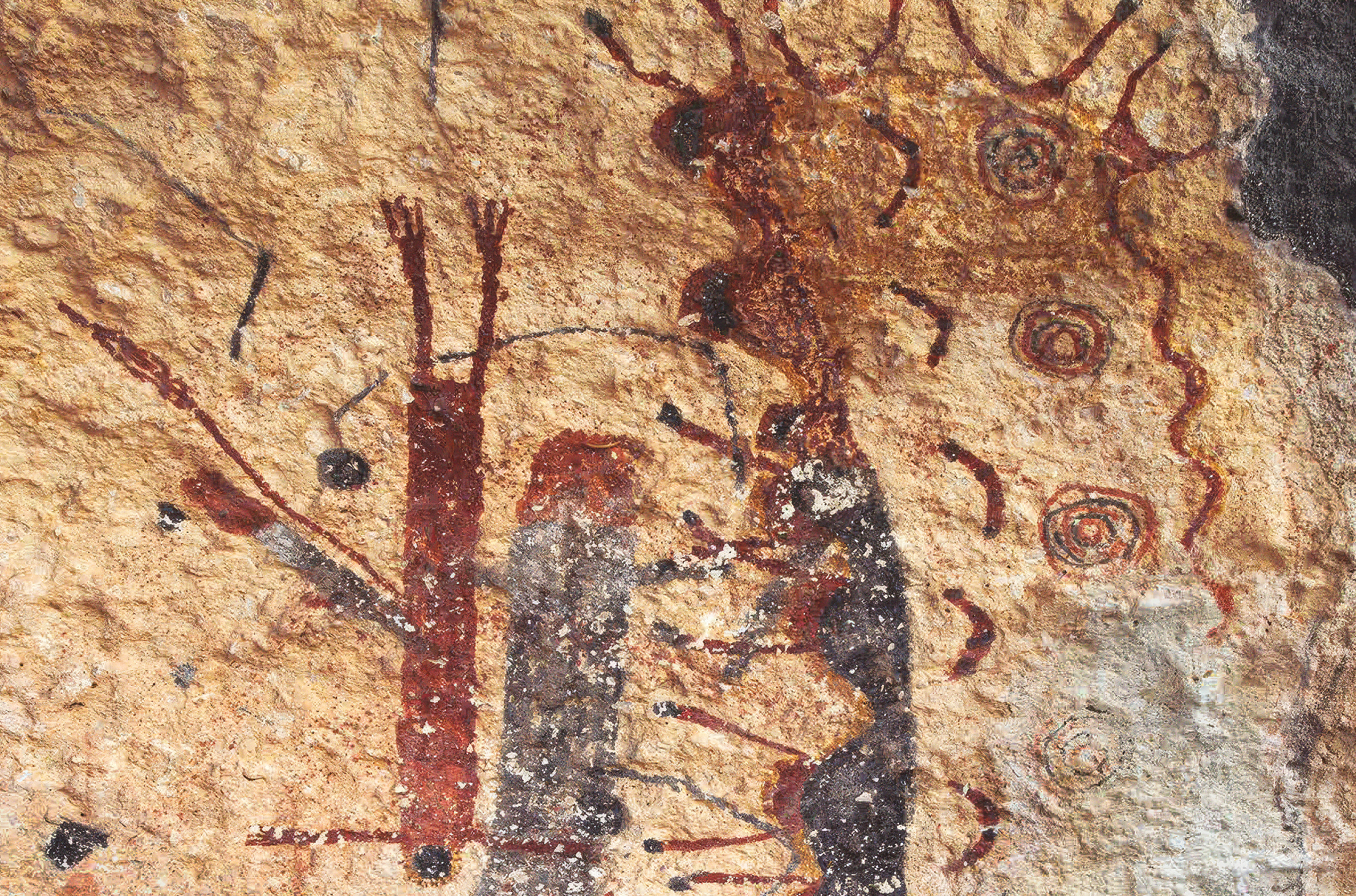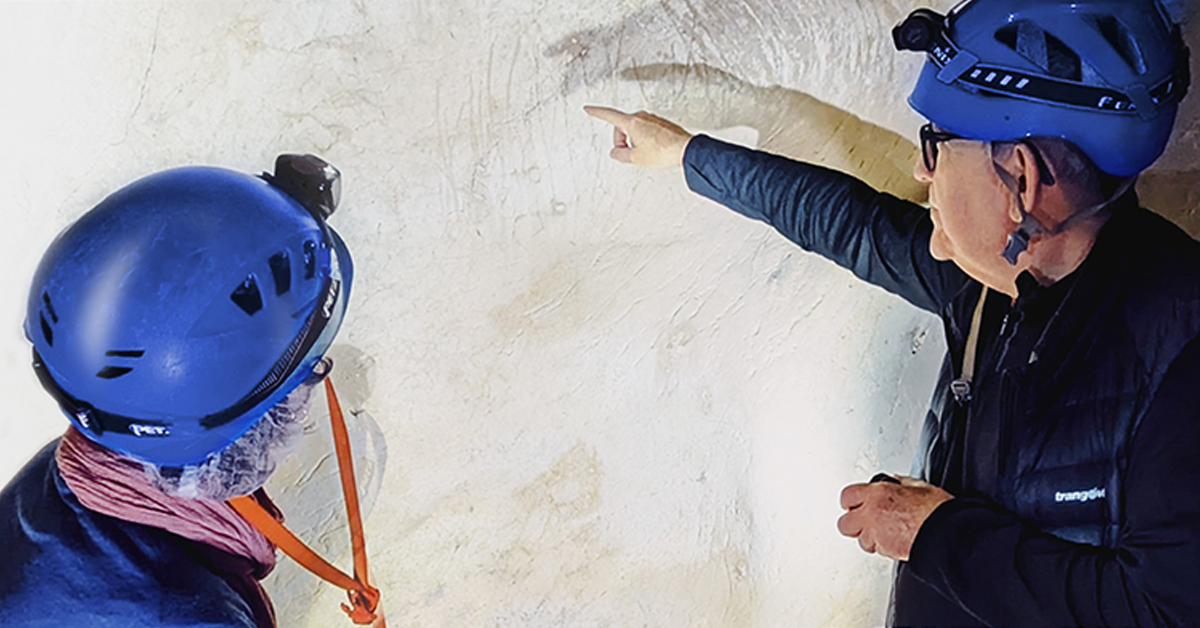
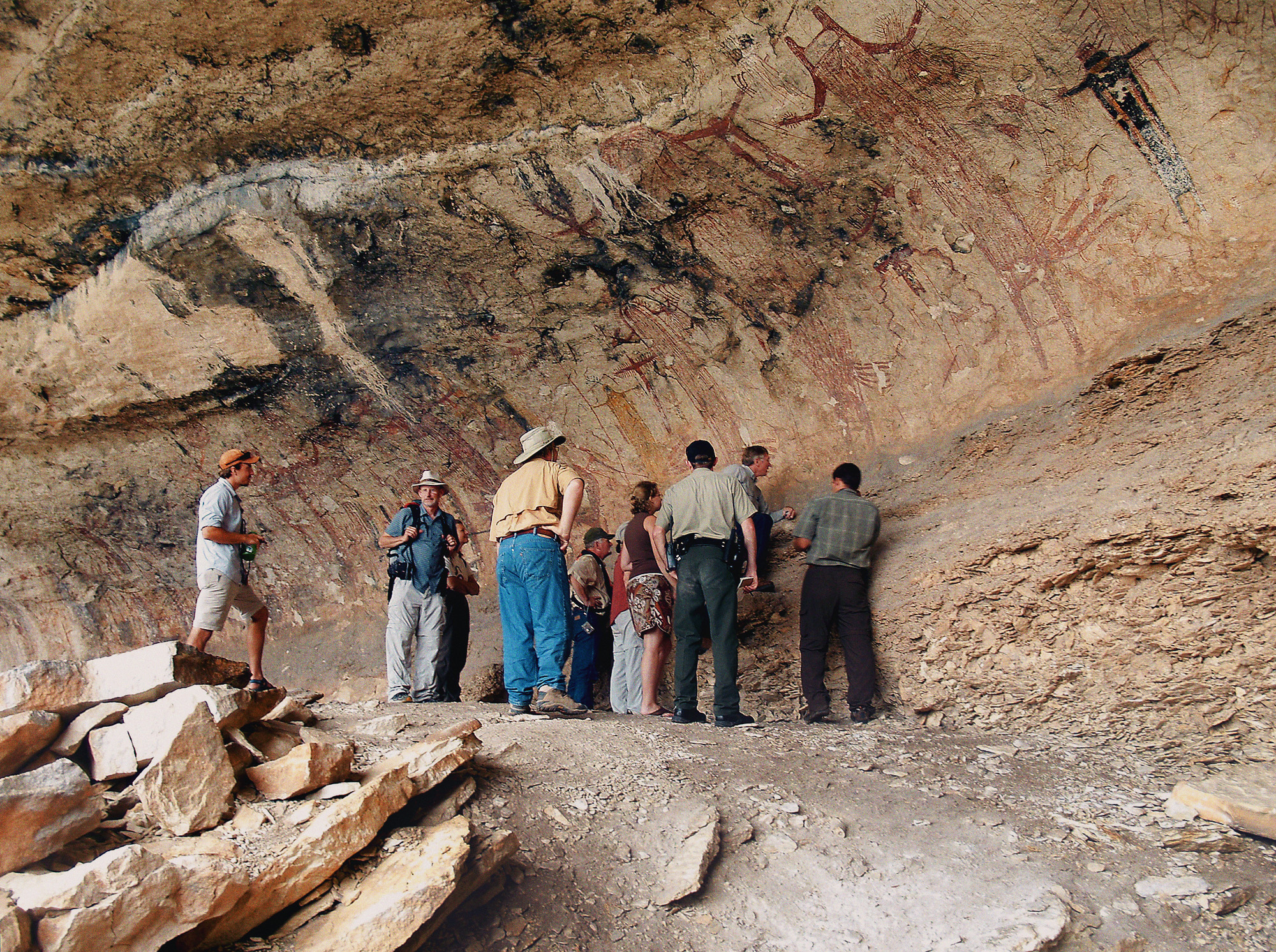
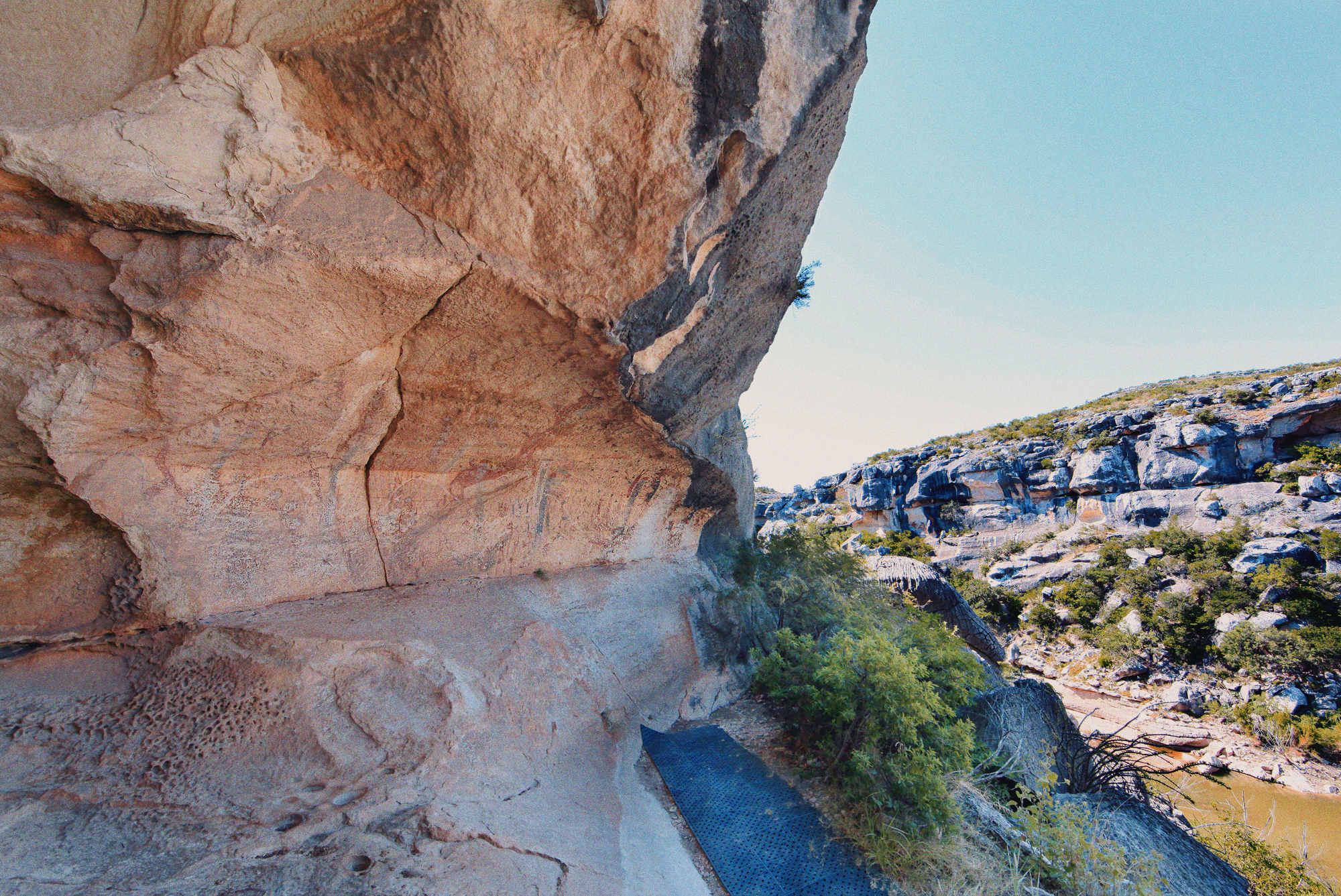
The Lower Pecos Canyonlands preserve one of the world’s greatest archaeological collections of painted murals and cultural artifacts. For more than 12,000 years, people have lived, traveled, and gathered in the rugged canyons where the Pecos River meets the Rio Grande. Surviving murals date from 6,000 years ago until historic times. These remarkable places have endured because generations of stewards, Indigenous peoples, private landowners, researchers, archaeologists, educators, and conservationists, recognized their responsibility to protect them for those who would come after.

For that reason, the Board of Directors of the Shumla Archaeological Research & Education Center has unanimously adopted a resolution calling for thoughtful stewardship, sound science, meaningful consultation with Tribal communities and affected landowners, and careful consideration of the irreplaceable cultural resources of the Lower Pecos Canyonlands.
Sign the petition, you are asking decision-makers to pursue border security solutions that protect the irreplaceable cultural resources of the Lower Pecos Canyonlands.
You are supporting an approach grounded in stewardship, sound science, meaningful consultation, and careful planning. Please sign the petition, share it with your family, friends, and colleagues, and encourage others to learn why the Lower Pecos Canyonlands matter.
Together, we can help ensure future generations inherit the same extraordinary cultural legacy that has been entrusted to ours. Because some places are simply too important to lose.
Sign the petition, you are asking decision-makers to pursue border security solutions that protect the irreplaceable cultural resources of the Lower Pecos Canyonlands.
You are supporting an approach grounded in stewardship, sound science, meaningful consultation, and careful planning. Please sign the petition, share it with your family, friends, and colleagues, and encourage others to learn why the Lower Pecos Canyonlands matter.
Together, we can help ensure future generations inherit the same extraordinary cultural legacy that has been entrusted to ours. Because some places are simply too important to lose.
CHANGE.ORG: Protect the Lower Pecos Canyonlands
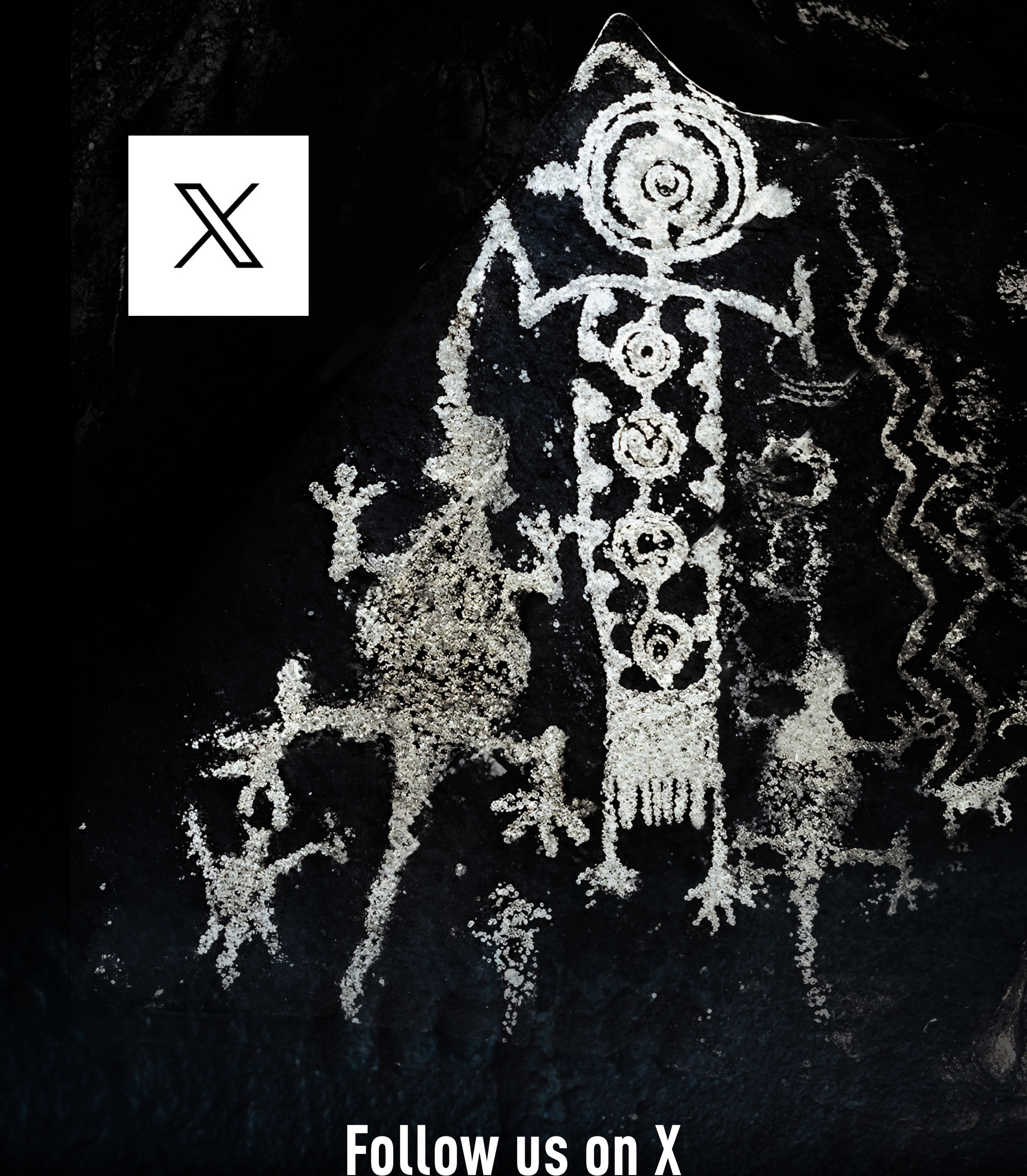
Almost 4,000 years ago, in southwest Texas (USA) and Coahuila (Mexico), hunter-gatherer artists painted some of the most complex murals in the world. They wove together layers of black, red, yellow, and white paint to create visual narratives. In Indigenous realities, images such as these are not passive decorations. They are reservoirs of power actively engaged in creation-past, present, and future. This exhibit explores how form, color, materiality of the paint, and the image-making process infused the murals with meaning and activated the characters in the stories they relate.
Dr. David Whitley Rock Art Researcher, Council of Directors of the ICOMOS, International Rock Art Committee.
Dr. Jean Clottes Internationally acclaimed rock art researcher, scientific advisor to UNESCO, Foix, France.
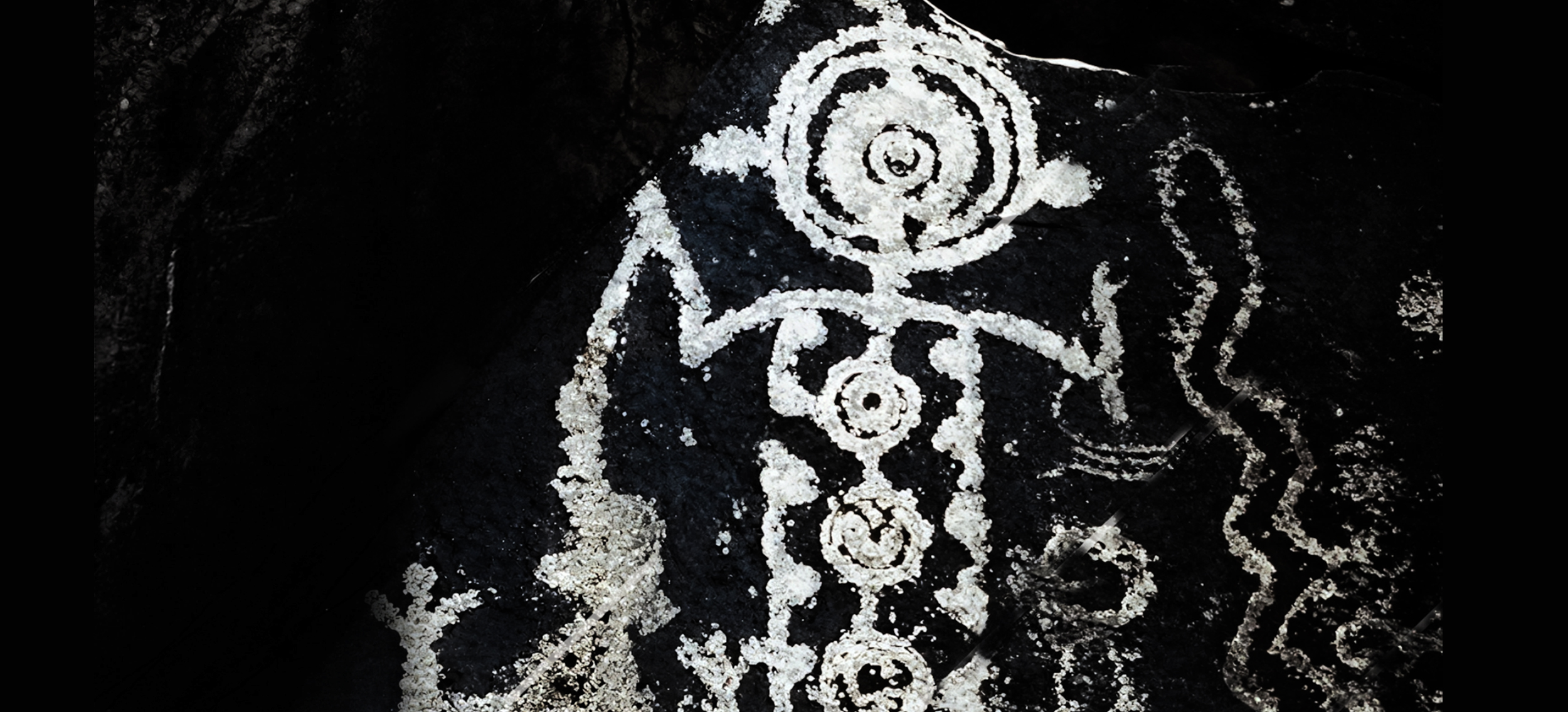
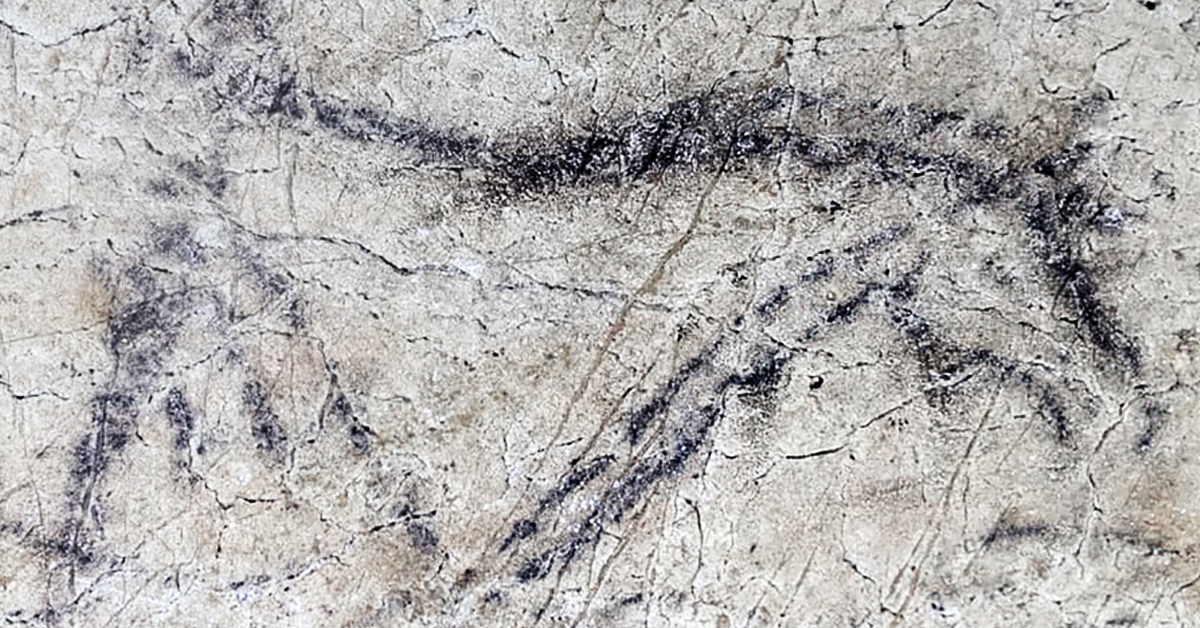
Archaeologists have reported more than 300 prehistoric murals in the region. New rock art sites are discovered every year. The murals range considerably in size and complexity. Some are small, less than a meter in length and height, and have only a few figures. Others hold thousands of figures and are as much as 150 meters long and 15 meters high. While some may see these as a random collection of images painted over long periods of time, trained artists have shown that many of the murals are planned compositions.
THE IMAGERY
Artists arranged the imagery into complex visual narratives to document myths and rituals associated with the creation and maintenance of the world and the cosmos. They used graphic symbols to represent divine and mortal beings, things, places, sensations, and experiences.
Dr. Jean Clottes Internationally acclaimed rock art researcher, scientific advisor to UNESCO, Foix, France.
ANTHROPOMORPHS
Anthropomorphic or humanlike figures dominate the paintings both in number and meaning. Most range in size between 1 m to 1.5 m, however, some are monumental, towering more than 6 m in height. Others are pocket-sized, standing no more than 10 cm. These finely executed human-like figures are often an elaborate combination of physical attributes, such as color, shape, body adornments, paraphernalia, and weaponry.
ZOOMORPHS
The most common animals portrayed in the murals are deer, felines, and snake-like figures. Birds and insects are also widespread, but smaller in size and usually surrounding anthropomorphic figures.
ENIGMATIC FIGURES
Other figures lack characteristics of either anthropomorphs or zoomorphs. These enigmatic figures range significantly in size, shape, and complexity. Sometimes they vaguely resemble plants, other times they are amorphous shapes having no analog in the physical world.