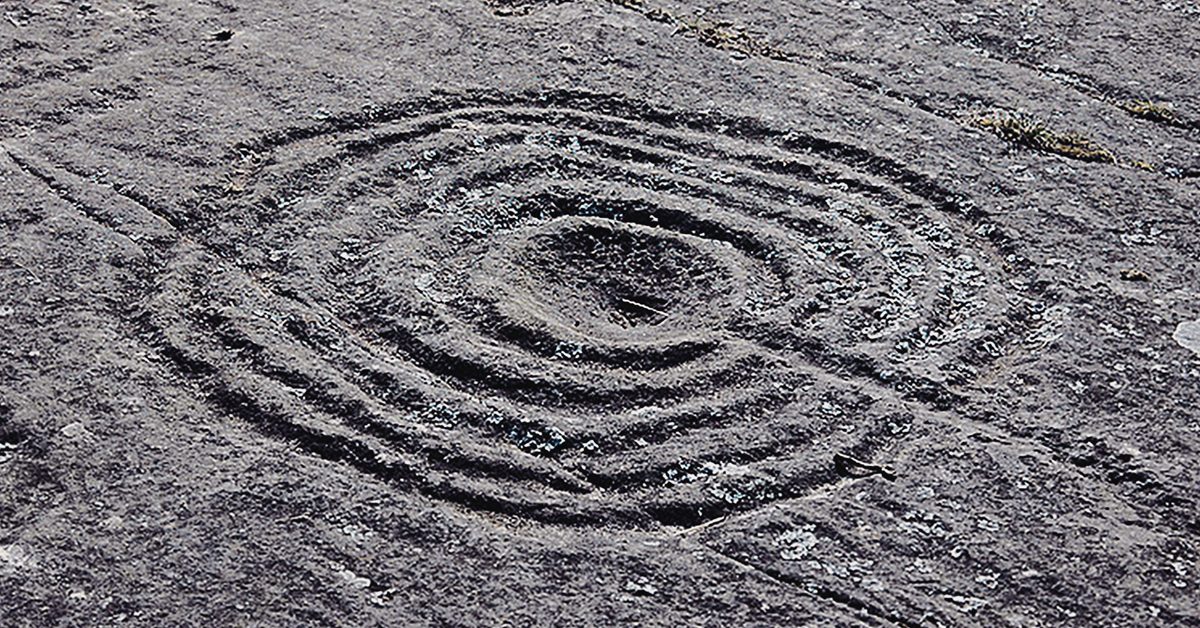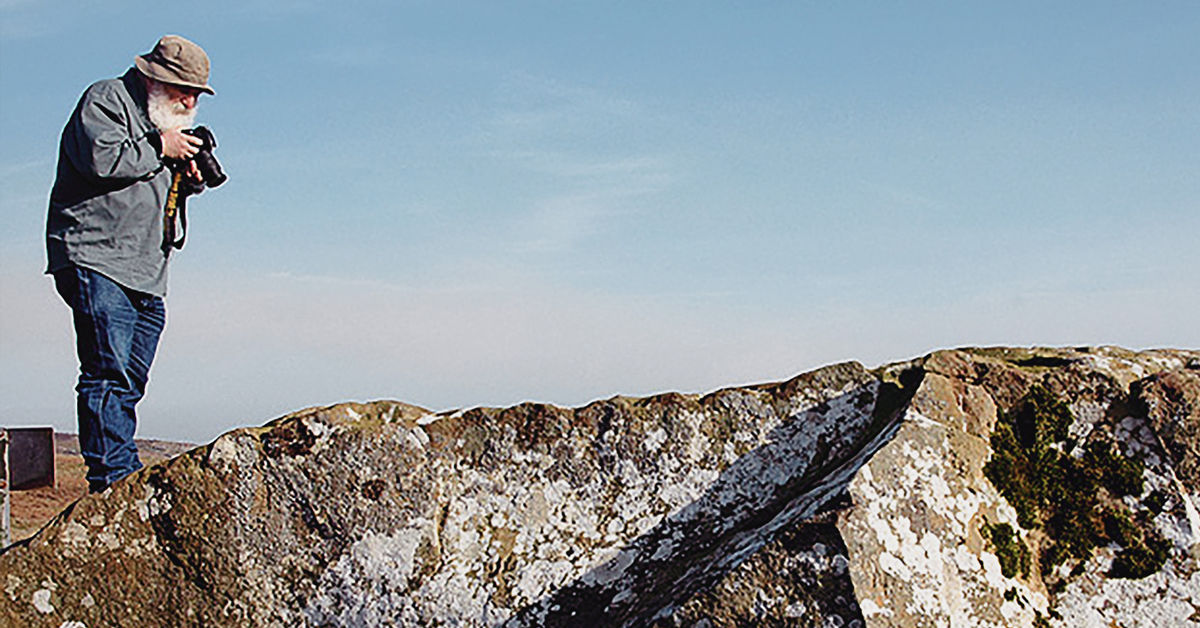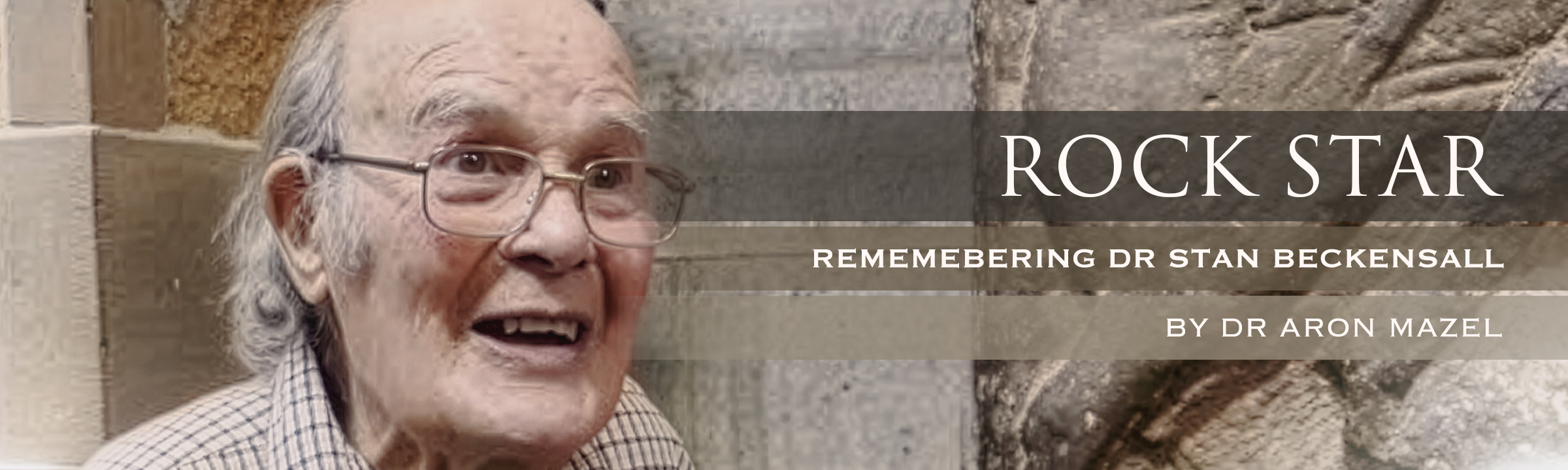
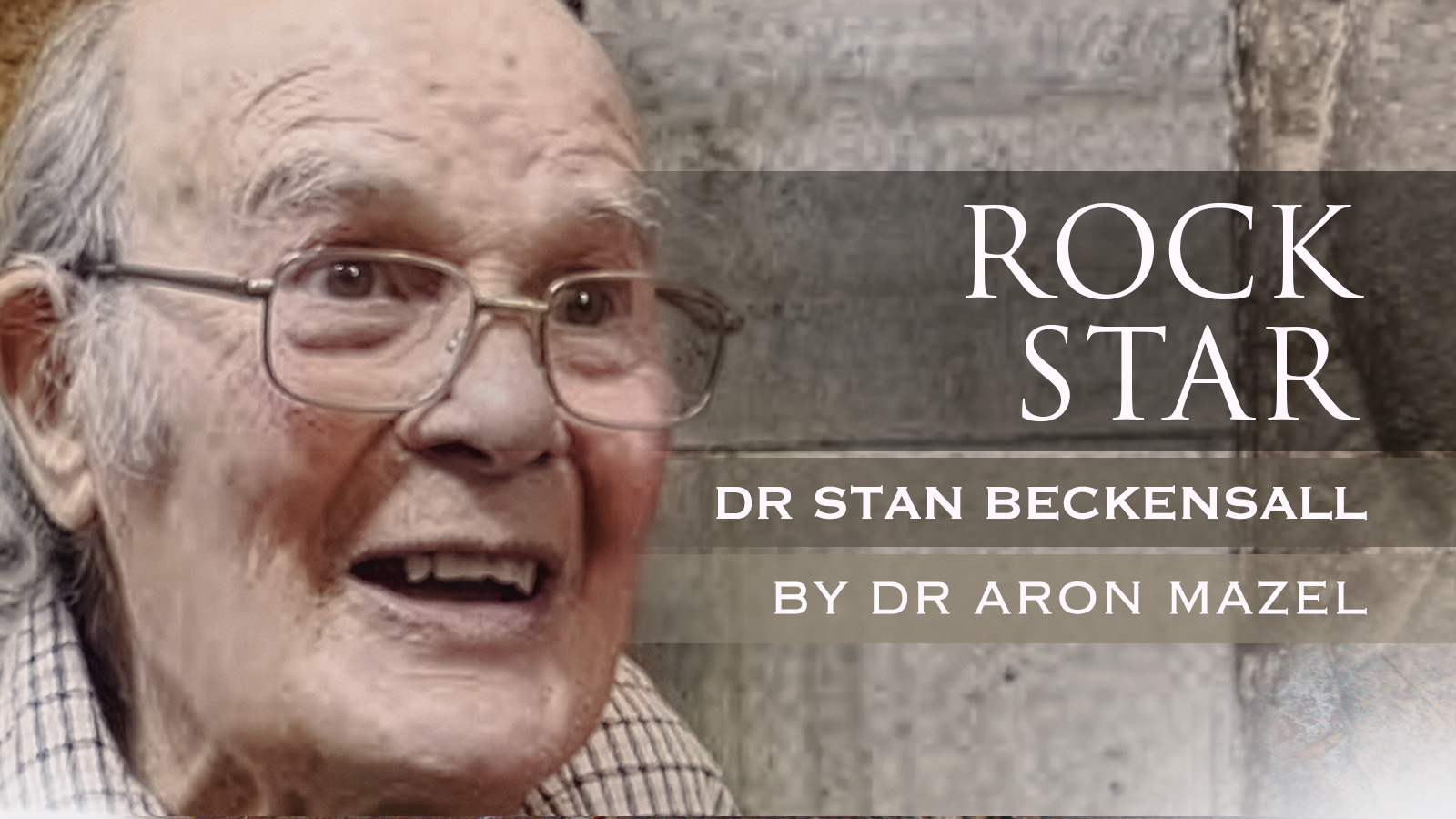
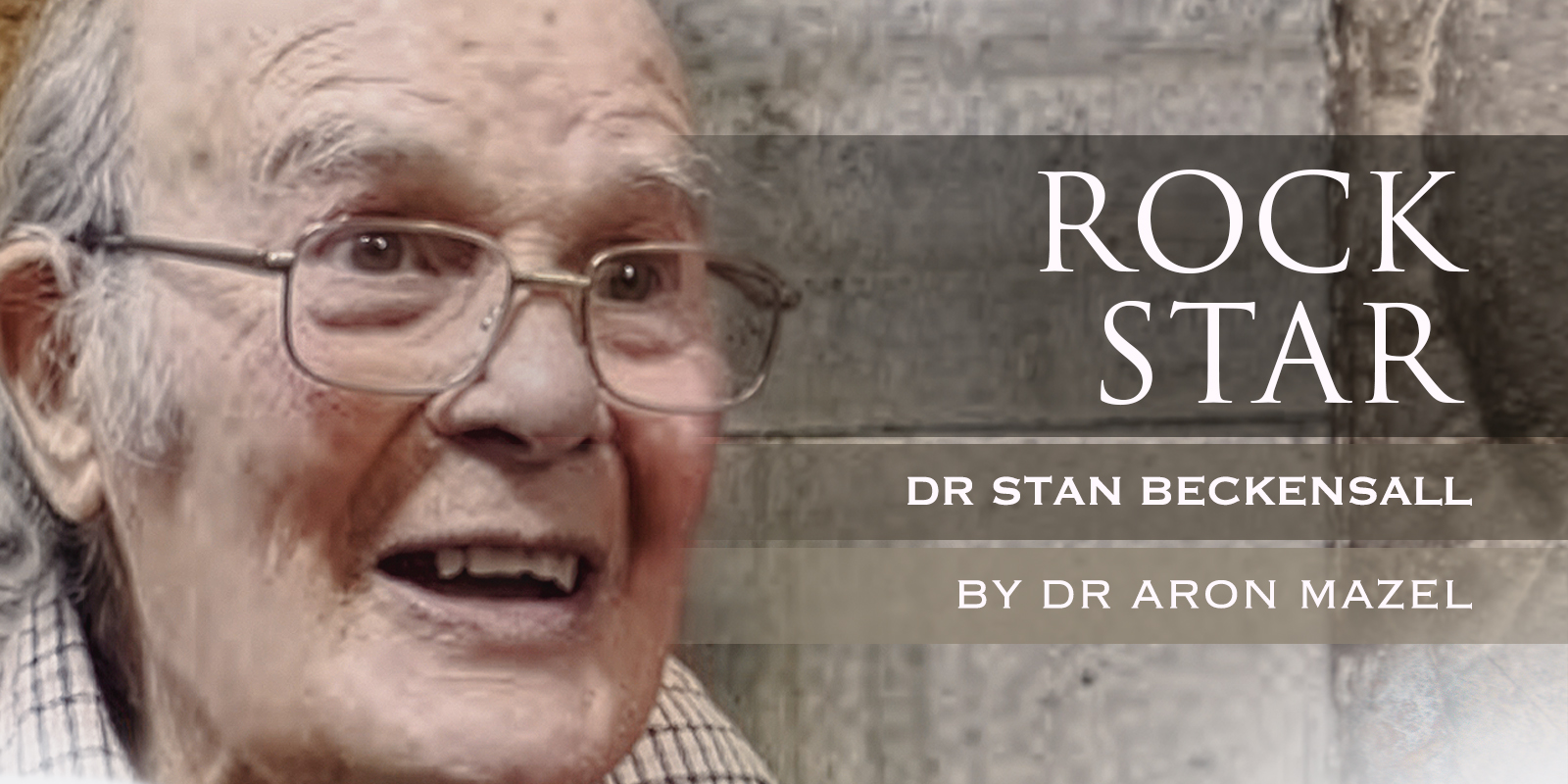

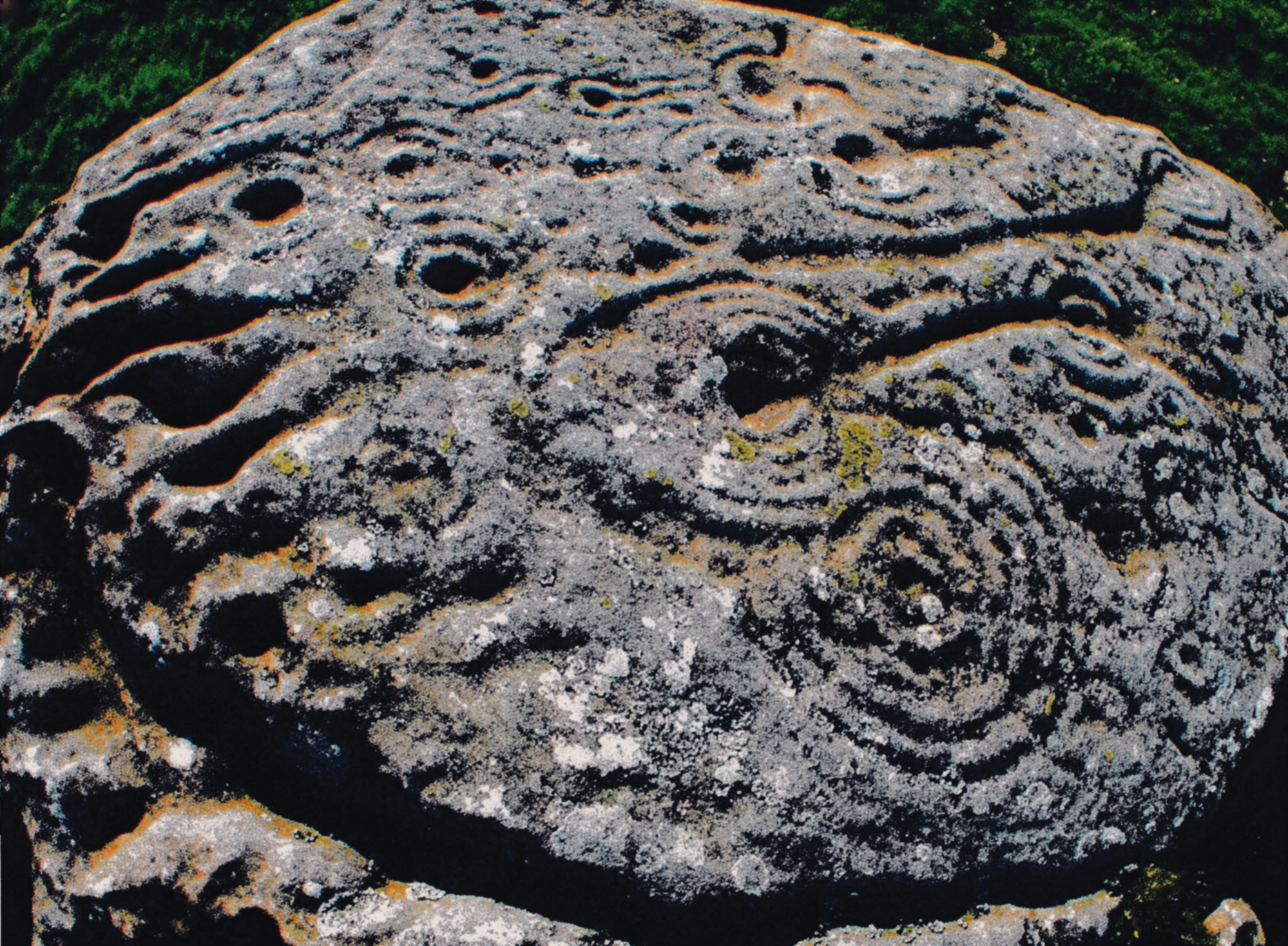
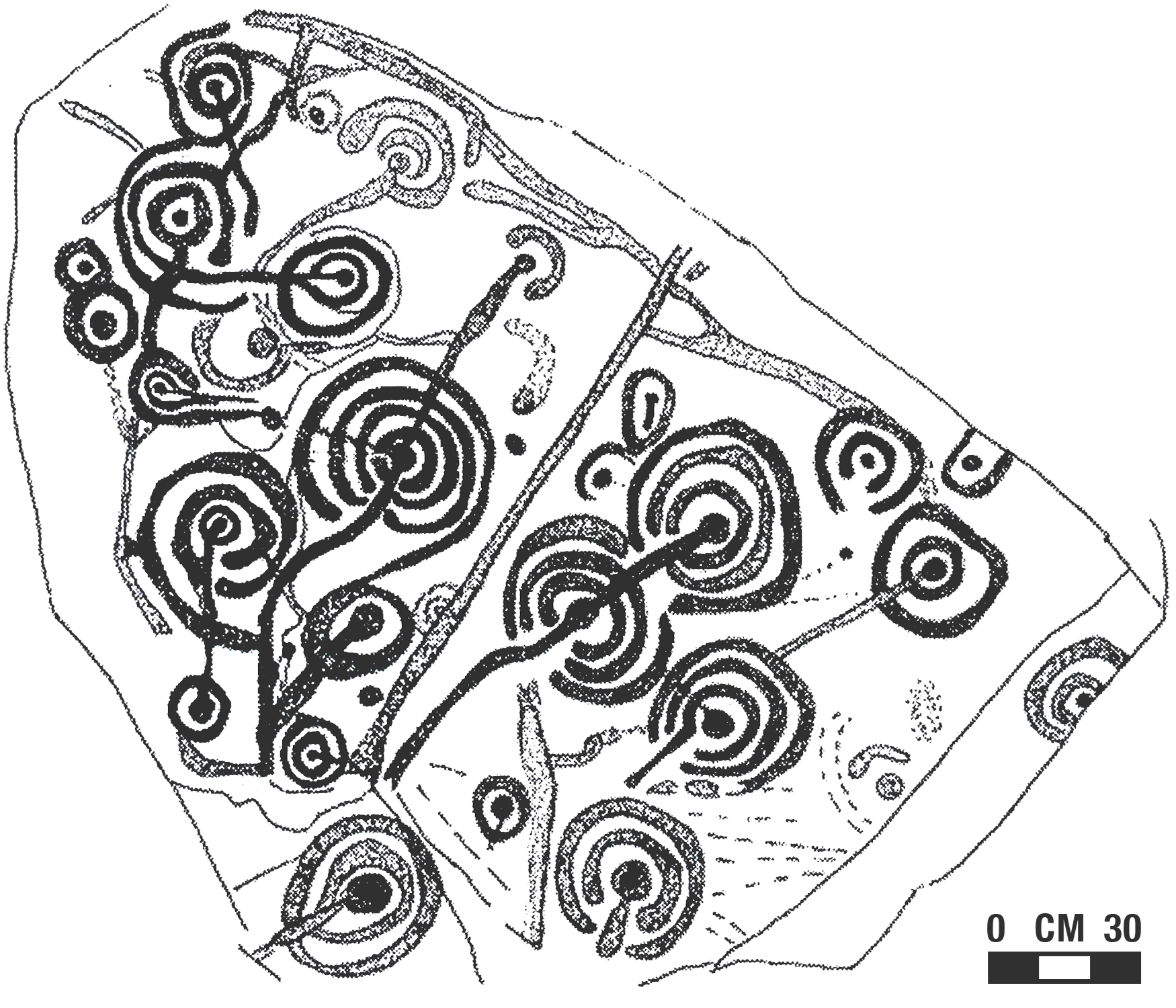
Encountering them at Old Bewick in north Northumberland was a turning point in his life. Greatly impressed by a large and imposing rock, its top completely carved, his curiosity was ignited, inspiring a remarkable journey in ancient rock art.
In 1825, John Langlands had determined those same carvings were of great antiquity, and we now know they were made during the Neolithic and Early Bronze Age, some 3,800 to 6,000 years ago. Stan wanted to learn more about them, particularly when he discovered little was known, and he used the publications of early antiquarians such as George Tate, who had documented 53 carved stones in 1865, as a springboard for his own work.
Stan's archaeological interest had begun in the early 1960s, when he joined Sussex Archaeological Society's Research Committee while teaching English at Ifield School in Kent. He was passionate about history, having graduated with a First Class BA (Hons) in History, English and Education at Keele University, where he was a member of the founding class, 1950-1954. Membership of the committee led him to excavate Money Mound in Sussex, recovering Beaker sherds, a flint knife, and flint arrowheads, and his 1967 report of this began a prodigious publication career. Visiting archaeological sites while teaching in Malta 1964-1966 increased his fascination, and his passion for Northumberland's carved rocks followed.
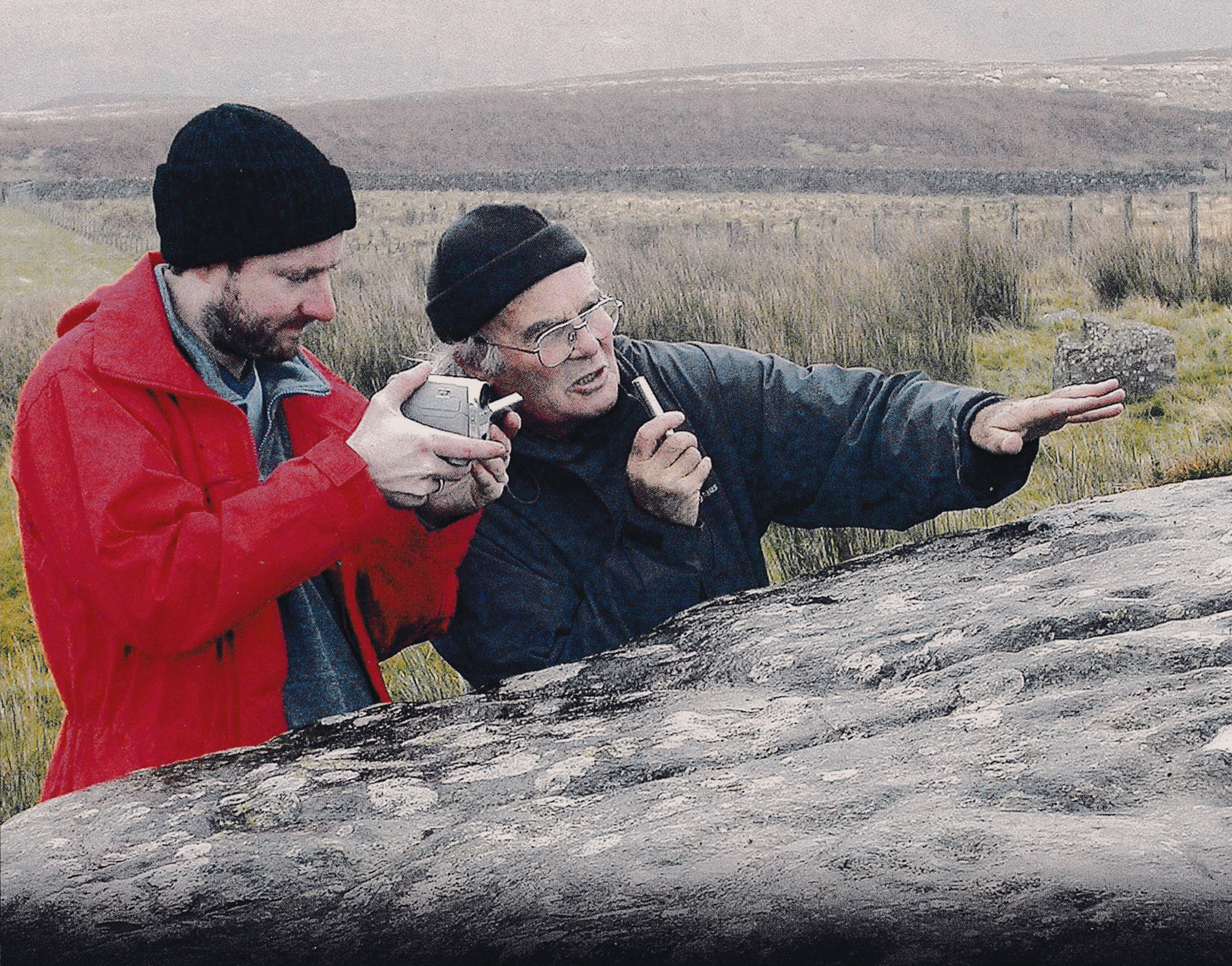
In addition, Stan investigated North East place names and their meanings. In the early 1970s, in the final months of his job at Alnwick College of Education, which was closing, he investigated the field names documented in the Duke of Northumberland's ancient land surveys to shed light on the Anglo-Saxons who had settled in the area, working with farmers to retrieve names that might have been lost.
His first books, in the 1970s, focused on the carved rocks of Northumberland; place names in Northumberland and Durham; and the lives and burial practices of Northumberland's ancient people. In the 1980s there followed books about the rock carvings of Northumberland and northern Britain. On his retirement as headteacher of Rothbury Middle School in 1989, he dedicated more time to rock art and expanded the topics he researched and wrote about. He documented carvings elsewhere in the UK, particularly in northern counties, recording some 1,500 rock art panels throughout the UK, which remains more than anyone else.
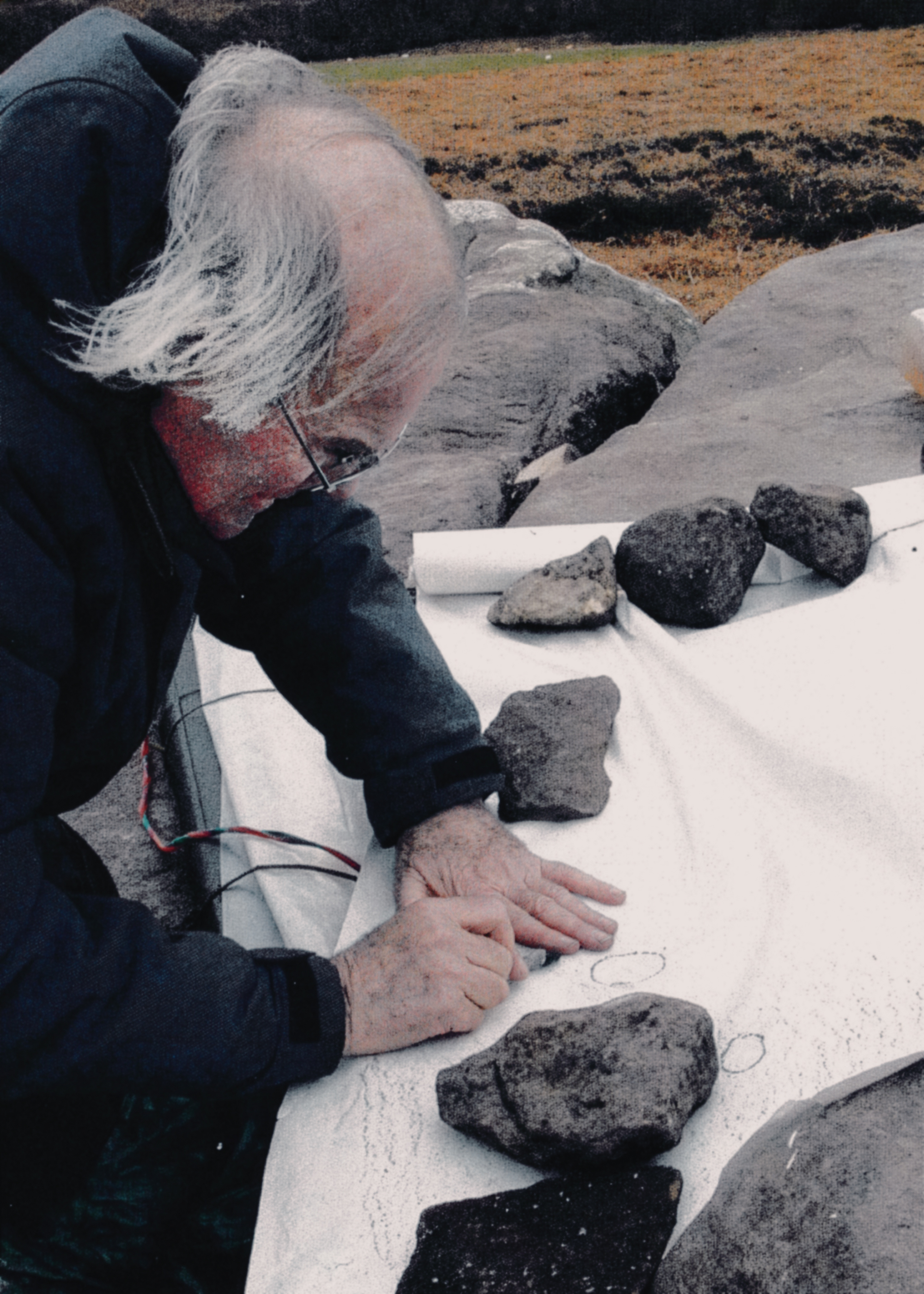
Stan always acknowledged his gratitude to earlier recorders and the shepherds, farmers and enthusiastic fieldworkers who supported him. He also encouraged farmers, the public, and conservation organisations to care for this vulnerable heritage resource. An early example of his efforts was in 1982, when he convinced a farmer to cease farm work which was destroying Weetwood Mound so that he could excavate the undamaged portion, finding 21 carved stones in situ.
Stan was committed to sharing his knowledge and in the early 2000s he agreed to the creation of an Arts and Humanities Research Council-funded project by Newcastle University to publish his Northumberland rock art archive online. He threw his heart and soul into this, supporting the project team by devoting many hours to re-recording panels, finding new ones, and completing more rubbings, drawings and photographs. The archive, which was online for 10 years, was a huge success, attracting 115,000 visitors from more than 100 countries in its first three-and-a-half years. It won the British Archaeology ICT Award in 2006, and Newcastle University awarded Stan an honorary doctorate in 2004, recognising his huge contribution to rock art studies.
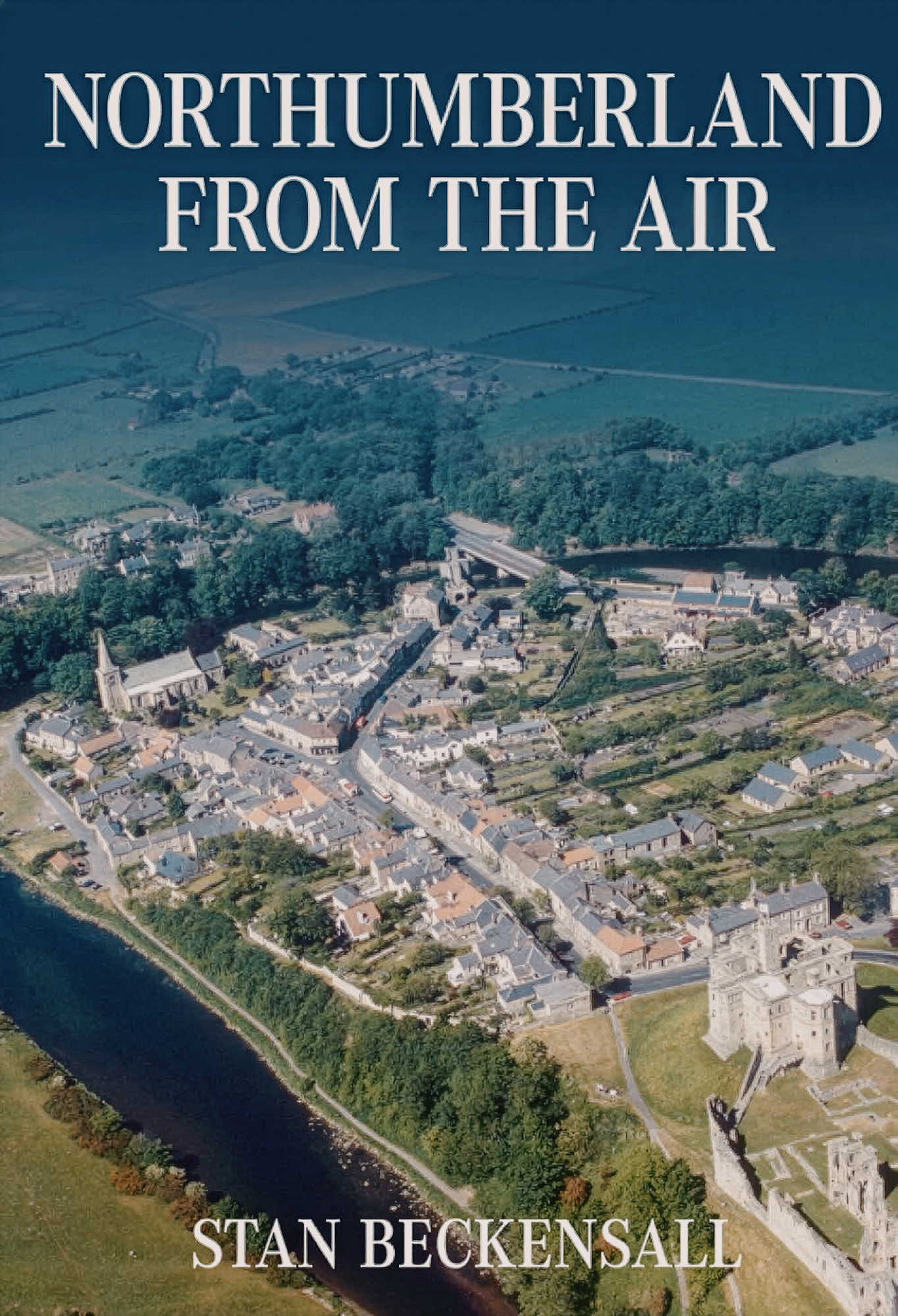
Stan's contribution to knowledge and understanding far exceeded rock art, the ancient past and place names. Indeed, he had many interests and passions. He loved Hexham, where he lived from 1977 until he died, and his first non-archaeology or place names book was a guide to the town's history and heritage. This was followed by another two books on these topics, while his deep interest in and love for Northumberland led to others focusing on the county's outstanding natural beauty, rich history and archaeology.
Stan was a dedicated educator, sharing his knowledge through his numerous publications and countless public lectures, radio and TV interviews, informal chats with people in cafés, passers by in the street, and farmers. He loved to chat, was well-known in Hexham, and donated proceeds from his talks to charities including West Northumberland Food Bank and Tynedale Hospice at Home.
Following his passing, scores of people wrote about his interactions with them, both personally and through his books, reflecting on how he inspired them, young and old. Notably, they mentioned his generosity with his time, his enthusiasm, how fortunate they felt in meeting him, and how he supported their studies, either personally or through his published work.
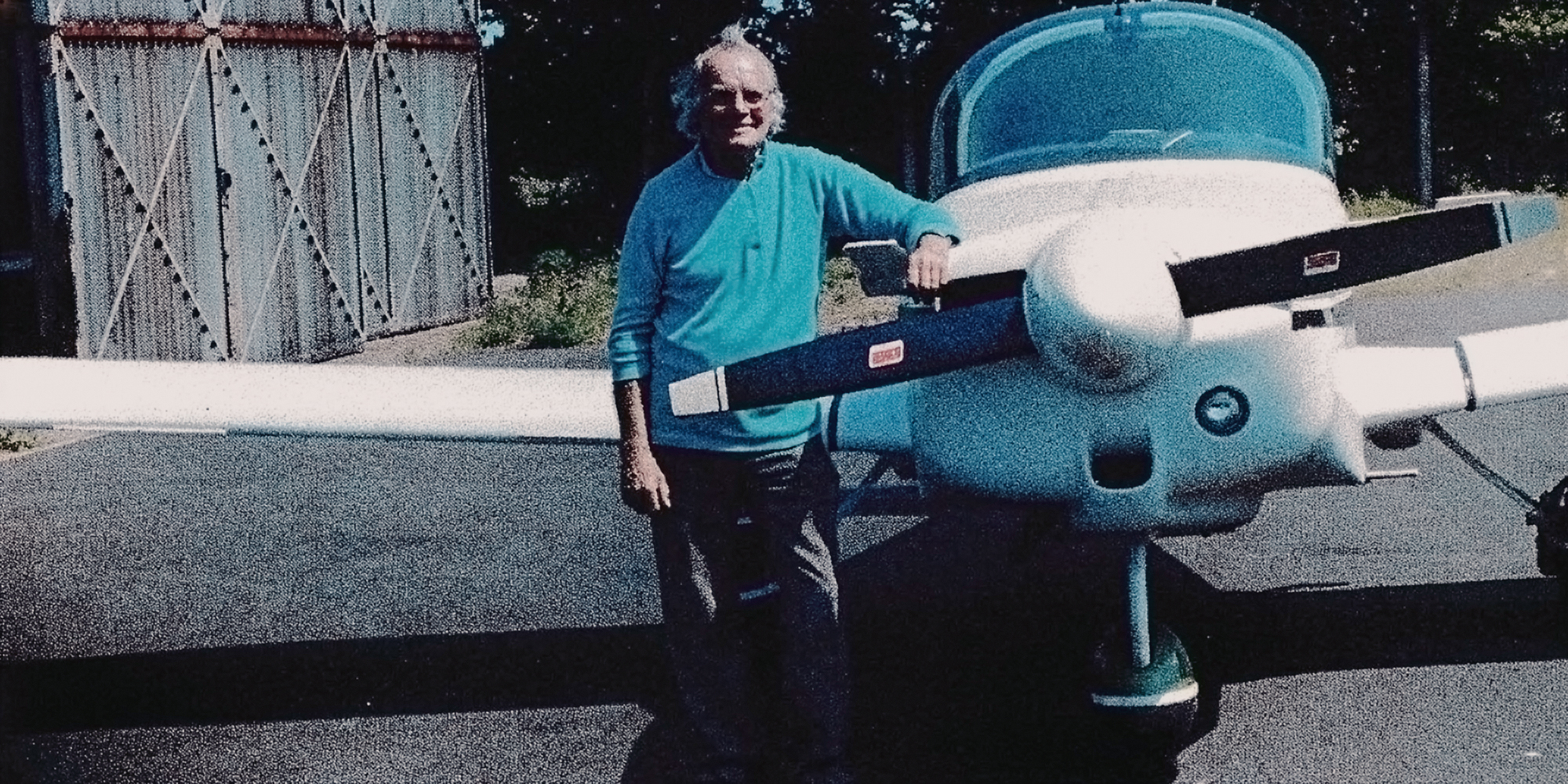
In 2017, Stan received an MBE for his lifetime of work recording, safeguarding and sharing information about prehistoric rock art and local history. Compassionate and humble, he lived by his values of contributing to the education and wellbeing of others. A dedicated family man, he is survived by Jane, his wife of 69 years, their children Sonia, Sylvia, Julian and Rachel, seven grandchildren and five great-grandchildren. He was loved and respected in Hexham and Northumberland and will be greatly missed by all who knew him.
Dr Stan Beckensall, MBE, archaeologist, poet and teacher, was born on August 17, 1932. He died on October 1, 2025 aged 93.
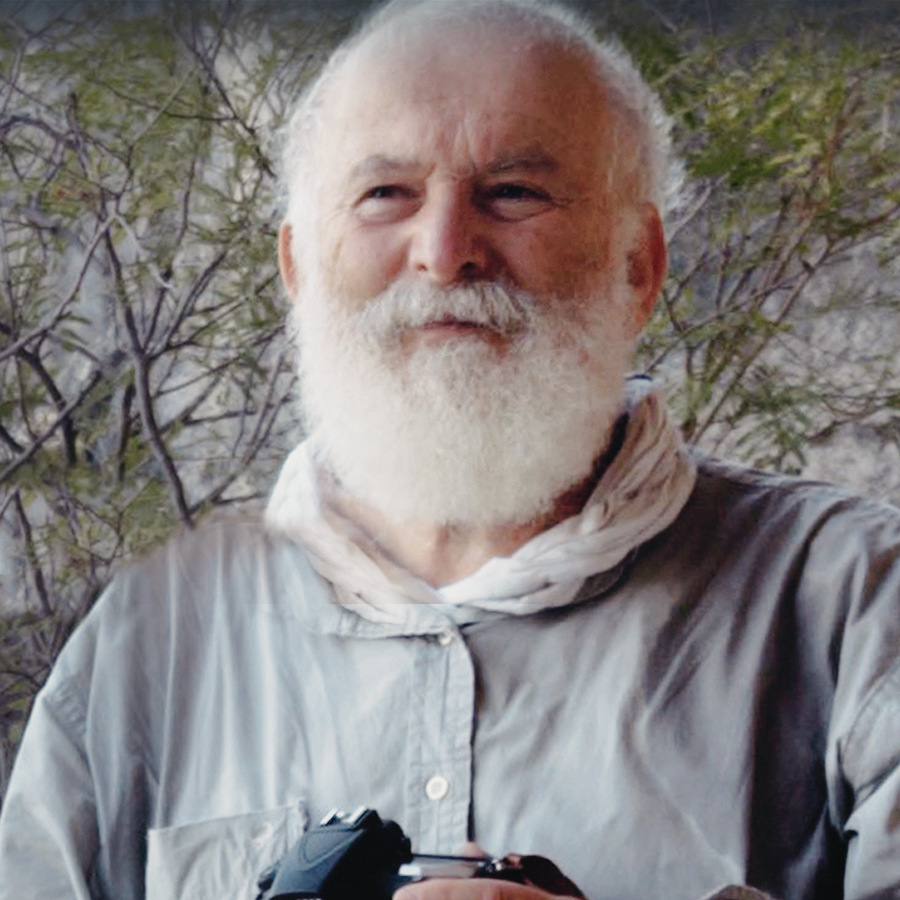
Dr Aron Mazel was a lecturer and researcher at Newcastle University from 2002-2022 and managed the Beckensall Northumberland Rock Art Website Project. Now retired, he remains an associate researcher in the university's School of Arts and Cultures.
It is because of Stan that we treasure 6ft long brown paper wax rubbings taken by my two younger sons under his expert guidance at Hexham Abbey; it is because of him that my eldest son studied archaeology at university; and because of him that they all relish seeking out prehistoric rock art in Northumberland's fields.
The boys loved Stan, seeking him out for long chats in the Abbey café and enjoying his books and the articles I commissioned from him for this magazine over recent years.
Everyone in Hexham knew Stan. He was always out and about, latterly on his mobility scooter, renowned for his colourful jumpers made by his wife Jane, his shock of white hair, and the delighted 'hellooooo!' he bellowed, arm raised, every time he saw someone he knew. Stan had a deep joy in people, and it seems to me there has never been anyone more enthusiastic about life and the world in which we live.
We will miss him, but his work endures; an extraordinary legacy left by a humble man. His aim was never awards, only to share his knowledge and passion for things that truly matter. This, I trust, will last as long as the ancient carvings that so fascinated him.
→ Subscribe free to the Bradshaw Foundation YouTube Channel
→ British Isles Prehistory Archive
→ British Isles Introduction
→ Stonehenge
→ Avebury
→ Kilmartin Valley
→ The Rock Art of Northumberland
→ Rock Art on the Gower Peninsula
→ New rock art discoveries in the Peak District National Park
→ Painting the Past
→ Church Hole - Creswell Crags
→ Signalling and Performance
→ Cups and Cairns
→ Ynys Môn, North Wales
→ Bryn Celli Ddu
→ Remembering Stan Beckensall
→ The Prehistory of the Mendip Hills
→ The Red Lady of Paviland
→ Megaliths of the British Isles
→ Stone Age Mammoth Abattoir
→ Bradshaw Foundation
→ Rock Art Network