20 November 2023
11,000-Year-Old Greek Cave Art Found on Crete - reports on the earliest Greek cave art depicting extinct animals believed to be at least 11,000 years old that has been discovered on Crete.
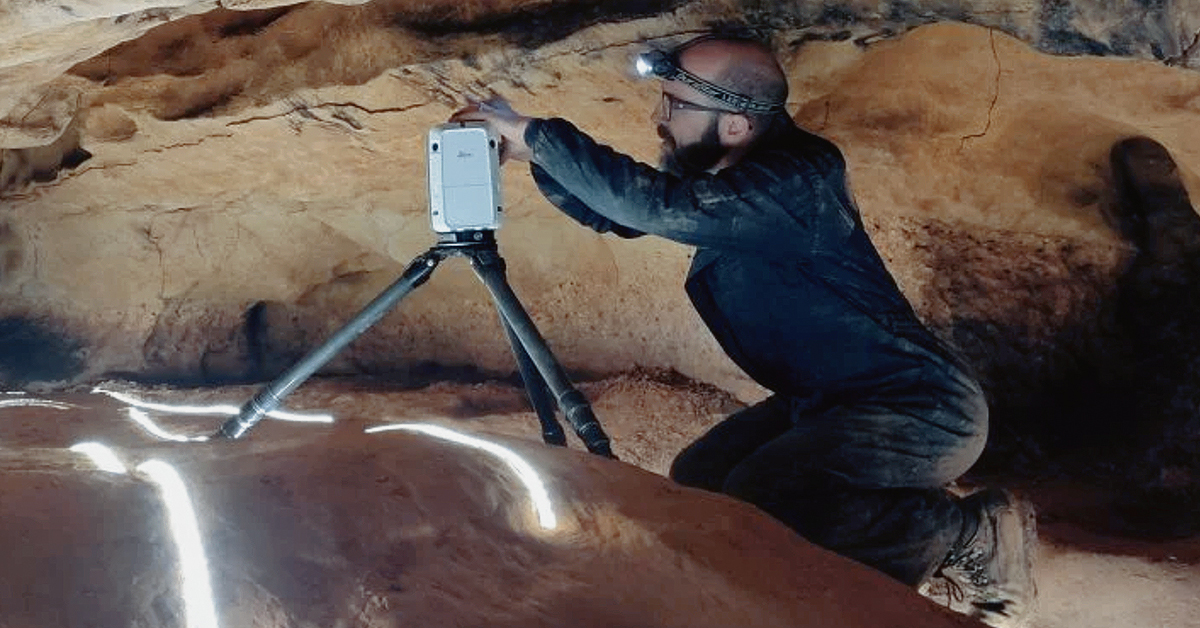
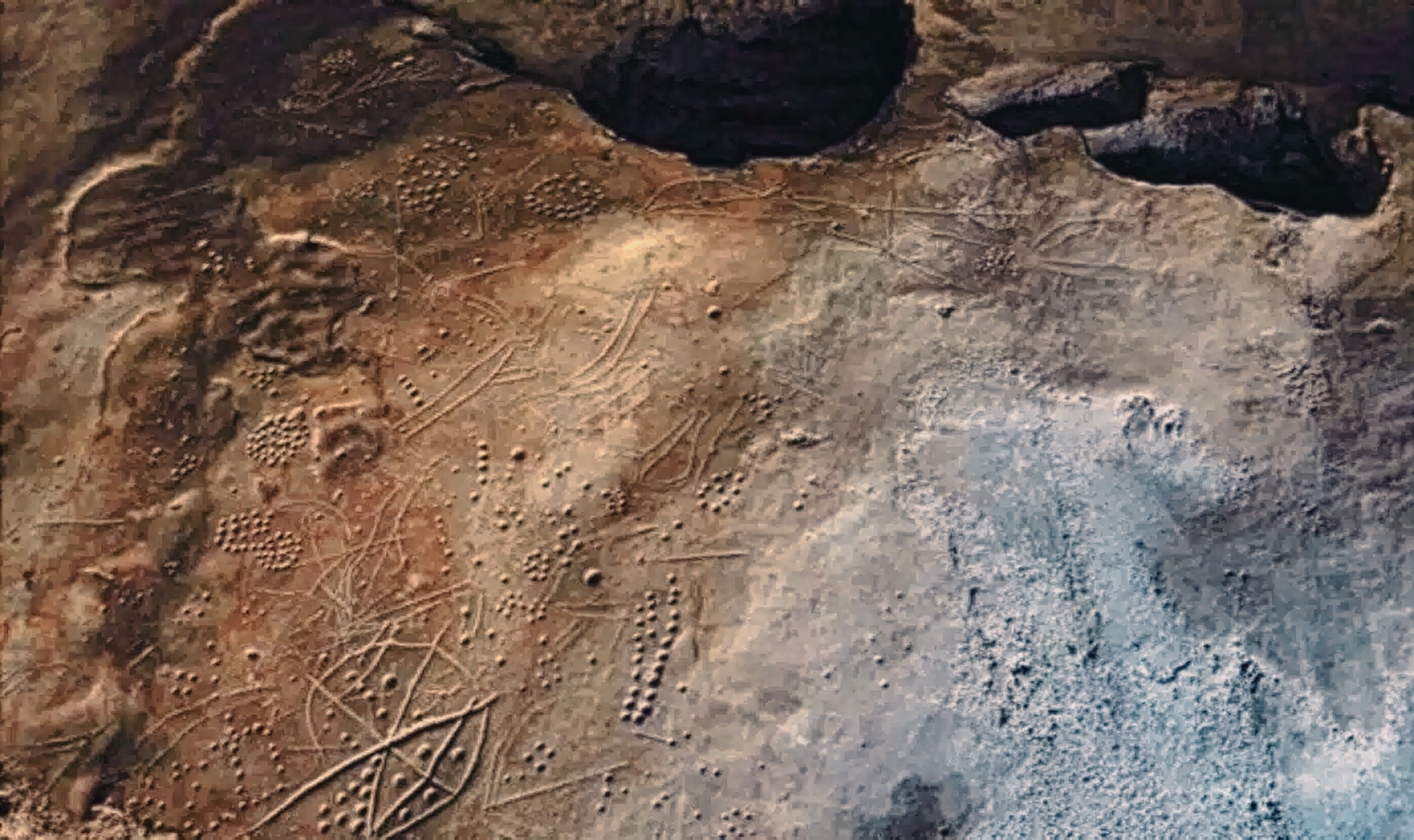
The rock art petroglyphs were carved in Asphendou Cave, also called Skordolakkia, which lies about 720 metres (2,360 ft) above sea level in the White Mountains of western Crete, a Mediterranean island now part of Greece. Asphendou village, where the cave is found, is within the Sfakia administrative area. The cave is about 600 metres (2,000 ft) southeast of the centre of the village, and is located near the start of a gorge that stretches south towards the coast.
Speaking recently to the Journal of Archaeological Science Dr Thomas Strasser of Providence College, Rhode Island explained that this is the first Paleolithic art ever found in Greece and it’s significant because it deepens the history of art there by many thousands of years. Archaeological and paleontological information, as well as new technologies unavailable to earlier scholars, offer evidence to confirm a Paleolithic date for the earliest carvings.
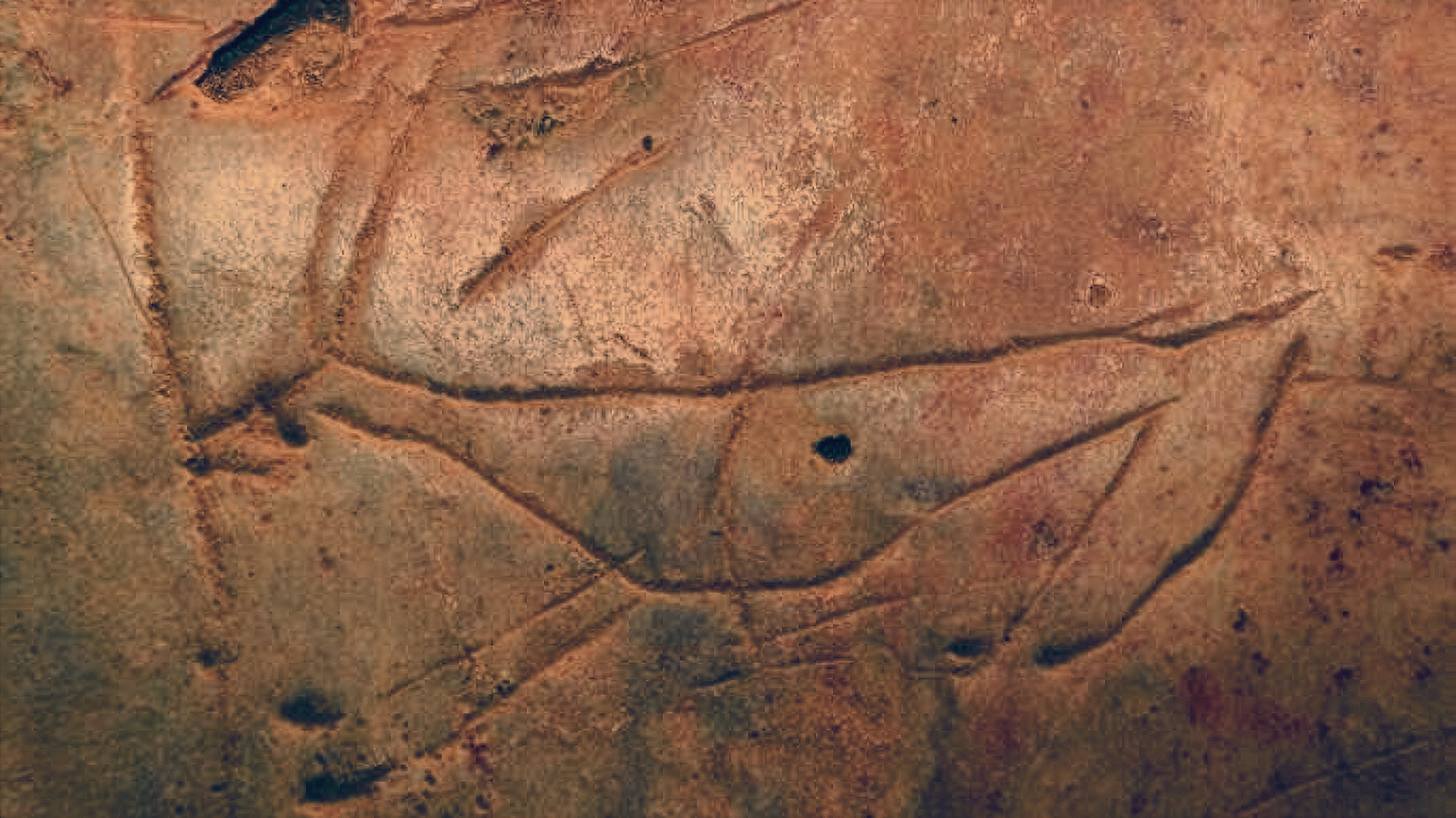
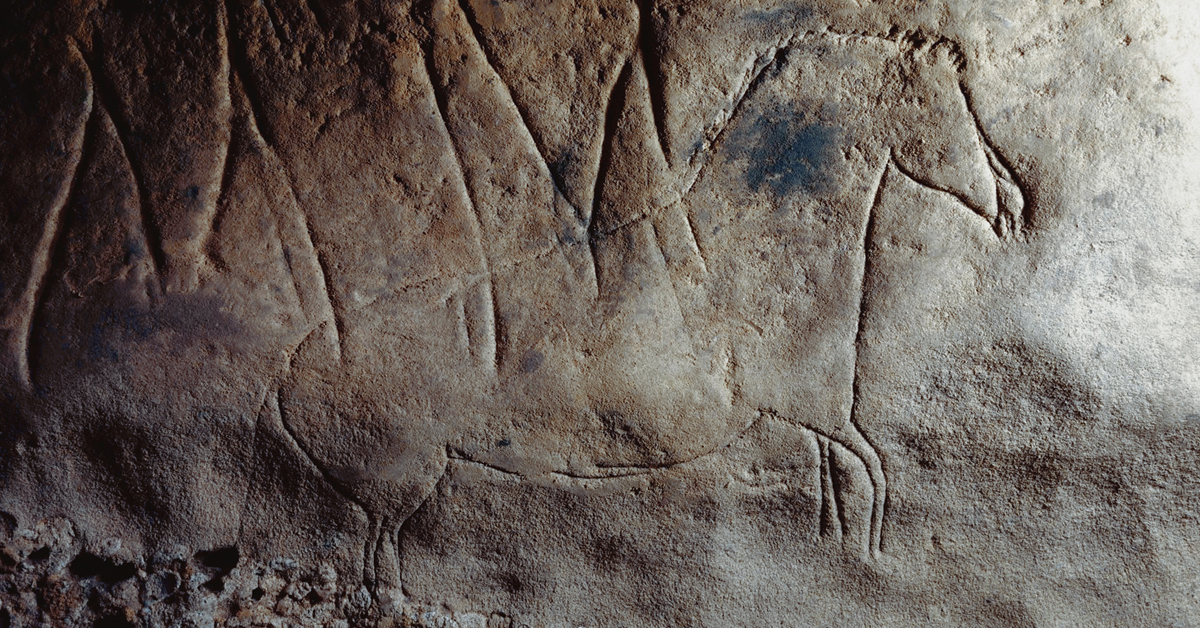
Asphendou Cave has been known for its petroglyphs, described by Strasser as a confusing jumble of engravings (that had eluded dating) caused because several layers of engraving were superimposed on one another. Initially, it was believed that the animal depictions were feral goats and possibly as late as the Bronze Age. However, archaeologists exposed the oldest layers, now showing a species of recently identified fossil dwarf deer named Candiacervus ropalophorus, which became extinct more than 11,000 years ago. Their most distinctive feature was their "ropalophorus" (club-shaped) antlers, which were relatively long, simple, and lacked multiple tines or palmation, ending in a spatula-like shape. Specimens have been found not far north of Asphendou in caves on the north coast of Crete date to between 21,500 and 11,000 years ago.
The 37 deer engravings identified at Asphendou are shallow and small - about 5cm long - and represent a Paleolithic animal herd without ground line or background. Another Paleolithic artistic convention includes showing both antlers as though in three-quarter view, while the body is in profile.
Speaking to the Journal of Archaeological Science, the research team note "The last occurrence of the Cretan dwarf deer Candiacervus confirms the Asphendou rock carvings as the oldest figural art found in Greece," they wrote. "Paleolithic artists represented what they knew, in this case a prevalent species which became extinct in the upper Paleolithic."
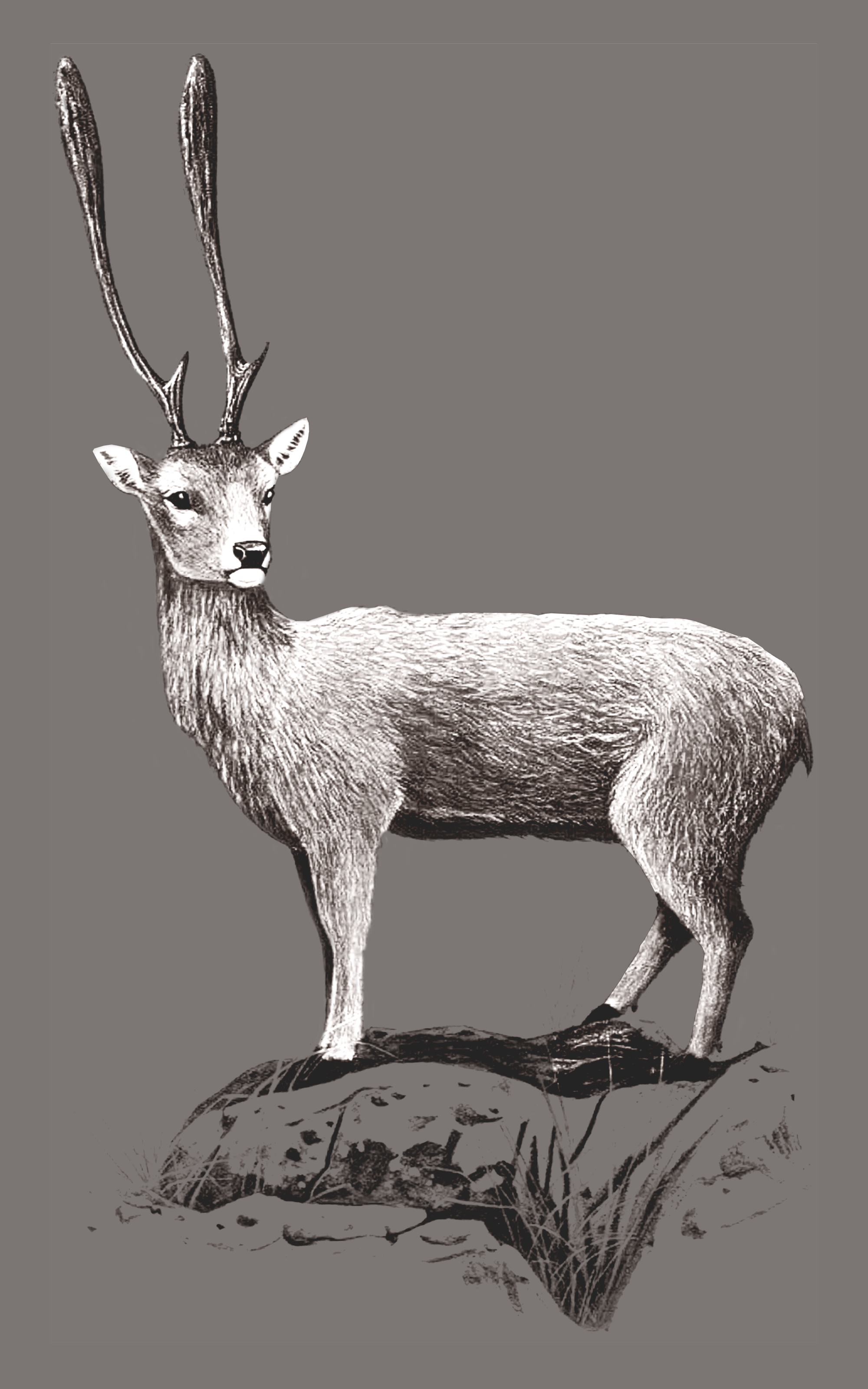
Candiacervus ropalophorus is an extinct species of dwarf deer that inhabited the island of Crete during the Pleistocene epoch, serving as a classic example of insular dwarfism. It is recognized as the smallest species within the Candiacervus genus. Candiacervus ropalophorus were very small, standing only about 40 cm (roughly 16 inches) tall at the shoulder when fully grown. They had short, sturdy limbs and a robust bone structure and lived in a predator-free environment on Crete before the arrival of humans. Despite being in a low-predation environment, studies of their fossilized remains indicate surprisingly high juvenile mortality rates. Asphendou Cave provides evidence that early human settlers on Crete interacted with these deer, and the impact of, early human arrivals are considered likely causes for their ultimate extinction.
The extinction of Candiacervus may be due to the arrival of humans at the end of the Pleistocene. They could have exterminated the deer either actively by hunting, or passively by destroying its habitat. Another option is a gradual depletion of the ecosystem, as indicated by the finding of a complete herd consisting of individuals suffering a bone disease of an osteosclerotic nature. The impact of Paleolithic humans is at present still unproven, partly because of the scarcity on published fauna lists from archaeological sites (except for Knossos), partly because of the insecurely dated materials.