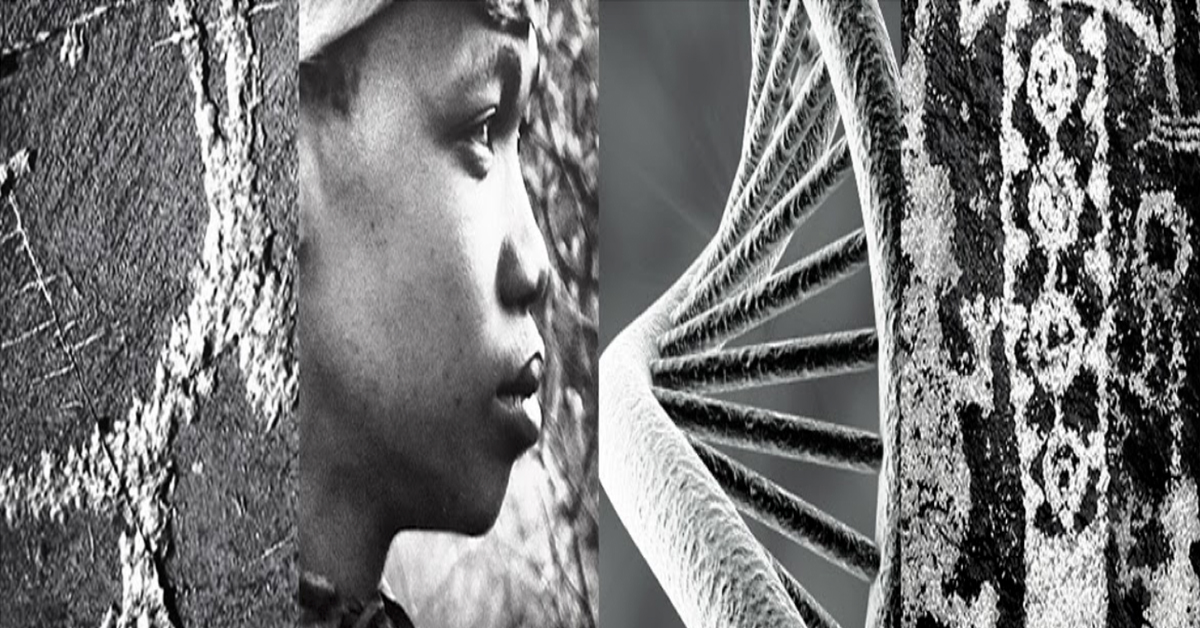


An online article by Charles Q. Choi on Live Science - DNA from Mysterious 'Denisovans' Helped Modern Humans Survive - reports on how genetic mutations from extinct human relatives called the Denisovans might have influenced modern human immune systems, as well as fat and blood sugar levels.
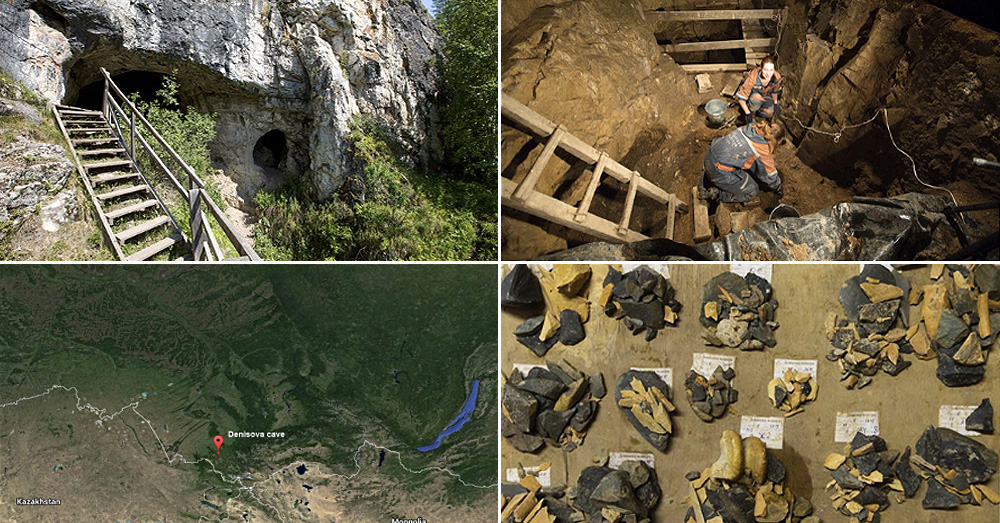
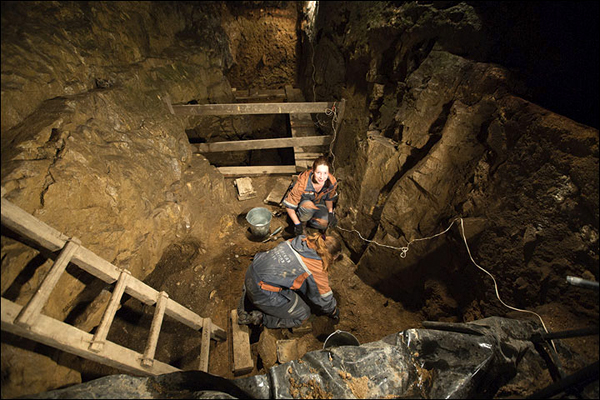
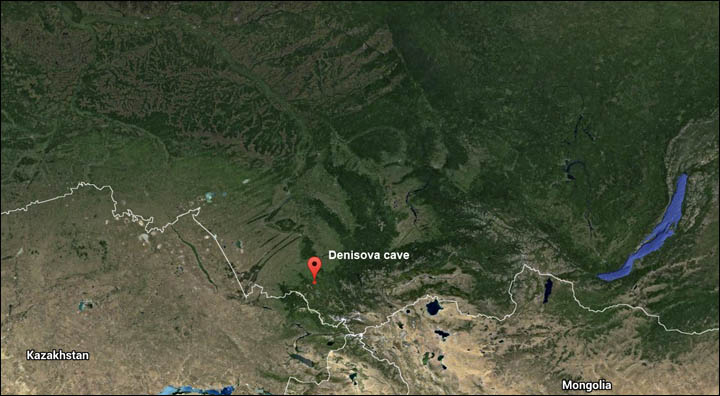
'Very little is known about the Denisovans. The first evidence of them was discovered in Denisova Cave in Siberia in 2008, and DNA from their fossils suggests they shared an origin with Neanderthals but were nearly as genetically distinct from Neanderthals as Neanderthals were from modern humans.'
'Previous work found that any modern humans with ancestry outside of Africa inherited about 1.5 to 2.1 percent of their DNA from Neanderthals. In contrast, prior research suggested that substantial levels of Denisovan ancestry are found only in the Pacific islands of Melanesia.
https://t.co/uxc9ShPNDw re. immune systems, fat & blood sugar levels #Origins #Denisova #archaeology pic.twitter.com/bSHltXTrbC
— Bradshaw Foundation (@BradshawFND) March 18, 2016
Scientists are increasingly uncovering the effects of Neanderthal ancestry on modern humans, from potential immune boosts to increased risks for depression, obesity, heart attacks, nicotine addiction. However, relatively little was known about the effects of Denisovan ancestry.'
Joshua Akey, a senior author of the study and a population geneticist at the University of Washington in Seattle, and his colleagues discovered there were at least three distinct instances of Neanderthal gene flow into modern human populations. However, there was likely just one such instance of gene flow when it came to Denisovans. The researchers found that the people in the study who lived in the southern Pacific islands of Melanesia were the only population that had significant levels of Denisovan genetic ancestry. Whereas about 1.7 percent of the genomes of the Melanesians came from Neanderthals, between about 1.9 and 3.4 percent of their genomes came from Denisovans, according to the study.
The recent research suggests that the range of the Denisovans was much larger than that of the Neanderthals, extending all the way from Siberia down to Southeast Asia. Moreover, Neanderthal and Denisovan DNA was not scattered evenly in the modern human genome. Rather, it was concentrated more heavily in some regions than others. This may be because, in certain sections of the DNA, mixing sequences from Neanderthals or Denisovans with those of modern humans was detrimental in some way to the individuals who had those mixtures. Thus, over time, evolution purged those deleterious mixes from the modern genome.
Akey and his colleagues also discovered that there were at least three distinct instances of Neanderthal genes flowing into modern human populations. However, there was likely just one such instance of Denisovan genes flowing into modern human populations.
Intriguingly, the areas of the modern human genome that were generally devoid of Neanderthal or Denisovan genetic sequences are areas rich in genes linked to the brain, particularly the developing cortex and the adult striatum. The cortex is the center of higher mental function in humans, while the striatum is linked to responses to rewards.
In contrast, there were a handful of spots in the Melanesian genome where archaic genetic sequences made up 50 to 70 percent of those regions. For these areas of the genome, the Neanderthal or Denisovan genetic information likely held advantages that helped modern humans survive and reproduce.
In these regions of the genome, there are genes involved in blood sugar levels, fat metabolism and the immune system. Akey suggests that as our ancestors were spreading to new environments all over the world, hybridization would have provided an efficient way to pick up copies of genes adapted to local environmental conditions, and immune-related genes probably helped our ancestors handle new pathogens they were exposed to.
Future research can investigate the imprints of Denisovan ancestry in other modern human populations.
The scientists detailed their findings online in the journal Science.
Read more about the fossil record in ORIGINS:
by Bradshaw Foundation
Wednesday 23 July 2025
by Bradshaw Foundation
Thursday 29 May 2025
by Bradshaw Foundation
Monday 03 February 2025
by Bradshaw Foundation
Monday 30 May 2022
by Bradshaw Foundation
Wednesday 19 January 2022
by Bradshaw Foundation
Thursday 06 January 2022
by Bradshaw Foundation
Tuesday 21 March 2023
by Bradshaw Foundation
Tuesday 07 February 2023
by Bradshaw Foundation
Thursday 19 May 2022
by Bradshaw Foundation
Monday 04 December 2023
by Bradshaw Foundation
Friday 30 June 2023
by Bradshaw Foundation
Thursday 06 April 2023
by Bradshaw Foundation
Friday 14 July 2023
by Bradshaw Foundation
Monday 22 November 2021
by Bradshaw Foundation
Tuesday 12 July 2016
by Bradshaw Foundation
Tuesday 26 November 2024
by Bradshaw Foundation
Monday 27 November 2023
by Bradshaw Foundation
Friday 07 October 2022
by Bradshaw Foundation
Wednesday 23 July 2025
by Bradshaw Foundation
Thursday 29 May 2025
by Bradshaw Foundation
Monday 03 February 2025
by Bradshaw Foundation
Monday 30 May 2022
by Bradshaw Foundation
Wednesday 19 January 2022
by Bradshaw Foundation
Thursday 06 January 2022
by Bradshaw Foundation
Tuesday 21 March 2023
by Bradshaw Foundation
Tuesday 07 February 2023
by Bradshaw Foundation
Thursday 19 May 2022
by Bradshaw Foundation
Monday 04 December 2023
by Bradshaw Foundation
Friday 30 June 2023
by Bradshaw Foundation
Thursday 06 April 2023
by Bradshaw Foundation
Friday 14 July 2023
by Bradshaw Foundation
Monday 22 November 2021
by Bradshaw Foundation
Tuesday 12 July 2016
by Bradshaw Foundation
Tuesday 26 November 2024
by Bradshaw Foundation
Monday 27 November 2023
by Bradshaw Foundation
Friday 07 October 2022
by Bradshaw Foundation
Tuesday 19 November 2024
by Bradshaw Foundation
Wednesday 22 May 2024
by Bradshaw Foundation
Friday 10 November 2023

Friend of the Foundation