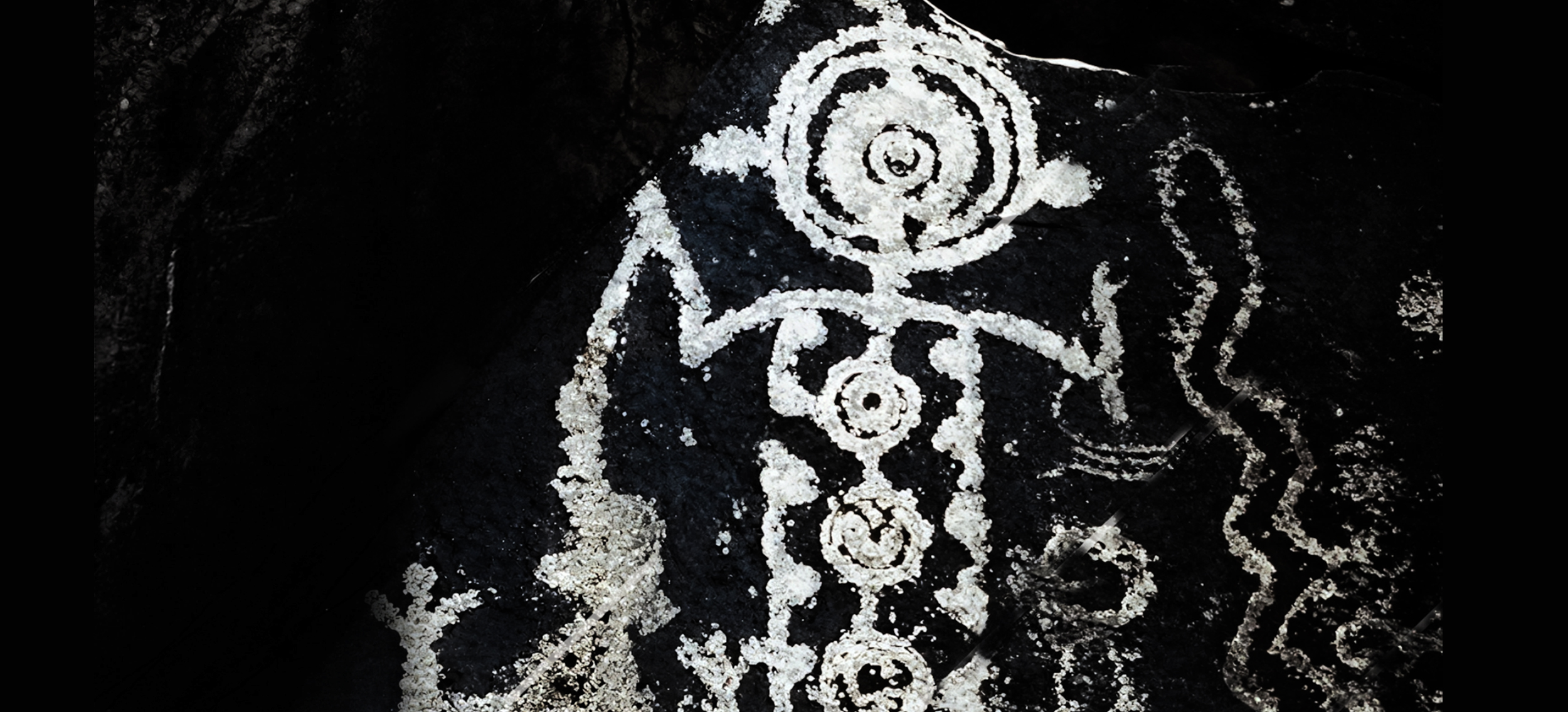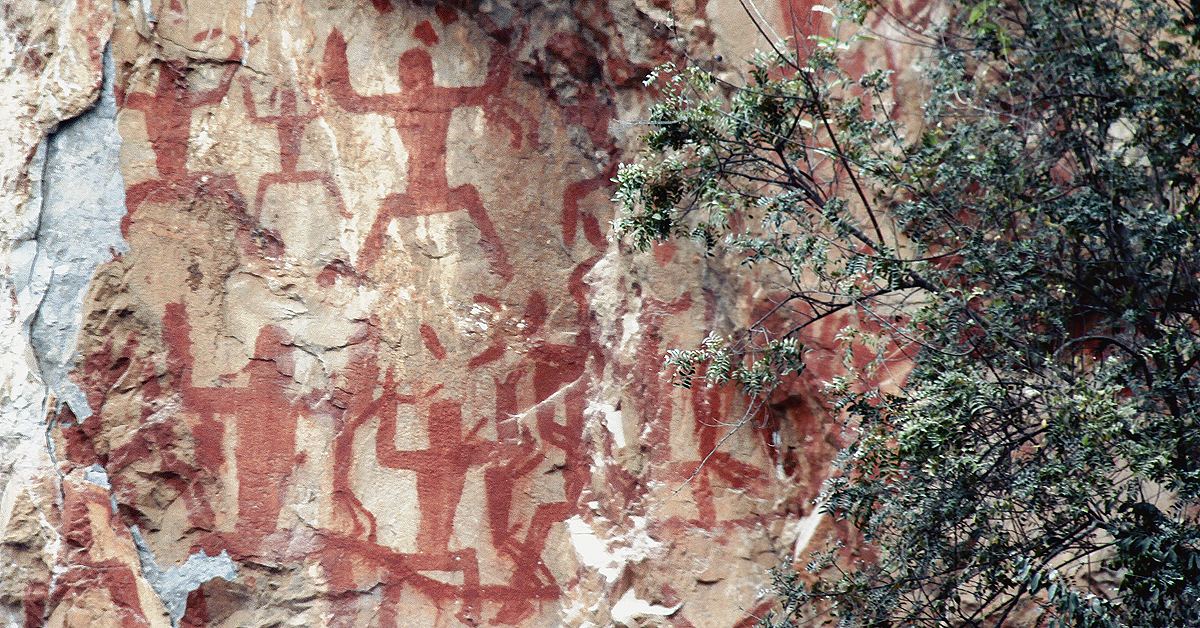


However, it is generally believed by Chinese scholars that an ancient group called Luo Yue was responsible for producing the Huashan rock art site between the Warring States Period (403–221 BCE) and Eastern Han dynasty (26-220 CE) (Qin et al. 1987: 137). In many areas of the world the political events in the area where rock art is situated are unknown for the time the rock art was produced. The assumption is that the politics of the area were static and uneventful. However, both historical and archaeological sources prove that this was not the case in the Guangxi area in the period when the Huashan rock art is presumed to have been painted. Therefore, a brief discussion of the historical and archaeological background of this area helps to better understand the ethnic culture of the Luo Yue people.
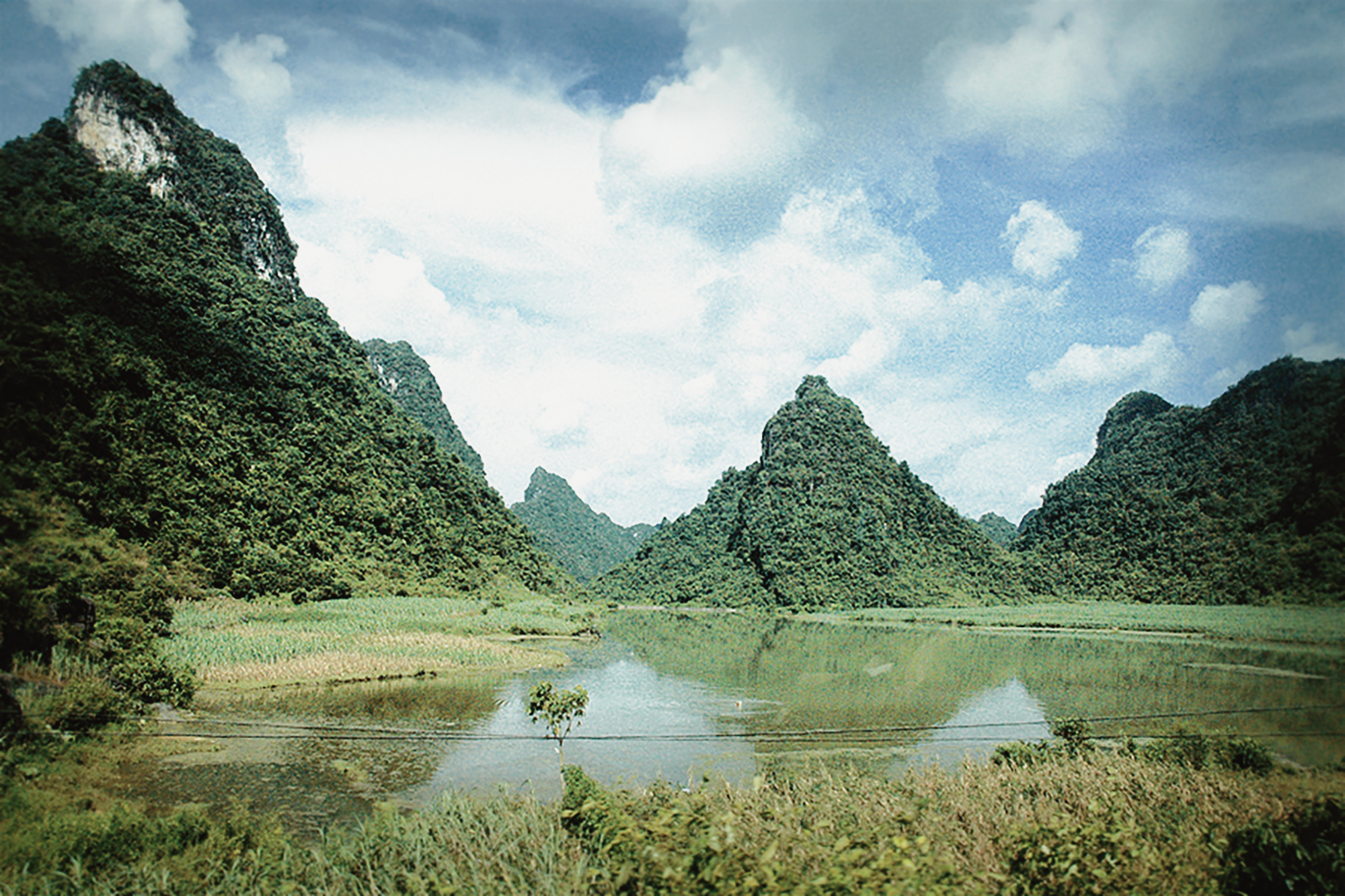
Zuojiang river valley
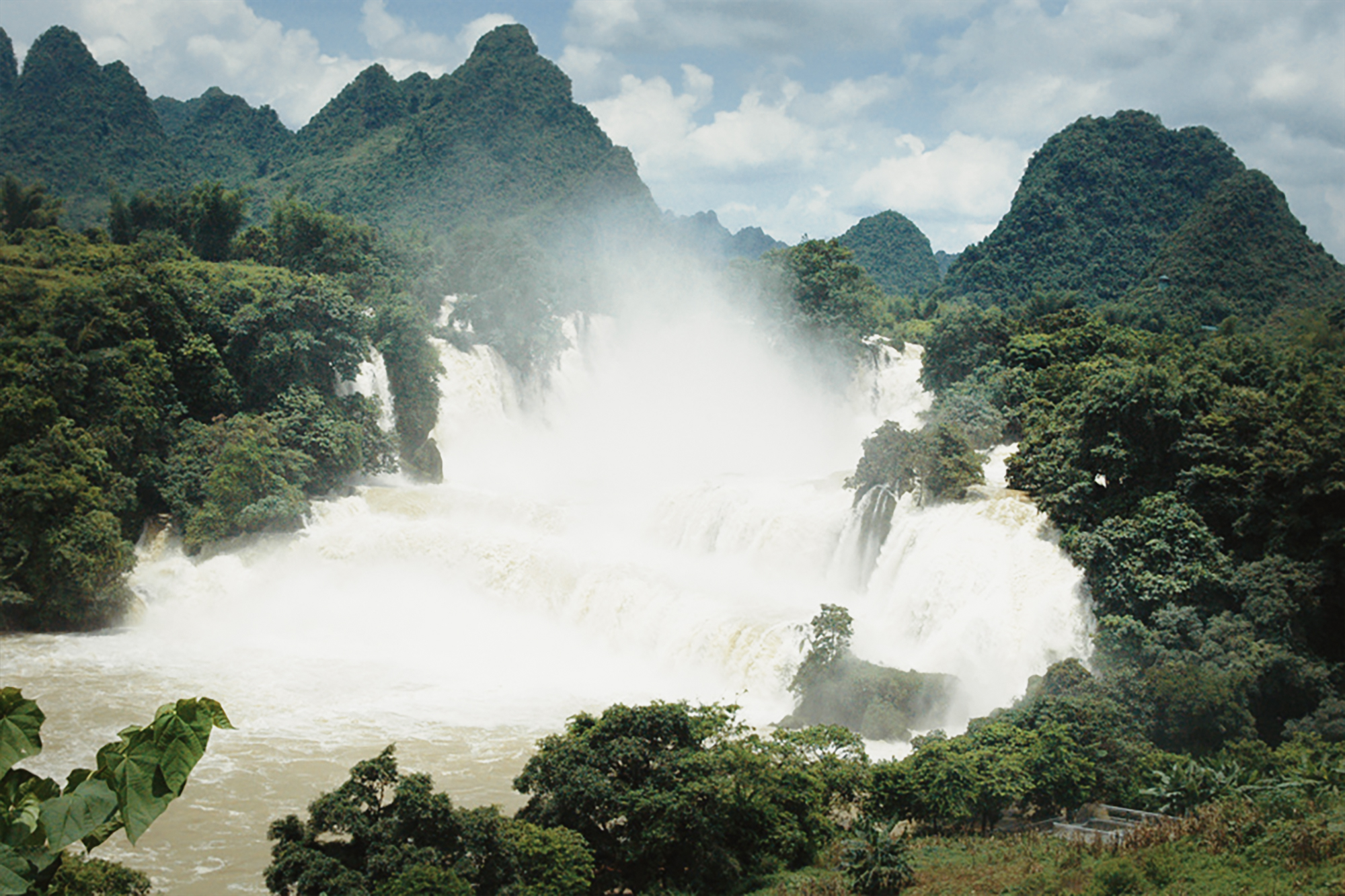
waterfall between China & Vietnam
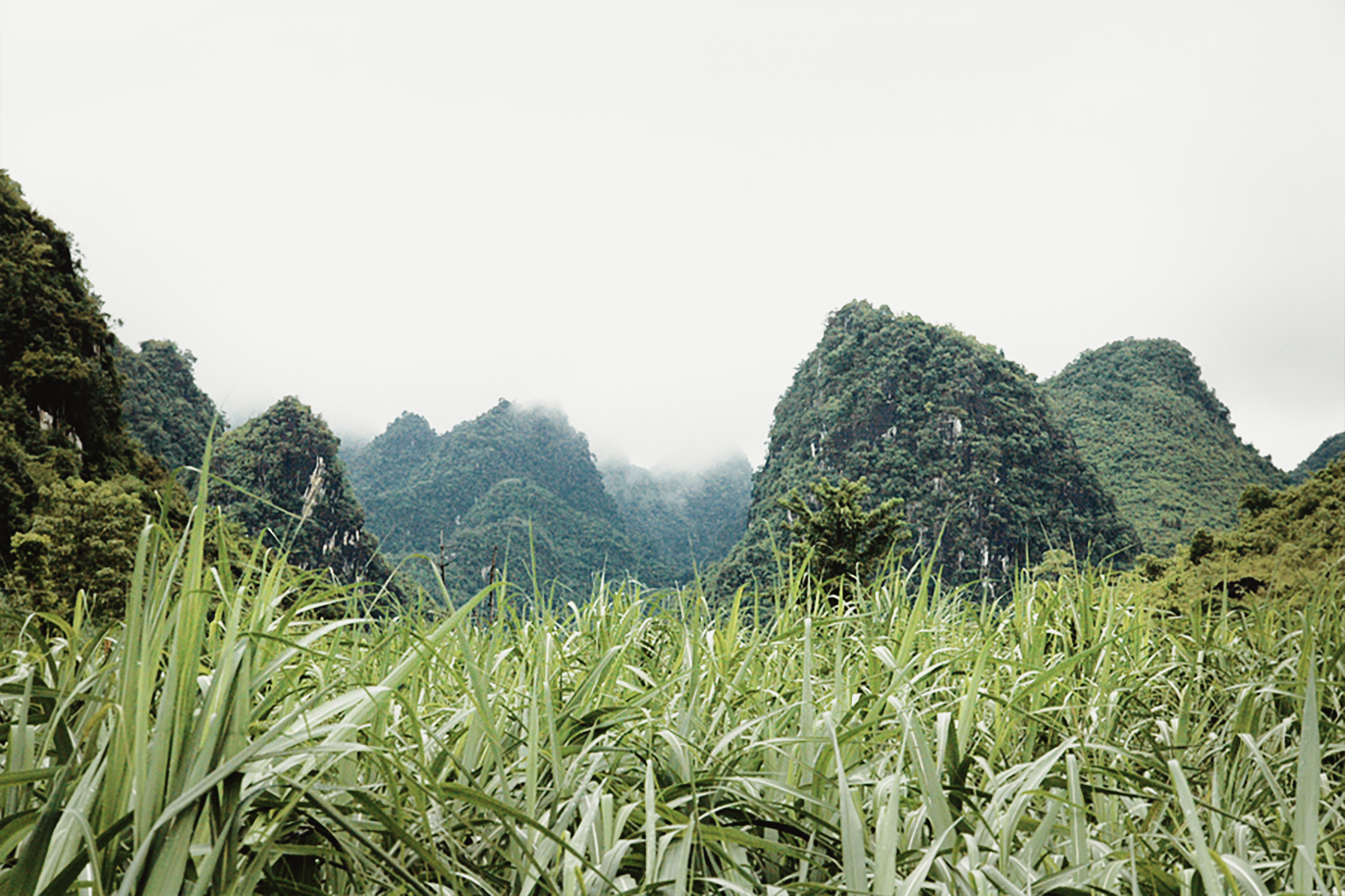
Huashan area
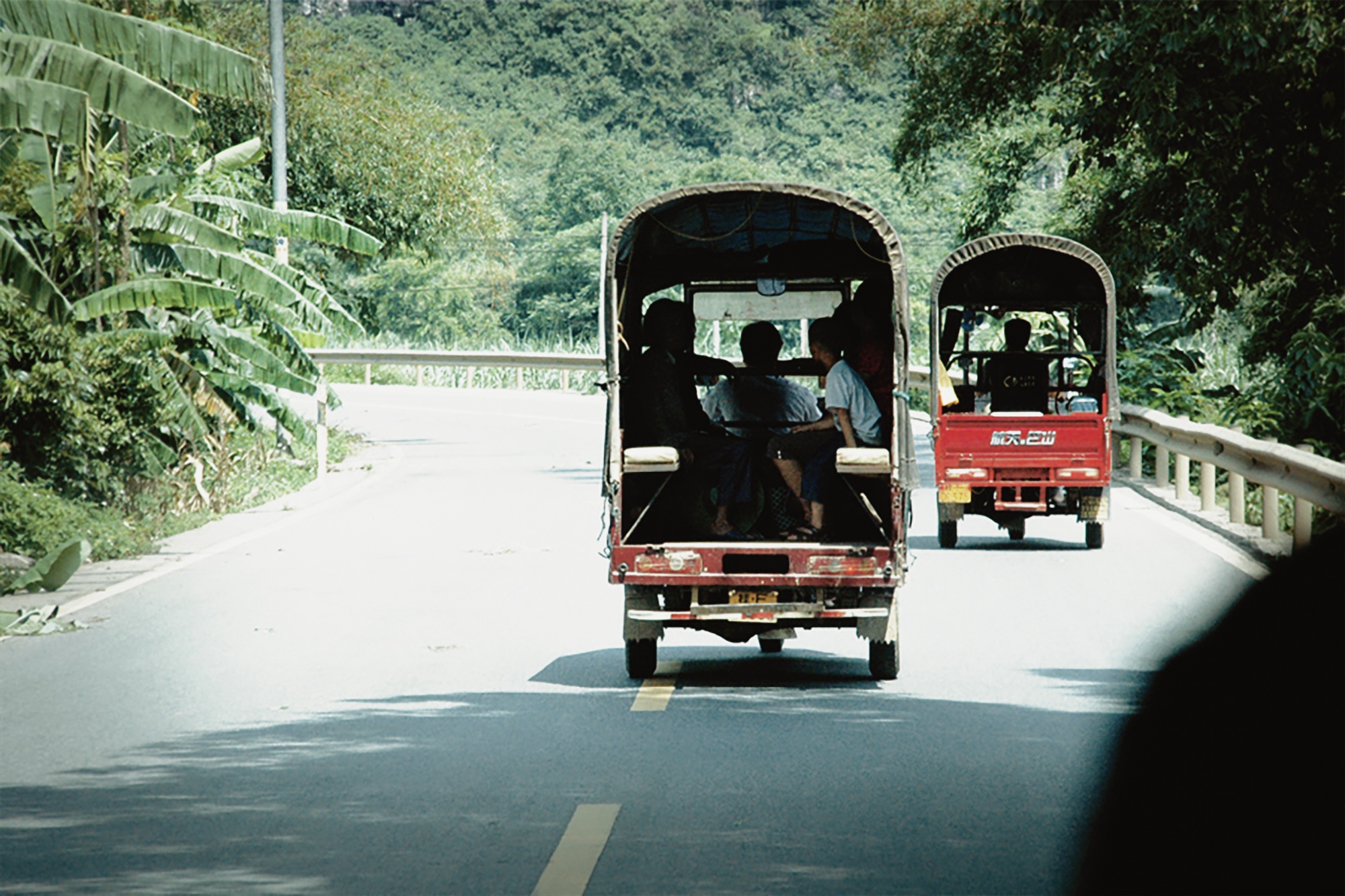
the Huashan area
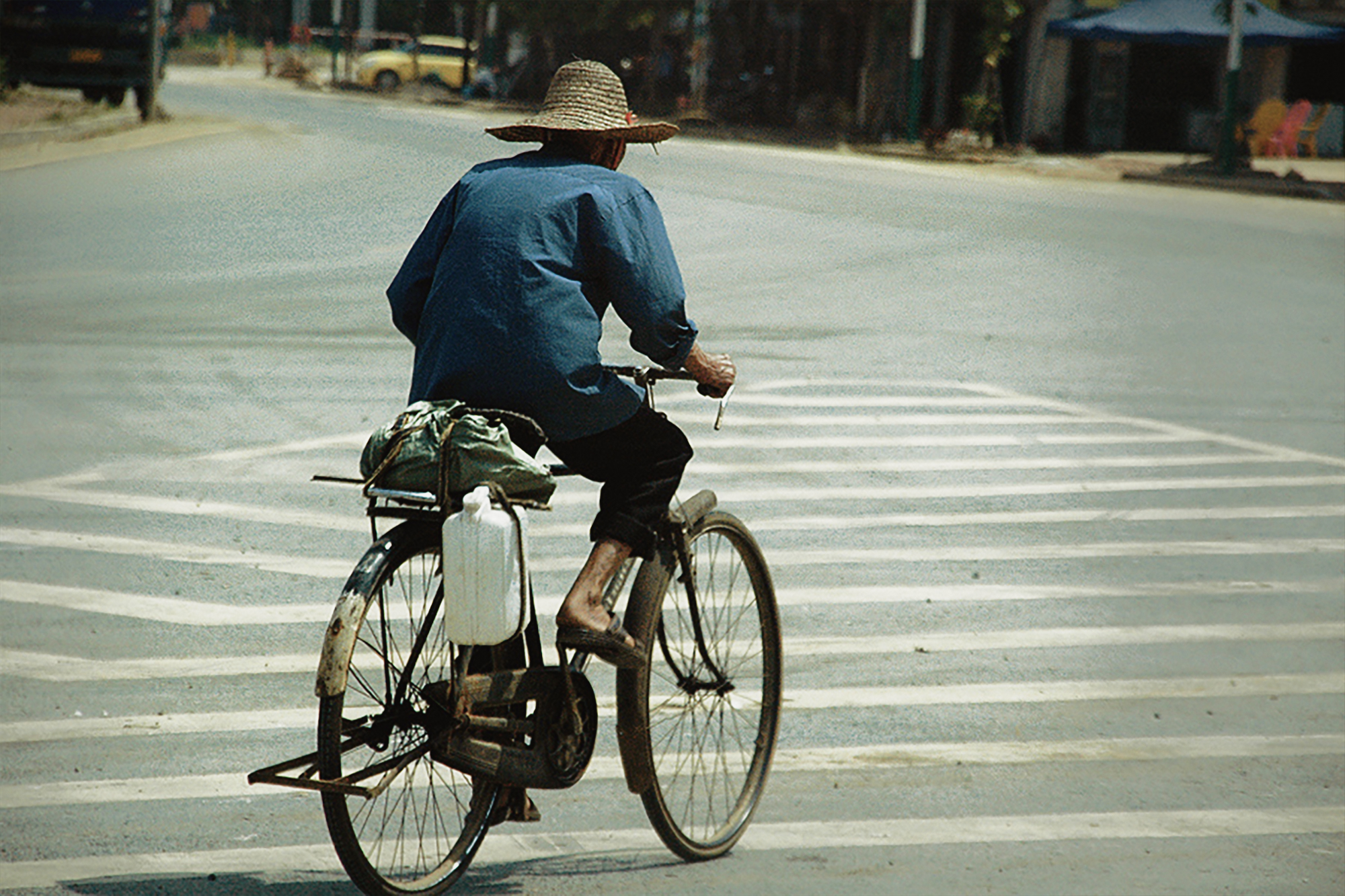
Huashan area
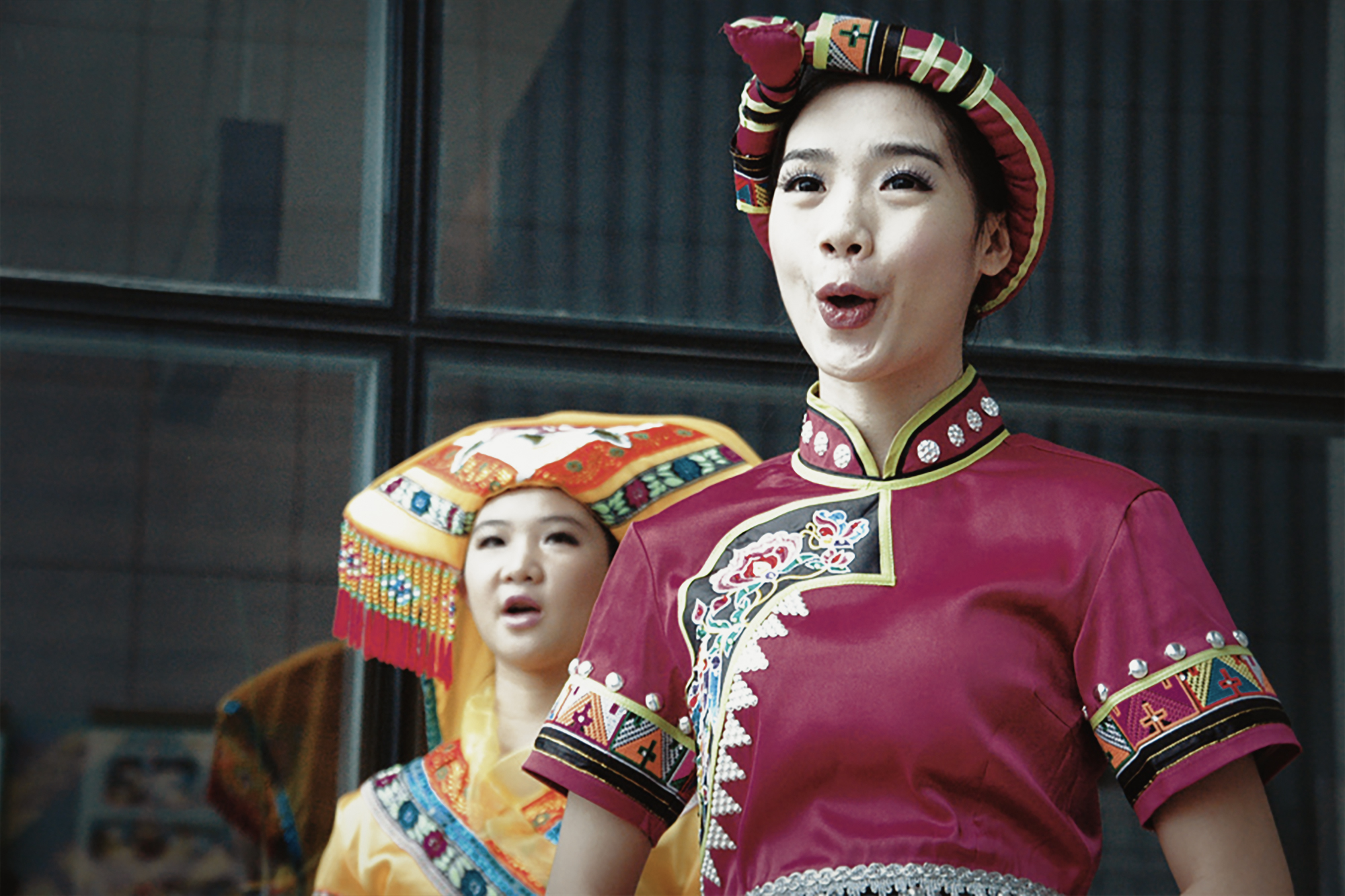
their traditional costume
- Huashan Rock Art Site
Sacred Meeting Place for Sky, Water and Earth - Introduction to Huashan Rock Art
- UNESCO World Heritage Site
- Rock art of Huashan may owe its survival to post-partum blood
- Huashan Rock Art Gallery
- Local Ethnic Culture
- Huashan Historical Background
- Religious Beliefs and the Rock Art
- Cosmology of Huashan Rock Art
- 38 Huashan Rock Art Sites
- Protection of Zuojiang Huashan
- Wushan Rock Art
- China Rock Art Archive
- The Rock Art of Huashan, China - UNESCO World Heritage Site
- Rock Art of China's Helan Mountains
- Yinchuan World Rock Art Museum
- Itinerant Creeds
- Rock Art of Inner Mongolia & Ningxia
- The Tiger in Chinese Rock Art
- Life in Rock Art by Chen Zhao Fu
- In Search of a Vanishing Civilization
- Ancient Rock Carvings from Dazu