18 February 2020
The Font Major Cave (Cova de la Font Major) is a 3.5-kilometer-long karstic cave system located in the L'Espluga de Francolí, Province of Tarragona, Catalonia, Spain. It is one of the longest caves in the world. Like a great many of the discoveries around the world, Cova de la Font Major was discovered by accident in 1853. In 1992 restoration work began on the cave, which involved the preservation of the original environment and also the possibility of converting the route into a museum tour, which came to fruition with the inauguration of the Cave Museum two years later, in 1994.
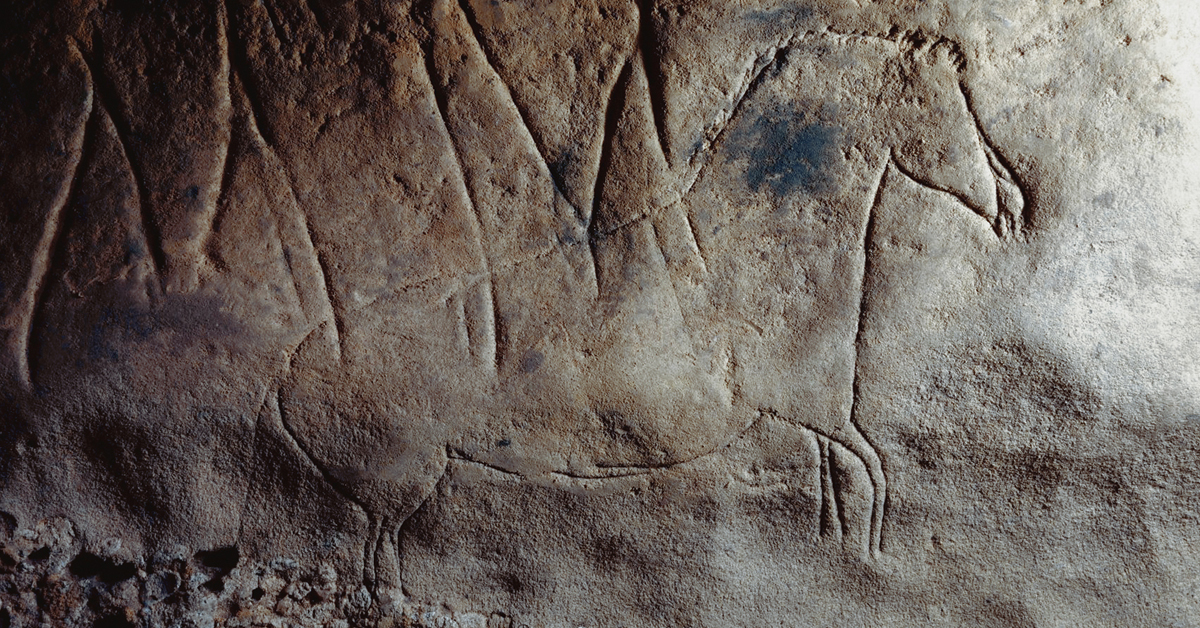
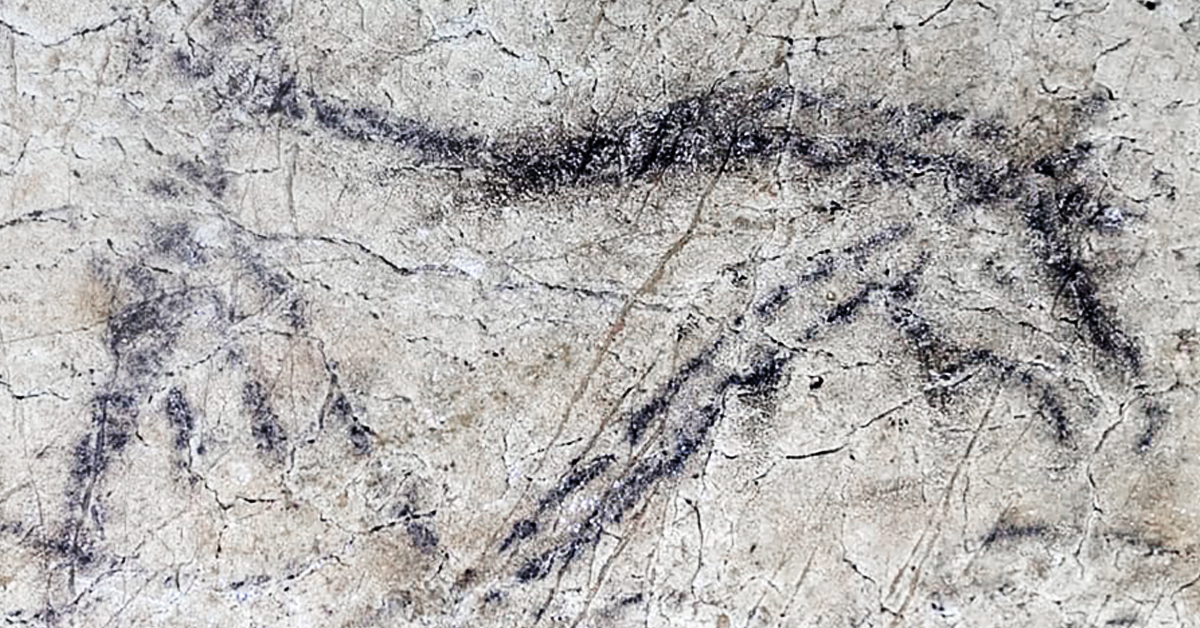
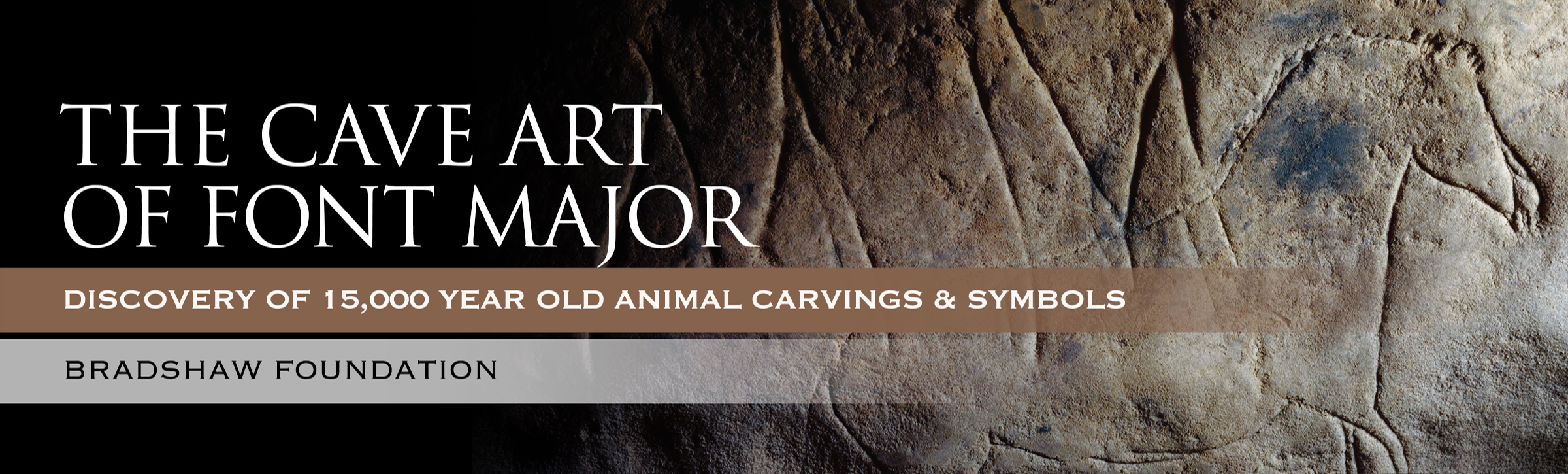
In 2019, archaeologists discovered 15,000-year-old Paleolithic carvings (Upper Paleolithic/Late Stone Age) on the walls of a restricted, non-public, and fragile section of the cave. While parts Font Major Cave are accessible to the public, the chambers containing ancient rock art carvings are closed to protect the cave art.
The Font Major Cave (Cova de la Font Major) is a 3.5-kilometer-long karstic cave system located in the L'Espluga de Francolí, Province of Tarragona, Catalonia, Spain. It is one of the longest caves in the world. Like a great many of the discoveries around the world, Cova de la Font Major was discovered by accident in 1853. In 1992 restoration work began on the cave, which involved the preservation of the original environment and also the possibility of converting the route into a museum tour, which came to fruition with the inauguration of the Cave Museum two years later, in 1994.
In 2019, archaeologists discovered 15,000-year-old Paleolithic carvings (Upper Paleolithic/Late Stone Age) on the walls of a restricted, non-public, and fragile section of the cave. While parts Font Major Cave are accessible to the public, the chambers containing ancient rock art carvings are closed to protect the cave art.
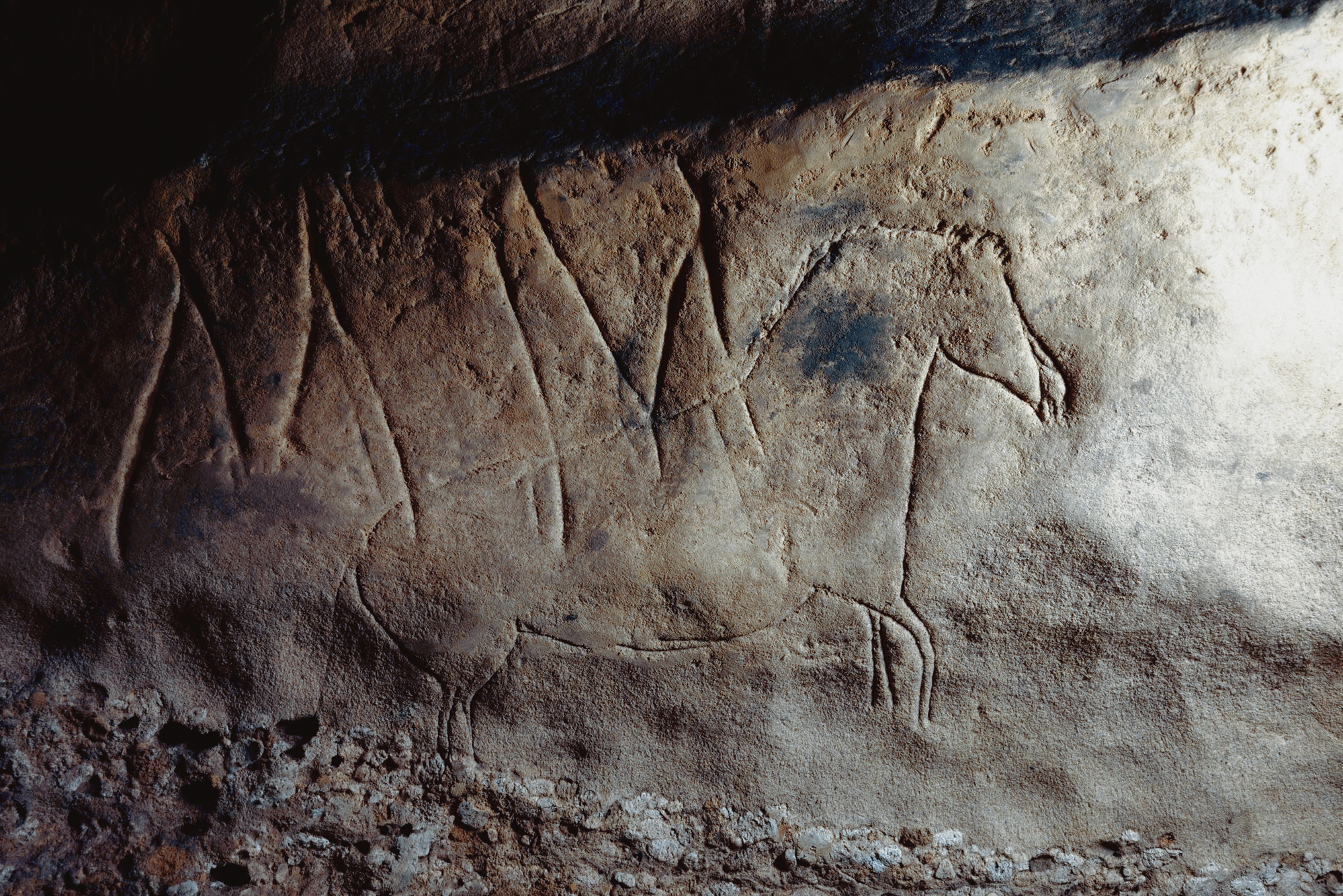
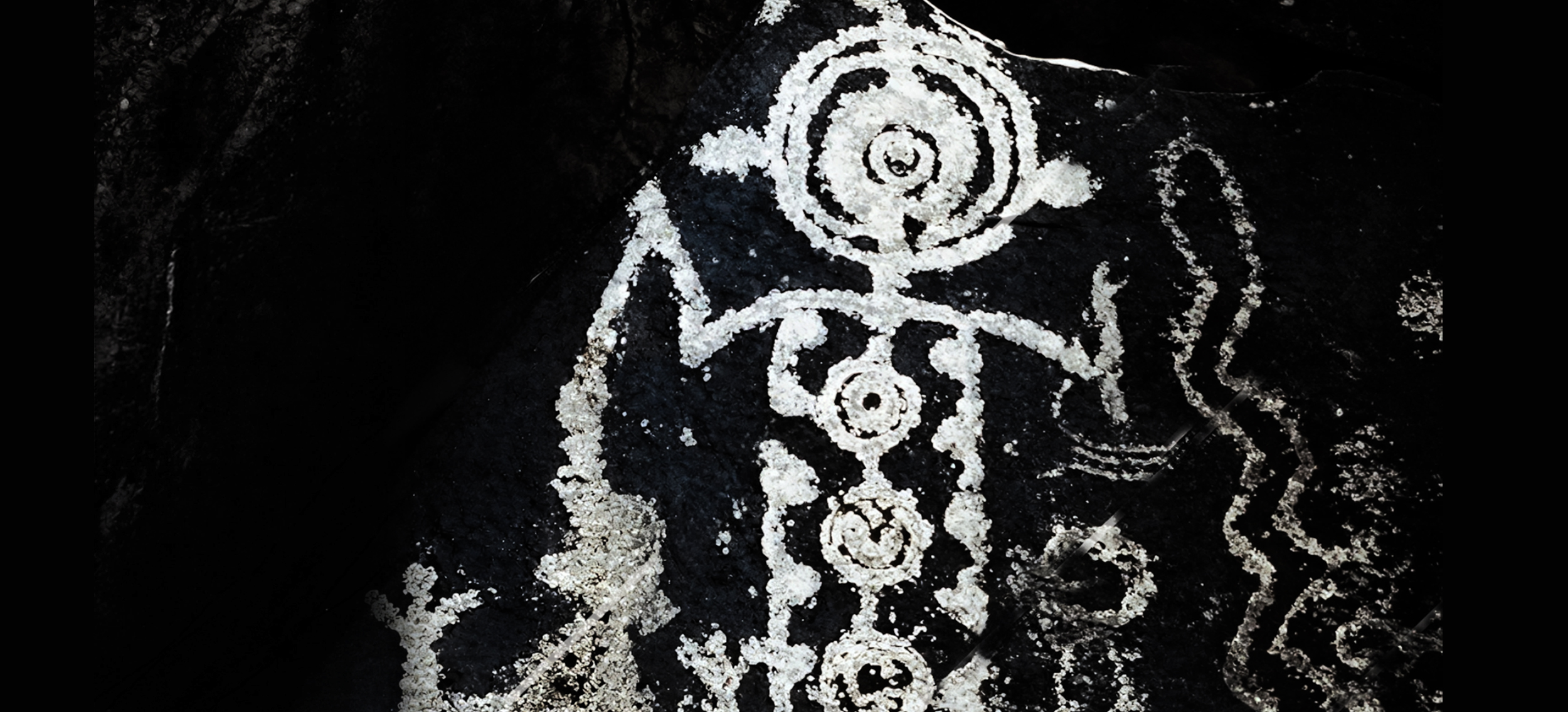
Among the hundreds of rock carvings, some believed to be 15,000 years old, are vivid depictions of animals - horses, deer and bulls - as well as abstract symbols. Unlike the famous prehistoric paintings at The Cave of Altamira in northern Spain, the recently discovered cave art in Catalonia is carved directly into the soft surface of the rock.
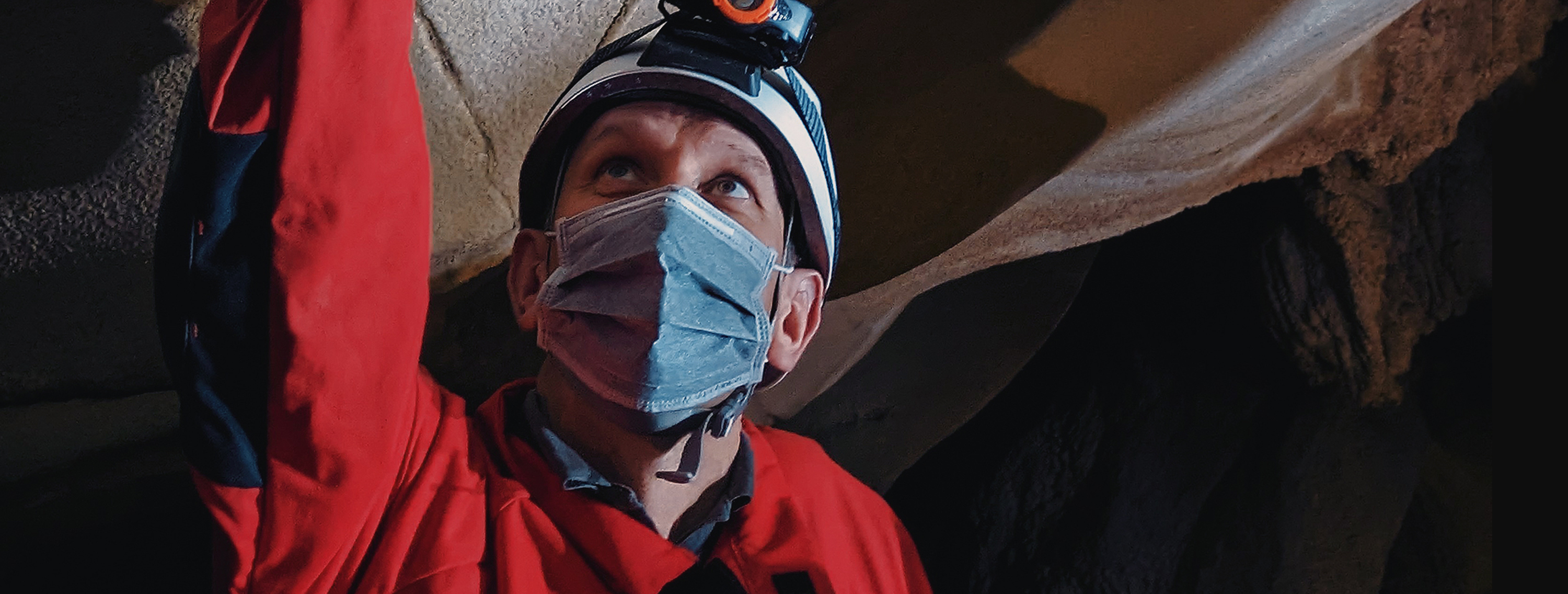
The team of archaeologists discovered the richly decorated cave at the end of October 2019, although their discovery was not announced until later in 2020. Josep Maria Vergès, who led the team from IPHES (the Catalan Institute of Human Palaeoecology and Social Evolution) described the find as “exceptional” in a statement, and compared the cave to a "shrine."
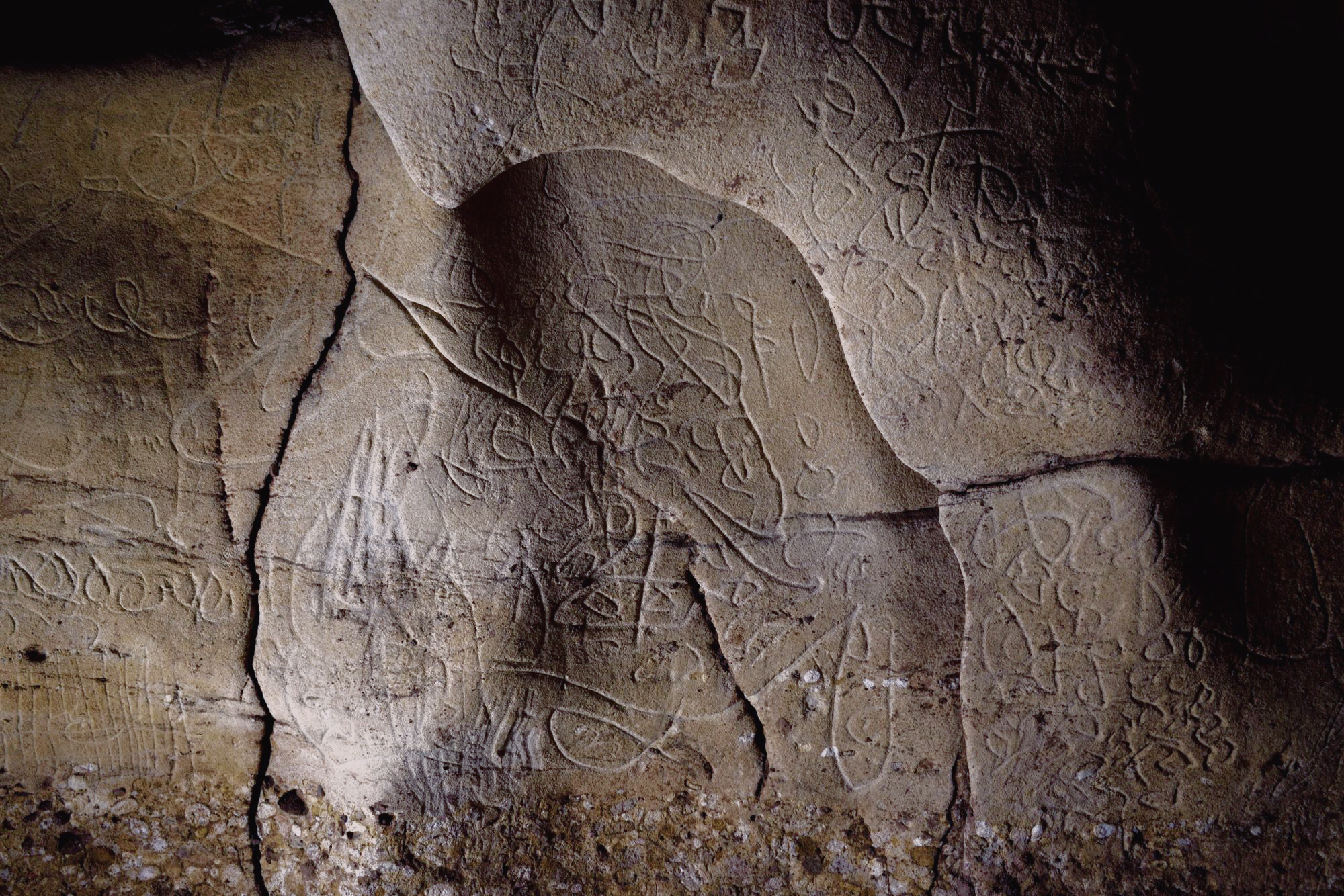
Josep Maria Vergès described his surprise at th Font Major Cave discovery "the cave is not an ideal place to find engravings due to the characteristics of the rock, the walls were very irregular, and the specialists thought that it was not suitable for painting or engraving." Josep Maria Vergès felt it seemed impossible that none of the thousands of people who have passed through the cave’s gallery in the past has ever spotted that "between and under the modern inscriptions there were tens of Paleolithic engravings."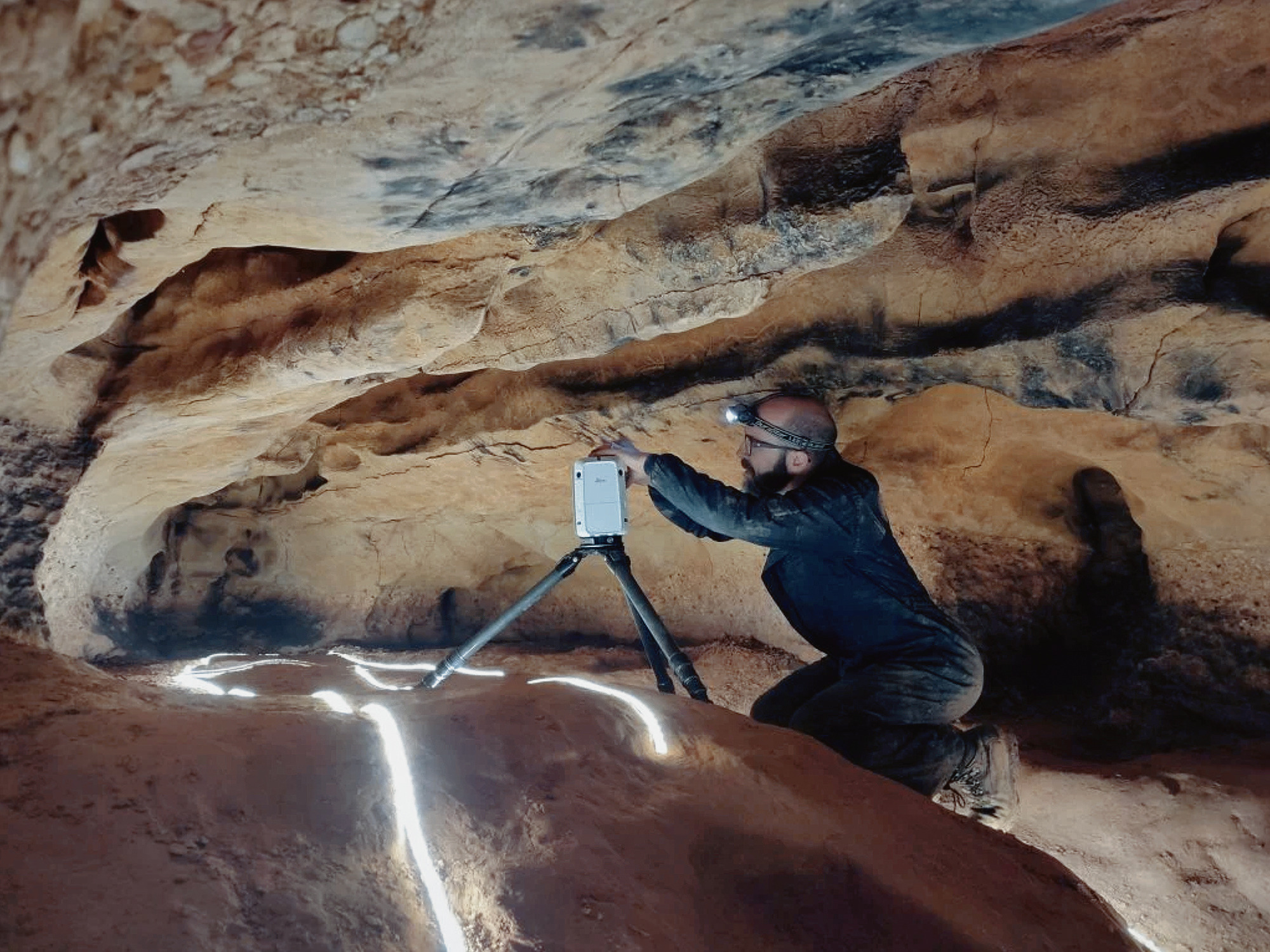
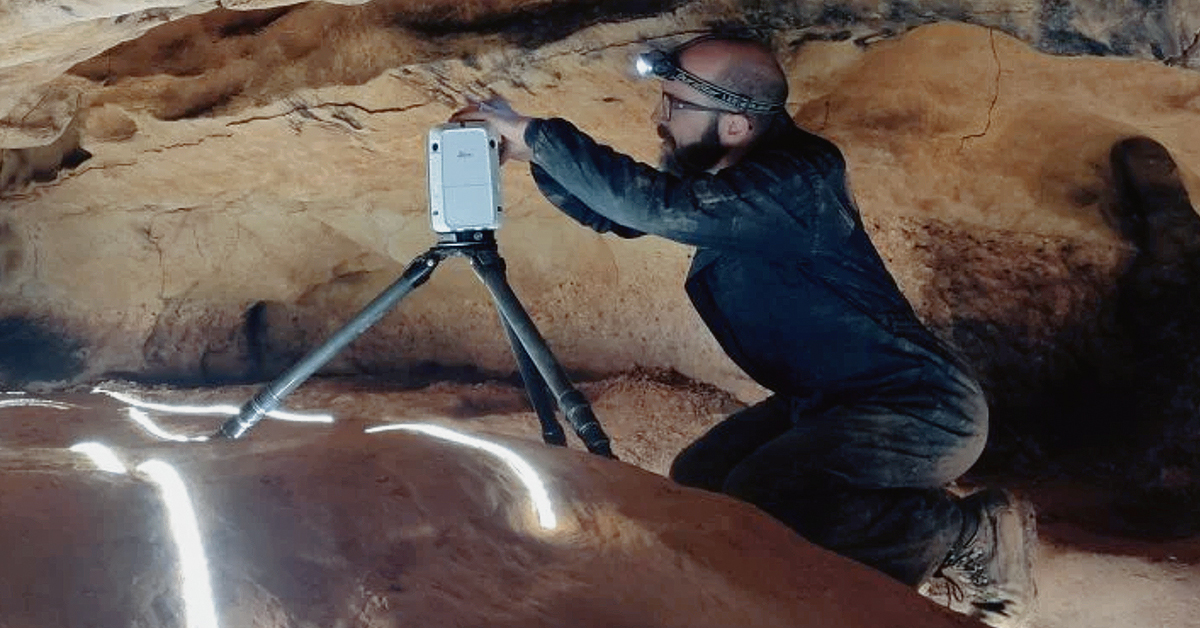
The cave art is now being recorded and studied using 3D scanning technology. The engravings were created on a layer of soft sand deposited on the cave’s surface in an area that is difficult to access. The artworks are extremely fragile and can be damaged if touched. Experts are now studying the best way to preserve the remarkable finds.
The oldest art in Font Major Cave is believed to date back to the Late Stone Age, or Upper Paleolithic period. For comparison the famous polychrome bison paintings of Altamira were created around 14,000 to 15,000 years ago, with excavations at the Cave of Altamira revealing Palaeolithic artifacts from the Gravettian (roughly 22.000 years ago) to the Middle Magdalenian (between roughly 16.500 and 13.000 years ago).
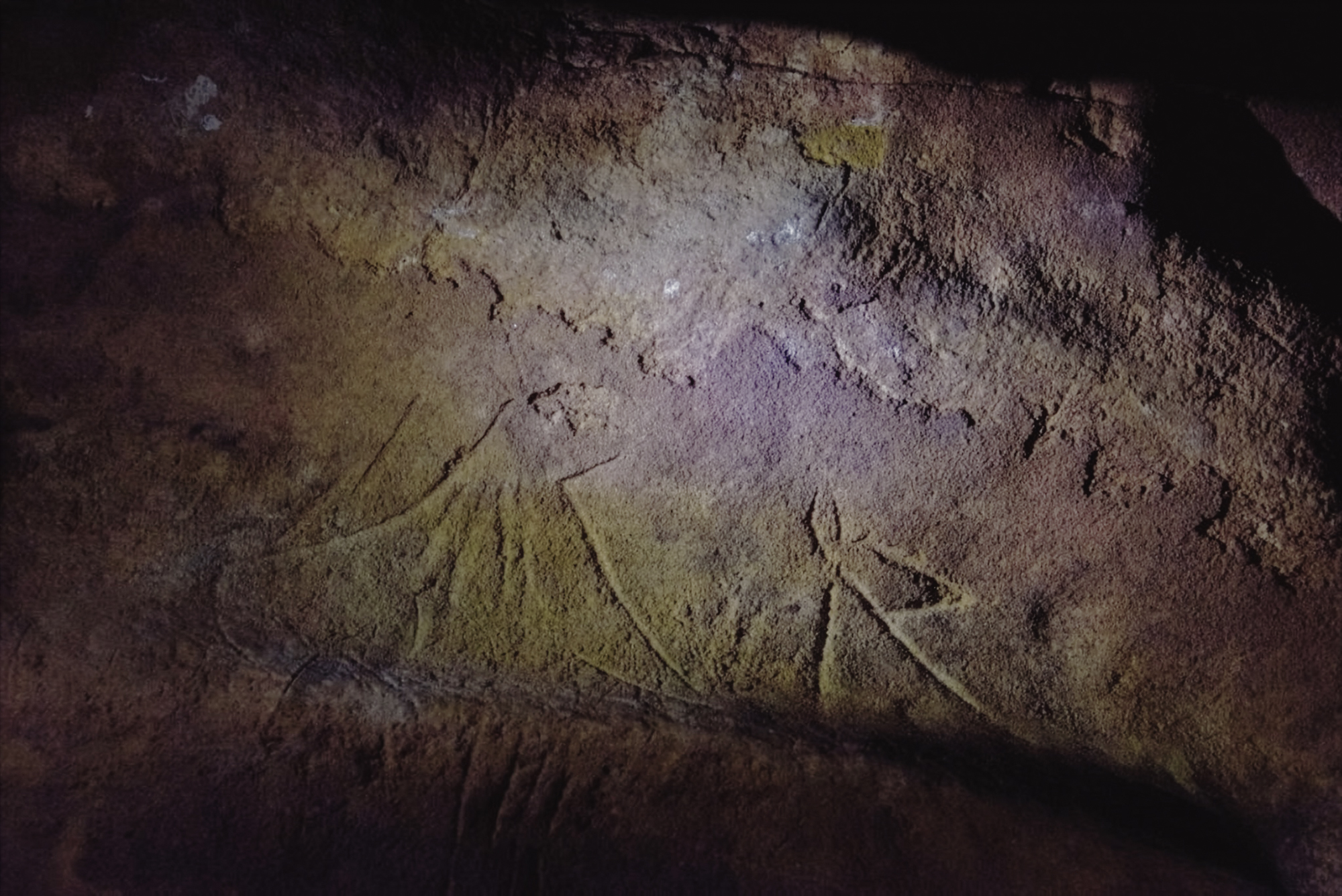
Researchers uncovered the art at within a nearly two-mile-long complex of caverns about 60 miles from Barcelona called the Cave of Font Major, which was first discovered in 1853. Parts of this cave complex, one of Europe’s largest, are open as a subterranean museum, although the specific stretch containing these carvings is closed to the public.