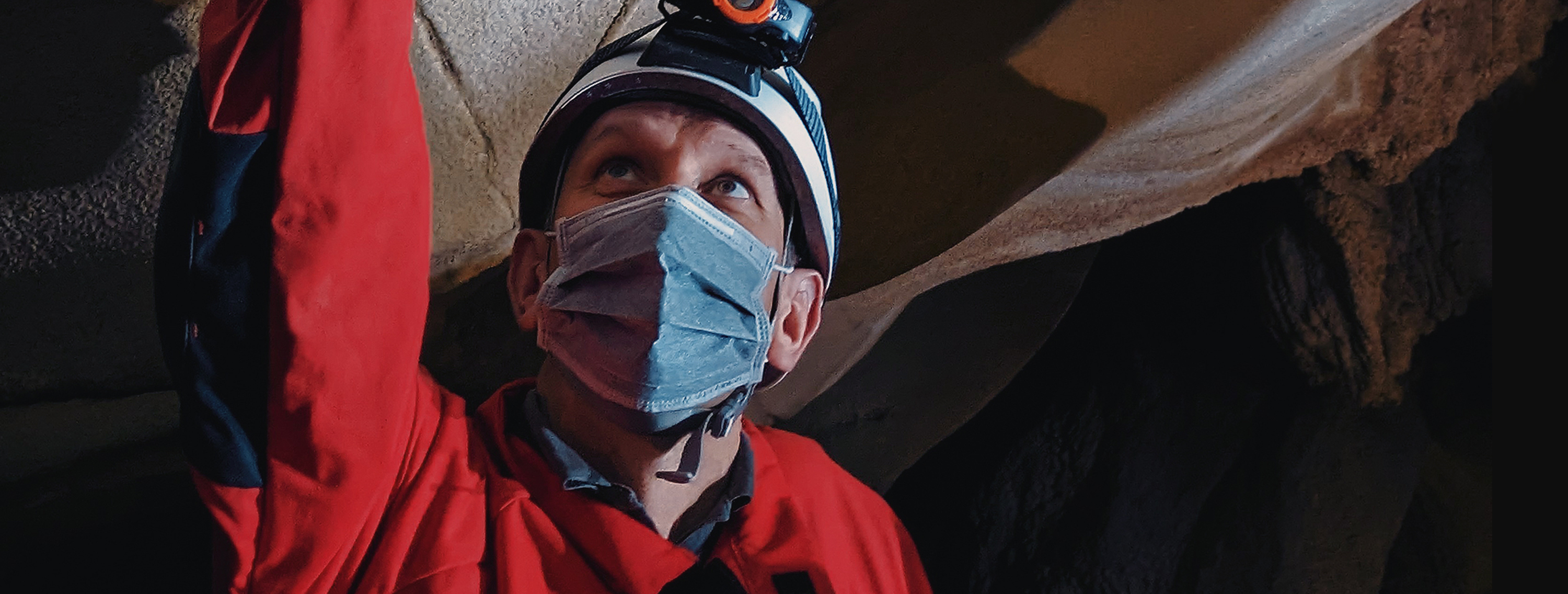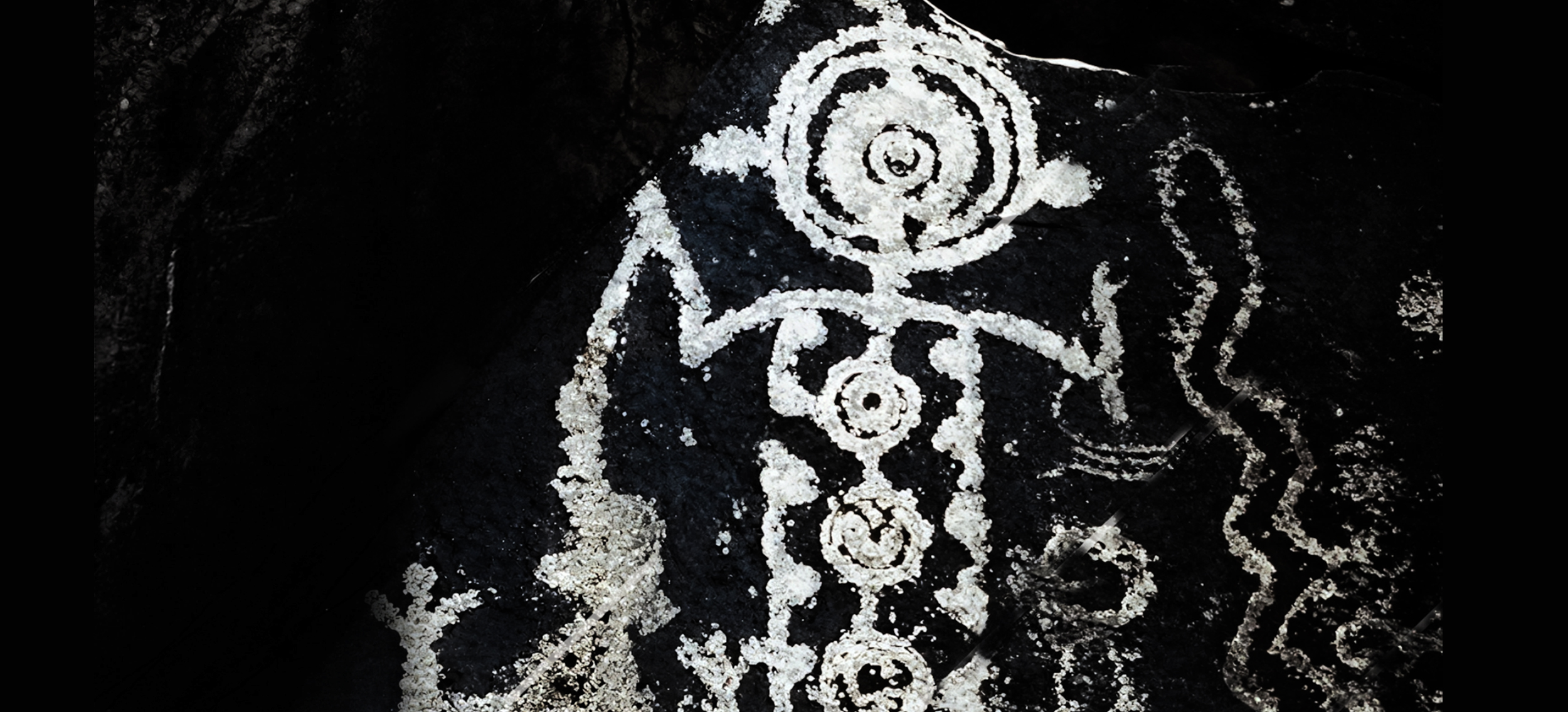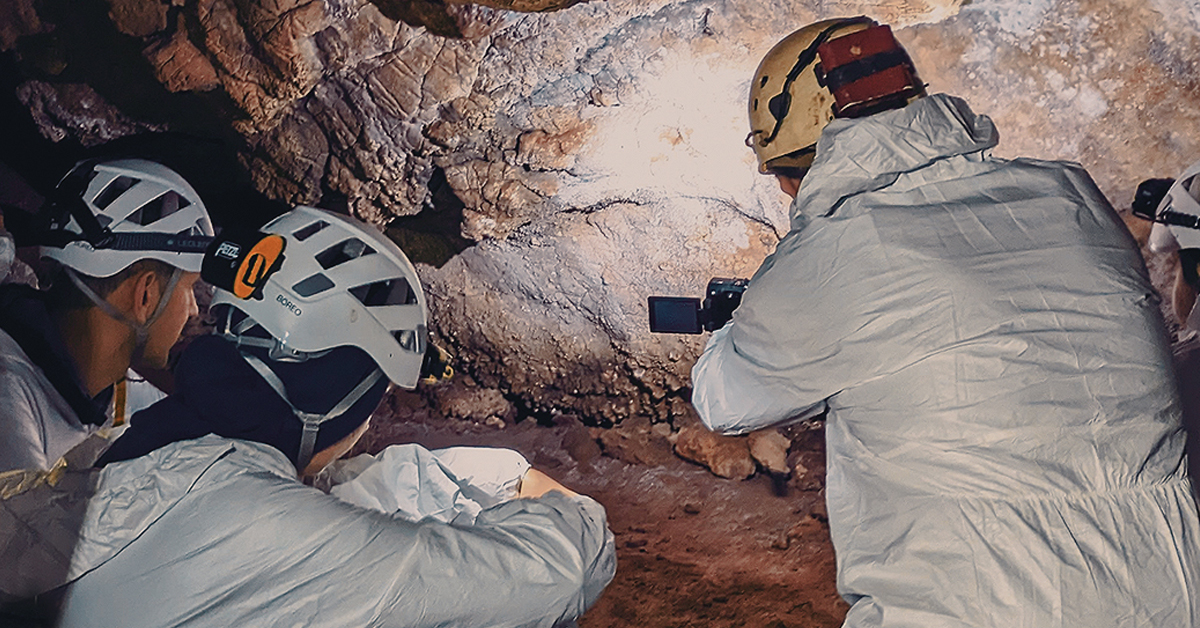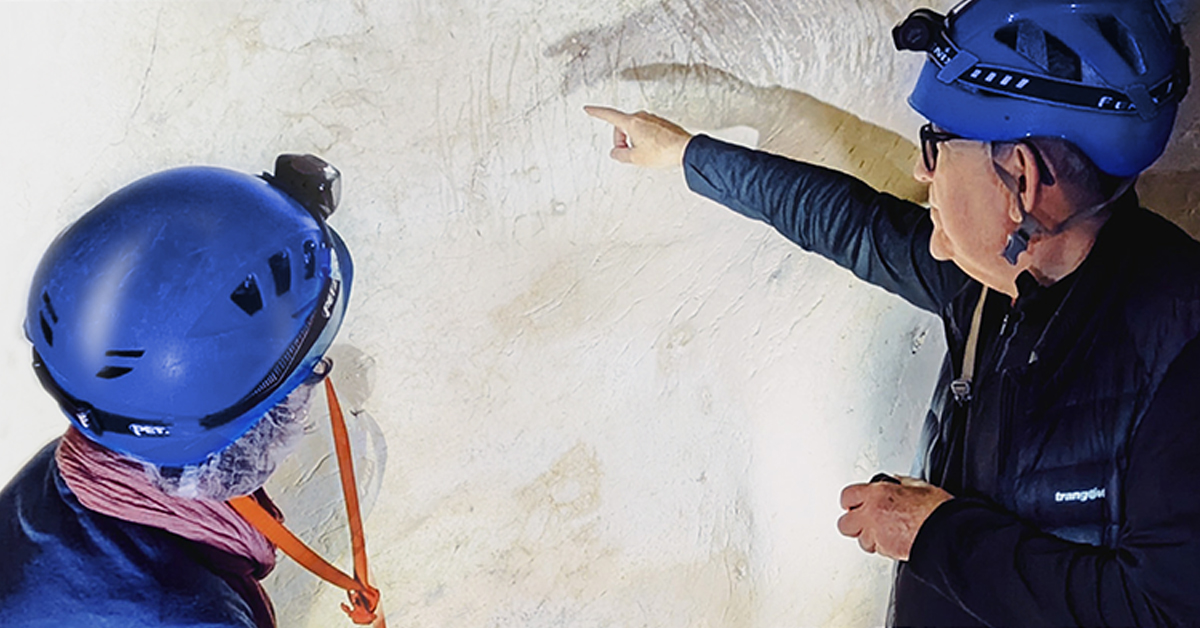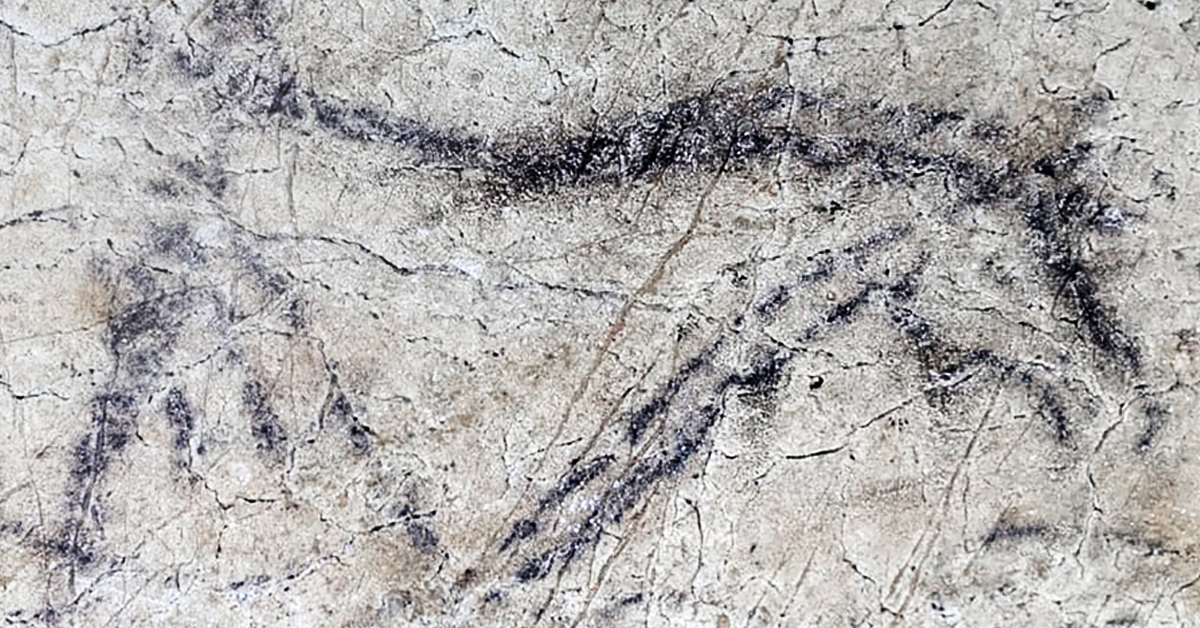
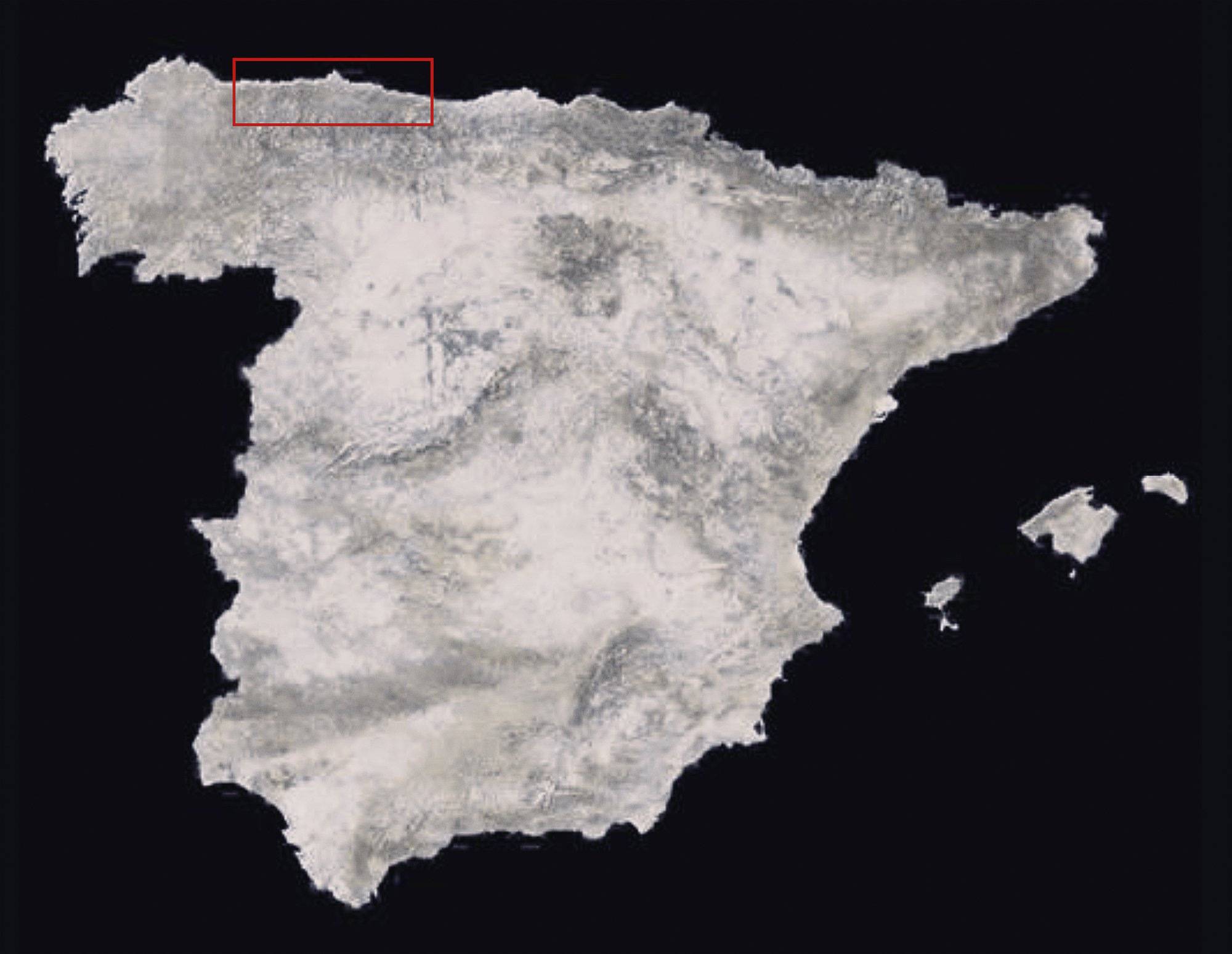
Within the framework of the FIRST ART project, a new sampling campaign was carried out between May 26 and June 1, 2025, as a continuation of the one conducted in December 2024. The main objective of this campaign was to collect new samples that would allow for the validation of the previously obtained results. This validation encompasses both the detection of ancient DNA in pigments and wall surfaces, and the establishment of a reliable chronological framework for the emergence of the earliest manifestations of parietal rock art. In this particular case, the study focuses on sites located within the territory of the Iberian Peninsula and, more specifically, on the region of Asturias in northern Spain, which is the subject of the present report (Figure 1).
The campaign received direct financial support from the Bradshaw Foundation and was carried out by the following technical team:
- Coordination and graphic documentation: Hipólito Collado Giraldo (Department of Archaeology, Regional Government of Extremadura; University of Extremadura; and Geosciences Center), Spain.
- Sampling coordinator: Sara Garcés (Geosciences Center, Polytechnic Institute of Tomar), Portugal.
- Head of U/Th dating: Qingfeng Shao (Geochronology Laboratory, Nanjing University), China.
- Head of ancient DNA identification and sequencing: Matthias Meyer (Max Planck Institute, Leipzig), Germany.
- Lead researcher for the sampled caves in Asturias: Alberto Martínez Villa.
FIRST ART is establishing itself as an international research project that has remained active since its inception in 2018. Over time, it has gradually expanded its reach globally by enhancing collaboration strategies with other teams whose main objectives include the identification, study, and characterization of the earliest stages of rock art.
Throughout seven years of work, the project has started to deliver significant results, especially in chronological aspects. It has provided a broad range of dates that lay a solid foundation for defining the chronological framework of the earliest artistic expressions created by humans, regardless of their species. Additionally, it has advanced the understanding of human communities' interactions with rock art, primarily through the analysis and identification of ancient DNA traces found at sites where its presence has been detected.
In this regard, the FIRST ART project has been particularly enriching. Thanks to the research conducted, the team members responsible for this area (from the Max Planck Institute for Human Evolution in Leipzig) have succeeded in identifying traces of human and mammalian DNA not only in the pigments but also directly on the walls of the caves. This achievement provides valuable insights into the human communities that once moved through these cave spaces and the possible uses they attributed to them. This breakthrough represents a remarkable advancement and a major qualitative leap, comparable to the methodological strategies developed by the same team to extract ancient DNA directly from the sediments of archaeological sites.
Initially, this second sampling campaign was scheduled to focus exclusively on La Lloseta Cave (Ardines), where preliminary chronological data suggested a very early phase of graphic expression. However, given that the necessary administrative permits were obtained, the sampling activities were extended to include Les Pedroses Cave (Ribadesella) and Cave LL-11 (Llanes).
3.1: Methodological issues: graphic recording of rock art figures and panels and sampling process
3.1.1: Recording of rock art figures and panels
The workflow implemented for conducting the 2D/3D graphic documentation of each chosen assemblage of rock art figures has been meticulously developed with considerations for non-invasiveness, precise data acquisition, and efficient resource utilization. This has been achieved by employing economically accessible instrumentation and optimizing the process to ensure the highest level of data accuracy.
To accomplish the 3D documentation, we will leverage the capabilities of LIDAR (Light Detection and Ranging) sensors, which have been integrated into modern mobile devices such as the iPhone 14 Pro. This will be complemented by the advanced TrueDepth camera system. Together, these technologies enable the generation of exceptionally accurate 3D models in near real-time, even in challenging light conditions, utilizing wavelengths of approximately 1500 nanometers.
During this process, a low-power pulsed light beam is directed onto the surface of the panel. The purpose of this is to measure the distance between the rock surface containing the rock art representations and the mobile device. This measurement enables the creation of a highly detailed three-dimensional model that accurately captures the intricacies of the documented graphic space. The processing and texturing of the generated meshes will be performed using the Scaniverse software (https://scaniverse.com/). This software offers comprehensive editing and sharing capabilities for 3D content directly from the scanning device. Its use allows for real-time visualization of the three-dimensional files, enabling on-site verification within the cave, and ensuring the accuracy of the captured data and sufficient coverage of the scanned area. Finally, the resulting models will be exported in OBJ and FBX formats, which are widely compatible with various 3D modeling software.
Simultaneously, a thorough 2D documentation process will be carried out for both the panel and the selected rock art motifs. A series of high-resolution photos in RAW format will be captured using calibrated lenses of 24mm, 50mm, and 100mm, which will be mounted on a Canon 6D Mark II camera featuring a 26.2 MP sensor. To ensure stability and precise image capture, the camera will be supported by a three-axis stabilizer system (Ronin DJI RCS2) mounted on a tripod. Additionally, remote, and delayed shooting systems will be employed to optimize the photography process.
To ensure the highest level of detail in the photographic recording, a proximity to the panel will be maintained, despite the resulting shallow depth of field. To address this challenge, the focus stacking macro photography technique will be employed. This technique involves capturing a series of photos, each with a different focal point, and then merging them to create a single image that encompasses all the focus points obtained. To capture the entire panel, aligned photographic sweeps, either vertical or horizontal, will be conducted with a minimum overlap of 30% between each photo. To maintain consistency in brightness, contrast and white balance across all photographic recordings, radiometric adjustments will be applied. A standardized and calibrated color chart, such as the X-Rite ColourChecker Passport, will be included in each shot. This will enable the correction of light temperature in a homogeneous manner for each image, ensuring accurate color representation.
Following the photographic documentation, all images will undergo processing using Structure from Motion (SfM) software. This software will analyse the images and generate three-dimensional point clouds and high-resolution orthophotos of the detailed figures and the panel. To illuminate the rock art representations during the graphic recording processes, LED cold light spotlights will be exclusively utilized. These spotlights have been specifically chosen to ensure that the illumination is completely harmless to the rock art (in terms of heat radiation), preserving its integrity and minimizing any potential damage.
3.1.2: Sampling processThe implementation of this activity holds utmost importance within the framework of the FIRST ART project, as it is through these three types of analyses (chronological, component characterization, and DNA presence determination) that we can establish the key evidence required to identify the graphemes associated with the emergence of parietal cave art. Therefore, we have designed a meticulous protocol for sample collection that also complies with the requirements and guidelines outlined in the "Code of Ethics for the Practice of Sample Collection Developed by the American Institute for Conservation" (A.I.C. 2015).
Step A: The initial stage involves identifying the extraction area and performing a thorough visual examination, utilizing a portable microscope whenever feasible. This examination aims to gather detailed stratigraphic information about the sample in relation to the cave art, assess its cleanliness, consistency, dryness, color, and determine the material type (such as calcite crust, pigment, charcoal, clay, etc.). Additionally, potential contamination factors are identified during this inspection. To ensure systematic data collection, all relevant information, including the precise sample location, topographic details of the panel within the cave, and pre- and post-extraction photographic documentation, will be recorded in a standardized format.
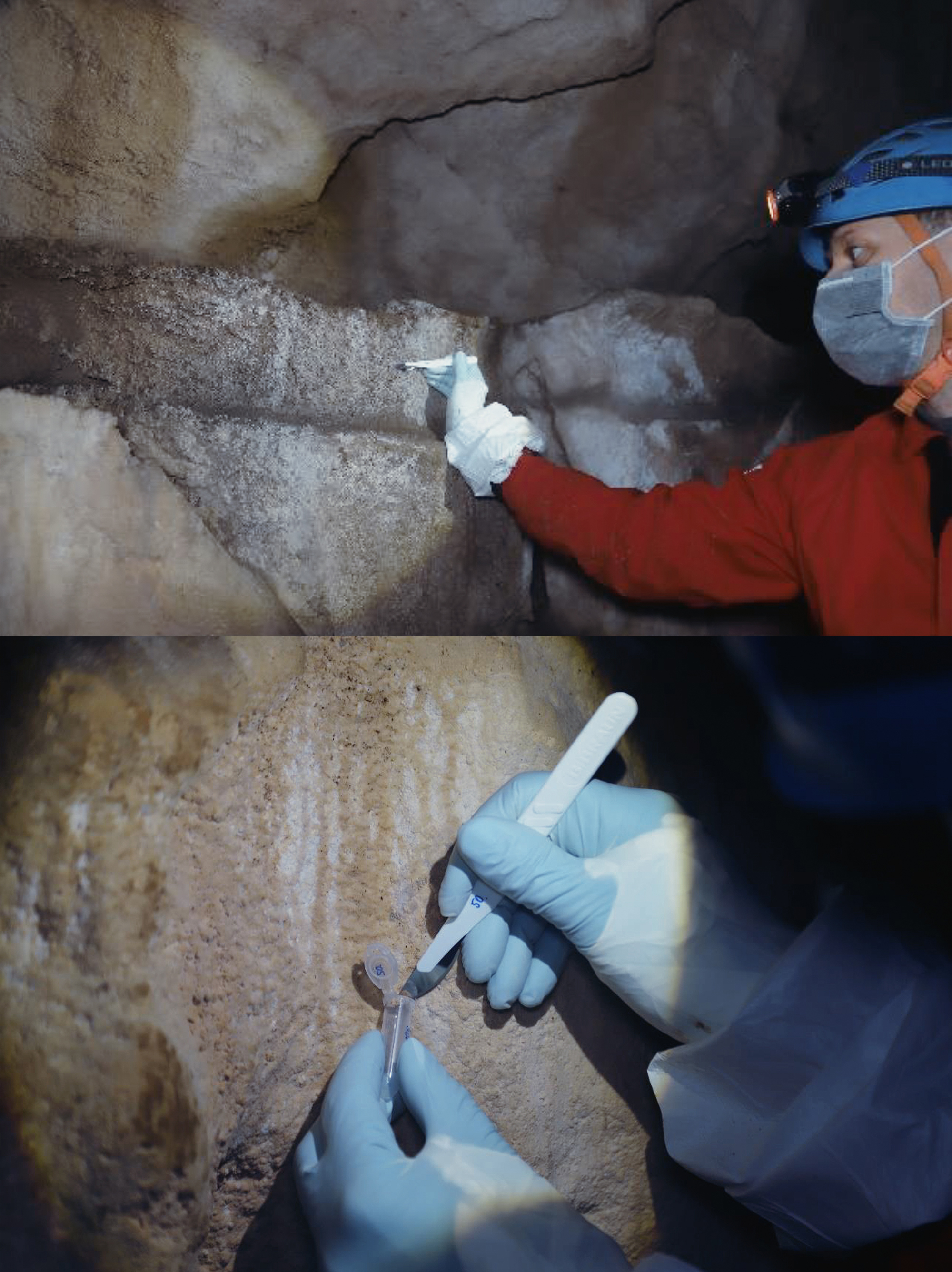
Step B: The sample extraction procedure is conducted during this stage. This process will always be performed mechanically, using a variety of equipment depending on the characteristics and hardness of the sample, such as tungsten scalpels or microdrills with tungsten bits or diamond cutting discs. All tools used must undergo a rigorous sterilization process, and their active parts (scalpel blades, bits, or discs) should only be used for a single sample. Immediately before the extraction, the sampling area must be cleaned thoroughly to prevent potential contamination from dirt. The sample will be collected directly into a sealed test tube (Eppendorf type), which will be held by an assistant. Both the sampling technician and the assistant must wear nitrile gloves and face masks to avoid contaminating the samples. The sample size will depend on the type of analysis to be performed and variable factors such as uranium concentration, age range, and even the instrumentation used. In any case, the sampling ranges established in FIRST ART will range from 2 to 5 mg for pigment or charcoal samples and from 5 to 10 mg for calcium carbonate or sediment samples. Whenever possible, larger samples will be collected.
Once detached from the rock surface and securely placed inside a sealed test tube, the sample will be properly identified using a labelling system that includes three letters identifying the cave art site, followed by a serial number separated by a hyphen (for example, for the Maltravieso Cave, the label would include these data: MAL-001). This identification will be referenced in the sampling form, and the tube will be sealed and stored under appropriate humidity and temperature conditions.
3.2: Sampled caves
3.2.1: Cueva de La Lloseta
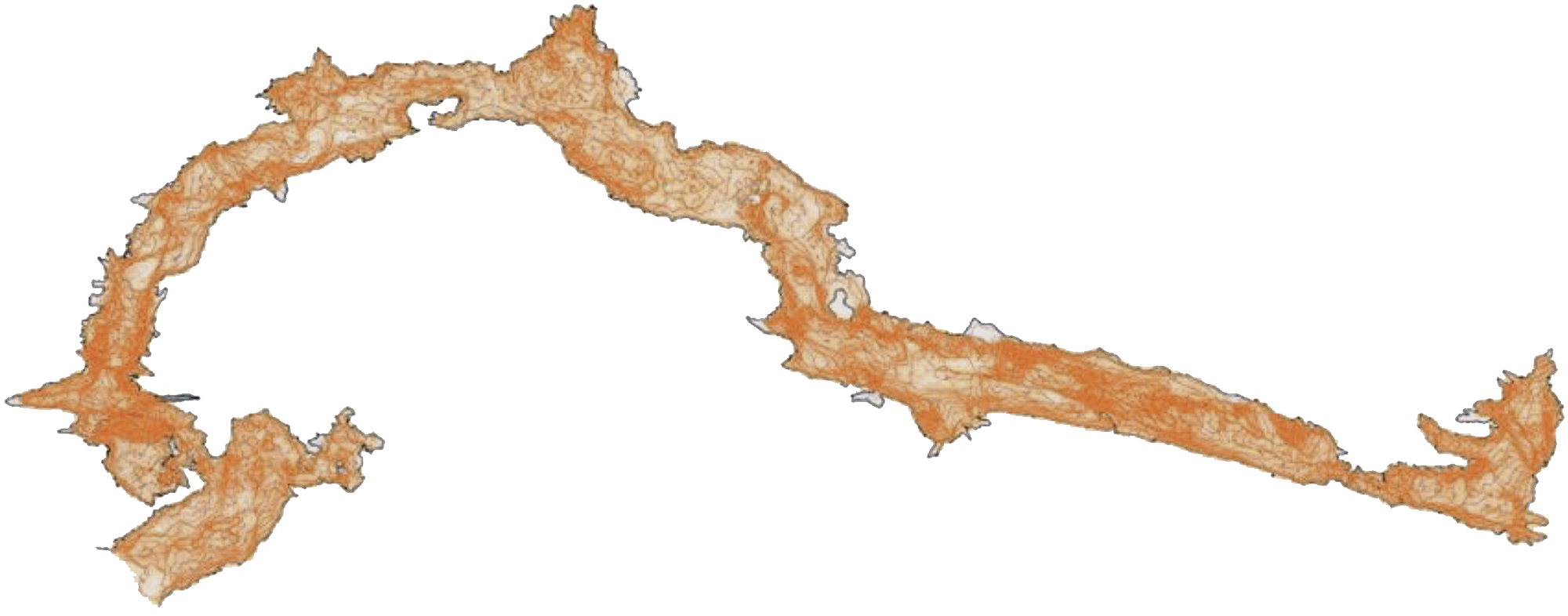
Plan of Lloseta cave
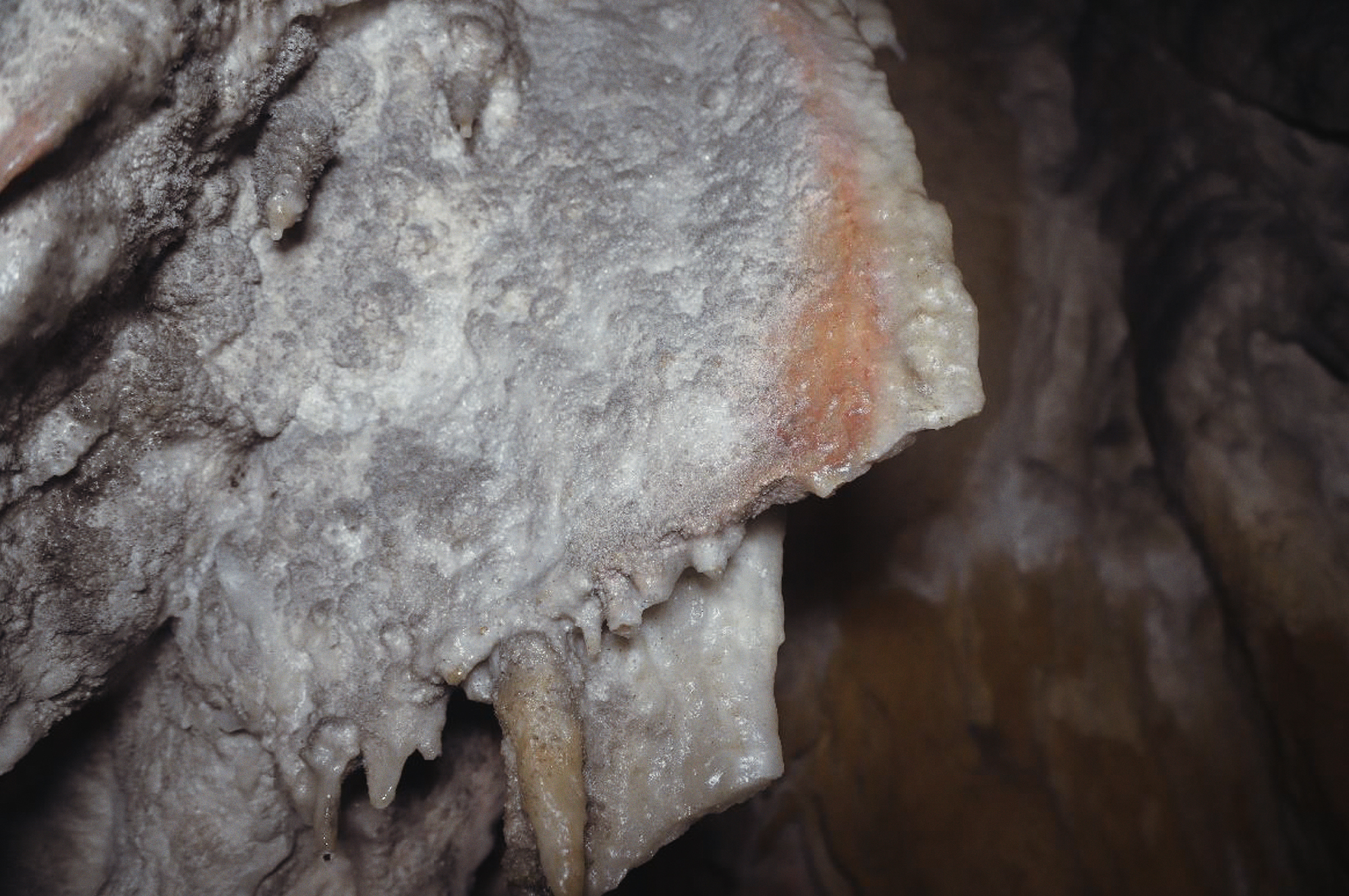
Red stain over stalagmitic flow in panel IV of Lloseta cave
La Lloseta Cave is located in the upper part of the Ardines limestone massif, above the blind valley formed by the San Miguel River at the site known as La Gorgocera. A few dozen meters below and to the northeast lies the natural entrance of Tito Bustillo Cave. The Ardines Massif is a coastal limestone platform (rasa) standing between 70 and 80 meters high. It is bounded to the north by Santa Marina Beach and the San Pedro marshes, to the east by the Sella River estuary, and to the south by the San Miguel River. Geologically, it is situated within the Fold and Nappe Region. The massif is formed by massive, highly pure carboniferous limestones—white-gray or pinkish in color—known as Cuera Limestones, which rest upon layers of marl and sandstone.¹
The entrance to La Lloseta Cave is large, facing south-southwest, and measures approximately six to seven meters in height and about twelve meters in width (Figure 1). Access to the spacious vestibule (approximately 500 m²) is gained by descending a small talus cone composed of slope debris and collapsed blocks from the rock overhang. Two galleries branch off from this chamber, one to the right and the other to the left. The first extends upward for about 12 meters and terminates in a small chamber (the Chamber of the Blocks), where remnants of archaeological deposits are visible among a chaotic accumulation of fallen rocks. The second gallery (the Transit Gallery) ends abruptly, suspended approximately 10 meters above the lower gallery (Main Lower Gallery). This is a large-scale cave system, extending roughly 500 meters, and concluding in a narrowing that leads to another chamber. This chamber, in turn, connects via a 20-meter shaft to the Tito Bustillo–La Cerezal system (Figure 2)
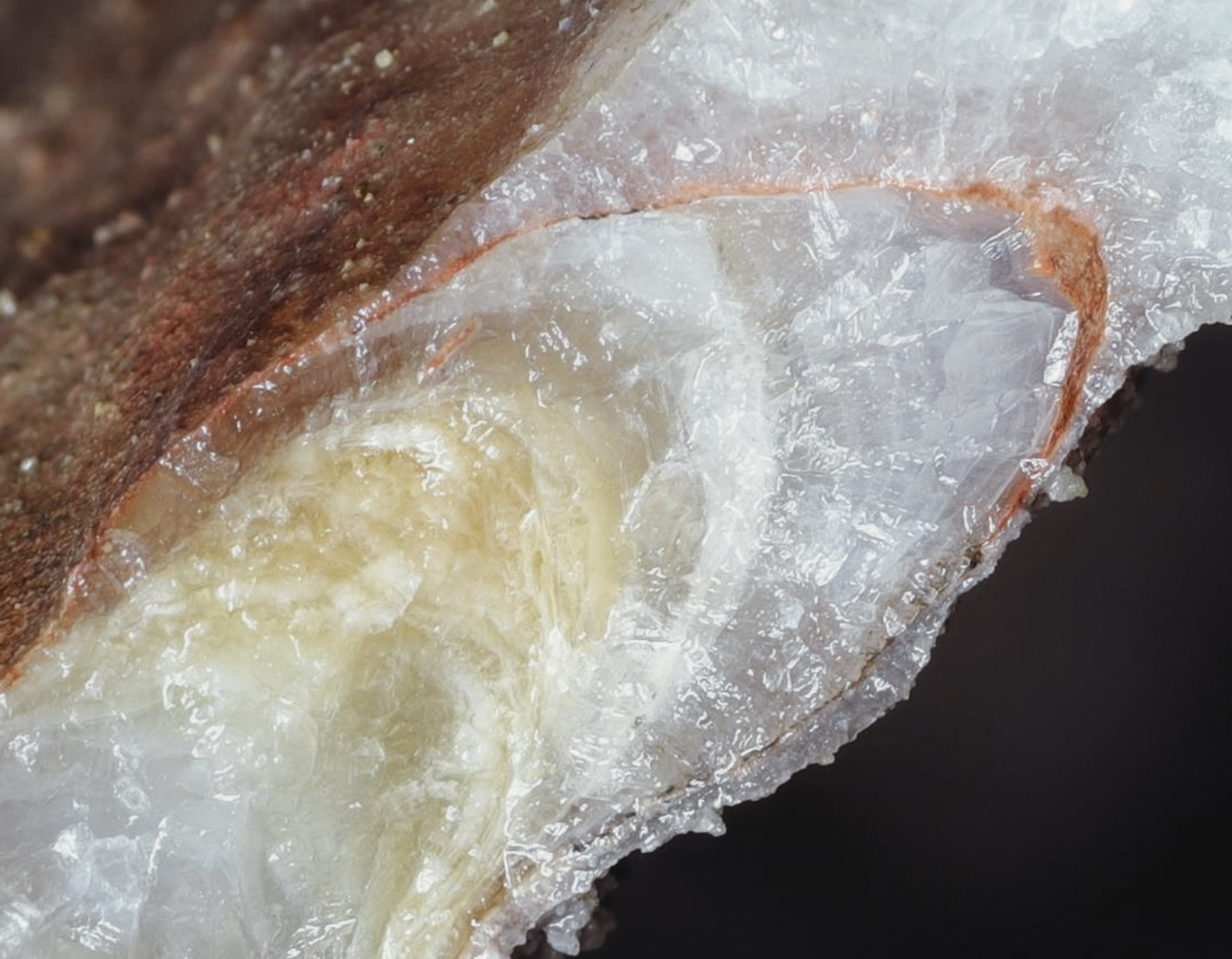
Pigment level inside of carbonate crust. Panel IV of Lloseta cave
A first sampling campaign was conducted in La Lloseta Cave between late 2022 and early 2023. It produced the first positive results regarding calcium carbonate samples that had formed over parietal representations. These samples were analyzed at Nanjing University laboratories using the Uranium-Thorium dating method.
Specifically for La Lloseta Cave, the following chronological results have been obtained.
The series of dated samples corresponds to Panel 4, a large panel bearing pigment residues, where several phases of calcite growth have been identified. The pigment layer is intercalated among these phases and is likely to date to the transitional period between the end of the Middle Paleolithic and the beginning of the Upper Paleolithic (Figure 3A and Figure 3B).
These data, together with similarly positive results from the detection of ancient human DNA on pigment samples-and particularly on wall substrate samples associated with painted figures in the nearby cave of El Covarón-led us to undertake a new sampling campaign in La Lloseta Cave. The aim was to significantly increase the number of samples collected from various areas of the cavity, with the dual objective of documenting further evidence of ancient DNA and expanding the range of Uranium-Thorium dates obtained from new panels bearing red pigment rock art (Figure 4).
A total of approximately twenty samples were collected-some of which were subdivided into several subsamples-from various areas throughout the cave. These areas are primarily associated with parietal evidence indicative of symbolic human behavior. In addition, samples were taken from zones where traces of ancient human activity were identified, not necessarily of a symbolic nature. These include intentional accumulations of speleothems displaced from their original positions, areas related to the processing of pigment raw materials, and archaeological occupation layers previously explored through test excavations. All of these were sampled with the additional aim of culturally and chronologically contextualizing human presence and the management of cave spaces during prehistory (Figure 5, Figure 6, and Figure 7).
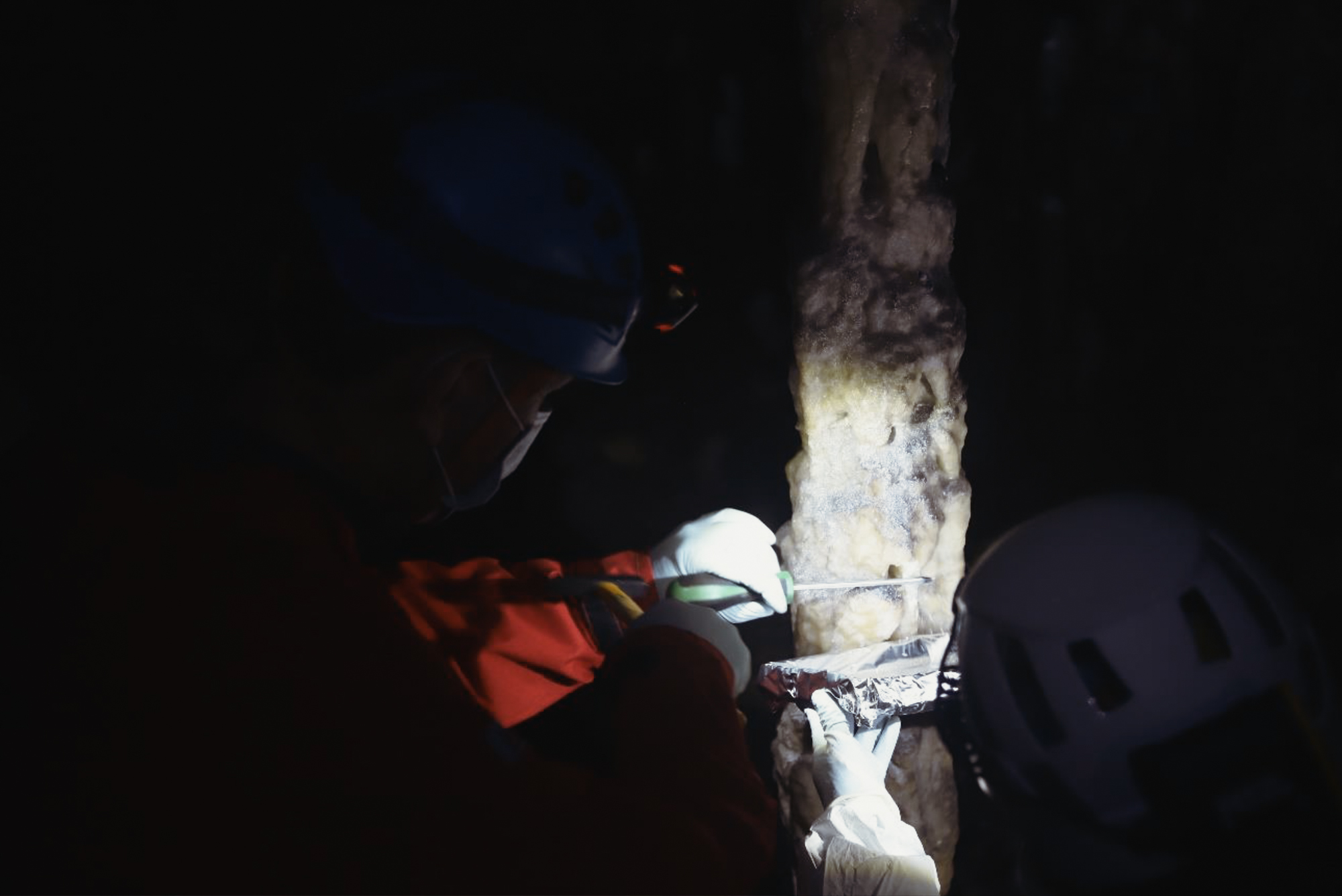
DNA sampling process
in Lloseta cave A
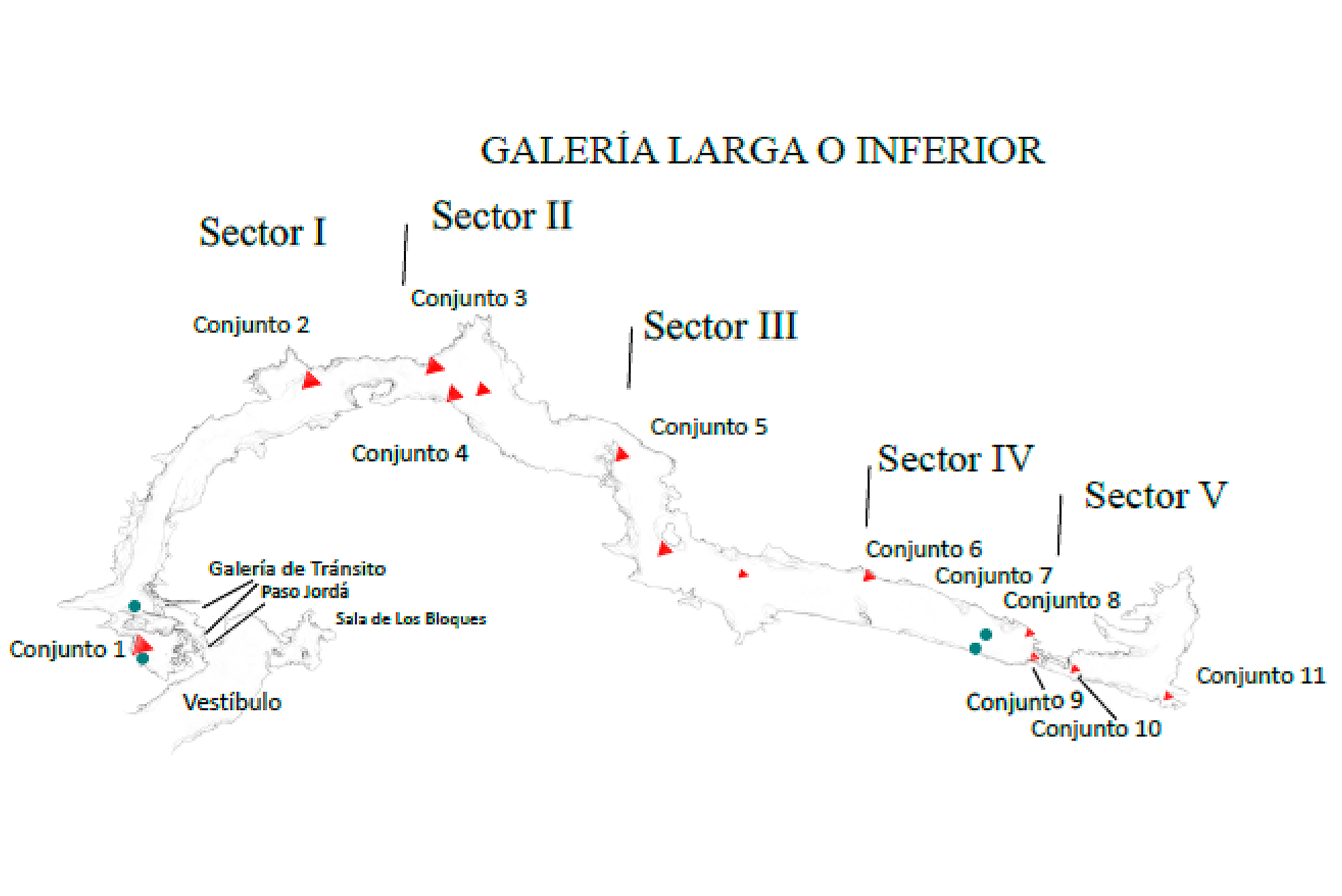
Zoning of the sampled areas in Lloseta
Cave during the second sampling campaign
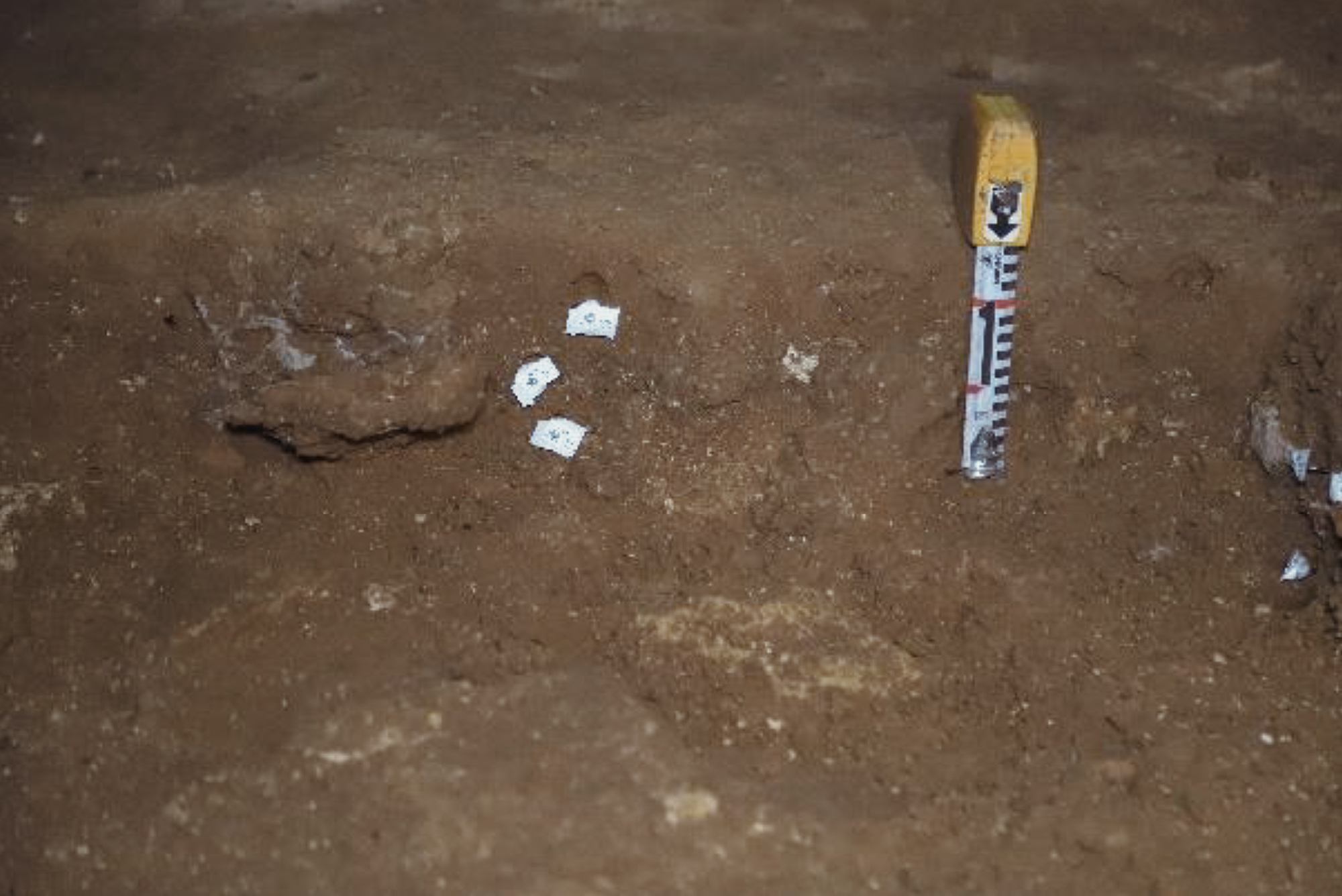
Sediment samples and
pigment processing areas
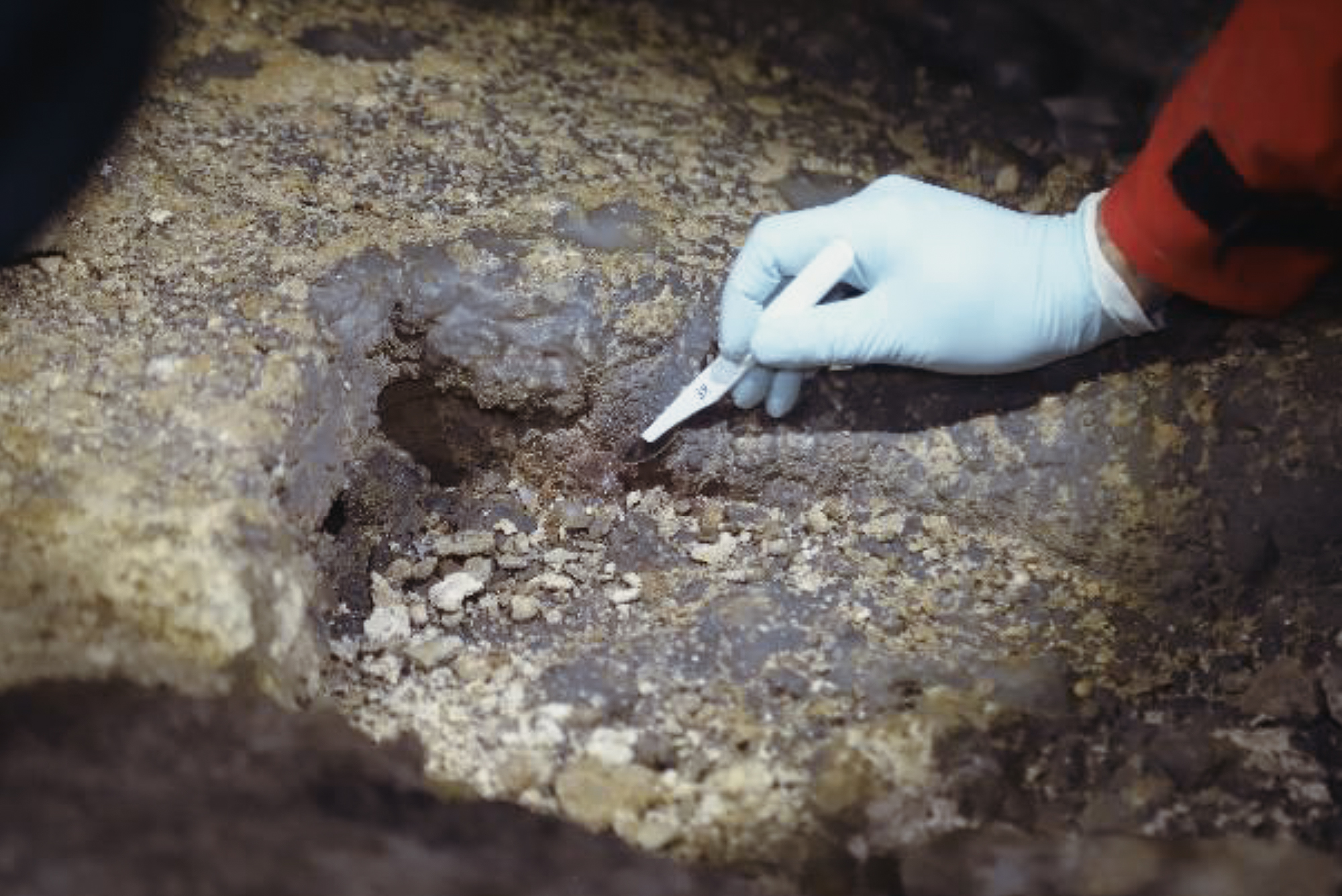
Sediment samples and
pigment processing areas
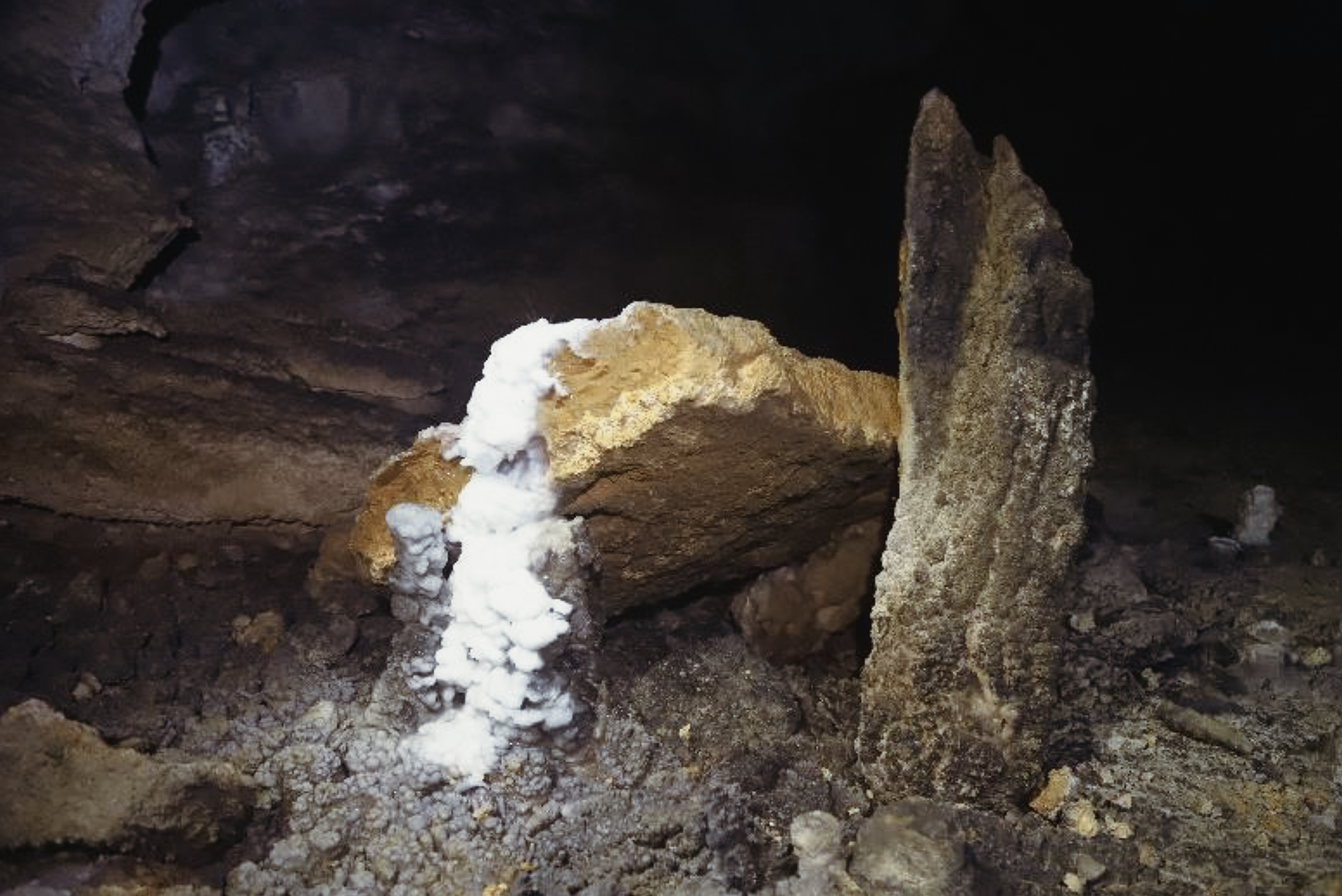
Anthropogenic accumulation of broken
speleothems in the Lloseta cave
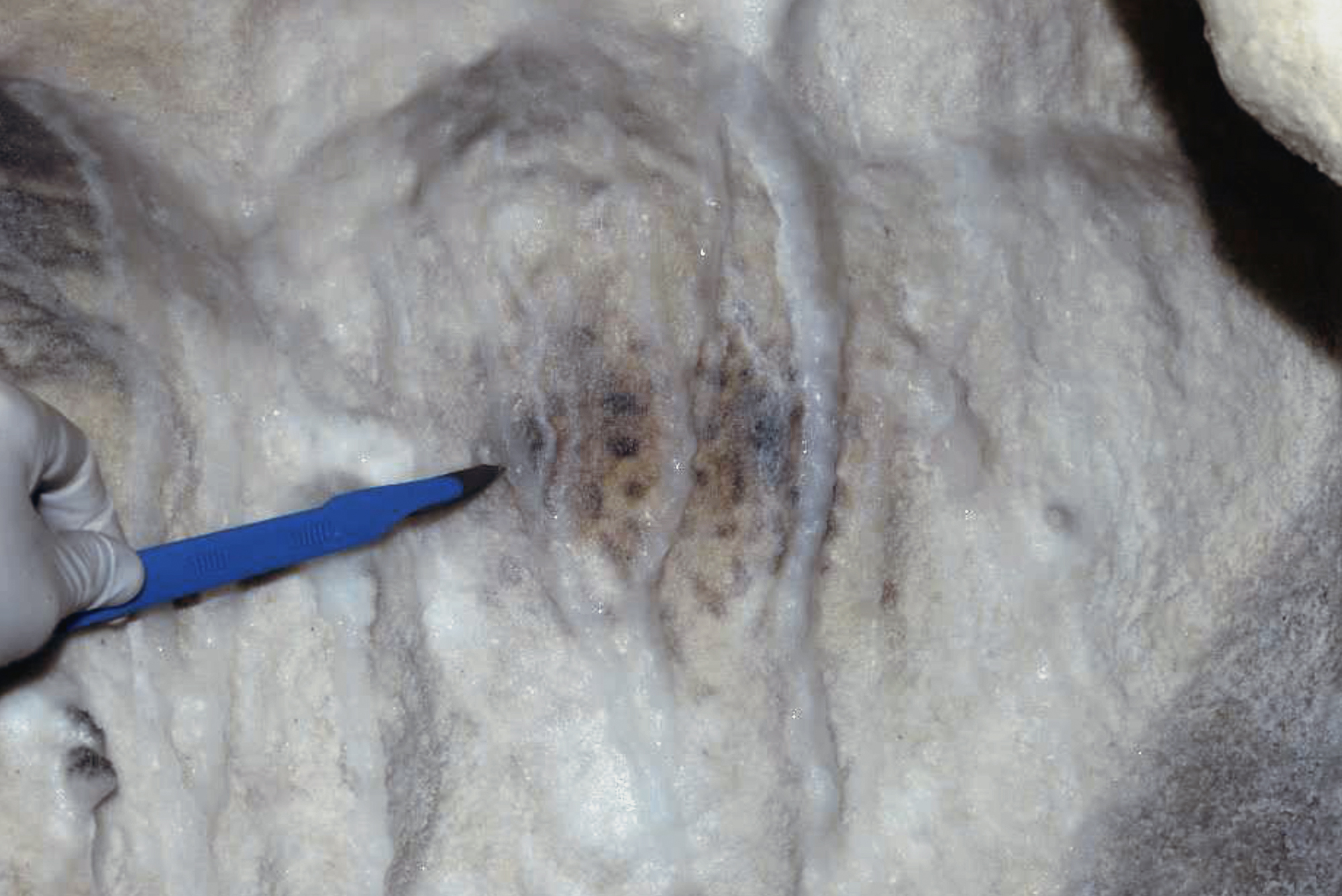
Sampling area CLL-25. Series of black
spots covered by calcite flows
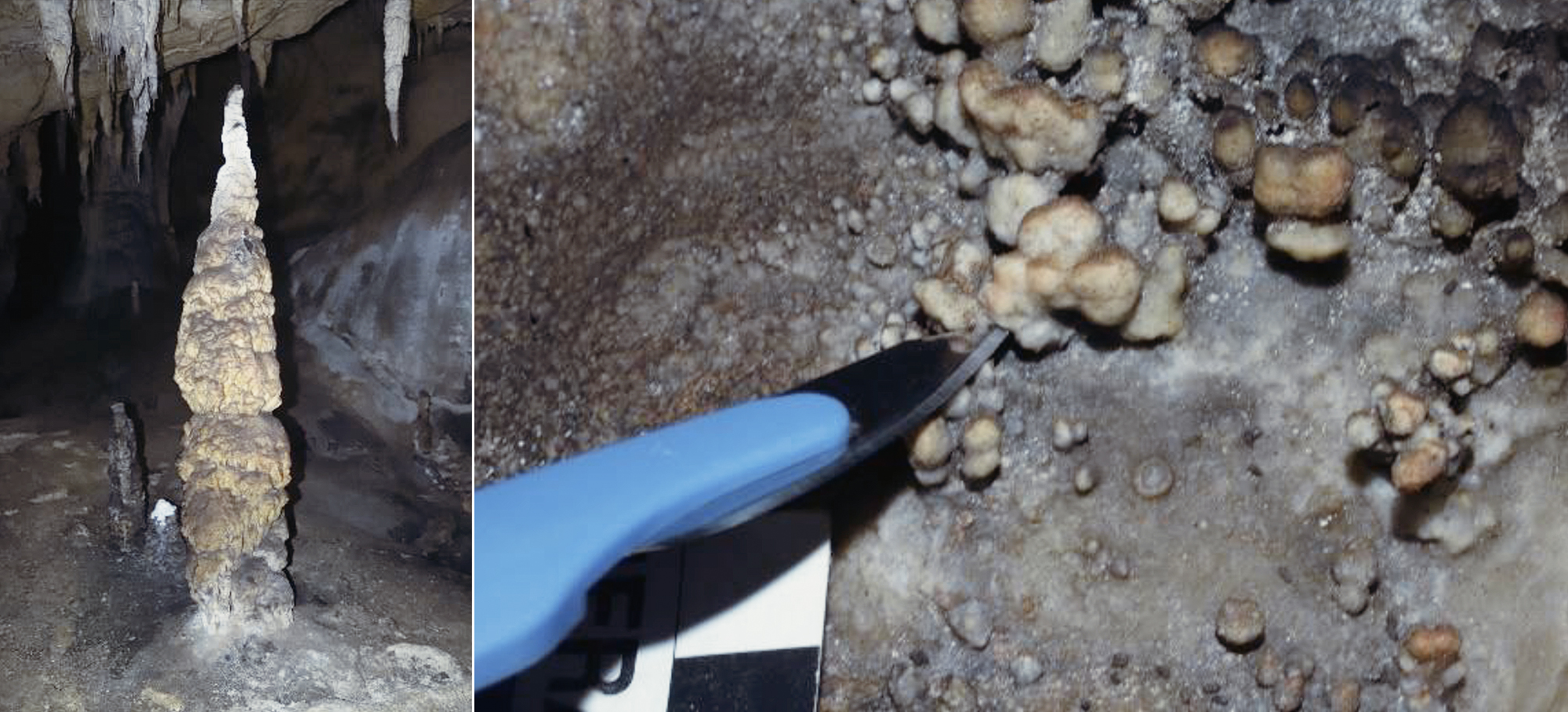
Calcite cauliflowers developed on red pigment that decorated a large vertical stalactite. U/Th dating to obtain minimum dates for the rock art
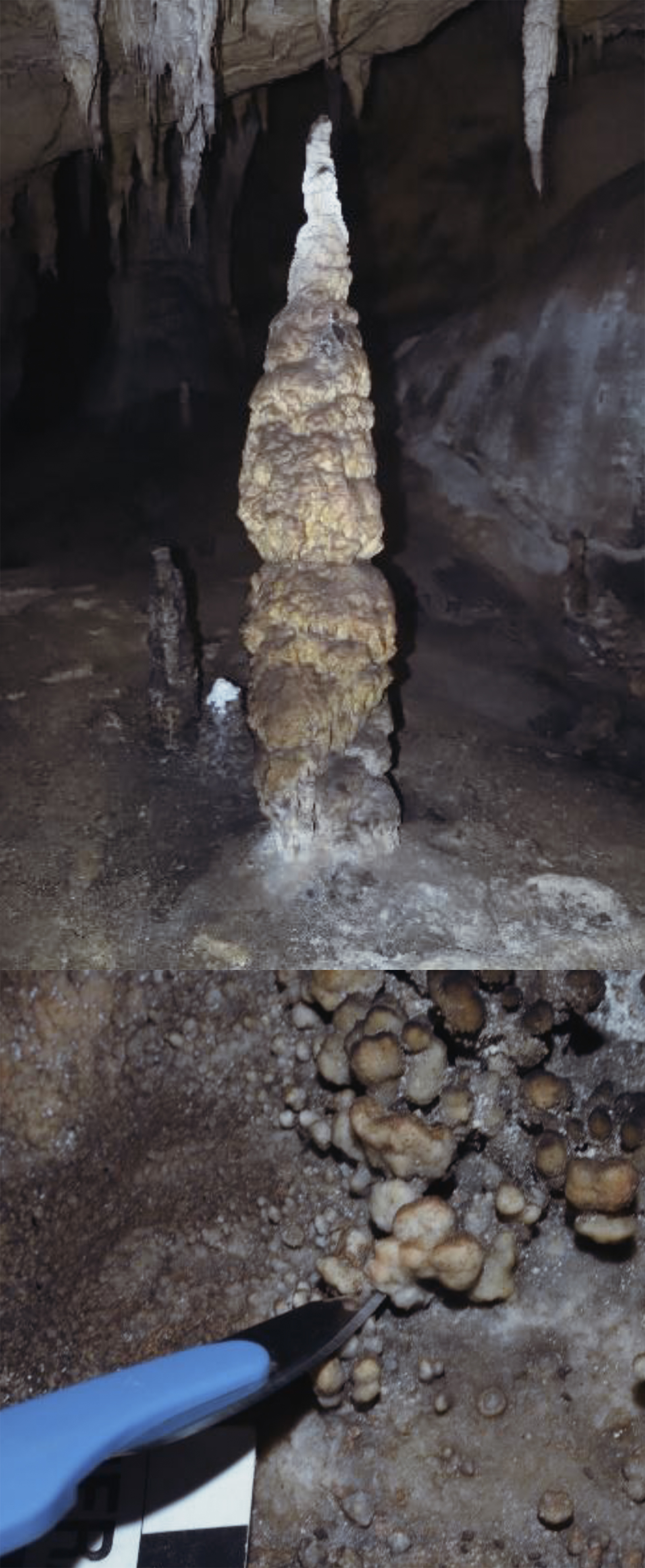
Calcite cauliflowers developed on red pigment that decorated a large vertical stalactite. U/Th dating to obtain minimum dates for the rock art
3.2.2: Cueva de Les Pedroses
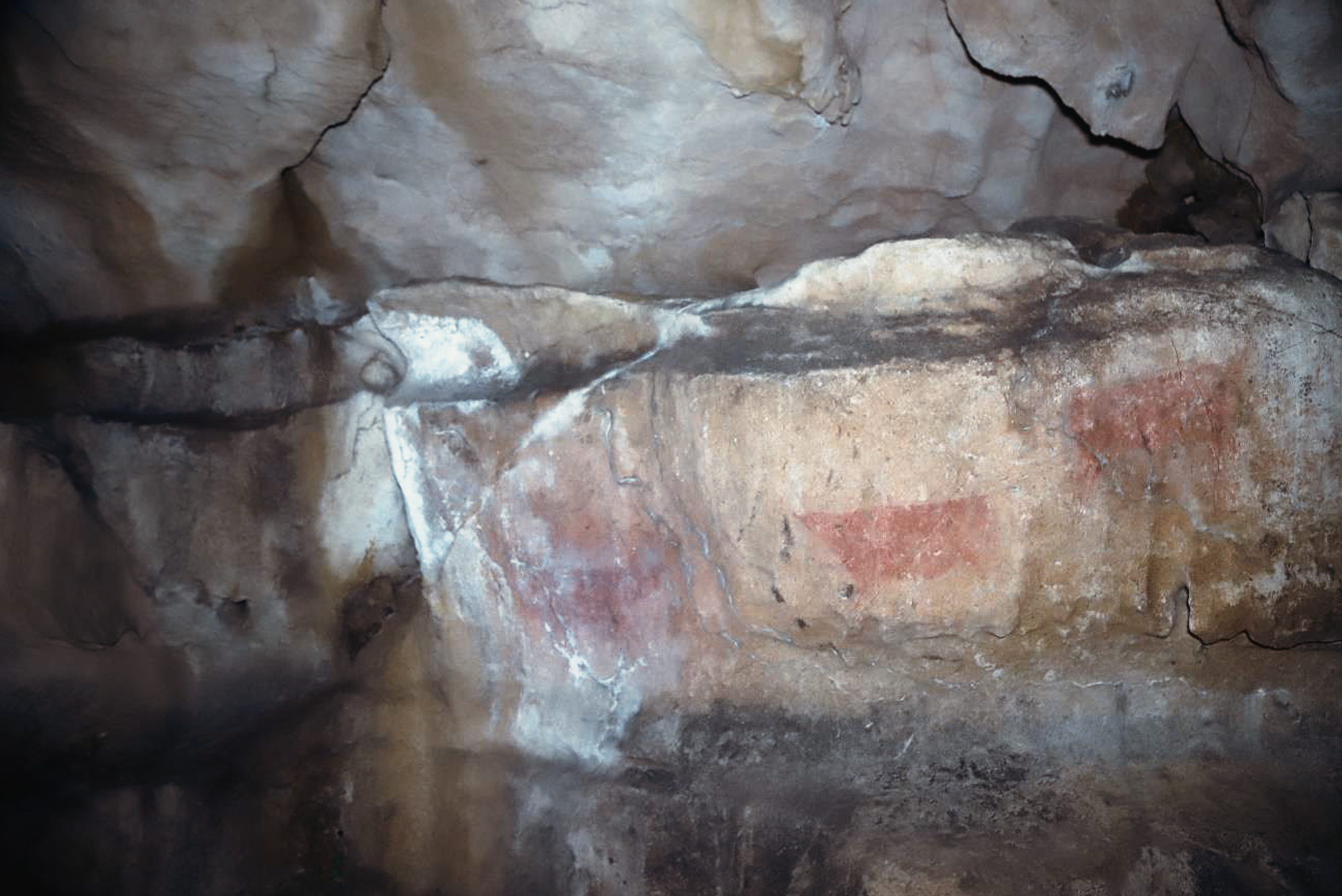
Main panel of the Les Pedroses cave where the series of headless animals painted in red are clearly visible
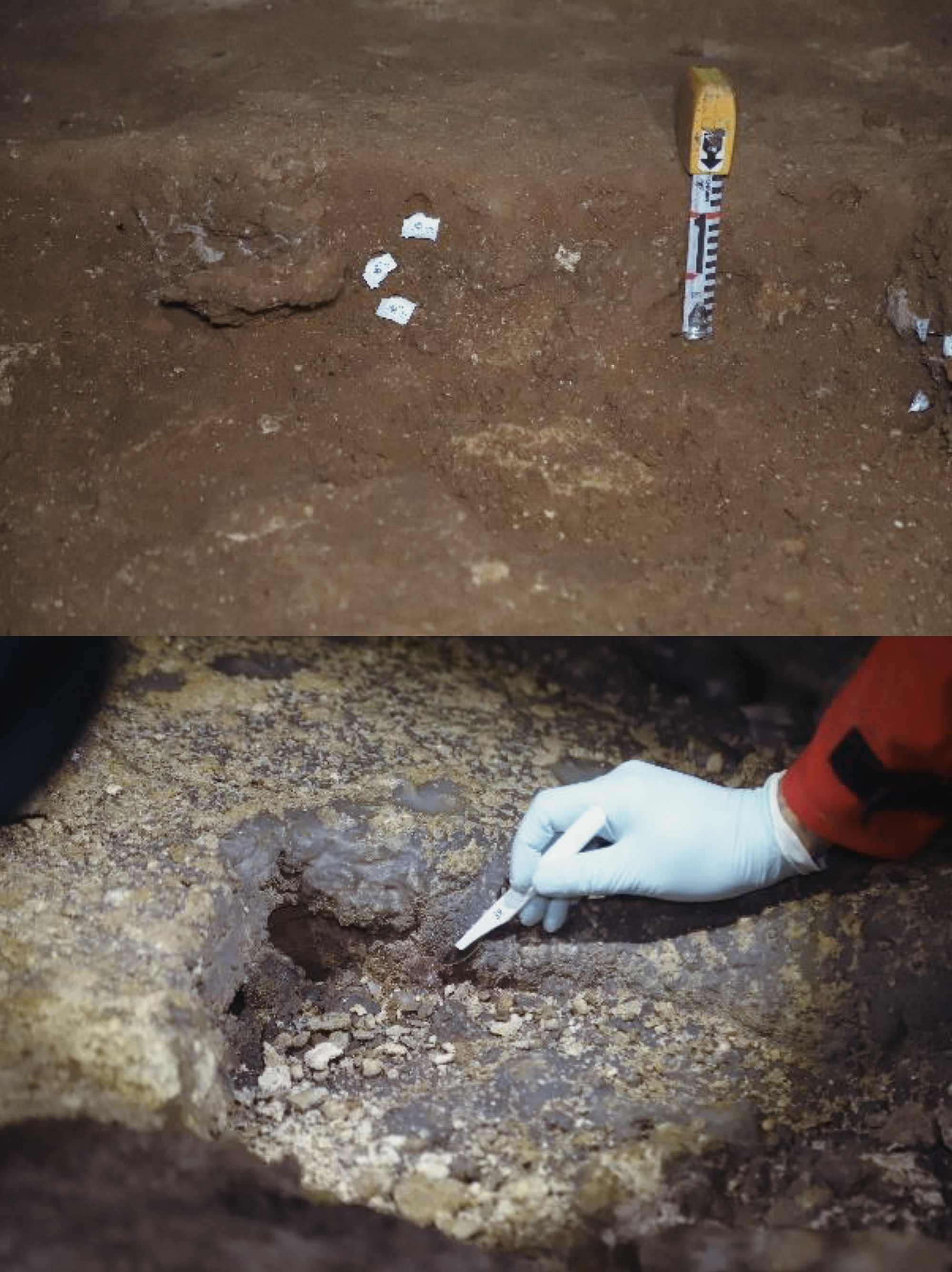
During the 2023–2024 campaign, sampling efforts in the cave were specifically focused on obtaining information regarding the presence of DNA in archaeological sediments from the excavation conducted in the vestibule area. In addition, sediment samples were collected for isotopic analysis. Finally, a third group of samples was taken directly from painted figures attributed to the cave’s earliest phases, with the aim of detecting ancient DNA in the pigments (Figure 11, Figure 12, and Figure 13).
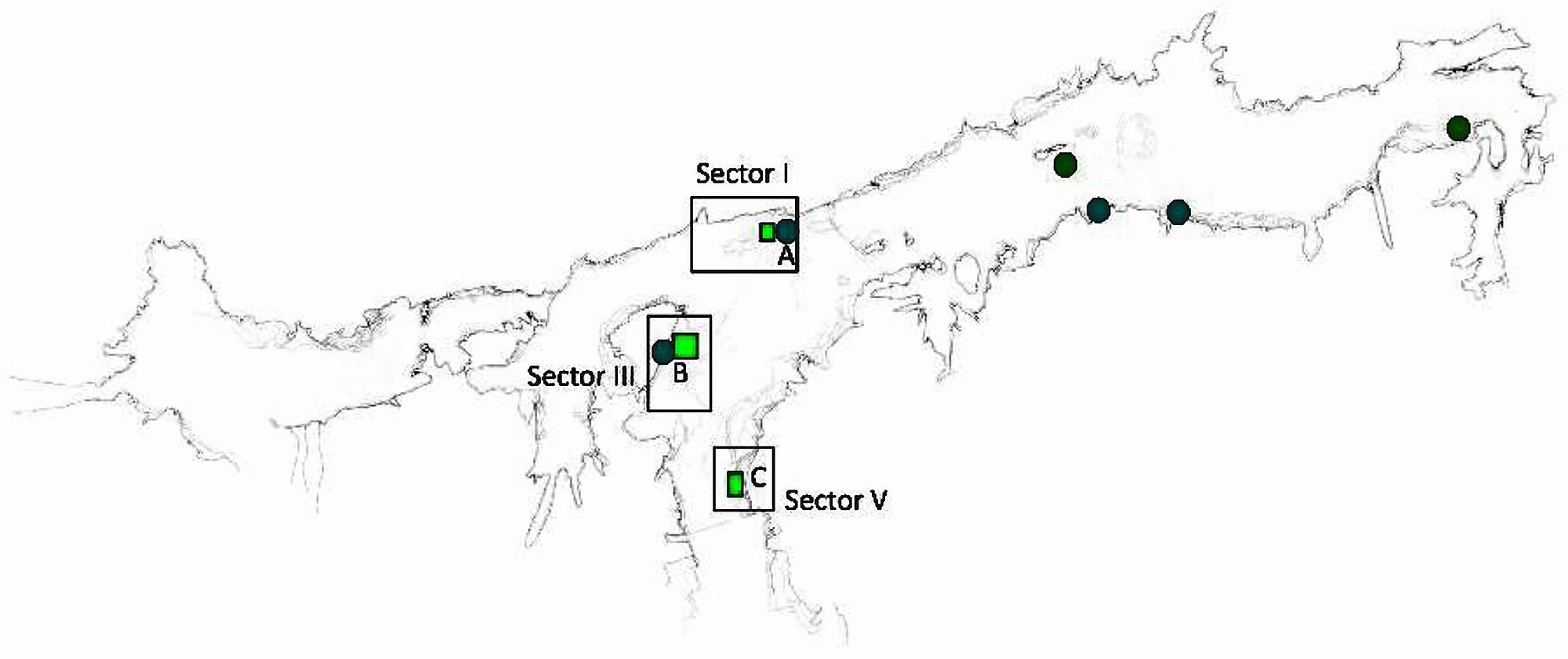
Zoning of the areas sampled in Lloseta Cave during the first sampling campaign. Green squares: samples for isotopic analysis. Blue dots: samples for documentation of ancient DNA in sediments and parietal art
At the moment we only have positive results regarding DNA samples from sediments but unfortunately not for pigments. The samples for isotopes are still in process.
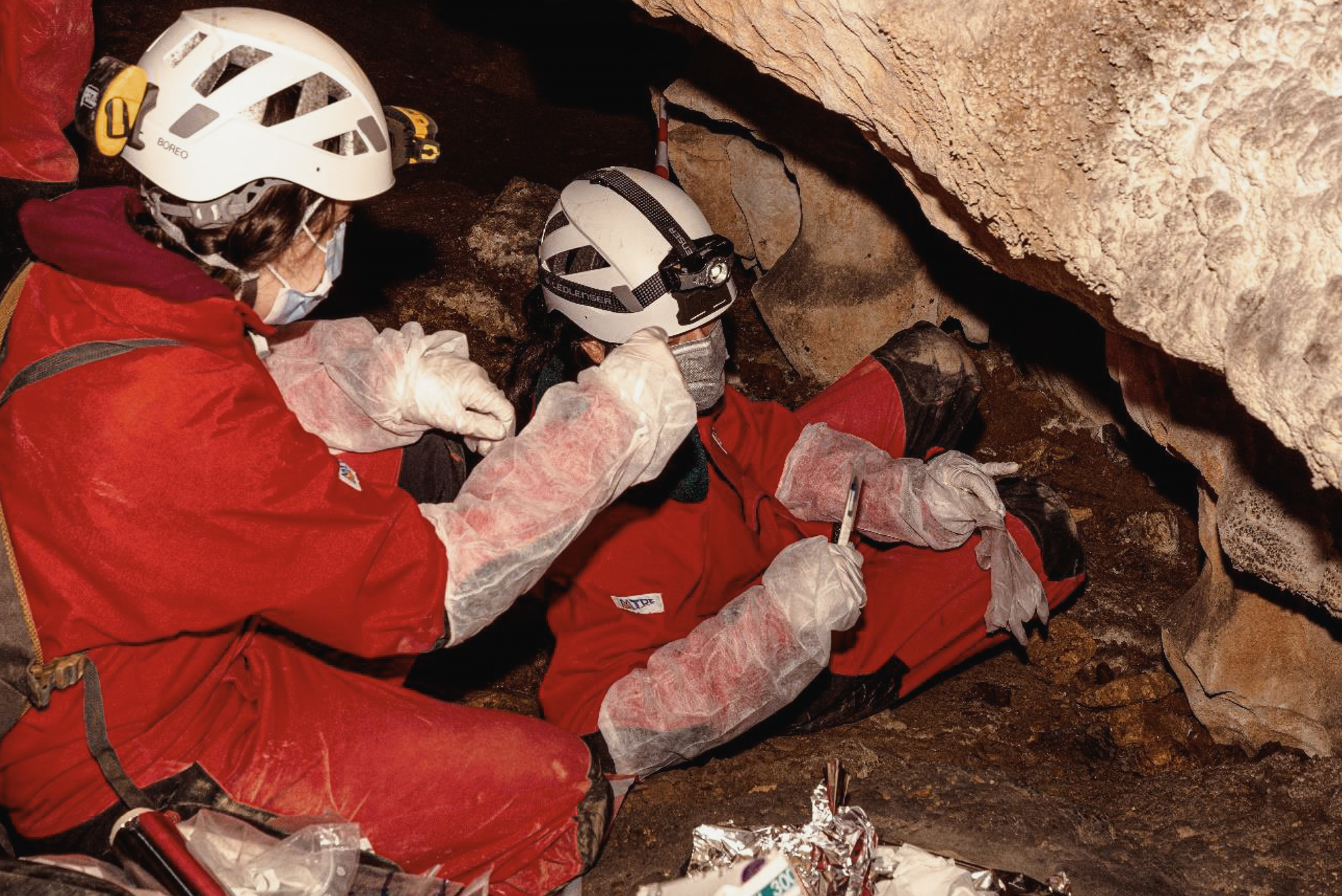
Pre-analysis of the sampling area to select the specific point to be sampled
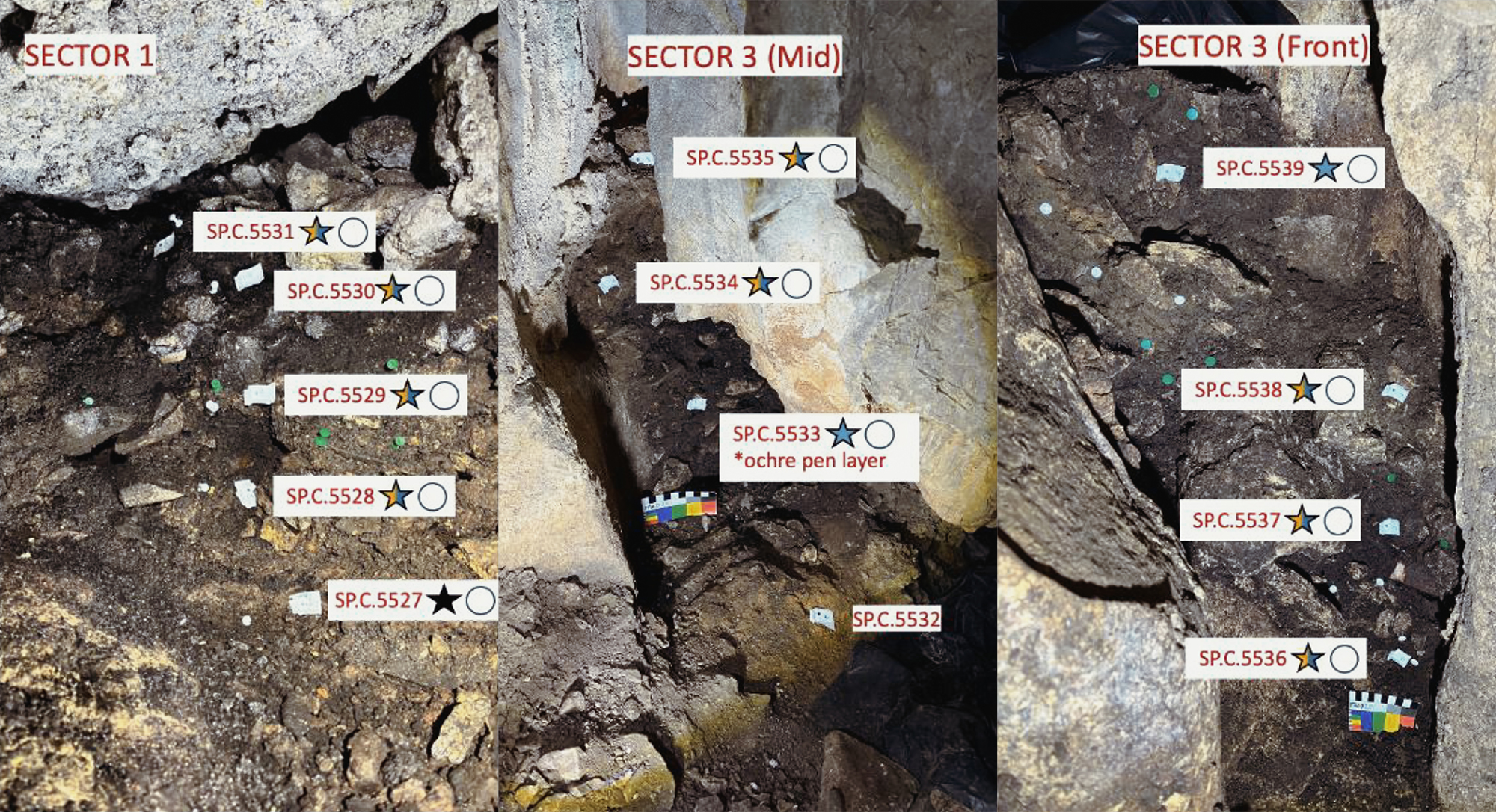
Curiously, there is also one instance of Physeteridae in sample SP.C.5534 from sector 3, which supports the presence of whales in the cave and the exploitation of maritime resources.
Focusing on the Hominidae sequences, all of the mentioned positive samples contain ancient human DNA. In detail, the samples vary in quality, ranging from 54 to 681 sequences with the damage patterns characteristic of ancient DNA. Unfortunately, this is likely not enough data to be able to perform in-depth population genetic analyses. For now, we can only confidently confirm the presence ancient modern humans in the cave.
During the current campaign, additional sampling was conducted in Les Pedroses Cave in an effort to detect the presence of ancient DNA. In this case, sampling was not carried out directly on the pigment-since previous results were negative-but rather on the wall substrates directly associated with the graphic representations (Figure 14). Furthermore, a detailed reassessment of the rock art panels was undertaken to identify areas suitable for Uranium-Thorium dating, as no such areas had been identified in earlier campaigns.
This new assessment led to the discovery of thin calcite layers overlying both painted and engraved motifs on the cave’s main panel. These areas were sampled and will be subjected to Uranium-Thorium analysis at the laboratories of Nanjing University in order to determine their chronology (Figure 15).
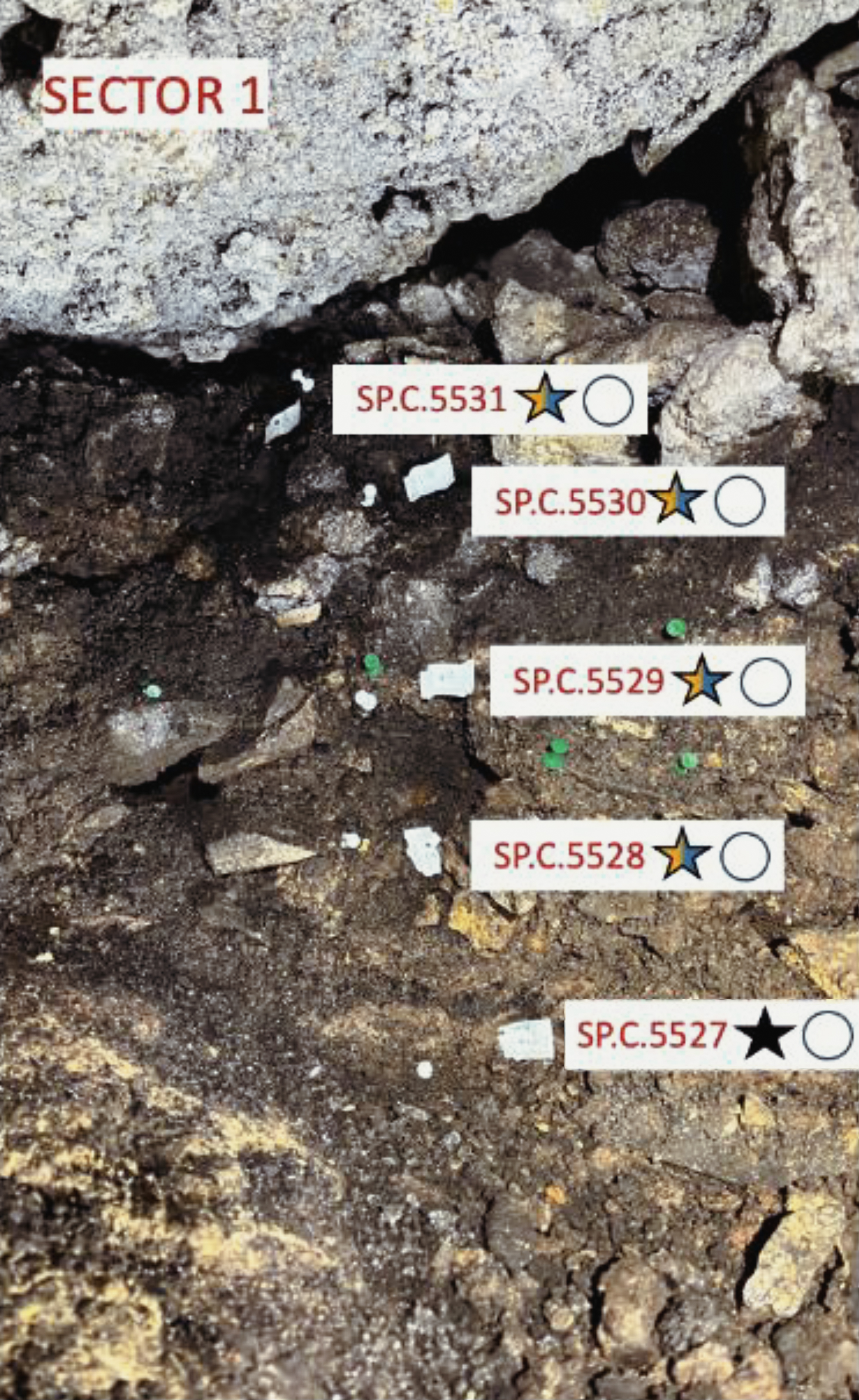
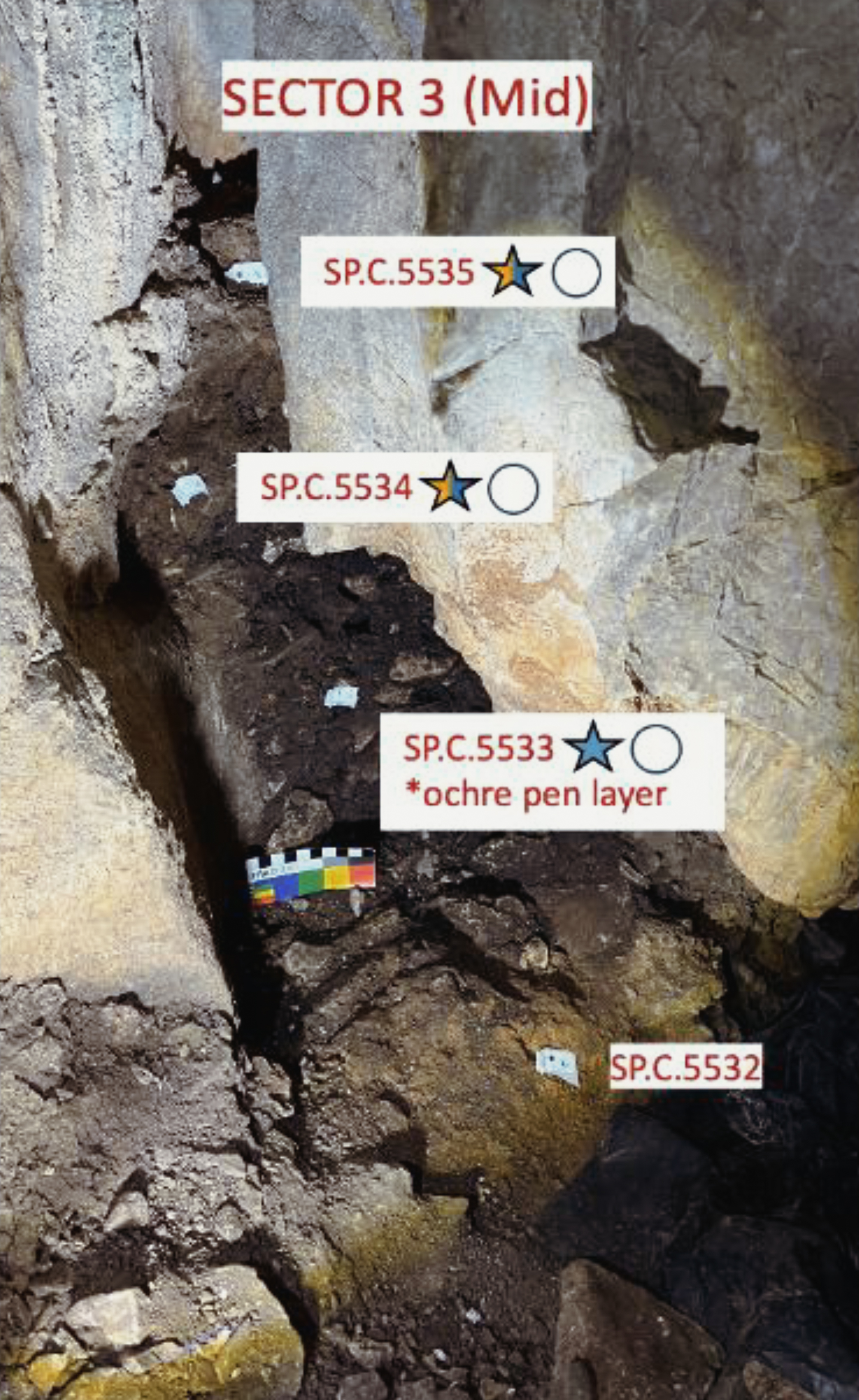
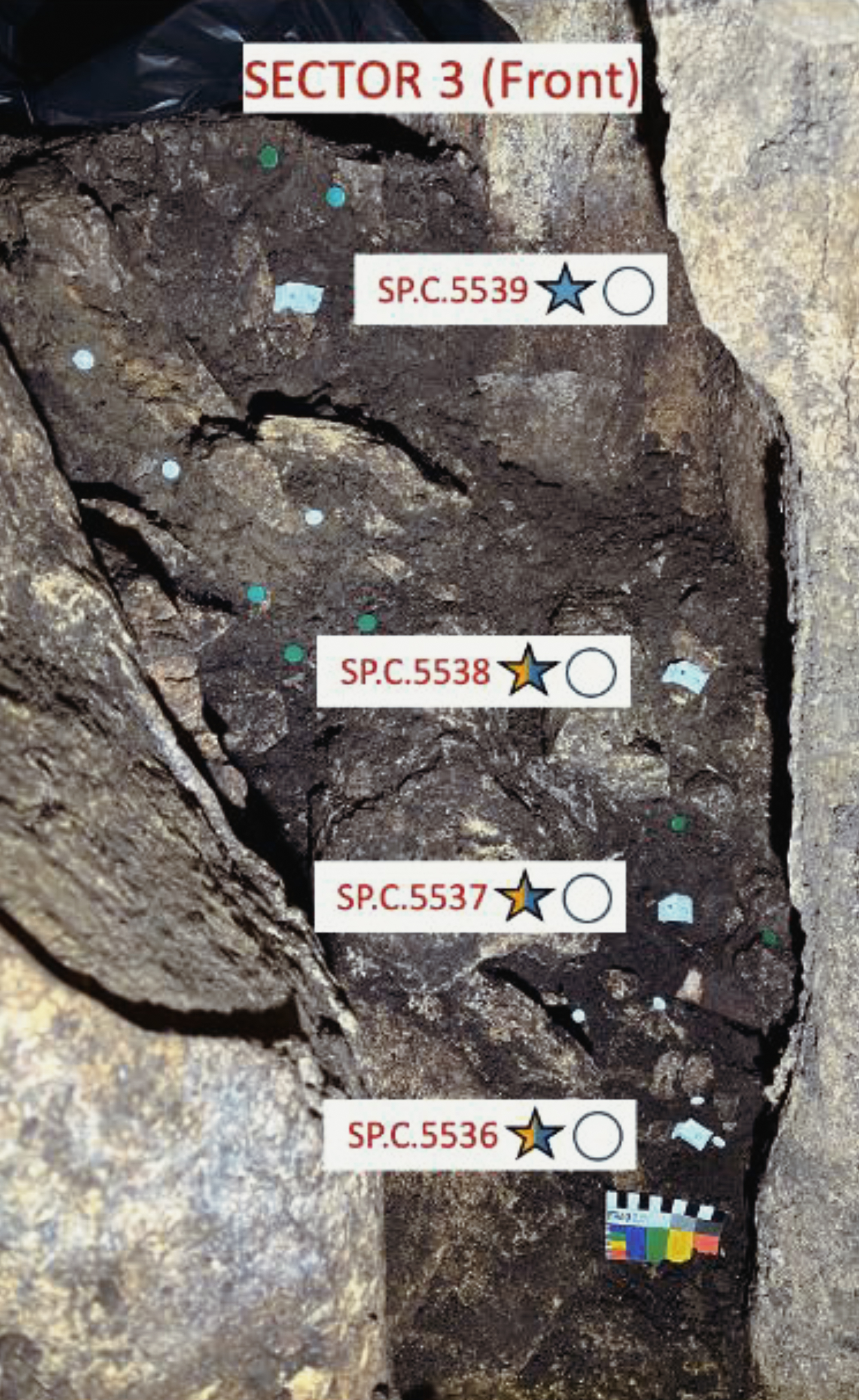
Samples for DNA determination on sediments in the Les Pedroses cave
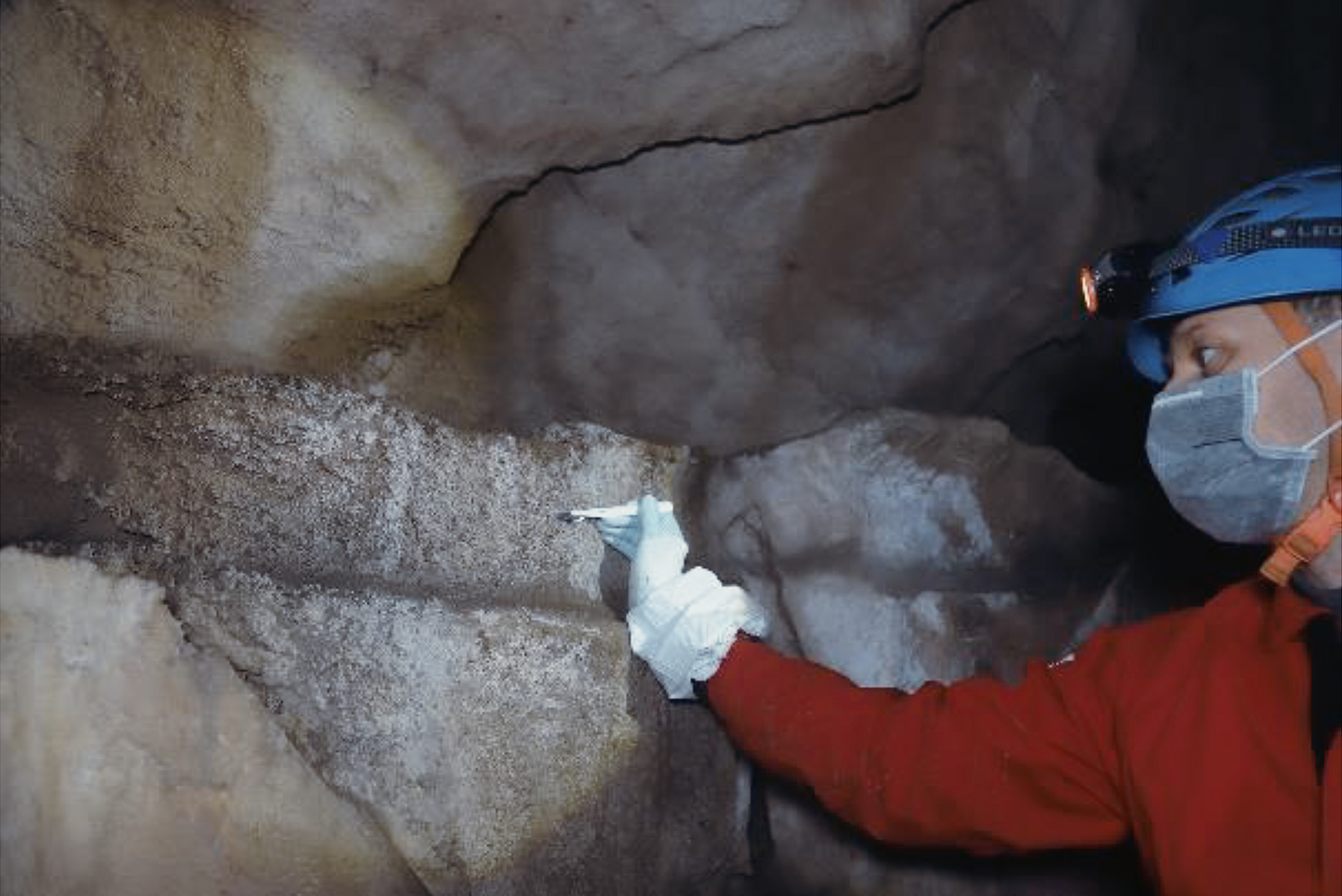
Sampling on parietal supports to identify the presence of ancient DNA on walls
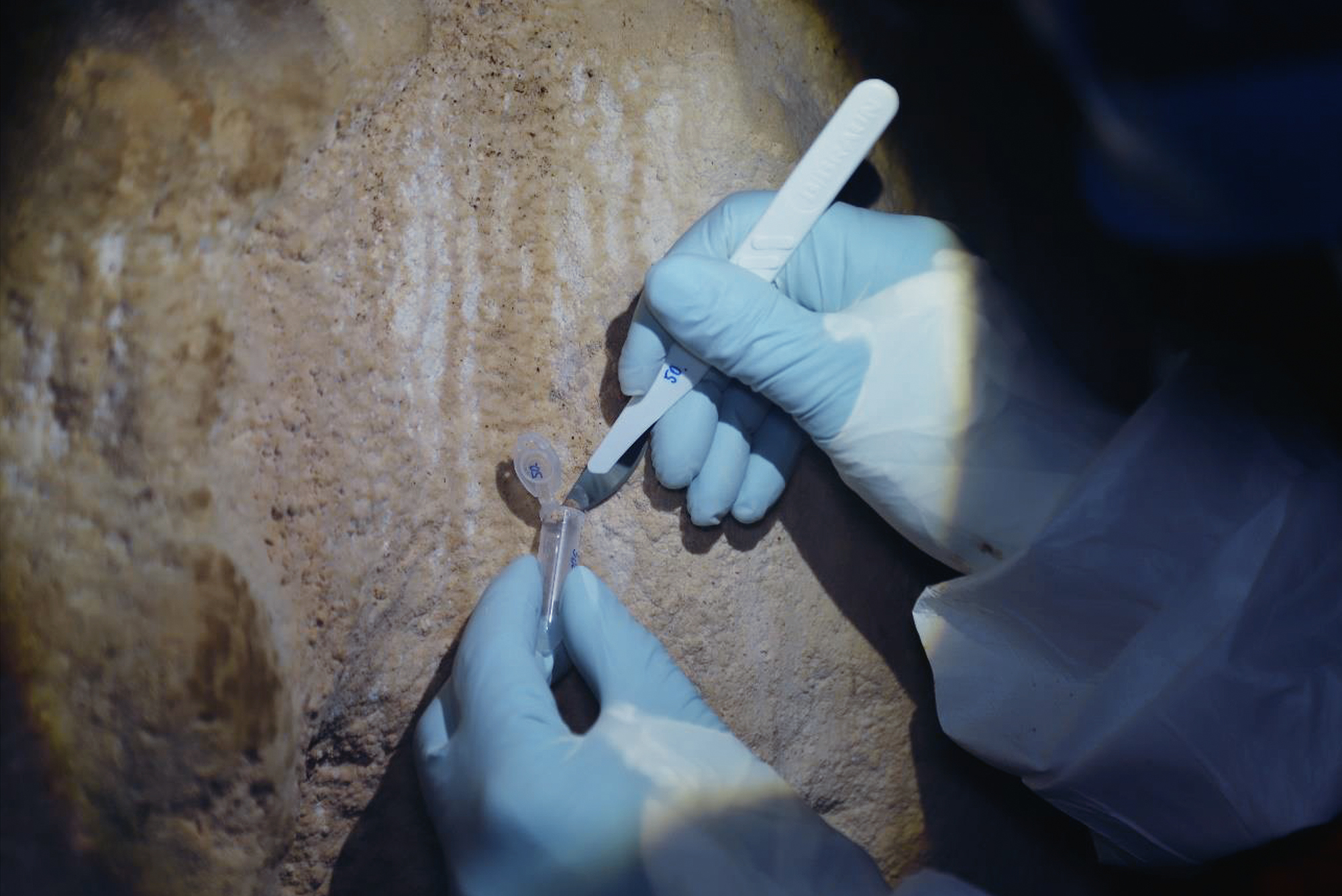
Sampling on parietal supports to identify the presence of ancient DNA on walls
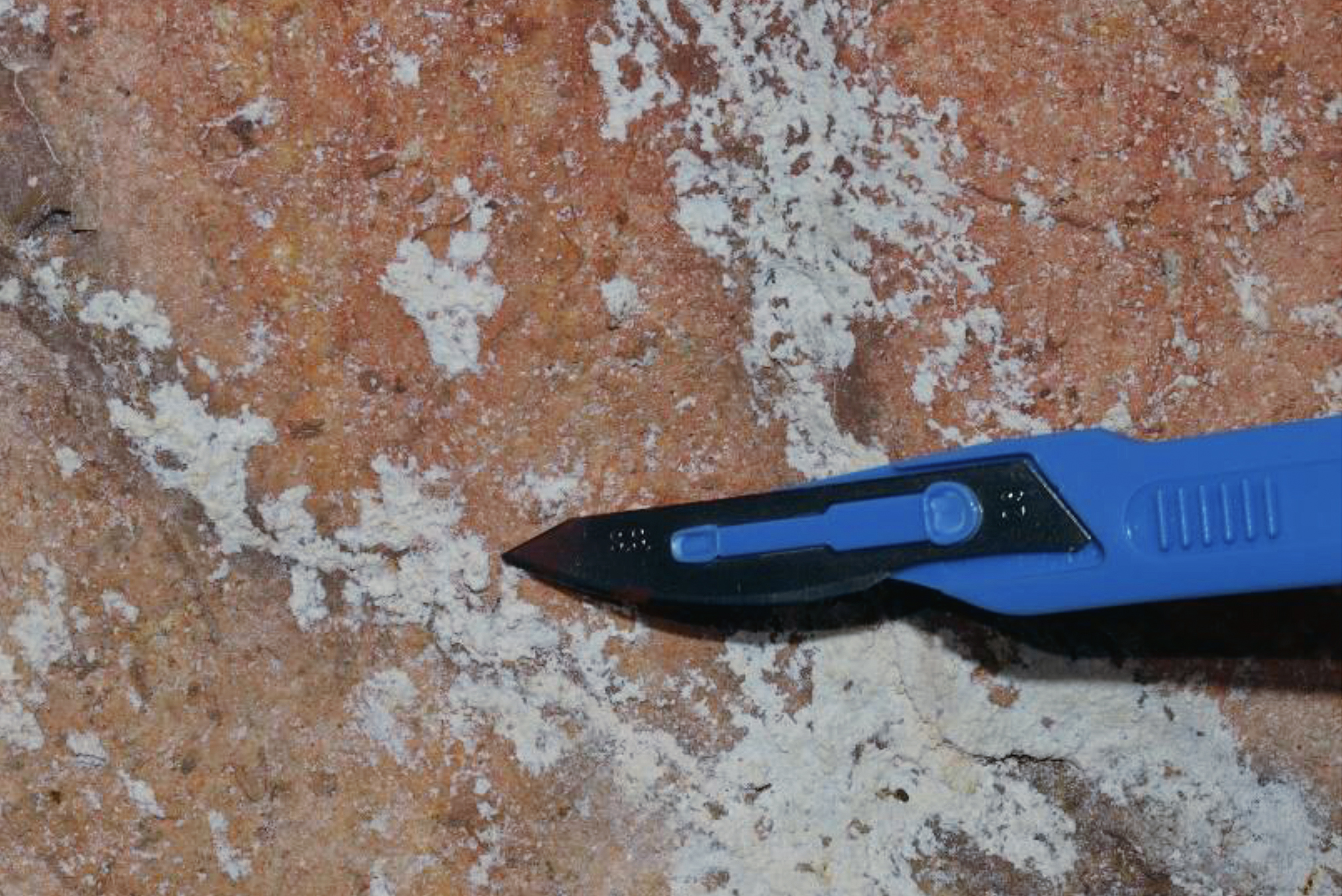
Detail of calcite crust sampled for U/Th dating, main panel of Les Pedroses Cave
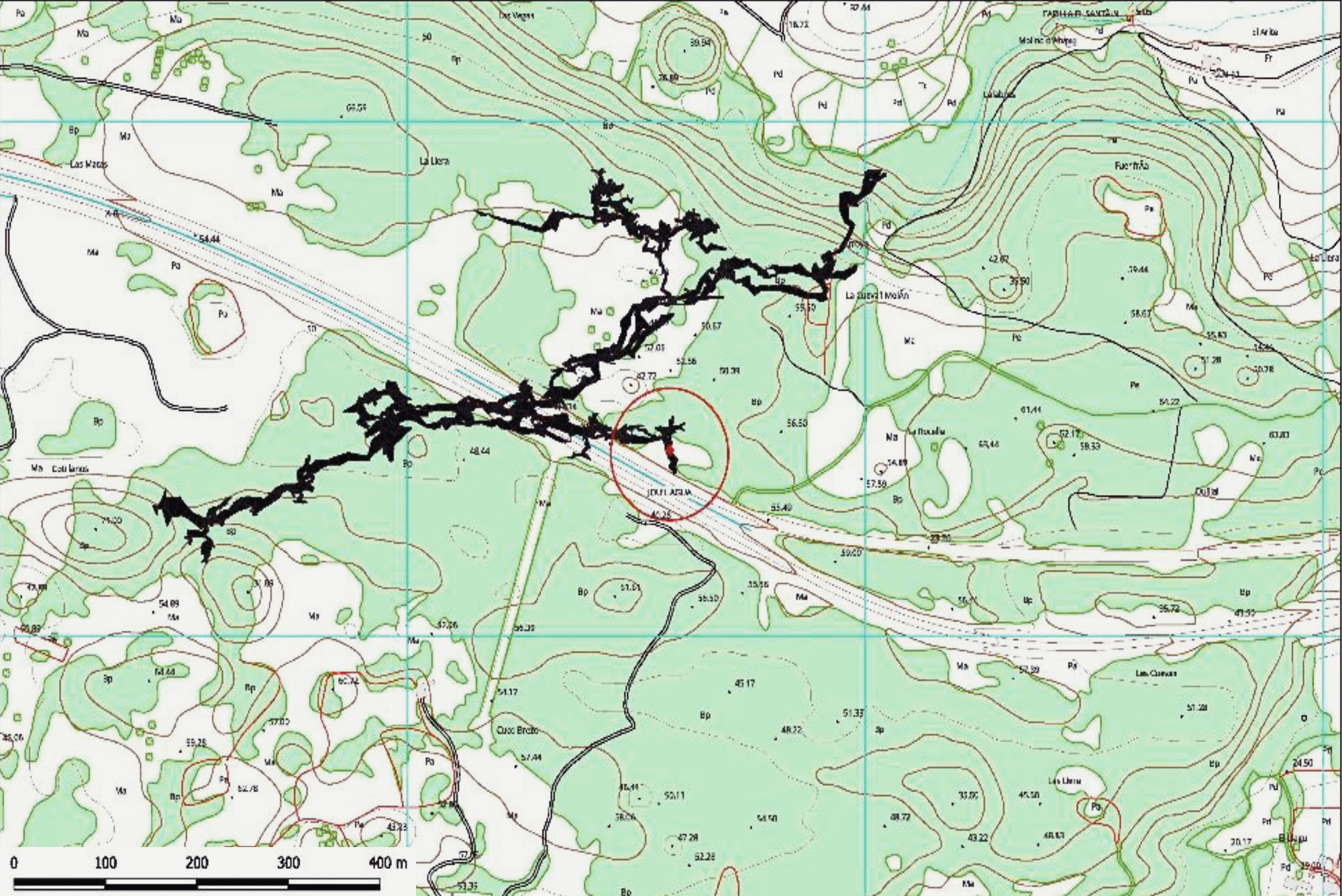
Topography of cave LL-11 with indication of the sampled rock painting panel
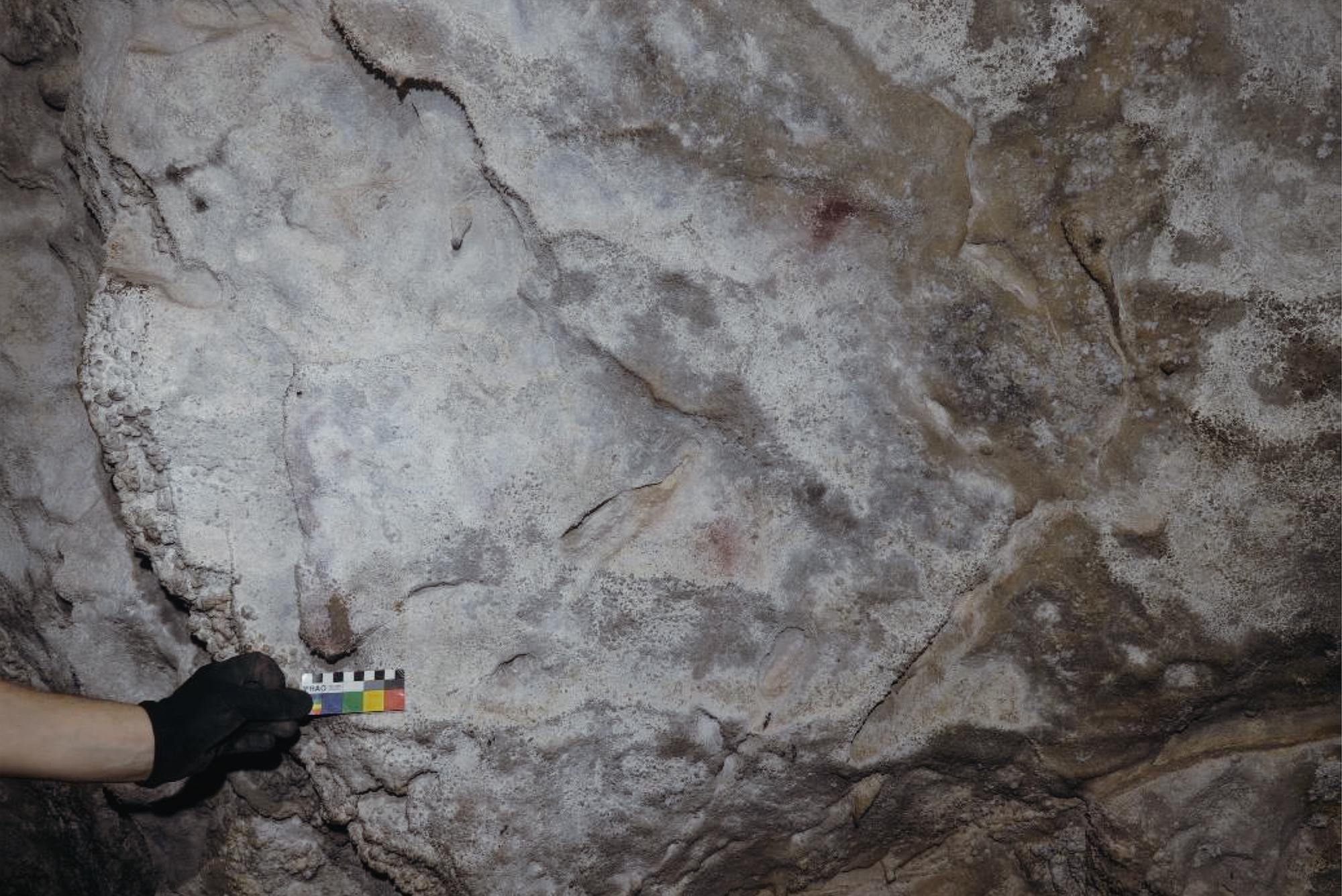
Panel with symbolic representations painted in red discovered in cave LL-11
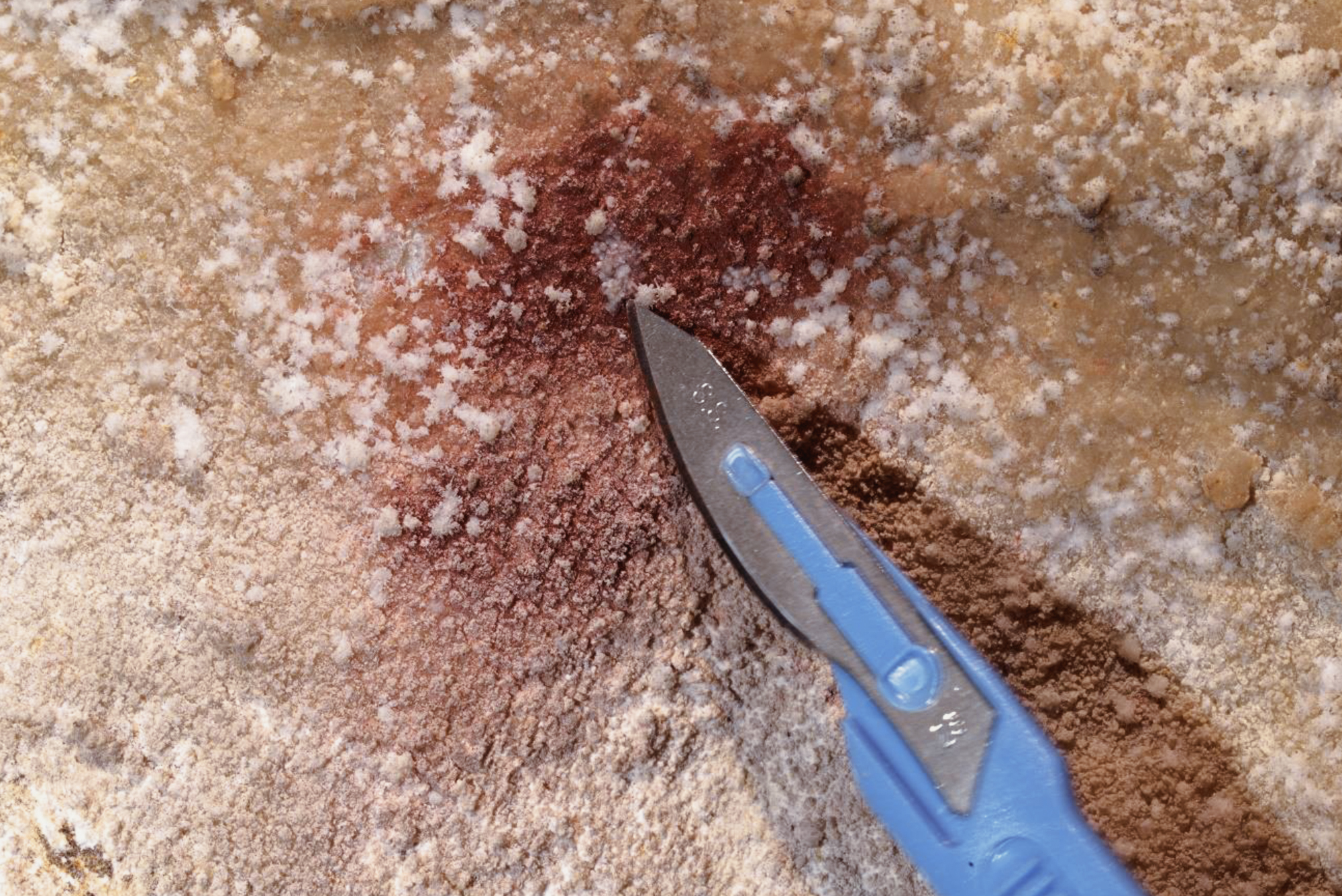
Sampling of calcite crusts overlaying an airbrushed red symbol in LL-11 Cave
3.2.3: Cueva LL-11 o Cueva Jou L’Agua
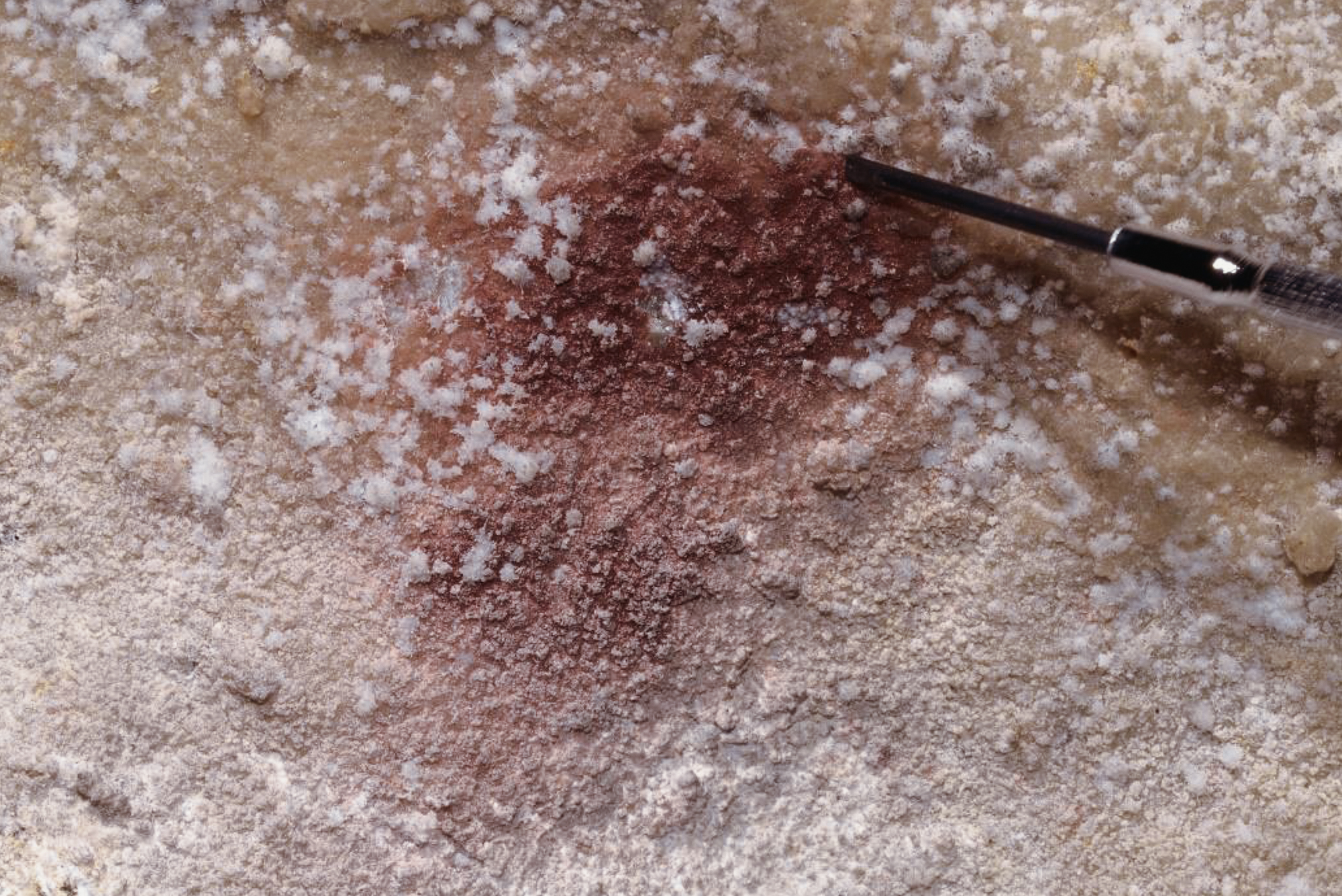
Sampling of airbrushed red pigment for characterization of its main components
Since this panel was recently discovered and a more detailed review of all cave areas is planned to identify additional painted panels, a comprehensive sampling of the identified paintings has been conducted. The aim is for the results obtained to serve as a reference and help contextualize future parietal discoveries within this cavity. In this regard, the work carried out by the FIRST ART team during this campaign included three types of samples:
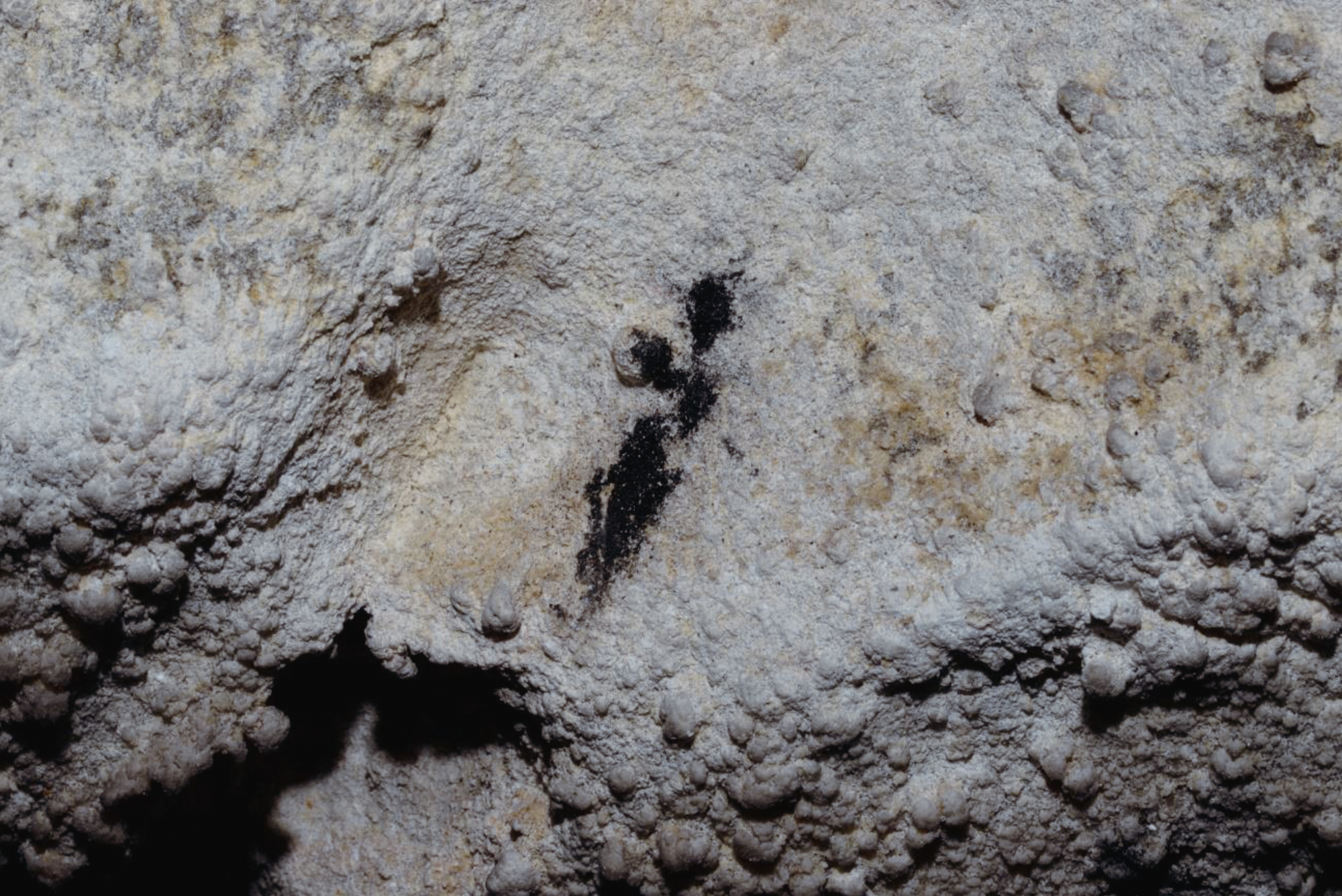
Black mark sampled for C14 in LL-11 cave
A - Calcite crusts overlaying the red painted representations, collected for chronological determination through Uranium-Thorium analysis at the laboratories of Nanjing University (Figure 18).
B - Pigment samples collected for characterization of their main components by FTIR and Raman spectroscopy at the laboratories of the Polytechnic Institute of Tomar (Portugal) and the University of Ferrara (Italy) (Figure 19).
C - Black pigment samples collected for chronological dating using AMS Carbon-14 methodology at the laboratories of Vilnius University (Lithuania) (Figure 20).
All samples collected during the 2025 sampling campaign are currently undergoing processing at their respective laboratories in China, Germany, Portugal, and Italy.
The first results are expected during the last quarter of 2025, with plans to publish them in high-impact international journals throughout 2026.
Jordá, F. (1958): Avance al Estudio de la Cueva de La Lloseta (Ardines, Ribadesella, Asturias). Diputación Provincial de Asturias, Oviedo.
Mallo, M. y Pérez, M. (1969): Primeras notas del estudio de la cueva de El Ramu y su comunicación con La Lloseta. Zephyrus XIX, p.7-26.
Mallo. M.; Chapa. T. y Hoyos. M. (1980): «Identificación y estudio de la Cueva del Río (Ribadesella, Asturias)», Zephyrus XXX-XXXI, Salamanca, 231-243.
Martínez-Villa, A. (2022): «Cien años de investigaciones en la cueva de La Llosetra (Ribadesella/Ribeseya, Asturias/Asturies, España). Revisión e identificación de los trabajos arqueológicos. Planteamientos y objetivos del nuevo proyecto». ENTEMU XIX. Una (re)visión de la Arqueología Prehistórica del valle del Sella (Asturias, España). 267-301.
Martínez-Villa, A. et al. (2022): “New insights into upper Palaeolithic and Mesolithic occupations in Les Pedroses cave (Asturies, north Spain)”. Journal of Archaeological Science: Reports 45 (2022). Link
Martínez-Villa, A., (2017)): “El arte paleolítico de la cueva de Les Pedroses (El Carme, Ribadesella/Ribeseya, Asturies, España). Avance sobre nuevos hallazgos”. Cuadernos de Arte Prehistórico 5, 40–87.
Martínez-Villa, A., Arrojo. L., Ballesteros, D., Alvarez, A., Martín-Jarque, S., Drak, L., Llorente-Rodríguez, L., Alvarez-Fernández, E., (2022)): “La Cueva de Les Pedroses (El Carme, Ribadesella/Ribeseya, Asturies, España). Viejas excavaciones y nuevas investigaciones: Propuesta de una secuencia de ocupación”. ENTEMU XIX. Descendiendo el río Sella.
Martínez-Villa, A., (2019): “Arte y ocupación prehistórica de la cueva de Les Pedroses”. Ribadesella, Asociación Cultural Amigos de Ribadesella. De la Llama Ed. Ribadesella.